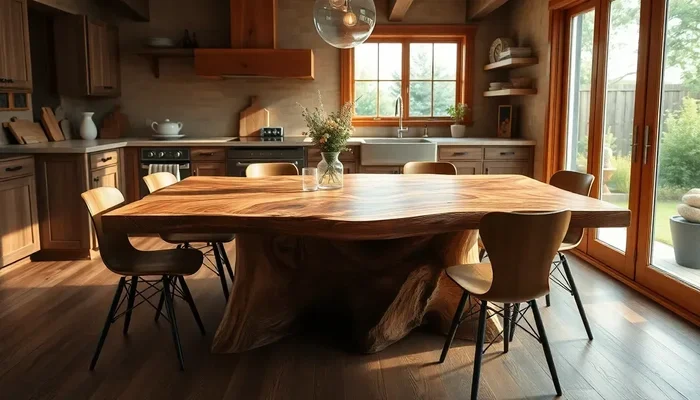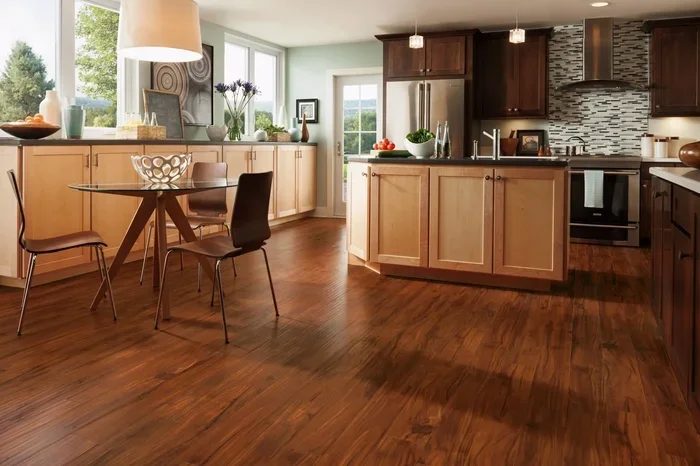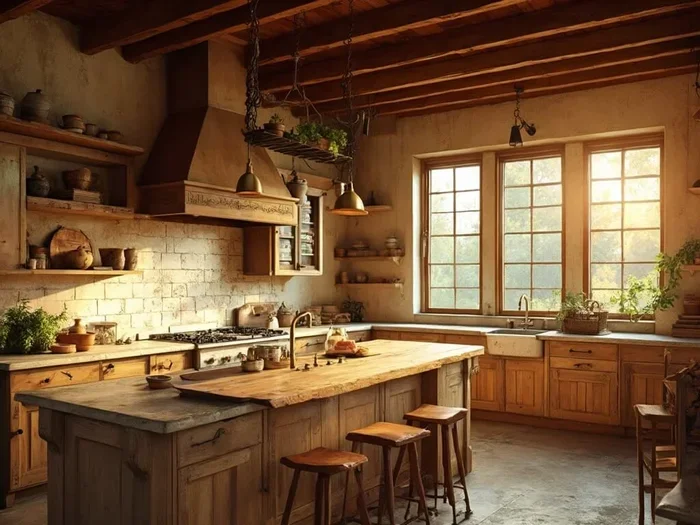
Heirloom craft kitchens blend traditional craftsmanship with modern living to create spaces full of character and warmth. These kitchens feature hand-carved details, natural wood finishes, and vintage hardware that tell a story of heritage and skill. Homeowners are rediscovering the beauty of old-world kitchen charm and choosing artisan materials over mass-produced options. A heirloom craft kitchen is not just a room, it is a gathering place filled with soul and history. This guide covers everything you need to know about designing, renovating, and loving a kitchen built to last generations.
A heirloom craft kitchen is more than just a place to cook. It is a space filled with history, artistry, and heart. When you step into a kitchen like this, you feel something different. The warmth of natural wood, the weight of solid hardware, and the beauty of hand-finished surfaces all come together to create a room that feels alive. More homeowners are falling in love with this approach to kitchen design. They want spaces that tell a story, not just serve a function.
The appeal of a heirloom craft kitchen lies in its authenticity. Unlike trendy designs that fade, these kitchens stand the test of time. They draw from vintage kitchen design traditions and traditional craftsmanship that have been passed down through generations. Whether you are building from scratch or renovating an existing space, the principles remain the same. Quality materials, skilled hands, and a deep respect for the craft are at the heart of every project.
In this article, we will explore everything you need to know about creating a heirloom craft kitchen. From choosing the right materials to finding the perfect artisan, we have you covered. You will learn about the key elements that make these kitchens special. We will also share practical tips, common mistakes to avoid, and expert insights that will help you bring your vision to life. Let us dive in.
Key Takeaways
- Timeless Appeal: Heirloom craft kitchens use traditional techniques and natural materials that never go out of style.
- Handcrafted Details: Features like hand-carved woodwork and artisanal tiles add unique character to every corner.
- Durability and Value: These kitchens are built to last decades, often increasing your home’s resale value.
- Sustainable Choice: Reclaimed wood and vintage fixtures make heirloom kitchens an eco-friendly option.
- Personal Expression: Every heirloom craft kitchen reflects the personality and taste of its owner.
- Mix Old and New: You can blend vintage elements with modern appliances for the best of both worlds.
- Investment Worth Making: The craftsmanship and materials used offer long-term savings and beauty.
📑 Table of Contents
- What Makes a Heirloom Craft Kitchen Special
- Key Elements of a Heirloom Craft Kitchen Design
- Benefits of Choosing a Heirloom Craft Kitchen
- Popular Styles and Influences for Heirloom Craft Kitchens
- How to Plan and Build Your Own Heirloom Craft Kitchen
- Common Mistakes to Avoid When Building a Heirloom Craft Kitchen
- Expert Insights on Heirloom Craft Kitchen Design
- Quick Tips for Maintaining Your Heirloom Craft Kitchen
- Comparison: Heirloom Craft Kitchen vs. Modern Kitchen
- Bringing It All Together
What Makes a Heirloom Craft Kitchen Special
A heirloom craft kitchen stands apart from modern kitchens in several important ways. It is not just about looks. It is about the soul behind every choice. When you design a kitchen with heritage in mind, you think about materials, methods, and meaning.
The Role of Traditional Craftsmanship
Traditional craftsmanship is the backbone of any heirloom craft kitchen. Skilled artisans use techniques that have been refined over centuries. Think of hand-carved details on cabinet doors, traditional joinery that holds pieces together without nails, and natural wood finishes that bring out the grain and character of the material.
These methods take more time and skill. But the result is a kitchen that feels solid and real. You can run your hand along a hand-planed surface and feel the care that went into it. That is something you simply cannot get from a factory-made kitchen.
Natural and Reclaimed Materials
One of the defining features of a heirloom craft kitchen is the use of natural and reclaimed materials. Reclaimed wood kitchen countertops, floors, and shelving bring warmth and history into the space. Each piece of wood carries its own story, with marks and patina that tell of years of use and character.
Artisan kitchen furniture also plays a big role. Tables, chairs, and benches made by hand using solid hardwood add a grounded feel. These pieces are built to last a lifetime, not just a season. They age beautifully, developing a richer look over time.
Vintage and Antique Elements
Adding vintage kitchen fixtures and antique kitchen hardware completes the look of a heirloom craft kitchen. Think of brass faucets, porcelain knobs, and iron pulls. These small details make a huge impact. They bring a sense of place and time to the room.
You can find these pieces at antique markets, salvage yards, and estate sales. Each item has its own history, and incorporating them into your kitchen creates a sense of continuity and connection. It is like adding chapters to a story that has been unfolding for decades.
Key Elements of a Heirloom Craft Kitchen Design
Designing a heirloom craft kitchen requires thoughtful attention to detail. Every element should work together to create a cohesive and inviting space. Here are the key components that make these kitchens shine.
Rustic Kitchen Cabinets
Rustic kitchen cabinets are a cornerstone of the heirloom style. They are typically made from solid wood and feature simple, honest designs. You will often see raised panels, beadboard fronts, and distressed finishes. These cabinets are not just storage, they are works of art in their own right.
Many homeowners choose custom kitchen craftsmanship for their cabinets. A local woodworker can build cabinets tailored to your space and style. This level of personalization ensures that every cabinet fits perfectly and looks like it has always been there.
Handcrafted Kitchen Elements
Handcrafted kitchen elements add layers of interest and texture. These can include hand-tiled backsplashes, carved mantels, and custom range hoods. Artisanal kitchen tiles with hand-painted patterns or hand-glazed finishes bring color and individuality to the space.
Even small details matter. Hand-forged iron hinges, custom-made drawer pulls, and hand-stained wood accents all contribute to the overall feel. These elements show that someone cared deeply about the craft, and that care is felt every time you enter the kitchen.
Classic Lighting and Fixtures
Lighting sets the mood in any kitchen, and a heirloom craft kitchen is no exception. Vintage-style pendant lights, wrought iron chandeliers, and antique wall sconces create a warm, inviting glow. These fixtures often feature frosted glass, brass, or copper finishes.
When choosing lighting, think about both function and beauty. You need enough light for meal prep, but you also want the fixtures to complement the overall design. A mix of overhead, task, and accent lighting works best in these spaces.
Benefits of Choosing a Heirloom Craft Kitchen
There are many reasons to choose a heirloom craft kitchen for your home. These benefits go beyond aesthetics and touch on value, sustainability, and emotional connection.
Durability That Lasts Generations
The materials and methods used in a heirloom craft kitchen are built to last. Solid wood cabinets, stone countertops, and hand-forged hardware can withstand decades of daily use. Unlike particle board or laminate, these materials do not need replacing every few years.
Over time, a heirloom craft kitchen actually improves. Wood develops a richer patina, stone gains character, and metal acquires a beautiful aged look. This aging process is part of the appeal and a key reason why these kitchens become family heirlooms themselves.
Increased Home Value
A well-designed heirloom craft kitchen can significantly increase your home’s resale value. Buyers love kitchens that feel authentic and high-quality. The combination of premium materials and skilled craftsmanship signals that the home has been cared for and invested in.
According to real estate experts, kitchen renovations offer one of the best returns on investment. Choosing a heritage kitchen design approach can make your kitchen stand out even more in a competitive market. It becomes a selling point that draws buyers in.
Environmental and Sustainability Benefits
Choosing a heirloom craft kitchen is also an environmentally responsible decision. Using reclaimed wood and salvaged materials reduces the demand for new resources. Handcrafted pieces often have a smaller carbon footprint than mass-produced alternatives.
Many artisans also use natural wood finishes and non-toxic adhesives, which are better for indoor air quality. A heirloom craft kitchen is not just good for your home, it is good for the planet too.
Popular Styles and Influences for Heirloom Craft Kitchens
The beauty of a heirloom craft kitchen is that it can take many forms. Different cultural traditions and regional styles offer a wealth of inspiration. Here are some of the most popular approaches.
Farmhouse Kitchen Style
The farmhouse kitchen style is one of the most beloved influences for heirloom craft kitchens. It emphasizes simplicity, warmth, and connection to the land. Open shelving, apron sinks, and wide-plank hardwood floors are common features.
Farmhouse kitchens often incorporate rustic kitchen decor like mason jar lighting, woven baskets, and vintage signage. The overall feel is welcoming and unpretentious, making these kitchens perfect for family gatherings and everyday living.
Old-World European Kitchens
Old-world kitchen charm draws from European traditions of craftsmanship and design. Think of Tuscan stone walls, French country cabinetry, and Italian hand-painted tiles. These kitchens feel elegant yet grounded, with a sense of history woven into every detail.
Heavy wooden beams, arched doorways, and wrought iron accents are hallmarks of this style. A heirloom craft kitchen inspired by old-world traditions feels both grand and intimate at the same time.
American Arts and Crafts Movement
The Arts and Crafts movement, which flourished in the early 20th century, championed handcraft over mass production. This influence shows up in heirloom craft kitchens through clean lines, exposed joinery, and a focus on natural materials. The result is a kitchen that feels both timeless and purposeful.
How to Plan and Build Your Own Heirloom Craft Kitchen
Creating a heirloom craft kitchen is a journey, not a quick project. It requires patience, research, and a willingness to invest in quality. Here is a step-by-step guide to help you get started.
Step 1: Define Your Vision and Budget
Start by gathering inspiration. Look through magazines, visit showrooms, and browse online galleries for vintage kitchen design ideas. Create a mood board that captures the look and feel you want. Be clear about your budget, and prioritize where you want to spend the most.
Remember that a heirloom craft kitchen is an investment. It is worth allocating more funds to quality materials and skilled labor. Cutting corners on craftsmanship will show in the final result.
Step 2: Choose Your Materials Carefully
Select materials that will age well and develop character over time. Reclaimed wood, solid hardwood, natural stone, and hand-forged metal are excellent choices. Visit local lumber yards, salvage shops, and artisan markets to find unique pieces.
When choosing wood, look for species that are durable and beautiful. Oak, maple, walnut, and cherry are popular options for rustic kitchen cabinets and furniture. Each has its own grain pattern and color that adds to the kitchen’s personality.
Step 3: Find Skilled Artisans and Craftspeople
The quality of a heirloom craft kitchen depends heavily on the people who build it. Seek out local woodworkers, cabinetmakers, and tile artisans who specialize in custom kitchen craftsmanship. Ask for references, view their past work, and make sure their style aligns with your vision.
Building relationships with local artisans is one of the best parts of this process. These craftspeople bring a deep understanding of materials and techniques that cannot be replicated by machines. Their expertise will elevate your kitchen from good to extraordinary.
Step 4: Focus on Details and Finishing
The details are what make a heirloom craft kitchen truly special. Pay close attention to finishing techniques. Hand-rubbed oils and waxes bring out the natural beauty of wood. Hand-glazed tiles create depth and visual interest. Vintage hardware adds the final touch of authenticity.
Take your time with each step. Rushing the finishing process can undermine all the hard work that went into the construction. Let each layer dry, cure, or settle before moving on to the next.
Common Mistakes to Avoid When Building a Heirloom Craft Kitchen
Even the best intentions can lead to mistakes when building a heirloom craft kitchen. Being aware of common pitfalls can save you time, money, and frustration.
Skimping on Materials
One of the biggest mistakes is choosing cheaper materials to save money upfront. Particle board, laminate counters, and synthetic finishes may seem like a bargain, but they will not age well. A heirloom craft kitchen demands real wood, real stone, and real craftsmanship.
Ignoring Proportions and Scale
Handcrafted elements should fit the space proportionally. Oversized cabinets in a small kitchen or delicate hardware in a large space can throw off the balance. Work with your artisan to ensure that every piece is scaled correctly for your room.
Neglecting Functionality
Beauty matters, but so does function. A heirloom craft kitchen must also work well for cooking and daily life. Plan your layout carefully, considering workflow, storage, and modern appliance needs. You can blend vintage charm with modern convenience seamlessly.
Expert Insights on Heirloom Craft Kitchen Design
We spoke with several experienced craftspeople and kitchen designers about what makes a heirloom craft kitchen truly exceptional. Their insights offer valuable guidance for anyone considering this style.
One artisan shared, “The secret to a great heirloom craft kitchen is patience. You cannot rush the process. Each piece of wood needs time to be selected, each joint needs time to be cut and fitted, and each finish needs time to cure properly.”
Another designer emphasized the importance of authenticity. “People can tell when something is handmade versus machine-made. The slight imperfections, the unique grain patterns, the hand-applied finishes, these are the details that make a kitchen feel real and alive,” she explained.
Both experts agree that the best heirloom craft kitchens are those that reflect the personality of the people who use them. There is no single formula. The magic comes from combining quality materials, skilled hands, and a genuine love for the craft.
Quick Tips for Maintaining Your Heirloom Craft Kitchen
Once your heirloom craft kitchen is complete, proper maintenance will keep it looking beautiful for years to come. Here are some quick tips to follow.
- Clean with gentle products: Use mild soap and water on wood surfaces. Avoid harsh chemicals that can strip natural finishes.
- Oil wooden surfaces regularly: A light coat of food-safe mineral oil on countertops and cutting boards keeps the wood nourished and protected.
- Polish metal hardware: Brass and copper hardware benefit from occasional polishing to maintain their warm glow.
- Address spills promptly: Natural stone and wood can stain if liquids are left sitting too long. Wipe up spills right away.
- Check for wear periodically: Inspect joints, finishes, and hardware for signs of wear. Early attention prevents bigger problems later.
Comparison: Heirloom Craft Kitchen vs. Modern Kitchen
Understanding the difference between a heirloom craft kitchen and a modern kitchen can help you make the best choice for your home.
| Feature | Heirloom Craft Kitchen | Modern Kitchen |
|---|---|---|
| Materials | Solid wood, natural stone, reclaimed materials | Plywood, laminate, engineered stone |
| Construction | Handcrafted, traditional joinery | Machine-made, assembly line |
| Lifespan | Decades to generations | 10 to 20 years |
| Customization | Fully custom, artisan-driven | Modular, limited options |
| Environmental Impact | Low, uses reclaimed and natural materials | Higher, relies on new manufactured materials |
| Cost | Higher upfront investment | Lower upfront cost |
| Character and Uniqueness | Highly unique, full of history | Uniform, consistent look |
While a heirloom craft kitchen requires a larger initial investment, the long-term value is undeniable. These kitchens last longer, age beautifully, and create a living space filled with meaning and warmth. For many homeowners, the choice is clear.
Bringing It All Together
A heirloom craft kitchen is one of the most meaningful investments you can make in your home. It combines the beauty of traditional craftsmanship with the warmth of natural materials and the soul of handmade details. Whether you are drawn to the simplicity of farmhouse style or the elegance of old-world charm, the principles remain the same. Choose quality over convenience, authenticity over trends, and craftsmanship over mass production.
The journey to creating your own heirloom craft kitchen is a rewarding one. It takes time, research, and a commitment to doing things right. But the result is a kitchen that will be loved and cherished for decades. It becomes a gathering place for family meals, holiday celebrations, and everyday moments that matter most.
Start small if you need to. You do not have to overhaul your entire kitchen at once. Replace a few cabinet doors with hand-carved wood. Swap out hardware for vintage pieces. Add a reclaimed wood shelf or a hand-glazed tile backsplash. Each step brings you closer to the heirloom craft kitchen of your dreams.
The beauty of this style is that it grows with you. As your family changes and your tastes evolve, your kitchen evolves right alongside it. The solid wood will develop a richer patina, the hand-forged hardware will gain character, and the space will become more beautiful with every passing year. That is the true magic of a heirloom craft kitchen it is not just a room, it is a living, breathing part of your home’s story.
Frequently Asked Questions
What exactly is a heirloom craft kitchen?
A heirloom craft kitchen is a kitchen designed and built using traditional craftsmanship techniques, natural materials, and vintage or artisan elements. It focuses on durability, authenticity, and timeless beauty rather than following short-lived trends.
How much does it cost to build a heirloom craft kitchen?
The cost varies widely depending on materials, size, and the level of customization. Handcrafted kitchens typically cost more upfront than mass-produced options because of the quality of materials and skilled labor involved. However, the long-term value and durability often make them more cost-effective over time.
Can I incorporate modern appliances into a heirloom craft kitchen?
Absolutely. One of the great things about a heirloom craft kitchen is that you can blend vintage charm with modern convenience. Hidden appliances, panel-ready refrigerators, and discreet dishwashers allow you to enjoy modern functionality without sacrificing the classic look.
Where can I find reclaimed wood and vintage hardware for my kitchen?
Local salvage yards, antique markets, estate sales, and online marketplaces are excellent sources for reclaimed wood and vintage hardware. Many artisan suppliers also specialize in reclaimed and repurposed materials specifically for kitchen projects.
How long does it take to build a heirloom craft kitchen?
Because of the handcrafted nature of the work, a heirloom craft kitchen typically takes longer than a standard kitchen renovation. Depending on the complexity of the design, the process can take anywhere from a few months to over a year. The extra time is a reflection of the care and attention to detail involved.
Is a heirloom craft kitchen a good investment for my home?
Yes, a well-crafted heirloom craft kitchen is an excellent investment. It increases your home’s resale value, offers superior durability, and creates a unique living space that stands out in the real estate market. Buyers consistently value authenticity and quality craftsmanship.
=== CONCLUSION ===
A heirloom craft kitchen brings more than beauty to your home. It brings warmth, character, and a deep connection to the traditions of skilled craftsmanship. From reclaimed wood and hand-carved details to vintage hardware and artisanal tiles, every element tells a story of care and quality. These kitchens are built to last, designed to inspire, and crafted to be cherished for generations.
If you have been dreaming of a kitchen that feels truly special, now is the time to start. Embrace the heirloom craft kitchen approach and create a space that reflects who you are and where you come from. Your future self, and your family, will thank you for it. Start planning today and let the journey of creating something beautiful begin.