
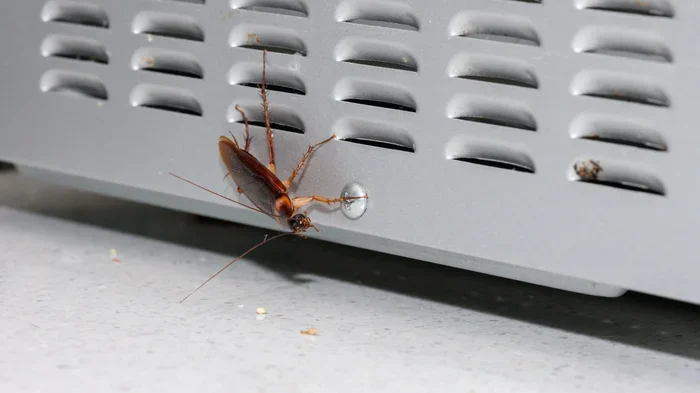
Roaches invade kitchens because of food, moisture, and warmth. Understanding why there are roaches in your kitchen is the first step to eliminating them for good. This guide reveals the top causes of kitchen roach infestations and provides practical, step-by-step solutions. You will learn how to identify the problem, treat it effectively, and prevent roaches from returning.
You open the cabinet and suddenly spot a scurrying shadow disappear into the dark corner. Your heart sinks. Why are there roaches in my kitchen? It is a question almost every homeowner faces at some point. The truth is, your kitchen offers roaches exactly what they need: food, water, and shelter. The good news is that you can fix this problem. This guide walks you through every reason roaches love your kitchen and shows you exactly how to kick them out for good.
Dealing with kitchen roaches feels overwhelming, but it does not have to be. With the right knowledge and a few simple steps, you can reclaim your space. Let us dive into the causes, solutions, and prevention strategies that actually work.
Key Takeaways
- Food sources and crumbs are the #1 reason roaches enter your kitchen. Even tiny food particles can attract them.
- Moisture and leaks create the perfect roach habitat. Fixing plumbing issues is essential for roach control.
- Early detection saves you from a full-blown infestation. Watch for droppings, musty smells, and egg casings.
- Natural and chemical methods both work for eliminating roaches. Choose based on the severity of the problem.
- Prevention is more effective than treatment. Simple daily habits keep roaches away long-term.
📑 Table of Contents
- Why Are There Roaches in My Kitchen
- Signs You Have a Roach Problem in the Kitchen
- What Causes Roaches in a Kitchen
- How to Get Rid of Roaches in the Kitchen
- Preventing Roaches from Returning
- Common Mistakes People Make When Dealing with Kitchen Roaches
- Expert Insights on Kitchen Roach Control
- Health Risks of Roaches in the Kitchen
- Key Takeaways
- Conclusion
Why Are There Roaches in My Kitchen
Roaches do not randomly pick your kitchen. They are drawn there by specific conditions that make it an ideal living environment. Understanding these attractants is the key to solving the problem. Let us break down the main reasons roaches choose your kitchen as their home.
Food Sources That Attract Roaches
Roaches are not picky eaters. They will eat almost anything left out in the open. Crumbs on the counter, unwashed dishes in the sink, and open food packages all scream “free meal” to a cockroach. Even pet food left in a bowl overnight can draw them in.
Here are the most common food-related attractants in a kitchen:
- Food crumbs and residue on countertops and floors
- Unwashed dishes sitting in the sink or dishwasher
- Open food packages like cereal boxes and bread bags
- Grease buildup on stovetops and backsplashes
- Garbage and recycling left out too long
- Pet food bowls left out overnight
Even if you keep your kitchen relatively clean, tiny food particles you cannot see are enough to sustain a roach colony. A single crumb can feed multiple roaches for days. This is why deep cleaning matters so much when tackling a roach problem.
For example, if you enjoy prepping meals and storing leftovers like Greek Salad In A Jar, any residue on the jar rim left unwashed can attract roaches overnight. Small habits like this add up quickly.
Moisture and Water Sources
Roaches need water to survive — even more than they need food. A cockroach can live about a month without food but only about a week without water. This makes moisture the second biggest reason you find roaches in your kitchen.
Common moisture sources include:
- Leaking pipes under the sink
- Damp sponges and dishcloths left out
- Standing water in the sink or around the fridge
- Condensation on cold surfaces
- Clogged drains that hold stagnant water
If you notice roaches near your sink or dishwasher, moisture is likely the culprit. Fixing leaks and drying wet areas quickly can make your kitchen far less inviting to these pests. After cooking something like Eggs In Purgatory, a quick wipe-down of the stovetop and surrounding area removes both grease and moisture that roaches love.
Warmth and Shelter
Kitchens are warm. Appliances generate heat, and cooking raises the temperature. Roaches thrive in warm environments. Your kitchen also offers countless hiding spots — inside cabinet cracks, behind the refrigerator, under the stove, and inside wall voids.
These dark, tight spaces give roaches the shelter they need to nest and breed. The more clutter and clutter buildup you have, the more hiding spots exist. This is why a cluttered kitchen often means a roach-heavy kitchen.
Signs You Have a Roach Problem in the Kitchen
Catching a roach problem early makes treatment much easier. The longer you wait, the bigger the colony grows. Here are the most common signs that roaches have taken up residence in your kitchen.
Visible Roach Sightings
Seeing a roach during the day is a red flag. Roaches are nocturnal, so spotting one in daylight usually means the infestation is large enough to force them out of hiding. If you see one, there are likely many more hiding nearby.
Roach Droppings
Roach droppings look like small black or brown specks, similar to ground pepper. You will often find them in drawers, on countertops, inside cabinets, and along baseboards. A heavy infestation produces visible dark spots in these areas.
Musty or Oily Odor
A large roach colony produces a distinct musty, oily smell. If your kitchen suddenly has an unpleasant odor that does not come from food, roaches could be the cause. This odor comes from pheromones roaches use to communicate.
Egg Casings
Roach egg casings, called oothecae, are small brown capsule-shaped objects. You might find them in hidden spots like under appliances, inside cabinets, or behind wallpaper. Each casing can hold dozens of eggs, which is why infestations grow so fast.
Allergy and Asthma Symptoms
Roach droppings, saliva, and body parts contain allergens. If you or family members suddenly experience increased sneezing, coughing, or asthma symptoms in the kitchen, roach allergens may be the trigger. This is a serious health concern that should not be ignored.
What Causes Roaches in a Kitchen
Let us get specific about the root causes. Roaches invade kitchens for a combination of reasons, and understanding each one helps you target your solution more effectively.
Poor Kitchen Hygiene
This is the number one cause of kitchen roach problems. When food debris, grease, and dirty dishes accumulate, roaches have an endless food supply. Even minor lapses in cleaning routine can create conditions that attract pests.
Key hygiene mistakes that invite roaches include:
- Leaving dirty dishes in the sink overnight
- Not wiping down counters after cooking
- Ignoring crumbs on the floor
- Letting garbage pile up without taking it out
- Not cleaning under heavy appliances regularly
Gaps and Entry Points
Roaches can squeeze through incredibly small gaps. A crack as thin as a dime is enough for a roach to enter your kitchen. They commonly enter through:
- Gaps around pipes entering the kitchen walls
- Cracks in the foundation or walls
- Gaps under doors and around windows
- Vents and drain openings without proper screens
- Spaces around cabinetry and trim
Sealing these entry points is one of the most effective roach prevention strategies. Use caulk or steel wool to close gaps, and install door sweeps to block entry from hallways.
Neighbor or Building Infestation
If you live in an apartment or shared building, roaches can travel between units through walls and plumbing. Even if your kitchen is spotless, a neighbor’s roach problem can become yours. This is a common cause of kitchen infestations in multi-unit buildings.
Grocery Bags and Delivery Boxes
Roaches can hitchhike into your home in grocery bags, cardboard boxes, and even produce bags. German cockroaches, the most common kitchen species, are notorious for hiding in packaging. Always inspect bags and boxes before bringing them inside.
How to Get Rid of Roaches in the Kitchen
Now for the part you have been waiting for — actually fixing the problem. There are several effective methods for roach elimination, ranging from natural remedies to chemical treatments. The best approach depends on the severity of your infestation.
Deep Clean Your Kitchen
The first step in any roach treatment is removing the attractants. Deep cleaning eliminates food sources and makes your kitchen hostile to roaches.
Follow this deep cleaning checklist:
- Wipe all countertops and surfaces with a disinfectant
- Clean inside and under all appliances
- Scrub the stovetop, backsplash, and range hood
- Empty all cabinets and wipe them down
- Sweep and mop the floor thoroughly
- Take out all garbage and recycling
- Fix any leaks or standing water issues
- Clean drains with baking soda and vinegar
After deep cleaning, store all food in airtight containers. This removes the food access that keeps roaches coming back.
Use Roach Bait Stations
Bait stations are one of the most effective roach control methods available. They contain a slow-acting poison mixed with attractant. Roaches eat the bait, return to their nest, and die. Other roaches then eat the poisoned dead roach and die too. This chain reaction wipes out the entire colony.
Place bait stations in these key kitchen areas:
- Under the sink
- Behind the refrigerator
- Inside cabinets near the stove
- Along baseboards in corners
- Near any cracks or gaps you have found
Be patient with bait stations. It can take two to three weeks to see full results. Do not spray insecticide near bait stations, as this can repel roaches and make the bait less effective.
Try Natural Roach Remedies
If you prefer a chemical-free approach, several natural remedies can help reduce roach numbers.
Boric acid powder is one of the most effective natural roach killers. Sprinkle a thin layer in cracks, under appliances, and along baseboards. Roaches walk through it, ingest it while grooming, and die. Keep boric acid away from pets and children.
Diatomaceous earth works similarly. This fine powder damages the roach exoskeleton, causing dehydration and death. Food-grade diatomaceous earth is safe to use around the kitchen.
Baking soda and sugar make a simple homemade roach bait. Mix equal parts and place small amounts in roach-prone areas. The sugar attracts them, and the baking soda kills them when ingested with water.
Consider Professional Pest Control
For severe infestations or persistent problems, professional pest control is the best option. Licensed exterminators have access to industrial-grade treatments that are far more effective than over-the-counter products. They can also identify entry points and provide a customized treatment plan.
Many pest control companies offer guarantees and follow-up visits. This ensures the infestation is fully resolved. If you have tried DIY methods without success, it is time to call in the experts.
Preventing Roaches from Returning
Getting rid of roaches is only half the battle. The real challenge is keeping them from coming back. Prevention requires consistent daily habits and periodic maintenance.
Maintain Kitchen Cleanliness Daily
Build these simple habits into your routine:
- Wash dishes immediately after meals
- Wipe counters after every cooking session
- Take out kitchen trash every evening
- Sweep or vacuum floors nightly
- Store food in sealed containers
- Clean up pet food promptly
Seal Entry Points Regularly
Inspect your kitchen every few months for new gaps or cracks. Reapply caulk where needed. Check that window and door screens are intact. Pay special attention to areas where pipes enter the walls, as these are common roach highways.
Control Moisture Levels
Fix dripping faucets immediately. Run the kitchen exhaust fan while cooking and for 20 minutes after. Wipe up spills and standing water right away. A dry kitchen is a roach-resistant kitchen.
Inspect Deliveries and Groceries
Always check bags, boxes, and produce before storing them. Shake out cardboard boxes and dispose of them quickly. Roaches love the corrugated cardboard in delivery boxes, so recycle them promptly.
Common Mistakes People Make When Dealing with Kitchen Roaches
Avoid these common pitfalls that make roach problems worse:
- Only spraying visible roaches. Killing the one you see does nothing for the hidden colony. You need bait and traps to reach the nest.
- Leaving bait stations near insect spray. Chemical sprays repel roaches and make bait stations useless.
- Ignoring the problem. A small roach problem doubles in size every few weeks. Early action saves time and money.
- Not cleaning under appliances. The space behind your fridge and stove is a roach paradise. Pull them out and clean regularly.
- Using DIY methods alone for severe infestations. Home remedies help with minor issues but cannot replace professional treatment for serious problems.
Expert Insights on Kitchen Roach Control
Pest control professionals emphasize that kitchen roach control is not just about killing the bugs you see. It is about removing the conditions that attract them in the first place. Integrated Pest Management, or IPM, combines sanitation, exclusion, and targeted treatment for the most effective long-term results.
Experts also stress the importance of identifying the cockroach species in your kitchen. German cockroaches prefer warm, humid areas near food sources. American cockroaches are larger and often enter from drains or basements. Knowing which species you are dealing with helps you choose the right treatment approach.
One often-overlooked tip from pest control pros: keep your kitchen clutter-free. Roaches love hiding in stacks of mail, piles of paper, and cluttered countertops. A tidy kitchen leaves fewer hiding spots and makes it easier to spot early signs of an infestation.
Health Risks of Roaches in the Kitchen
Beyond the creepy factor, roaches in the kitchen pose real health risks. Cockroaches carry bacteria like Salmonella and E. coli on their bodies and in their droppings. They contaminate food preparation surfaces and can cause foodborne illness.
Roach allergens are a leading trigger for asthma attacks, especially in children. Studies have shown that children living in homes with roach infestations have significantly higher rates of asthma symptoms. This makes prompt roach control a health priority, not just a cleanliness issue.
Common health concerns linked to kitchen roaches include:
- Gastrointestinal infections from contaminated food
- Allergic reactions including skin rashes and sneezing
- Asthma attacks triggered by roach allergens
- Food poisoning from bacteria carried on roach bodies
These risks make it clear that addressing a roach problem quickly is essential for your family’s health and safety.
Key Takeaways
- Food sources and crumbs are the #1 reason roaches enter your kitchen. Deep cleaning removes the main attractant.
- Moisture and leaks create the perfect roach habitat. Fix plumbing issues and dry wet areas promptly.
- Early detection saves you from a full-blown infestation. Watch for droppings, musty smells, and egg casings.
- Bait stations and natural remedies both work for roach elimination. Choose based on the severity of the problem.
- Sealing entry points prevents roaches from returning. Check gaps around pipes, doors, and windows regularly.
- Prevention through daily habits is more effective than treatment. Consistent kitchen cleanliness keeps roaches away.
- Health risks from roaches are serious. Prompt action protects your family from allergens and bacteria.
Conclusion
Dealing with roaches in your kitchen is frustrating, but it is a solvable problem. The key is understanding why there are roaches in your kitchen and addressing the root causes. Whether it is food residue, moisture, or entry points, each factor you eliminate makes your kitchen less welcoming to these pests.
Start with a thorough deep clean, use bait stations or natural remedies to treat the infestation, and commit to daily prevention habits. If the problem persists, do not hesitate to call a professional pest control service. Your health and comfort are worth the investment.
Remember, a roach-free kitchen is not just about cleanliness — it is about creating a space where your family can cook, eat, and live without worry. Take action today, and enjoy peace of mind tomorrow.
Frequently Asked Questions
What attracts roaches to a kitchen the most?
Food crumbs, grease, unwashed dishes, and standing water are the biggest kitchen attractants. Roaches need food and moisture to survive, and a kitchen provides both in abundance. Even tiny food particles invisible to the eye can sustain a roach colony.
How do roaches get into a clean kitchen?
Roaches can enter through tiny gaps around pipes, cracks in walls, and spaces under doors. They also hitchhike in grocery bags, delivery boxes, and even produce. A clean kitchen removes attractants but does not block entry points on its own.
Can kitchen roaches make you sick?
Yes, roaches carry bacteria like Salmonella and E. coli that contaminate food and surfaces. Their droppings and body parts also contain allergens that can trigger asthma attacks and allergic reactions, especially in children and sensitive individuals.
How long does it take to get rid of kitchen roaches?
Mild infestations can improve within two to three weeks using bait stations and deep cleaning. Severe infestations may take a month or longer and often require professional treatment. Consistency with prevention habits is key to long-term results.
What is the fastest way to kill roaches in the kitchen?
Bait stations are the fastest method because they eliminate the entire colony. Roaches eat the bait, return to the nest, and spread the poison to other roaches. For immediate results, boric acid powder applied in cracks and under appliances works quickly as well.
Do roaches go away on their own?
No, roaches will not go away on their own. If they have access to food and water, they will continue to breed and multiply. Without intervention, a small roach problem quickly becomes a large infestation that is much harder to treat.

