A vintage kitchen island brings warmth, character, and practical storage to any cooking space. Whether you love farmhouse vibes or mid-century modern flair, these ideas help you find the perfect style for your home. You will learn how to choose materials, add storage, and create a focal point that truly transforms your kitchen.
A vintage kitchen island can completely change the feel of your cooking space. It adds warmth, character, and a sense of history that brand-new furniture simply cannot replicate. If you have been searching for ways to make your kitchen feel more inviting and unique, you are in the right place.
In this guide, we will walk you through the best vintage kitchen island ideas for every style and budget. You will learn how to pick the right materials, choose the perfect finish, and style your island so it looks both beautiful and functional. Whether your kitchen is large or small, there is a vintage island idea here for you.
We have also included practical tips, common mistakes to avoid, and expert insights to help you make the best decision. Let us dive in and explore how a vintage kitchen island can truly transform your home.
Key Takeaways
- Vintage kitchen islands add timeless charm: They bring warmth and character that modern designs often lack.
- Multiple styles work beautifully: From farmhouse to mid-century modern, there is a vintage island for every home.
- Reclaimed wood and distressed finishes are key materials: They create that authentic aged look you want.
- Storage and functionality matter just as much as style: A great vintage island should work hard in your kitchen.
- Small kitchens can benefit too: Compact vintage island designs save space while adding style.
- DIY options save money and add personal touch: You can build or refinish a vintage island on a budget.
📑 Table of Contents
- Why a Vintage Kitchen Island Is Worth the Investment
- Popular Vintage Kitchen Island Styles
- Choosing the Right Materials for Your Vintage Kitchen Island
- Design Tips to Make Your Vintage Kitchen Island Shine
- Small Kitchen Vintage Island Ideas
- Common Mistakes to Avoid When Choosing a Vintage Kitchen Island
- Expert Insights on Vintage Kitchen Islands
- How to Style and Decorate Your Vintage Kitchen Island
- Key Takeaways
- Conclusion
Why a Vintage Kitchen Island Is Worth the Investment
More homeowners are choosing vintage kitchen island designs over sleek modern options. There is a good reason for this trend. Vintage pieces carry stories, craftsmanship, and a sense of soul that mass-produced furniture simply does not have.
When you add a vintage kitchen island to your space, you are not just adding a piece of furniture. You are adding a conversation starter. Guests will notice the details, the textures, and the personality that oozes from every corner of the island.
Here are some of the top reasons a vintage kitchen island is worth your investment:
- Unique character: No two vintage pieces are exactly alike. Each one has its own history and charm.
- Durability: Many vintage materials, like solid wood and cast iron, were built to last for generations.
- Eco-friendly choice: Reusing and repurposing old furniture reduces waste and supports sustainable living.
- Timeless appeal: Vintage designs never truly go out of style. They age gracefully and look better over time.
- Added home value: A beautifully styled vintage island can increase the perceived value of your kitchen.
The Warmth of Vintage Materials
One of the biggest advantages of a vintage kitchen island is the material quality. Older furniture was often made from solid wood, real stone, and heavy-duty metals. These materials feel substantial and rich under your hands. They also develop a beautiful patina over the years that adds even more character.
Think about the difference between a factory-made particleboard shelf and a thick reclaimed oak countertop. The vintage option simply feels more premium and authentic. This is why so many people fall in love with the idea of a vintage kitchen island in their home.
Popular Vintage Kitchen Island Styles
Not all vintage islands look the same. There are several distinct styles to choose from, each offering a different vibe. Let us explore the most popular options for your vintage kitchen island project.
Farmhouse Vintage Kitchen Island
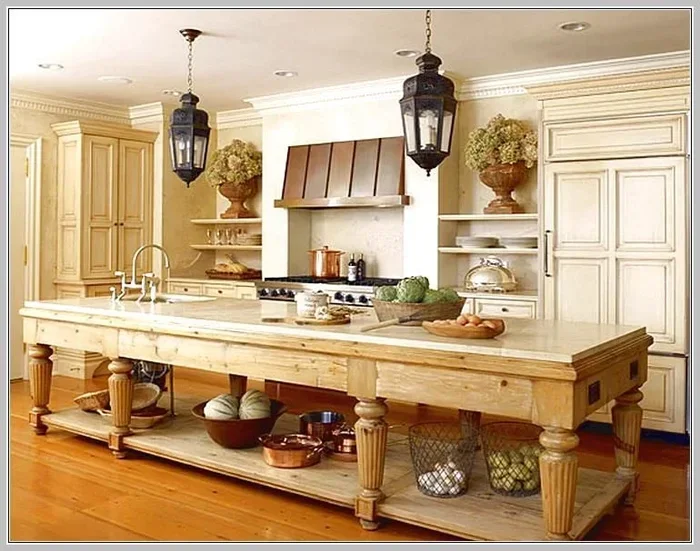
The farmhouse style is one of the most beloved choices for a vintage kitchen island. It features warm wood tones, simple lines, and a cozy, welcoming feel. Farmhouse islands often include open shelving, apron fronts, and rustic hardware.
To achieve this look, look for a wooden island cart or a repurposed old dresser that can serve as your island base. Pair it with a butcher block countertop and simple iron or brass handles. The result is a kitchen island that feels like it belongs on a charming countryside home.
Mid-Century Modern Vintage Kitchen Island
If you prefer a more sleek and retro feel, a mid-century modern vintage kitchen island might be your perfect match. This style emerged in the 1950s and 1960s and features clean lines, tapered legs, and bold colors.
Look for islands with walnut or teak wood finishes, kidney-shaped countertops, or geometric cabinet pulls. You can also add a pop of color with a retro paint job in mustard yellow, teal, or avocado green. This style works beautifully in kitchens that blend vintage and modern elements.
Rustic and Distressed Vintage Kitchen Island
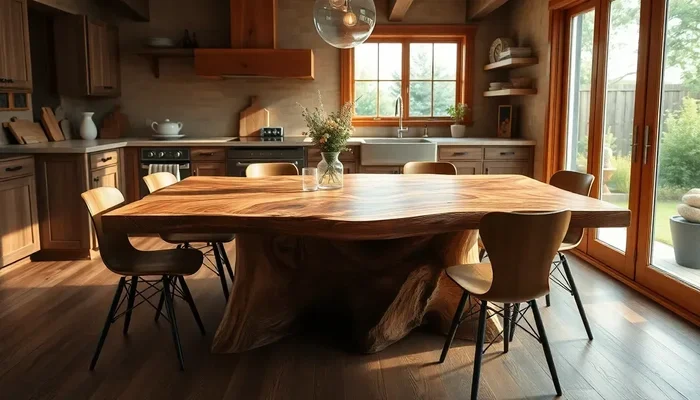
The rustic style takes the aged look to the next level. A rustic vintage kitchen island features heavy wood beams, visible knots, deep grain patterns, and a weathered finish. It feels like it has been around for decades, even if it is a repurposed piece.
To get this look, you can sand down a wooden island and apply a distressed finish using techniques like wire brushing or chain dragging. Leave some areas slightly rougher than others for an authentic, lived-in feel. Pair it with wrought iron legs and open wooden shelves for the full rustic effect.
Art Deco Vintage Kitchen Island
For a more glamorous and dramatic look, consider an Art Deco-inspired vintage kitchen island. This style from the 1920s and 1930s features bold geometric patterns, mirrored surfaces, and luxurious materials.
Look for islands with chrome accents, marble countertops, or lacquered finishes in black or deep navy. Art Deco islands make a bold statement and work best in kitchens with a touch of elegance and sophistication.
Choosing the Right Materials for Your Vintage Kitchen Island
The materials you choose will define the look and feel of your vintage kitchen island. Here is a closer look at the most popular options and what they bring to your kitchen.
Reclaimed Wood
Reclaimed wood is the go-to material for most vintage kitchen island projects. It comes from old barns, factories, warehouses, and even old ships. Each plank has its own history, color variations, and character marks that new wood simply cannot mimic.
Using reclaimed wood for your vintage kitchen island countertop or base gives the piece an authentic aged appearance. It is also incredibly sturdy and sustainable. Popular choices include oak, pine, maple, and cedar.
Butcher Block
A butcher block countertop is a classic choice for vintage kitchen islands. It adds a warm, natural look that pairs well with almost any kitchen style. Butcher block is made from thick strips of hardwood glued together, creating a durable and beautiful surface.
Over time, butcher block develops a lovely worn-in patina that enhances the vintage feel of your island. You can oil it regularly to keep it looking fresh and protect it from stains and scratches.
Cast Iron and Wrought Iron
For the legs and frame of your vintage kitchen island, cast iron and wrought iron are excellent choices. These metals were commonly used in older furniture and add a sturdy, industrial feel. They also age beautifully, developing a natural darkening over time.
Cast iron legs give your island a heavy, grounded look that feels very traditional. Wrought iron offers a more ornate and decorative option with scrollwork and detailed shapes.
Vintage Tile and Stone
If you want a more unique countertop, consider using vintage tile or reclaimed stone. Encaustic tiles, which were popular in the early 1900s, feature bold patterns and rich colors. They make a stunning focal point for any vintage kitchen island.
Reclaimed marble or granite adds a touch of luxury and elegance. These natural stones were commonly used in older homes and carry a timeless beauty that fits perfectly with a vintage aesthetic.
Design Tips to Make Your Vintage Kitchen Island Shine
Now that you know the styles and materials, let us talk about how to design a vintage kitchen island that truly stands out. These tips will help you create a balanced, beautiful, and functional piece.
Match Your Kitchen’s Existing Style
Your vintage island should feel like it belongs in your kitchen, not like it was dropped in from a different era. Look at your existing cabinets, flooring, and wall colors. Then choose a vintage kitchen island that complements those elements rather than clashing with them.
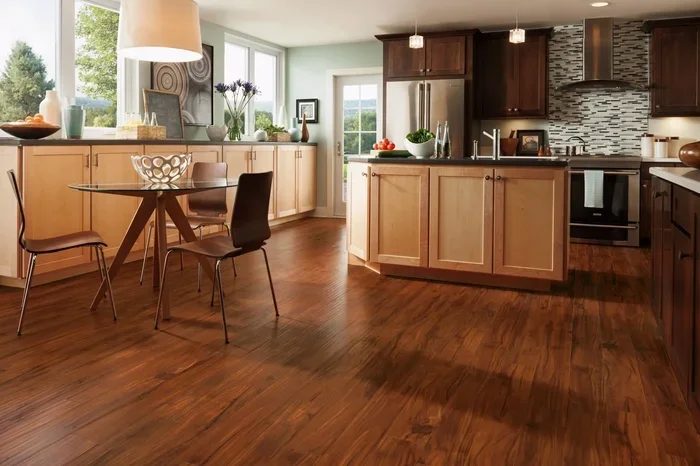
For example, if your kitchen has warm wood cabinets, a reclaimed oak island will blend in perfectly. If your kitchen is mostly white and modern, a vintage island in a natural wood tone can add a beautiful contrast without feeling out of place.
Add Vintage Hardware and Fixtures
One of the easiest ways to enhance the vintage look of your island is through the hardware. Swap out modern cabinet pulls for vintage brass knobs, antique bronze handles, or old-fashioned ceramic pulls. These small details make a huge difference in the overall feel.
You can also add vintage-style kitchen faucet fixtures if your island includes a sink. Cross-handle faucets and gooseneck faucets in antique finishes work wonderfully with vintage island designs.
Incorporate Open Shelving and Display Space
Vintage kitchen islands often feature open shelving instead of upper cabinets. This creates an inviting, accessible look and gives you a place to display beautiful vintage dishes, glassware, or cookbooks.
Use wooden crates, old baskets, or vintage ceramic jars to add texture and charm to your open shelves. This turns your vintage kitchen island into a functional display area that also serves as storage.
Choose the Right Island Legs
The legs of your vintage kitchen island play a big role in setting the style. Tapered legs suggest mid-century modern. Thick turned legs suggest traditional farmhouse. Slim iron legs suggest industrial vintage.
Consider the height of your legs too. Standard kitchen counter height is about 36 inches. If you want a bar-height island for extra seating, aim for 42 inches. Make sure the leg style matches the overall vibe you are going for.
Use Paint and Finish Strategically
Paint can completely transform a vintage kitchen island. Soft, muted colors like cream, sage green, dusty blue, and warm gray work beautifully for a farmhouse or cottage feel. For a bolder look, try a deep navy, forest green, or even a rich burgundy.
If you prefer the natural wood look, apply a matte or satin finish rather than a high-gloss one. High-gloss finishes look too modern and can make a vintage piece feel out of place. A matte finish preserves the aged, authentic appearance of your island.
Small Kitchen Vintage Island Ideas
You do not need a large kitchen to enjoy a vintage kitchen island. There are plenty of compact designs that work beautifully in smaller spaces. The key is choosing an island that offers function without overwhelming the room.
Rolling Island Carts
A rolling island cart is one of the best solutions for small kitchens. These carts typically have two levels of storage, a small countertop, and lockable wheels. You can move them out of the way when you need extra floor space.
Look for vintage-style carts made from solid wood with metal wheels. A small rolling vintage kitchen island can serve as extra prep space, a breakfast bar, or a storage station for your pots and pans.
Corner Islands and Peninsula Designs
If your kitchen has an unused corner, consider a corner vintage kitchen island. These triangular or wedge-shaped islands fit snugly into corners and make use of space that would otherwise go to waste.
A peninsula-style island attaches to a wall or countertop and extends into the kitchen. It provides a flat surface on one or both sides and often includes built-in storage underneath.
Narrow Console-Style Islands
A narrow console-style island is slim and elegant. It typically measures about 12 to 15 inches deep, making it perfect for tight kitchens. Use it as a beverage station, a place to hang utensils, or a spot for your morning coffee setup.
Pair a narrow console island with a vintage mirror or small artwork mounted on the wall behind it. This adds visual interest and makes the space feel larger and more open.
Common Mistakes to Avoid When Choosing a Vintage Kitchen Island
Even with the best intentions, it is easy to make mistakes when selecting a vintage kitchen island. Here are some common pitfalls to watch out for.
Choosing Size Without Measuring
One of the most common mistakes is buying an island without measuring your kitchen first. A vintage island that is too large will make your kitchen feel cramped and cluttered. Always measure your available space and leave at least 36 inches of clearance around the island for comfortable movement.
Ignoring Storage Needs
While a vintage kitchen island should look beautiful, it should also be practical. Do not choose an island purely for aesthetics if it offers no storage. Think about what you need to store and make sure the island can accommodate those items.
Overlooking Countertop Durability
Vintage countertops can be gorgeous, but they also need to handle daily kitchen use. Avoid soft or porous materials that stain easily unless you are willing to maintain them regularly. Butcher block, sealed wood, and stone are all durable options that age well.
Mismatching the Style
Mixing too many conflicting styles can make your kitchen feel chaotic. If your kitchen is modern and minimalist, a heavily ornate vintage island might clash. Try to find a vintage island that shares some design elements with your existing kitchen for a cohesive look.
Expert Insights on Vintage Kitchen Islands
We spoke with interior designers who specialize in vintage kitchen renovations. Here is what they had to say about choosing and styling a vintage kitchen island.
Start With One Vintage Piece
Interior designer Sarah Mitchell suggests starting small. “You do not need a full vintage island right away,” she says. “Start with a vintage cart or a small wooden bench and build around it. Let the island evolve with your kitchen over time.”
Mix Vintage With Modern
Designer James Rivera recommends blending vintage and modern elements. “A vintage island in a modern kitchen creates a beautiful contrast,” he explains. “It adds warmth and personality without making the space feel like a museum.”
Focus on the Details
According to designer Lisa Chen, the details make all the difference. “Vintage hardware, a well-chosen finish, and the right lighting above your island can elevate the entire look,” she says. “Pay attention to the small things, and your vintage kitchen island will look professionally styled.”
How to Style and Decorate Your Vintage Kitchen Island
Once your vintage kitchen island is in place, the fun part begins: styling it. How you decorate your island can completely change the mood of your kitchen.
Add a Tray for Organization
Place a decorative tray on your island to corral everyday items like salt, pepper, olive oil, and utensils. A vintage metal tray or a wooden tray with brass corners adds a polished, intentional look.
Use Bar Stools for Seating
If your island is tall enough, add bar stools for extra seating. Vintage-style bar stools with wooden seats and metal frames complement a vintage island perfectly. Choose stools in a color or material that ties into the rest of your kitchen decor.
Layer in Lighting
Good lighting can make your vintage kitchen island the true centerpiece of the room. Install pendant lights above the island with a vintage or retro design. Edison bulb fixtures, brass pendant lights, and glass globe lights all work wonderfully.
Proper lighting not only highlights your island but also makes the kitchen feel warm and welcoming, especially during evening gatherings.
Incorporate Plants and Natural Elements
Add a small potted herb garden or a few trailing plants to your vintage kitchen island. Fresh greenery brings life and color to the space. It also ties in beautifully with the natural, organic feel of most vintage kitchen designs.
Key Takeaways
- A vintage kitchen island adds timeless charm and character: It brings warmth and a sense of history to any kitchen.
- Multiple styles are available: Farmhouse, mid-century modern, rustic, and Art Deco all work beautifully.
- Material choice matters greatly: Reclaimed wood, butcher block, cast iron, and vintage tile all create distinct looks.
- Small kitchens can still have a vintage island: Rolling carts, corner designs, and narrow consoles save space while adding style.
- Details make the difference: Hardware, lighting, styling, and finish all contribute to the overall impact.
- Avoid common mistakes: Measure your space, prioritize storage, and match the style to your existing kitchen.
Conclusion
A vintage kitchen island is one of the best investments you can make for your home. It combines beauty, function, and personality in a single piece of furniture that will be the heart of your kitchen for years to come. Whether you choose a farmhouse style, a mid-century modern look, or a rustic distressed finish, the right vintage island will transform your space in ways you never imagined.
Take your time choosing the right materials, style, and size. Follow the design tips and avoid the common mistakes we have shared. With a little planning and creativity, your vintage kitchen island will become the most loved and admired part of your home. Start exploring your options today, and let the transformation begin.
Frequently Asked Questions
What makes a kitchen island “vintage”?
A vintage kitchen island is defined by its aged appearance, use of traditional materials, and design elements from past decades. It often features reclaimed wood, distressed finishes, antique hardware, and a warm, lived-in character that reflects the craftsmanship of earlier eras.
Can I build a vintage kitchen island on a budget?
Absolutely. You can repurpose old furniture like dressers, hutches, or wooden carts to create a budget-friendly vintage island. Adding a new countertop, vintage-style hardware, and a fresh coat of paint can transform a thrift store find into a stunning kitchen centerpiece.
What is the best wood for a vintage kitchen island?
Reclaimed oak, pine, maple, and walnut are all excellent choices for a vintage kitchen island. These woods are durable, naturally beautiful, and develop a richer patina over time. Reclaimed wood is especially popular because it already has the aged character that new wood lacks.
How do I care for a vintage kitchen island?
Regularly oil wooden surfaces to keep them hydrated and protected. Use gentle cleaners instead of harsh chemicals that can strip the finish. For stone or tile countertops, seal them annually to prevent stains. Handle vintage hardware with care and tighten any loose screws periodically to maintain the island’s structure.
What size should a vintage kitchen island be?
A standard vintage kitchen island should be about 36 inches high and at least 30 inches deep to provide usable counter space. For smaller kitchens, a compact island that is 24 inches deep or a rolling cart can work just as well while still adding vintage charm and functionality.
Can a vintage kitchen island work in a modern kitchen?
Yes, and it often looks incredible. A vintage island in a modern kitchen creates a beautiful contrast that adds warmth and personality. Choose a vintage island with clean lines or neutral tones to blend seamlessly, or go bold with a colorful or heavily textured piece for a striking focal point.