A kitchen wall exhaust fan is one of the simplest yet most effective upgrades you can make for a healthier home. This guide covers everything from choosing the right size and type to installation tips and maintenance tricks. You will learn how proper kitchen ventilation removes grease, moisture, and odors fast. Whether you are remodeling or just upgrading, these ideas will help you breathe easier every day. Let us dive into the best wall exhaust fan options for your kitchen.
Cooking should be one of the most enjoyable parts of your day. But let us be honest. Without proper air movement, your kitchen can quickly become a hotspot for smoke, grease, and lingering odors. That is exactly where a kitchen wall exhaust fan comes in. It works hard behind the scenes to pull stale air out and bring fresh air in. If you have ever walked into a kitchen that still smells like last night’s dinner, you know exactly why this matters.
A wall exhaust fan is not just a luxury. It is a practical necessity for any kitchen. Whether you love to fry, sauté, or bake, your cooking creates airborne particles that settle on surfaces and affect air quality. Over time, poor ventilation can lead to grease buildup on cabinets, moisture damage, and even health issues. In this guide, we will walk you through the best kitchen wall exhaust fan ideas to keep your space clean, fresh, and healthy.
Key Takeaways
- Better Air Quality: A kitchen wall exhaust fan removes smoke, grease, and cooking odors quickly, keeping your kitchen air fresh and healthy.
- Moisture Control: Proper ventilation prevents mold, mildew, and excess humidity that can damage your kitchen over time.
- Easy Installation: Wall-mounted exhaust fans are often simpler to install than ceiling models, especially during a retrofit.
- Energy Efficiency: Modern fans use less power and offer variable speeds, helping you save on electricity bills.
- Quieter Operation: Newer models are designed to run quietly, so you can cook without constant noise distraction.
- Smart Features: Many fans now include timers, humidity sensors, and remote controls for added convenience.
📑 Table of Contents
- Why a Kitchen Wall Exhaust Fan Matters for Your Health
- Types of Kitchen Wall Exhaust Fans
- How to Choose the Right Kitchen Wall Exhaust Fan
- Installation Tips for Kitchen Wall Exhaust Fans
- Best Practices for Using Your Wall Exhaust Fan
- Common Mistakes to Avoid with Wall Exhaust Fans
- Expert Insights on Kitchen Wall Exhaust Fans
- Final Thoughts on Kitchen Wall Exhaust Fan Ideas
Why a Kitchen Wall Exhaust Fan Matters for Your Health
Most people do not think about air quality in the kitchen until something goes wrong. But the truth is, your kitchen air affects your overall well-being more than you might expect. A kitchen wall exhaust fan plays a vital role in maintaining a safe and comfortable cooking environment.
Removing Harmful Cooking Byproducts
When you cook, especially at high heat, your food releases particles into the air. These include grease droplets, smoke, volatile organic compounds, and even bacteria from raw meats. Without a proper ventilation system, these pollutants float around your kitchen and settle on every surface. Over weeks and months, this buildup can affect the taste of your food and the cleanliness of your space.
A wall-mounted exhaust fan captures these contaminants right at the source and pushes them outside. This means less grease on your walls, fewer odors clinging to your curtains, and cleaner air for you and your family. If anyone in your household suffers from allergies or asthma, this difference can be truly noticeable.
Controlling Moisture and Preventing Mold
Boiling water, steaming vegetables, and running the dishwasher all add moisture to your kitchen air. Without a way to remove that moisture, it settles on walls, windows, and countertops. Over time, this creates the perfect breeding ground for mold and mildew.
A wall exhaust fan helps keep humidity levels in check. By pulling damp air out quickly, it prevents condensation from forming on surfaces. This protects your walls, cabinetry, and even your health. Mold exposure can cause respiratory problems, skin irritation, and allergic reactions. A simple fan can go a long way toward preventing all of that.
Types of Kitchen Wall Exhaust Fans
Not all exhaust fans are the same. Different designs serve different needs, and choosing the right type makes a big difference in performance. Here is a look at the most popular options for a kitchen wall exhaust fan setup.
Ducted Wall Exhaust Fans
A ducted fan connects to a duct that runs through your wall or ceiling and vents air outside. This is the gold standard for kitchen ventilation. The fan pushes grease, smoke, and odors directly outdoors, where they cannot recirculate into your home.
Ducted systems are more effective than their ductless counterparts. They handle high volumes of air and work well in kitchens that produce a lot of smoke and steam. The downside is that installation requires an existing duct or the willingness to create one. This can add to the upfront cost, but the performance payoff is worth it.
Ductless Wall Exhaust Fans
Ductless fans, also called recirculating fans, do not vent air outside. Instead, they pull air through a filter, clean it, and push it back into the kitchen. These fans are easier to install because they do not require ductwork. They work well in apartments or kitchens where external venting is not possible.
However, ductless fans are less effective at removing grease and heavy odors. They rely on charcoal or carbon filters, which need regular replacement. If you do a lot of high-heat cooking, a ductless model may not be enough on its own. Still, for light cooking and everyday use, a ductless wall exhaust fan can make a real difference.
Inline Wall Exhaust Fans
Inline fans are installed inside the ductwork, usually between the kitchen wall and the exterior vent. They are powerful and quiet because the motor is housed away from the kitchen. Many homeowners choose inline fans when they need high airflow but want to minimize noise.
These fans are ideal for larger kitchens or homes where the duct run is long. They move a lot of air efficiently and are built to run for extended periods. If noise is a concern for you, an inline wall exhaust fan is worth serious consideration.
Combination Wall Fans with Lighting
Many modern wall exhaust fans come combined with LED lighting. This is a smart choice if you want to save space and simplify your kitchen design. The fan and light share the same housing, mounted on the wall near your cooking area.
These combination units are available in many styles, from sleek and modern to classic and decorative. Some even include a built-in night light or a dimmable feature. They are a practical and stylish solution for any kitchen, especially smaller spaces where a separate light fixture and fan would feel cluttered.
How to Choose the Right Kitchen Wall Exhaust Fan
With so many options on the market, picking the right wall exhaust fan can feel overwhelming. But a few key factors will guide you to the perfect choice for your kitchen.
Check the CFM Rating
CFM stands for cubic feet per minute. It measures how much air the fan can move in one minute. The higher the CFM, the more air the fan can exhaust. For a kitchen wall exhaust fan, you generally want at least 100 CFM for a small kitchen and up to 400 CFM or more for a large kitchen or one where you cook frequently.
Here is a simple guide to help you choose:
- Small kitchen (under 100 sq ft): 100 to 150 CFM
- Medium kitchen (100 to 200 sq ft): 150 to 250 CFM
- Large kitchen (over 200 sq ft): 250 to 400+ CFM
- Heavy cooking or wok use: 400+ CFM
Choosing the right CFM ensures your fan can keep up with the amount of smoke, steam, and grease your cooking produces. Undersizing your fan is one of the most common mistakes homeowners make.
Consider Noise Level
Nobody wants a fan that sounds like a jet engine while they are trying to cook. Noise is measured in sones, and lower numbers mean quieter operation. A good kitchen wall exhaust fan should operate at around 1 to 3 sones on its lowest setting. At higher speeds, some noise is expected, but it should not be distracting.
If you plan to use your fan frequently or for long periods, investing in a quieter model will improve your daily experience. Look for fans with sound dampening features or brushless motors, which tend to run much more quietly than traditional motors.
Think About Energy Efficiency
Your exhaust fan runs on electricity, and if you use it often, the energy cost can add up. Modern fans are designed to be more energy efficient, using less power while delivering strong performance. Look for fans with an Energy Star rating or those that advertise low wattage motors.
Variable speed settings also help with efficiency. You can run the fan on low for light cooking and crank it up only when needed. Some fans even have automatic sensors that adjust speed based on humidity or temperature, which is a great energy-saving feature.
Match the Fan to Your Kitchen Style
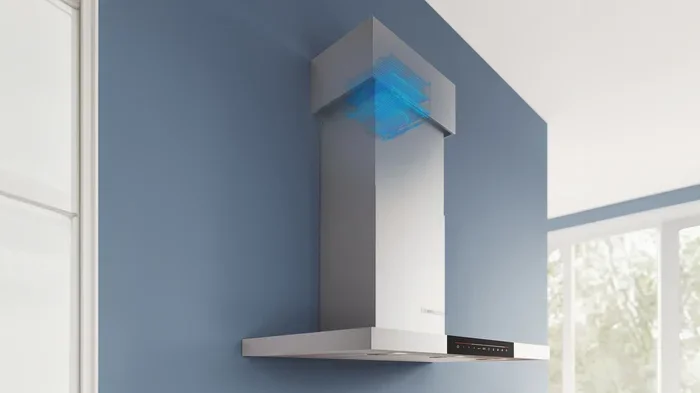
A wall exhaust fan does not have to be boring. Today’s market offers many designs that complement different kitchen aesthetics. If you have a modern kitchen, look for sleek stainless steel or matte black finishes. For a farmhouse or rustic look, choose a fan with a vintage-inspired design or a decorative shutter.
Some fans come with customizable grilles or color options so you can match them to your kitchen decor. Your fan should work hard, but it can also look great doing it. Taking the time to choose a style you love means you will enjoy the upgrade every time you walk into your kitchen.
Installation Tips for Kitchen Wall Exhaust Fans
Installing a wall exhaust fan is a project most DIYers can handle with basic tools and a little patience. However, proper installation is key to getting the best performance and avoiding problems down the road.
Choose the Right Location
Placement matters a lot. Ideally, your wall exhaust fan should be installed near the cooking area, ideally above the stove or cooktop. This allows the fan to capture smoke and grease before they spread across the kitchen.
Make sure there is enough clearance between the fan and the cooktop. Most manufacturers recommend at least 24 inches above a gas stove and 30 inches above an electric cooktop. Also, avoid placing the fan near windows or doors where drafts might interfere with its airflow.
Ensure Proper Ductwork
If you are installing a ducted fan, the duct should be as short and straight as possible. Every bend and joint reduces airflow and increases noise. Use rigid metal ducts instead of flexible ones whenever possible, as they provide better airflow and are less likely to trap grease.
Make sure the exterior vent has a backdraft damper. This prevents outside air, rain, and pests from entering your home when the fan is not running. A properly sealed duct run also improves efficiency and keeps your kitchen ventilation system performing at its best.
Secure Electrical Connections
Before starting any electrical work, turn off the power at the circuit breaker. Most wall exhaust fans require a dedicated circuit, especially models with high CFM ratings. Check the manufacturer’s instructions for specific wiring requirements.
If you are not comfortable working with electrical connections, hire a licensed electrician. A safe installation is more important than saving a few dollars. Once the fan is wired, test it at all speed settings and listen for any unusual noises before finishing the installation.
Seal and Insulate the Wall Opening
After mounting the fan, seal any gaps around the unit with caulk or foam tape. This prevents air leaks that can reduce efficiency and let outside air enter your kitchen. In colder climates, consider adding insulation around the duct penetration to prevent heat loss during winter months.
A well-sealed installation also reduces noise and prevents drafts. Taking these extra steps might seem small, but they make a noticeable difference in how well your fan performs over time.
Best Practices for Using Your Wall Exhaust Fan
Installing a kitchen wall exhaust fan is only half the battle. Using it correctly ensures you get the most out of your investment and keep your kitchen air quality high all year round.
Turn It On Before You Cook
One of the simplest habits that makes a big difference is turning on your fan before you start cooking. This way, the fan is already pulling air when smoke and steam begin to form. Waiting until the kitchen is already smoky means the fan has to work harder to catch up.
Make it a routine. When you turn on the stove, flip the fan on too. Over time, it becomes second nature, and your kitchen stays cleaner and fresher with minimal effort.
Run the Fan After Cooking
Do not turn off the fan the moment you turn off the stove. Let it run for 10 to 15 minutes after you finish cooking. This helps clear out any remaining smoke, steam, and odors that are still lingering in the air.
If your fan has a timer, set it to run automatically after cooking. Many modern wall exhaust fans include this feature, so you do not have to remember to turn it off manually. It is a small convenience that pays off in air quality.
Clean and Maintain Regularly
Like any appliance, your exhaust fan needs regular maintenance to perform well. Grease and dust build up on the fan blades and filters over time, reducing airflow and efficiency.
Here is a simple maintenance schedule:
- Weekly: Wipe down the exterior grille with a damp cloth to remove surface grease and dust.
- Monthly: Remove and clean or replace the grease filter. Soak it in warm, soapy water for best results.
- Every 3 to 6 months: Check the ductwork for any blockages or grease buildup.
- Annually: Inspect the fan motor and blades for wear. Lubricate moving parts if the manufacturer recommends it.
Staying on top of maintenance keeps your kitchen wall exhaust fan running smoothly and extends its lifespan. It also ensures that the air quality in your kitchen remains high, season after season.
Use the Right Speed for the Task
Most wall exhaust fans come with multiple speed settings. Use the low setting for light cooking like simmering or boiling. Switch to medium for sautéing or stir-frying. Reserve the high setting for heavy cooking like deep frying or searing meat.
Using the appropriate speed not only improves performance but also saves energy. Running the fan at full blast when it is not needed wastes electricity and adds unnecessary noise to your kitchen.
Common Mistakes to Avoid with Wall Exhaust Fans
Even with the best kitchen wall exhaust fan, mistakes can reduce its effectiveness. Here are the most common errors homeowners make and how to avoid them.
Undersizing the Fan
One of the biggest mistakes is buying a fan that is too small for the kitchen. A low-CFM fan in a large kitchen will struggle to keep up with cooking output. Always calculate your kitchen size and cooking habits before choosing a fan. When in doubt, go with a slightly higher CFM rating than you think you need.
Ignoring Duct Length and Bends
A powerful fan will not perform well if the duct run is too long or has too many bends. Each bend reduces airflow by a significant percentage. Keep the duct run as short and straight as possible to maximize the performance of your wall exhaust fan.
Forgetting to Replace Filters
Dirty filters restrict airflow and reduce the fan’s ability to remove grease and odors. Many homeowners forget about filter maintenance until the fan starts sounding weak or smelling bad. Set a reminder to check and replace your filters on a regular schedule.
Sealing the Kitchen Too Tightly
While energy efficiency is important, an overly sealed kitchen can create negative pressure when the exhaust fan is running. This can pull dangerous gases like carbon monoxide from other appliances back into the home. Make sure your kitchen has some way to introduce fresh air, such as a window or a passive air vent, when the fan is in use.
Expert Insights on Kitchen Wall Exhaust Fans
We spoke with several HVAC professionals about the best ways to improve kitchen air quality with a wall-mounted exhaust fan. Here is what the experts had to say.
Choose airflow over aesthetics: “Homeowners often pick a fan based on how it looks, but performance should always come first,” says one licensed contractor. “A beautiful fan that cannot move enough air is not doing its job.”
Consider a smart fan: “Smart exhaust fans with humidity sensors are a game changer,” adds another expert. “They turn on and off automatically based on the moisture level in your kitchen. You never have to think about it.”
Do not skip the damper: “A backdraft damper is essential,” one technician emphasizes. “Without it, outside air, insects, and even small animals can enter your home through the vent.”
These expert tips highlight the importance of function, automation, and proper sealing when choosing and installing a kitchen wall exhaust fan.
Final Thoughts on Kitchen Wall Exhaust Fan Ideas
A kitchen wall exhaust fan is more than just an appliance. It is an investment in the health, comfort, and longevity of your home. From removing harmful cooking byproducts to controlling moisture and keeping your kitchen smelling fresh, the benefits are clear and significant.
Whether you choose a ducted or ductless model, a high-CFM powerhouse or a quiet combination unit, the right fan will transform your cooking experience. Pair it with smart usage habits and regular maintenance, and you will enjoy cleaner air for years to come.
Take the time to evaluate your kitchen’s needs, pick the right wall exhaust fan, and enjoy the difference a well-ventilated kitchen can make. Your lungs, your cabinets, and your taste buds will all thank you.
Frequently Asked Questions
Can I install a kitchen wall exhaust fan myself?
Yes, if you have basic DIY skills and are comfortable with electrical work, you can install a wall exhaust fan yourself. However, if you are unsure about wiring or ductwork, it is best to hire a professional to ensure a safe and code-compliant installation.
How often should I clean the filters on my wall exhaust fan?
You should clean or replace the grease filter every 4 to 6 weeks if you cook frequently. For lighter cooking, once a month is usually sufficient. Regular cleaning keeps the fan running efficiently and prevents grease buildup in your ductwork.
What CFM rating do I need for a small kitchen?
For a small kitchen under 100 square feet, a fan with 100 to 150 CFM is typically sufficient. If you do a lot of high-heat cooking, consider going with a higher rating to ensure proper air removal and kitchen ventilation.
Is a ductless wall exhaust fan as effective as a ducted one?
No, ductless fans are less effective than ducted models. They recirculate air through filters rather than venting it outside, which means grease and odors are not fully removed. A ducted wall exhaust fan is the better choice for heavy cooking and long-term air quality.
Can a wall exhaust fan help reduce kitchen odors?
Absolutely. A kitchen wall exhaust fan is one of the best ways to remove cooking odors from your kitchen. By pulling stale air out and replacing it with fresh air, the fan eliminates smoke, grease smells, and other cooking odors quickly and effectively.
Are smart wall exhaust fans worth the extra cost?
Yes, smart fans offer convenience and efficiency. Features like humidity sensors, automatic operation, and remote control make it easier to maintain good air quality without thinking about it. If you want a hands-off approach to kitchen ventilation, a smart fan is a worthwhile investment.
=== CONCLUSION ===
A kitchen wall exhaust fan is one of the simplest upgrades that delivers the biggest impact for your home. It keeps your air clean, your surfaces grease-free, and your kitchen smelling fresh every single day. From choosing the right CFM rating to proper installation and regular maintenance, every step matters. Use the ideas and tips in this guide to find the perfect fan for your space and enjoy a healthier, more comfortable kitchen for years to come.