The blue zones american kitchen holds the secrets to a longer, healthier life. By adopting simple habits like eating more plant-based meals, cooking at home, and practicing mindful eating, anyone can transform their daily meals. These longevity-boosting kitchen practices come straight from the world’s longest-living communities. Small changes in your cooking routine can lead to big health gains over time.
Have you ever wondered why people in certain parts of the world live well past 100? The answer might be sitting right in your kitchen. The blue zones american kitchen concept brings together the wisdom of the world’s longest-living communities and adapts it for everyday American home cooking. These five regions, known as blue zones, include Okinawa in Japan, Sardinia in Italy, Nicoya in Costa Rica, Ikaria in Greece, and Loma Linda in California. What they all share is a way of eating and cooking that fuels remarkable longevity.
You do not need to travel across the world to benefit from these habits. In fact, you can start transforming your kitchen tonight. The blue zones american kitchen approach is simple, practical, and backed by decades of research. It is not about strict diets or complicated recipes. It is about building a kitchen environment that naturally supports a longer, healthier life.
In this article, we will explore the core habits that make the blue zones american kitchen so powerful. You will learn what foods to prioritize, how to change your cooking routines, and why small shifts in your daily meals can lead to big health outcomes. Whether you are a seasoned cook or someone who barely uses their stove, there is something here for you.
Key Takeaways
- Plant-based meals matter: The blue zones american kitchen focuses on whole foods, legumes, and fiber-rich ingredients that support longevity.
- Home cooking is a game-changer: Preparing meals at home gives you full control over ingredients, portions, and nutrition.
- Mindful eating extends life: Eating slowly, stopping at 80% full, and sharing meals with others are core blue zones habits.
- Small kitchen swaps add up: Replacing processed foods with whole grains, healthy fats, and natural sweeteners makes a big difference.
- Social dining boosts well-being: Eating with family and friends reduces stress and promotes healthier food choices.
- It is never too late to start: You do not need to move to a blue zone to benefit from their kitchen habits.
📑 Table of Contents
What Are Blue Zones and Why Do They Matter?
The term blue zones was coined by researcher Dan Buettner. He identified five regions around the world where people live the longest, healthiest lives. These communities share common lifestyle patterns, and their kitchens play a central role. The blue zones american kitchen concept takes these patterns and makes them accessible for people living in the United States.
The Five Blue Zones
Each blue zone has its own unique food culture, but they all overlap in important ways. Here is a quick look at each region:
- Okinawa, Japan: Known for sweet potatoes, tofu, and a concept called hara hachi bu, which means eating until 80% full.
- Sardinia, Italy: Home to some of the world’s longest-living men. Their diet centers on whole grains, legumes, and olive oil.
- Nicoya, Costa Rica: Relies on corn tortillas, black beans, and tropical fruits as dietary staples.
- Ikaria, Greece: Follows a Mediterranean diet rich in vegetables, fish, and herbal teas.
- Loma Linda, California: A community of Seventh-day Adventists who eat plant-based meals and practice mindful eating.
What ties all these regions together is not just food. It is a way of life. But the kitchen is where it all begins. The blue zones american kitchen captures this spirit and translates it into habits that work for American families.
Core Blue Zones Kitchen Habits for Americans
The blue zones american kitchen is built on a few simple but powerful habits. These are not fancy cooking techniques or expensive ingredients. They are everyday practices that anyone can adopt. Let us break them down.
Cook More Meals at Home
One of the biggest differences between blue zones communities and modern American life is home cooking. People in blue zones prepare most of their meals from scratch. This gives them complete control over what goes into their food. When you cook at home, you use less salt, sugar, and processed oils. You also eat more whole foods, which are packed with nutrients.
You do not need to cook every meal from zero. Start with just two or three home-cooked dinners per week. Use simple whole foods like vegetables, beans, and grains. Over time, home cooking becomes second nature.
Eat More Plant-Based Meals
The blue zones american kitchen is overwhelmingly plant-based. Meat is used as a flavoring or a side dish, not the center of the plate. On average, people in blue zones eat meat only about five times per month. Their meals are built around vegetables, fruits, legumes, and whole grains.
This does not mean you must become a vegetarian. The key is shifting the balance. Try making one or two dinners each week completely plant-based. A hearty lentil soup or a vegetable stir-fry can be just as satisfying as a meat-centered meal.
Practice Mindful Eating
In blue zones, meals are not rushed. People sit down, savor their food, and eat with others. This practice, known as mindful eating, helps the body recognize when it is full. It also reduces stress and improves digestion. The Okinawan concept of hara hachi bu is a perfect example. It encourages people to stop eating when they are about 80% full.
Try putting your fork down between bites. Turn off the TV during dinner. Focus on the flavors and textures of your food. These small changes can transform your relationship with meals.
Blue Zones Diet: What to Eat More Of
The blue zones american kitchen relies on a handful of staple foods that appear in nearly every longevity diet. These foods are affordable, easy to find, and incredibly nutritious. Let us look at what should fill your pantry and fridge.
Whole Grains and Fiber-Rich Foods
Whole grains are a cornerstone of the blue zones american kitchen. Foods like oats, brown rice, quinoa, and whole wheat bread provide sustained energy and plenty of fiber. Fiber is essential for gut health, which researchers now link to overall longevity.
Swap white bread for whole grain bread. Choose brown rice over white rice. Start your morning with a bowl of oatmeal topped with fruit. These simple swaps add up to big health benefits over time.
Legumes: The Ultimate Longevity Food
If there is one food group that appears in every blue zone, it is legumes. Beans, lentils, chickpeas, and peas are staples in all five regions. They are rich in protein, fiber, and complex carbohydrates. Studies show that people who eat legumes regularly have lower rates of heart disease and obesity.
Add a cup of beans to soups, salads, or stews. Make a simple black bean soup for dinner. Hummus made from chickpeas is an easy and delicious snack. Legumes are cheap, filling, and incredibly versatile.
Healthy Fats from Natural Sources
Not all fats are created equal. The blue zones american kitchen favors healthy fats from whole food sources. Olive oil is the primary fat in Mediterranean blue zones. Nuts, seeds, and avocados provide healthy fats in other regions. These fats support heart health, brain function, and reduced inflammation.
Use olive oil as your main cooking fat. Snack on a handful of nuts each day. Add avocado slices to sandwiches or salads. Avoid processed vegetable oils and trans fats, which are linked to chronic disease.
Cruciferous Vegetables and Leafy Greens
Vegetables like broccoli, kale, spinach, and cabbage are powerhouses of nutrition. They are rich in vitamins, minerals, and antioxidants that protect cells from damage. In blue zones communities, vegetables make up the largest portion of every meal.
Try to fill half your plate with vegetables at lunch and dinner. Steam them lightly to preserve nutrients. Add leafy greens to smoothies, soups, and stir-fries. The more variety, the better.
Fermented Foods for Gut Health
Fermented foods like yogurt, miso, sauerkraut, and kefir are common in blue zones diets. These foods contain probiotics, which support a healthy gut microbiome. A strong gut is linked to better immunity, mental health, and longevity.
Add a small serving of fermented food to one meal each day. Greek yogurt makes a great breakfast. Sauerkraut pairs well with sandwiches and salads. Miso soup is a quick and comforting dinner option.
Blue Zones Kitchen Habits You Can Start Today
The beauty of the blue zones american kitchen is that it does not require a complete lifestyle overhaul. Small, consistent changes create lasting results. Here are practical habits you can begin implementing right away.
Build a Blue Zones Pantry
Start by stocking your kitchen with the right ingredients. A well-stocked pantry makes healthy cooking easier and faster. Here is a simple shopping list to get you started:
- Dried beans and lentils
- Whole grain oats and brown rice
- Olive oil and vinegar
- Nuts and seeds
- Canned tomatoes and vegetables
- Herbs and spices (turmeric, garlic, rosemary)
- Whole grain bread and pasta
- Frozen vegetables for convenience
When your kitchen is filled with these whole foods, you naturally reach for them instead of processed snacks. This is one of the most powerful habits in the blue zones american kitchen approach.
Meal Prep the Blue Zones Way
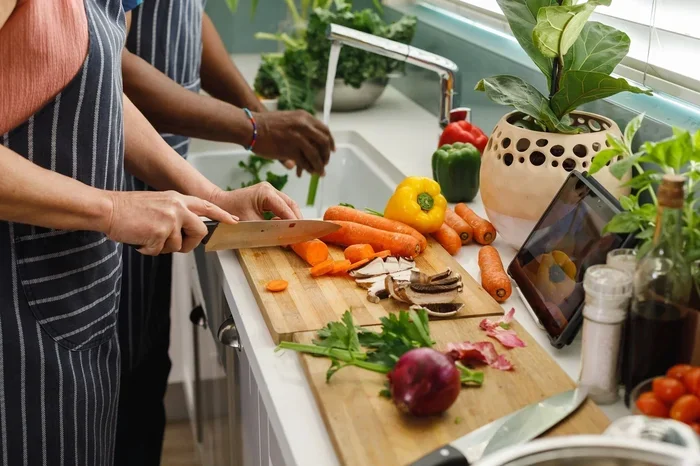
Meal prep does not have to be complicated. In blue zones communities, cooking is often a social activity. Families and neighbors prepare food together. You can adopt this by setting aside one day a week to prep simple meals.
Cook a large pot of beans. Roast a tray of mixed vegetables. Prepare a grain salad for the week. Store portions in containers so you always have a healthy meal ready. This saves time and prevents the temptation of fast food on busy days.
Embrace the Slow Food Movement
The slow food movement shares many values with the blue zones lifestyle. It encourages people to cook slowly, enjoy the process, and share meals with others. In a world of fast food and drive-through dinners, slowing down is a radical act of self-care.
Try cooking one meal per week without any distractions. No phone, no TV, no rushing. Focus on the aromas, textures, and flavors. Invite a family member or friend to join you. This simple practice can transform your relationship with food.
Grow What You Can
Many blue zones communities grow their own food. Even a small herb garden on a windowsill can make a difference. Fresh herbs add flavor without salt or processed sauces. They also connect you to the food you eat in a meaningful way.
Start with easy-to-grow herbs like basil, mint, and rosemary. If you have space, try growing tomatoes, peppers, or lettuce. Gardening is also a form of gentle exercise that supports overall health.
Reduce Sugar and Processed Foods
One of the biggest differences between the blue zones american kitchen and the standard American diet is the amount of added sugar and processed food. In blue zones, natural sweeteners like honey are used sparingly. Processed snacks are virtually nonexistent.
Read ingredient labels before buying packaged foods. Avoid items with long lists of unrecognizable ingredients. Replace sugary drinks with water, herbal tea, or black coffee. These changes alone can dramatically improve your health over time.
How to Adapt Blue Zones Eating for the American Lifestyle
Let us be honest. The American lifestyle is fast-paced, convenience-driven, and often at odds with the blue zones way of living. But that does not mean you cannot adapt these principles. The blue zones american kitchen is all about finding practical ways to bring longevity habits into your daily routine.
Plan Your Meals Around Plants
When planning your weekly meals, start with vegetables, legumes, and whole grains. Build your protein around beans and nuts rather than meat. This simple shift in planning changes everything about what ends up on your plate.
Try the 80/20 approach. Make 80% of your meals plant-based and 20% include quality animal proteins like fish or free-range poultry. This keeps things realistic and sustainable for long-term health.
Make Family Meals a Priority
In blue zones communities, meals are a social event. Families eat together, share stories, and connect over food. Research shows that regular family meals are linked to better nutrition, lower rates of obesity, and improved mental health in children and adults.
Set a goal to eat at least one meal together as a family each day. It does not have to be dinner. A shared breakfast or weekend lunch works too. The key is creating a space where food brings people together.
Use Herbs and Spices Instead of Salt
Excess sodium is a major health concern in the American diet. The blue zones american kitchen relies on herbs and spices to add flavor without the health risks of too much salt. Garlic, turmeric, rosemary, oregano, and cinnamon are all staples in blue zones cooking.
Experiment with new spice blends. Try a simple mix of garlic, onion powder, and paprika for seasoning vegetables. Use fresh herbs in salads and soups. Your taste buds will adjust, and you will start to prefer the natural flavors of whole foods.
Keep Portions in Check
Portion control is one of the most underrated longevity habits. In blue zones, meals are modest in size. People eat until they are satisfied, not stuffed. Using smaller plates and bowls can help naturally reduce portion sizes without feeling deprived.
Serve your meals on smaller dishes. Wait 20 minutes before going back for seconds. Drink a glass of water before eating. These small tricks make a big difference in how much you consume.
Practice the 80% Rule
The Okinawan practice of hara hachi bu is one of the most studied longevity habits. It means eating until you are 80% full, not 100%. This gives your body time to register fullness before you overeat. In the blue zones american kitchen, this translates to serving smaller portions and pausing halfway through your meal.
Put your fork down between bites. Chew slowly and thoroughly. Pay attention to how your body feels. Over time, you will learn to recognize the difference between satisfied and stuffed.
The Science Behind Blue Zones Longevity
The blue zones american kitchen habits are not just folk wisdom. They are supported by a growing body of scientific research. Studies have shown that plant-based diets rich in whole foods reduce the risk of heart disease, diabetes, and certain cancers. The fiber in legumes and whole grains supports a healthy gut microbiome, which plays a role in immune function and inflammation.
Researchers have also found that social dining and mindful eating reduce cortisol levels, the stress hormone linked to aging. Cooking at home is associated with higher diet quality and lower calorie intake compared to eating out. Even the act of growing and preparing food has been linked to improved mental well-being.
The key takeaway is this: longevity is not about a single superfood or miracle supplement. It is about the cumulative effect of daily habits. The blue zones american kitchen captures this cumulative effect in a way that is practical and sustainable for Americans.
Common Mistakes to Avoid
When people try to adopt blue zones habits, they often make a few common mistakes. Here is what to watch out for:
- Trying to change everything at once: Start with one or two habits. Build from there gradually.
- Buying expensive superfoods: The blue zones staples are simple and affordable. Beans, oats, and vegetables are some of the cheapest foods you can buy.
- Ignoring the social aspect: Cooking and eating alone misses a key component of the blue zones lifestyle. Share meals whenever possible.
- Being too rigid: Perfection is not the goal. Consistency matters more than being flawless.
- Skipping fermented foods: These support gut health, which is a cornerstone of longevity. Do not overlook them.
Quick Tips for a Blue Zones American Kitchen
Here are some quick, actionable tips to bring the blue zones american kitchen into your home today:
- Add one extra serving of vegetables to every dinner.
- Replace one meat-based dinner with a bean or lentil dish each week.
- Keep a jar of mixed nuts on the counter for healthy snacking.
- Use olive oil instead of butter for cooking and dressing.
- Eat at least one meal without screens or distractions.
- Try a new whole grain you have never cooked before.
- Make a big pot of soup or stew on the weekend for easy weekday meals.
- Drink water as your primary beverage throughout the day.
Conclusion
The blue zones american kitchen offers a clear and achievable path to better health and longer life. It is not about following a strict diet or buying expensive ingredients. It is about building a kitchen and a lifestyle that naturally supports your well-being. The core habits are simple: eat more plants, cook at home, practice mindful eating, and share meals with the people you love.
You do not need to live in a blue zone to benefit from these practices. Start with one small change this week. Maybe it is cooking a bean soup for dinner. Maybe it is eating your first meal of the day without your phone. Every small step counts. The blue zones american kitchen is not a destination. It is a way of living that you build one meal at a time.
Your kitchen is the most powerful tool you have for improving your health. Fill it with whole foods, use it with intention, and share the experience with others. That is the real secret to a longer, happier life. It has been hiding in plain sight all along, waiting for you to unlock it.
Frequently Asked Questions
What exactly are blue zones and how do they relate to the American kitchen?
Blue zones are five regions around the world where people live the longest, healthiest lives. The blue zones american kitchen takes the eating and cooking habits from these regions and adapts them for everyday American home life. It is a practical way to bring longevity-boosting habits into your daily routine without completely changing your lifestyle.
Do I need to become a vegetarian to follow blue zones kitchen habits?
No, you do not need to give up meat entirely. The blue zones american kitchen approach focuses on making plant-based foods the center of your meals, with meat used as a side dish or flavoring. Most people in blue zones eat meat only a few times per month, but the goal is to shift your overall balance toward whole, plant-rich foods.
What are the most important foods to keep in a blue zones kitchen?
The staple foods include beans and legumes, whole grains like oats and brown rice, olive oil, nuts and seeds, fresh vegetables, fermented foods like yogurt and sauerkraut, and herbs and spices for flavor. These foods are affordable, widely available, and form the foundation of the blue zones american kitchen approach.
How long does it take to see health benefits from adopting blue zones kitchen habits?
Some benefits like improved energy and better digestion can be felt within a few weeks. Long-term benefits like reduced risk of heart disease and improved longevity develop over months and years of consistent practice. The key is to start small and stay consistent with your new habits.
Can blue zones kitchen habits help with weight loss?
Yes, many people experience healthy weight management when they adopt blue zones american kitchen habits. The focus on whole, fiber-rich foods, plant-based meals, and mindful eating naturally supports a healthy weight. These habits promote satiety, reduce calorie intake from processed foods, and improve overall metabolism over time.
Is it expensive to cook like the blue zones communities?
Not at all. The blue zones american kitchen is built around affordable staples like beans, lentils, oats, rice, and seasonal vegetables. These are some of the cheapest foods available. Cooking at home is generally less expensive than eating out or buying processed convenience foods. The key is planning and using simple, whole ingredients.