
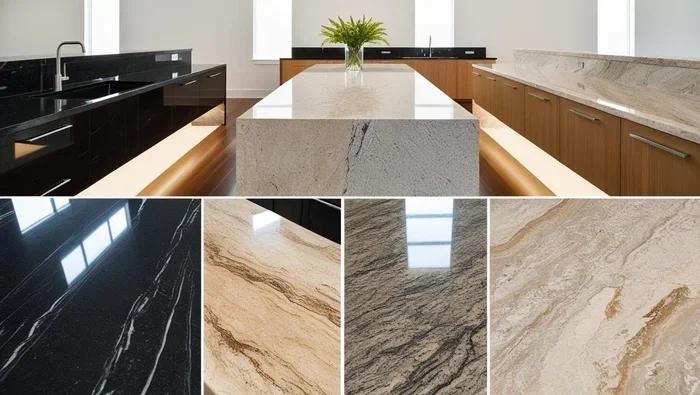
Discover all the different types of kitchen counters available on the market today. From granite and quartz to laminate and butcher block, this guide covers every material you need to consider. Learn about costs, durability, maintenance, and which option fits your kitchen best. Whether you are remodeling or building new, this guide has you covered.
Your kitchen counters take a lot of daily abuse. They hold hot pots, sharp knives, spilled sauces, and heavy appliances. That is exactly why picking the right surface matters so much. The good news is that there are many different types of kitchen counters to choose from today. Each material brings its own look, feel, and level of durability to the table.
Whether you are planning a full kitchen renovation or just swapping out a single section, understanding your options helps you make a smart decision. Some materials shine in high-traffic kitchens. Others work better for quiet, low-maintenance homes. This guide walks you through every major option so you can pick with confidence.
We will cover popular choices like granite countertops and quartz countertops. We will also look at budget-friendly picks and unique options you might not have considered. By the end, you will know exactly which surface fits your kitchen, your style, and your wallet.
Key Takeaways
- Granite and quartz are the top choices for durability and elegance in kitchen countertop materials.
- Laminate counters offer the most affordable option without sacrificing style.
- Butcher block and soapstone bring a warm, natural feel to modern and rustic kitchens alike.
- Concrete and tile counters are excellent for unique, custom kitchen counter ideas.
- Stainless steel remains a favorite in professional and minimalist kitchen designs.
- Your budget, lifestyle, and kitchen style should guide your final choice.
- Proper countertop maintenance extends the life of any material significantly.
📑 Table of Contents
- Why Your Kitchen Countertop Material Matters
- Granite Counters: A Timeless Favorite
- Quartz Counters: The Modern Workhorse
- Marble Counters: Elegance With Character
- Laminate Counters: Affordable and Versatile
- Butcher Block and Warm Wood Surfaces
- Concrete, Tile, and Specialty Counters
- How to Choose the Right Counter for Your Kitchen
- Maintenance Tips for Different Countertop Materials
- Common Mistakes to Avoid When Choosing Kitchen Counters
- The Future of Kitchen Counter Materials
- Final Thoughts on Choosing Kitchen Counters
Why Your Kitchen Countertop Material Matters
The material you choose affects more than just looks. It impacts how easy your counters are to clean. It affects how long they last. It even changes the feel of your entire cooking space. That is why understanding kitchen countertop materials before you buy is so important.
Think about your daily routine. Do you cook every day? Do you have kids who use the counter as a workspace? Do you entertain guests often? Your answers to these questions shape which material works best for you. A busy family kitchen needs something tough and stain-resistant. A stylish baking nook might benefit from a warm, natural surface.
Durability and Daily Use
Not all surfaces handle wear the same way. Granite countertop options and quartz kitchen surfaces rank among the hardest and most resistant to scratches. Marble, while beautiful, scratches and etches more easily. Laminate holds up well but can chip at the edges over time.
Here is a quick look at how common materials hold up under daily use:
- Granite: Very hard. Resists scratches and heat well.
- Quartz: Non-porous surface resists stains and bacteria.
- Marble: Elegant but softer. Prone to etching from acids.
- Laminate: Good for light use. Can chip or swell with water damage.
- Butcher Block: Warm and sturdy. Needs regular oiling.
- Concrete: Extremely strong. Can crack if not properly sealed.
Budget Considerations
Your budget plays a big role in narrowing down budget kitchen counters. Natural stone like granite and marble tends to cost more upfront. But it often adds significant home value. Quartz sits in the middle range and offers great long-term value. Laminate is the clear winner for those watching their spending closely.
Keep in mind that installation costs vary too. Some materials need professional fitting. Others can be installed as DIY projects. Always get at least three quotes before committing to a countertop cost estimate.
Granite Counters: A Timeless Favorite
Granite countertops have been a kitchen staple for decades. They bring a natural, elegant look that never goes out of style. Each slab is unique, with its own pattern, color, and veining. That means your kitchen gets a one-of-a-kind surface.
Why Homeowners Love Granite
Granite is a natural igneous rock formed deep in the earth. It is incredibly hard and resists scratches from knives and tools. It handles high heat well, so you can place a hot pan directly on the surface without worry.
Here are some key benefits of choosing granite for your kitchen counters:
- Natural beauty with unique patterns in every slab
- Excellent heat resistance
- Very scratch-resistant
- Adds value to your home
- Available in many colors and finishes
Things to Keep in Mind
Granite is porous, which means it can absorb liquids if not sealed properly. You should reseal your granite every one to two years. Without sealing, oils and pigments from food can cause stains. Some darker granites are denser and need sealing less often than lighter ones.
Another consideration is weight. Granite is heavy, so your cabinets need to be sturdy enough to support it. A professional installation is strongly recommended for most homeowners.
Quartz Counters: The Modern Workhorse
Quartz countertops have surged in popularity over the last decade. Unlike granite, quartz is an engineered material. It is made from natural quartz crystals mixed with resins and pigments. The result is a surface that looks stunning and performs incredibly well.
Benefits of Quartz
Quartz is non-porous, which means it does not absorb liquids or bacteria. You do not need to seal it. This makes it one of the easiest low maintenance countertops available today. Spills wipe up quickly, and stains have a hard time setting in.
Here is what makes quartz a top pick for many kitchens:
- Consistent color and pattern across the entire slab
- No sealing required
- Resists stains from wine, coffee, and oils
- Kills bacteria naturally
- Comes in a wide range of colors and styles
Quartz vs. Granite
Many homeowners compare quartz vs granite when choosing their surface. Both are excellent choices, but they serve different needs. Quartz requires less maintenance and offers more uniform patterns. Granite offers a more natural, organic look and handles heat slightly better.
Neither material is clearly better than the other. Your choice depends on your priorities. If you want easy care and a consistent look, go with quartz. If you love the natural stone aesthetic and do not mind some upkeep, granite is a great pick.
Marble Counters: Elegance With Character
Marble countertops bring a luxurious, classic feel to any kitchen. This natural stone has been used in homes and buildings for thousands of years. Its soft veining and cool surface make it a favorite among designers and homeowners alike.
The Beauty of Marble
Marble has a timeless elegance that few other materials can match. It works beautifully in both traditional and modern kitchen designs. White marble with gray veining is especially popular and creates a bright, airy feel.
However, marble is a softer stone compared to granite or quartz. It scratches more easily and reacts with acidic substances like lemon juice and vinegar. These reactions cause etching, which looks like dull spots on the surface.
Who Should Choose Marble?
Marble is ideal for homeowners who love its look and are willing to care for it properly. It works well in kitchens where counters are not used heavily for food prep. Many people use marble as a baking surface because the cool temperature is perfect for working with dough.
If you choose marble, seal it regularly and clean spills quickly. With proper care, marble counters can last for decades and look absolutely stunning.
Laminate Counters: Affordable and Versatile
Laminate countertops are the go-to choice for budget-conscious homeowners. They are made from layers of kraft paper bonded with resin and topped with a decorative layer. The result is a durable, attractive surface at a fraction of the cost of natural stone.
Why Laminate Still Makes Sense
Laminate has come a long way in recent years. Modern laminate surfaces look incredibly realistic. You can find options that mimic granite, marble, and even concrete. The variety of colors and patterns is practically endless.
Here are the main advantages of laminate for your kitchen worktop options:
- Very affordable compared to stone and quartz
- Easy to clean and maintain
- Huge selection of colors and designs
- Lightweight and easier to install
- Resistant to most household stains
Limitations to Know
Laminate is not without its drawbacks. It can chip at the edges if hit hard. It is not heat-resistant, so you should always use a trivet. Prolonged exposure to water can cause the edges to swell or bubble.
Despite these limitations, laminate remains one of the most practical choices for many households. It is especially great for rental properties, vacation homes, and kitchens where the counter does not need to look like high-end stone.
Butcher Block and Warm Wood Surfaces
Butcher block countertops bring warmth and character to any kitchen. Made from hardwood strips glued together, these surfaces create a cozy, inviting feel. They are especially popular in farmhouse, rustic, and Scandinavian-style kitchens.
The Appeal of Wood Counters
Wood counters are gentle on knives, which makes them a favorite among home cooks who do a lot of chopping and prep work. They are also repairable. Scratches and cuts can be sanded out and the surface refinished. This is a big advantage over stone and laminate.
Common wood choices include maple, oak, walnut, and bamboo. Each brings a different look and level of hardness. Maple is the most popular for its durability and light color. Walnut adds a rich, dark tone that looks stunning in modern kitchens.
Maintenance Is Key
Wood counters require regular maintenance to stay in good shape. You should oil them every few weeks to keep the wood hydrated and protected. Cutting directly on the surface is fine, but you should avoid soaking the wood in water. Use a cutting board for heavy chopping to preserve the surface.
With proper care, a butcher block counter can last for many years and develop a beautiful patina over time. It is one of the most charming options in the world of kitchen counter ideas.
Concrete, Tile, and Specialty Counters
Beyond the mainstream options, there are some unique materials that can make your kitchen truly stand out. Concrete countertops and tile counters offer customization and creativity that few other materials can match.
Concrete Counters
Concrete kitchen surfaces are incredibly strong and fully customizable. You can choose the color, texture, and even embed objects into the surface during casting. Concrete pairs beautifully with industrial and modern kitchen designs.
These counters are very heat-resistant and nearly indestructible. However, they are heavy and can crack if not properly reinforced. Professional fabrication is essential for concrete counters. The cost is moderate to high, depending on the complexity of the design.
Tile Counters
Tile countertops offer a budget-friendly way to create custom patterns and colors. Ceramic and porcelain tiles are the most common choices. You can mix and match tile sizes, shapes, and colors to create a truly unique look.
The downside is that tile has grout lines, which can collect grime and stains. Sealing the grout regularly helps protect the surface. Tile counters work well in casual kitchens and add a playful, personalized touch.
Stainless Steel Counters
Stainless steel countertops are a staple in professional kitchens. They are hygienic, heat-resistant, and incredibly durable. The brushed steel finish hides fingerprints better than polished steel, which is why most homeowners choose it for residential kitchens.
Stainless steel scratches more easily than stone, but the scratches blend into the matte finish over time. It is a great choice for minimalist and modern kitchen designs where function matters most.
How to Choose the Right Counter for Your Kitchen
With so many options, choosing the right surface can feel overwhelming. Here is a simple framework to help you decide. Think about your lifestyle, your budget, and your style preferences. The best counter is the one that fits your daily life.
Match the Material to Your Lifestyle
If you cook heavily every day, prioritize durability and easy care. Quartz and granite are excellent choices. If you have young children, consider surfaces that are easy to clean and repair. If you love the natural warmth of wood, butcher block might be your perfect match.
Consider also how much time you want to spend on maintenance. If you want a surface that barely needs attention, quartz and laminate are your best bets. If you enjoy the ritual of caring for a natural material, marble or butcher block can be very rewarding.
Consider Your Kitchen Style
The countertop should complement your kitchen design. White quartz works beautifully in bright, modern kitchens. Dark granite adds drama to contemporary spaces. Light marble creates a classic, European feel. Warm wood counters bring coziness to rustic and farmhouse kitchens.
Take a look at your cabinets, flooring, and wall colors before you decide. The best kitchen counter ideas come from a cohesive design vision. Bring samples home and place them in your kitchen at different times of day to see how the light affects them.
Get Professional Advice
Do not be afraid to consult with a countertop professional or kitchen designer. They can help you understand the pros and cons of each material for your specific situation. Many suppliers offer free consultations and can show you actual slabs in person. Seeing and touching the material makes a big difference in your decision.
Maintenance Tips for Different Countertop Materials
Proper care keeps your counters looking great for years. Each material has different maintenance needs, so here is a quick guide to help you take care of your investment.
Stone Counters (Granite, Marble, Quartz)
- Clean with mild soap and water daily
- Avoid abrasive cleaners that can dull the surface
- Seal granite and marble regularly
- Wipe up spills quickly, especially acidic ones
- Use cutting boards to prevent scratches
Laminate Counters
- Use gentle cleaners to avoid damaging the surface
- Always use a trivet for hot items
- Dry standing water quickly to prevent swelling
- Repair chips with laminate repair kits
Wood Counters
- Oil the surface every two to four weeks
- Sand and re-oil when scratches appear
- Never soak the wood in water
- Use a cutting board for heavy chopping
Concrete and Stainless Steel
- Re-seal concrete counters every one to two years
- Use a non-abrasive cleaner on stainless steel
- Buff out minor scratches on steel with a soft cloth
- Avoid dropping heavy objects on concrete
Expert Insight
Many homeowners underestimate the importance of sealing. Even the most durable stone can stain if the sealant wears off. Set a reminder to reseal your counters every year or two. This simple habit saves you from costly repairs and keeps your surface looking brand new.
Common Mistakes to Avoid When Choosing Kitchen Counters
Choosing a countertop is a big decision. Here are some common mistakes that homeowners make and how to avoid them.
Choosing Based on Looks Alone
It is easy to fall in love with a beautiful slab in a showroom. But beauty does not always mean practicality. Consider how you actually use your kitchen. A stunning marble counter might look amazing, but it could be frustrating if you cook with lots of acidic ingredients every day.
Ignoring the Edge Profile
The edge profile affects both the look and the safety of your counter. A sharp, thin edge looks sleek but can be a hazard. A rounded or bullnose edge is safer, especially in family kitchens. Many suppliers offer edge profiles at no extra cost, so explore your options.
Skipping the Undermount Option
If you choose stone or quartz, consider an undermount sink. This mounting style creates a seamless look and makes cleaning easier because there is no rim to trap debris. It is a small upgrade that makes a big difference in daily use.
Not Measuring Accurately
Measure your kitchen carefully before ordering. Even small measurement errors can lead to costly rework. Account for sink cutouts, stove cutouts, and any unusual wall angles. A professional installer can handle this, but it helps to have accurate measurements ready.
The Future of Kitchen Counter Materials
The world of kitchen countertop materials is always evolving. New innovations are making surfaces more durable, sustainable, and beautiful than ever before. Keep an eye on these emerging trends as you plan your kitchen.
Recycled glass countertops are gaining popularity for eco-conscious homeowners. They are made from recycled glass pieces set in resin, creating a colorful and unique surface. Paper-based counters, made from recycled paper and resin, are another sustainable option that is surprisingly durable.
Engineered surfaces are also getting smarter. Some quartz brands now offer antimicrobial surfaces that actively kill bacteria. Others are developing ultra-thin slabs that are lighter and easier to install without sacrificing strength. These innovations make it easier than ever to find a surface that matches both your values and your style.
Final Thoughts on Choosing Kitchen Counters
Choosing among the many different types of kitchen counters is an exciting part of any kitchen project. You have so many great options, from the timeless beauty of granite to the easy care of quartz, the warmth of wood, and the creativity of concrete and tile.
The best choice is the one that fits your life. Consider how you use your kitchen, what style you love, and what you are willing to spend on maintenance. Take your time, do your research, and do not be afraid to ask questions. A well-chosen counter can elevate your entire kitchen and bring you joy for years to come.
Start by visiting local suppliers and seeing the materials in person. Request samples and hold them in your kitchen light. Talk to installers and get real-world advice. With the right information, you will find the perfect kitchen counters that make your space both beautiful and functional.
Frequently Asked Questions
What is the most durable type of kitchen counter?
Quartz and granite are widely considered the most durable options. Quartz is non-porous and resists stains, while granite handles heat and scratches extremely well. Both materials can last 20 years or more with proper care.
What is the cheapest option for kitchen counters?
Laminate countertops are the most affordable choice. They cost significantly less than stone, quartz, or wood. Tile counters are another budget-friendly option if you are willing to handle grout maintenance.
How often should I seal my kitchen counters?
Granite and marble should be resealed every one to two years. Quartz does not need sealing because it is non-porous. Concrete counters should be resealed annually for best protection against stains and moisture.
Can I install kitchen counters myself?
Laminate counters are the most DIY-friendly option. Stone, quartz, and concrete are very heavy and require professional installation. If you are unsure, it is always safest to hire an experienced installer to avoid costly mistakes.
Which kitchen counter is best for a busy family?
Quartz countertops are ideal for busy families. They resist stains, do not need sealing, and are easy to clean. Granite is another great option if you want natural stone with excellent durability.
Are butcher block counters hygienic for food preparation?
Yes, when properly maintained. Butcher block should be oiled regularly and sanded when needed. Many professional chefs prefer wood surfaces for cutting because they are gentle on knives. Just be sure to clean the surface thoroughly after each use.
=== CONCLUSION ===
Selecting the right different types of kitchen counters is one of the most impactful decisions you can make for your home. The material you choose shapes the look, feel, and function of your kitchen every single day. Whether you go with the classic elegance of granite, the modern convenience of quartz, the warm charm of butcher block, or the affordability of laminate, the key is to choose what works for your life.
Take the time to explore your options, compare costs, and think about your long-term goals. A great countertop is an investment that pays off in beauty, durability, and daily enjoyment. Start your kitchen counter journey today and find the perfect surface for your home.

