
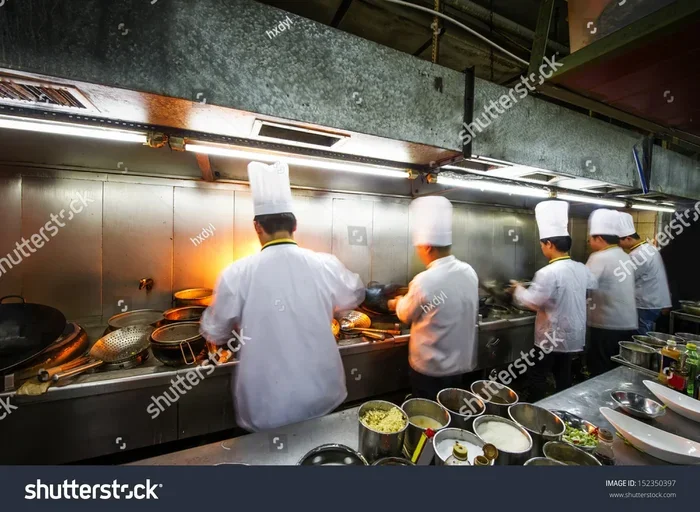
The phrase “too many cooks in the kitchen” warns us that too many people working on the same task can create confusion and chaos. This article breaks down the meaning, origins, and real-life impact of this common saying. You will learn how to manage kitchen dynamics, avoid conflicts, and cook better together with simple teamwork strategies.
Key Takeaways
- Clear Roles Matter: Assigning specific tasks prevents confusion and boosts efficiency in any kitchen.
- Communication Is Key: Talking openly about plans and expectations keeps things running smoothly.
- Too Many Cooks Can Hurt Quality: Overcrowding a cooking space often leads to mistakes and inconsistent results.
- Small Teams Work Best: Keeping the cooking crew manageable leads to faster and more enjoyable meal prep.
- Conflict Is Normal: Disagreements happen, but they can be resolved with patience and respect.
- Start Simple: Choose easy recipes like a Greek Salad In A Jar when cooking with a group to reduce stress.
📑 Table of Contents
- What Does “Too Many Cooks in the Kitchen” Really Mean?
- The Origin and History of the Phrase
- Why Too Many Cooks Cause Problems
- When Too Many Cooks Actually Work
- How to Manage Multiple Cooks in the Kitchen
- Common Mistakes People Make When Cooking in Groups
- The Psychology Behind Kitchen Conflicts
- Quick Tips for Better Group Cooking
- Final Thoughts on Too Many Cooks in the Kitchen
What Does “Too Many Cooks in the Kitchen” Really Mean?
You have probably heard the saying “too many cooks in the kitchen” before. Maybe someone said it when your family tried to make dinner together last holiday. Or perhaps you have felt it yourself when too many people tried to stir the same pot at the same time.
At its core, this phrase means that when too many people try to manage or control the same task, things go wrong. It applies to cooking, yes. But it also applies to work projects, group decisions, and even family plans. The idea is simple: more people do not always mean better results.
This old saying has been around for centuries. People have always known that teamwork is great, but only when it is done right. When everyone has a clear role and a shared plan, cooking together can be fun. When nobody leads or too many people give orders, chaos takes over. Understanding this balance is the first step to better kitchen teamwork.
The Origin and History of the Phrase
The phrase “too many cooks in the kitchen” has deep roots in English-speaking culture. It first appeared in print in the early 1800s. The idea behind it comes from the simple truth that a crowded kitchen slows things down. Back then, large families and busy households knew this all too well.
Early Usage in Literature
Writers in the 19th century used this phrase to describe situations where too many people tried to take charge. It showed up in plays, novels, and even political writings. The message was clear: collaboration needs structure. Without it, even the simplest tasks become messy and frustrating.
How the Phrase Evolved
Over time, the saying grew beyond just cooking. People started using it in offices, classrooms, and community groups. Today, you might hear a manager say it during a meeting. Or a teacher might use it when too many students try to lead a project. The core meaning stays the same. Too many people controlling one process leads to confusion and poor results.
The phrase also connects to a broader truth about kitchen management. Professional kitchens use a system called “mise en place,” which means everything in its place. This system works because each cook knows their role. When that system breaks down because too many people jump in, the whole kitchen suffers.
Why Too Many Cooks Cause Problems
Let us be honest. Cooking with a big group can be fun. But it can also be a recipe for disaster if nobody plans ahead. Here is why having too many people in the kitchen creates problems.
1. Conflicting Instructions
When five people all try to give directions at once, nobody listens to anyone. One person wants to add salt. Another says wait. Someone else thinks the heat is too high. This kind of kitchen conflict happens all the time in home kitchens and professional ones alike.
The result is food that tastes inconsistent. One part of the dish might be over-seasoned. Another part might be undercooked. When everyone has a different vision, the final dish rarely turns out as well as one person planned it.
2. Wasted Ingredients and Time
More hands in the kitchen do not always mean faster work. In fact, they often slow things down. People bump into each other. Ingredients get used twice by accident. Tools get grabbed and put down in the wrong places.
Time gets wasted on simple tasks that one person could have done in half the time. Think about how long it takes to chop vegetables when three people are all using the same cutting board. Now imagine one person doing it calmly and efficiently. The difference is huge.
3. Loss of Quality Control
When one person cooks, they control every step. They taste as they go. They adjust seasoning. They know exactly when the dish is ready. When multiple people cook together, that control gets lost. Nobody is fully watching the big picture.
This is especially true for complex dishes. A simple Eggs In Purgatory recipe works fine with a few extra hands because the steps are straightforward. But a delicate sauce or a layered dessert needs one focused cook to get it right.
When Too Many Cooks Actually Work
Here is the good news. Not every situation with multiple cooks ends in disaster. In fact, cooking together can be wonderful when done the right way. The key is knowing when to invite others in and how to organize the process.
1. Big Batch Cooking for Events
When you are cooking for a large group, having helpers is not just nice. It is necessary. A holiday meal or a community potluck simply cannot be done by one person. The trick is to divide the work clearly.
Assign one person to prep vegetables. Assign another to handle the main dish. Have someone else manage drinks and sides. When each person owns a specific part, the meal comes together beautifully. This is collaborative cooking at its best.
2. Teaching and Learning Moments
Cooking with kids or beginners can be a great learning experience. It teaches patience, following directions, and basic food preparation skills. The key is to give them simple, safe tasks. Let them wash lettuce, stir batter, or set the table. Keep the complex work to the experienced cook.
This kind of family cooking builds bonds and creates memories. It also passes down important life skills. Just make sure the number of helpers stays manageable so the learning stays positive.
3. Cultural and Community Cooking Traditions
Many cultures have strong traditions of cooking together. In Italian families, making pasta from scratch is often a group activity. In Mexican kitchens, tamale-making brings entire families together for a full day of work. These traditions work because everyone knows their role and respects the process.
The difference between these successful group cooking sessions and a chaotic kitchen is organization. There is always a lead cook or a plan in place. Everyone works as a team, not as a group of solo chefs fighting for control.
How to Manage Multiple Cooks in the Kitchen
If you love cooking with others but want to avoid the chaos, you need a plan. Here are practical strategies that actually work for kitchen harmony.
Set Clear Roles Before You Start
Before anyone touches a pan, sit down and talk about who is doing what. This sounds simple, but it makes a massive difference. Write a quick list of tasks and assign them based on skill level and interest.
- Lead Cook: Manages the overall process and makes final decisions on seasoning and timing.
- Prep Cook: Handles washing, chopping, and measuring ingredients.
- Plating Cook: Focuses on presentation and final touches.
- Clean-Up Crew: Keeps the workspace tidy throughout the process.
When everyone knows their job, there is less stepping on toes. The cooking workflow becomes smooth and even enjoyable.
Choose the Right Recipes
Not every recipe is suited for group cooking. Pick dishes that are forgiving and easy to divide. Casseroles, soups, and grilled meals work well because you can prep parts separately and combine them later.
Avoid recipes that need constant attention or precise timing. A dish like Eggs In Purgatory is great for a small group because it is simple and fast. For a larger group, try something like a build-your-own taco bar where everyone contributes a component. This keeps things fun and stress-free.
Communicate Openly and Often
Talk as you cook. Say what you are doing and what you need. If you are unsure about a step, ask. Good communication prevents most kitchen problems before they start.
This is especially important when people have different cooking styles. One person might like lots of garlic. Another might prefer less salt. Discuss these preferences before you start cooking. A quick five-minute conversation can save an hour of arguments later.
Keep the Group Size Reasonable
Here is a hard truth. There is a sweet spot for group cooking. For most home kitchens, three to four people is the maximum for comfortable teamwork. More than that, and things start to feel crowded.
If you need more hands, consider splitting into smaller teams. One team handles the main dish. Another handles sides and drinks. Then bring everything together at the end. This approach gives you the benefits of teamwork without the chaos of too many cooks in the kitchen.
Common Mistakes People Make When Cooking in Groups
Even with the best intentions, group cooking can go wrong. Here are the most common mistakes and how to avoid them.
Mistake 1: No Plan or Recipe
Jumping into cooking without a clear plan is a fast track to disaster. Everyone starts grabbing ingredients and doing their own thing. Before long, the kitchen is a mess and the meal is falling apart.
Fix this by: Choosing a recipe ahead of time. Reading it fully. Making a shopping list. And sharing the plan with everyone before you start.
Mistake 2: Letting Everyone Do Everything
When nobody has a specific role, people step on each other. Two people try to use the same stove burner. Three people all try to flip the same pancake. This kind of cooking chaos wastes time and frustrates everyone.
Fix this by: Assigning clear tasks before you begin. Keep the lead role with one confident cook and give others supportive roles.
Mistake 3: Ignoring Food Safety
More people in the kitchen means more chances for cross-contamination. Someone might use the same cutting board for raw meat and vegetables without washing it. Hands might not get washed as often as they should.
Fix this by: Setting basic food safety rules before you start. Keep raw and cooked foods separate. Wash hands frequently. Clean surfaces between tasks.
Mistake 4: No Taste Testing Along the Way
When multiple people are cooking, nobody stops to taste the food until it is plated. By then, it might be too late to fix seasoning or adjust the flavor.
Fix this by: Building taste-testing breaks into the cooking process. Have the lead cook check the dish at key stages. This simple habit improves the final result dramatically.
The Psychology Behind Kitchen Conflicts
Why do cooking disagreements happen so often? The answer lies in human psychology. When people work together on something creative, like cooking, emotions run high. Everyone has a vision of how the dish should turn out. When those visions clash, tension builds.
Ownership and Ego
When someone contributes an ingredient or a technique, they feel ownership over the result. If the dish does not turn out well, they may feel personally criticized. This is why constructive feedback is so important in group cooking. Praise what works. Suggest changes gently. Never dismiss someone’s contribution outright.
Different Standards and Expectations
One person grew up eating home-cooked meals every night. Another person learned to cook from boxed mixes and microwave dinners. These different backgrounds create different standards. What feels “done” to one person might feel undercooked or over-seasoned to another.
Awareness of these differences helps you navigate them. Set a shared standard before you start. Agree on what “done” looks like for each dish. This simple step prevents most disagreements.
The Power of Positive Cooking Environments
Research shows that people cook better and enjoy it more in positive environments. Music playing, laughter shared, and a relaxed atmosphere all improve the cooking experience. When the mood is good, even a busy kitchen feels like a fun gathering place.
On the flip side, a tense, silent kitchen makes everyone anxious. Mistakes happen more often. People get defensive. The food suffers. So do your best to keep the atmosphere light and encouraging. Put on some music. Tell jokes. Enjoy the process together.
Quick Tips for Better Group Cooking
Here are some fast, practical tips to make your next group cooking session a success.
- Write down the menu ahead of time and share it with everyone.
- Prep ingredients before people arrive so the cooking starts smoothly.
- Assign one person as the timer keeper so nothing burns or overcooks.
- Use a shared playlist to create a relaxed, fun atmosphere.
- Clean as you go to keep the workspace manageable and safe.
- Celebrate the final result together before diving in. Enjoy the meal and the teamwork.
These small habits add up to a much better experience. They turn potential chaos into organized, enjoyable meal preparation that everyone can be proud of.
Final Thoughts on Too Many Cooks in the Kitchen
The phrase “too many cooks in the kitchen” carries a timeless truth. More people can mean more ideas, more help, and more fun. But without clear roles, good communication, and a solid plan, it can also mean confusion, conflict, and mediocre food.
The next time you plan a group cooking session, keep these lessons in mind. Keep the group size manageable. Assign clear roles. Communicate openly. Choose recipes that fit your team size. And most importantly, keep the atmosphere positive and relaxed.
Whether you are making a simple Greek Salad In A Jar for a picnic or preparing a full holiday feast, the principles remain the same. Great cooking happens when people work together with purpose and respect. Too many cooks in the kitchen does not have to be a problem. With the right approach, it can be your greatest cooking advantage.
So gather your friends and family. Head to the kitchen. And make something delicious together. The best meals are the ones shared with good company and a well-organized team.
Frequently Asked Questions
What does “too many cooks in the kitchen” mean?
This phrase means that when too many people try to manage or control the same task, confusion and poor results follow. It is used in cooking and in many other areas of life to describe overcrowded decision-making or work processes.
Where does the phrase “too many cooks in the kitchen” come from?
The phrase dates back to the early 1800s in English literature. It was used to describe situations where too many people tried to lead the same effort, resulting in chaos and inefficiency. It has since become a common idiom in everyday language.
Can cooking with too many people actually be good?
Yes, it can be great when done right. The key is organization. Assign clear roles, choose simple recipes, and communicate well. With proper planning, group cooking becomes a fun and efficient way to make meals together.
How many cooks is too many in a home kitchen?
For most home kitchens, three to four people is the sweet spot for comfortable teamwork. Beyond that, the space can feel crowded and tasks can overlap. If you need more people, consider splitting into smaller focused teams.
What is the best way to avoid kitchen conflicts when cooking with a group?
Set clear roles before you start cooking. Communicate openly about preferences and expectations. Assign one person as the lead cook who makes final decisions on seasoning and timing. A quick plan before you begin prevents most arguments later.
Are there recipes that work well for group cooking?
Yes! Casseroles, soups, build-your-own taco bars, and salads like a Greek Salad In A Jar work wonderfully with groups. Choose recipes with simple steps and forgiving timing so everyone can contribute without stress.

