
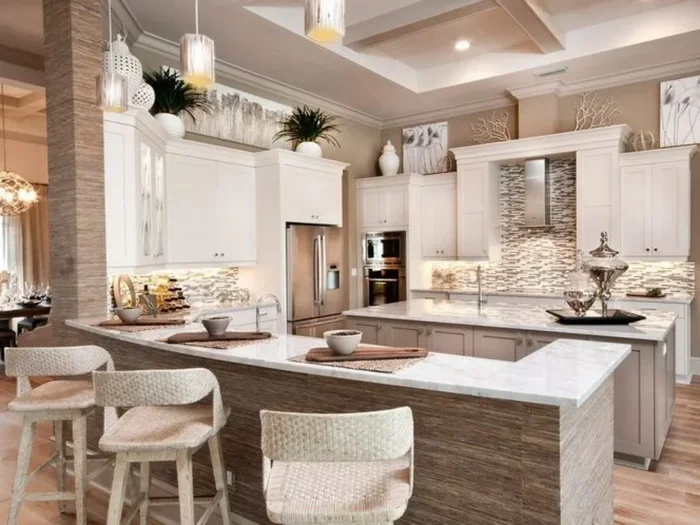
What to put above kitchen cabinets is one of the most overlooked design decisions in a kitchen renovation. The right choice can elevate your entire room and add personality to an otherwise blank wall space. Whether you prefer crown molding, open shelves, or decorative wall art, there is a solution for every style and budget. This guide covers the most popular options with practical tips and expert advice. You will walk away with clear ideas you can use right away.
The space above your kitchen cabinets can feel like a design dead zone. It is that awkward gap between the top of your cabinets and the ceiling that often gets ignored. But here is the thing. That space actually matters a lot. It can make or break the look of your entire kitchen. When you fill it thoughtfully, the room feels complete and polished. When you leave it bare, the kitchen can look unfinished and flat.
So what exactly should you put above kitchen cabinets? The answer depends on your style, your budget, and the height of your ceiling. Some homeowners go for a traditional crown molding look. Others prefer sleek floating shelves. And some people love a bold gallery wall. The good news is that there is no wrong answer. There is only the right answer for you and your home. In this guide, we will walk through every option in detail. You will find practical tips, real examples, and expert insights. By the end, you will know exactly what works best for your kitchen.
Let us start with the most popular choice. Crown molding has been a favorite for decades, and for good reason. It is elegant, classic, and works in almost any kitchen style. But that is just the beginning. There is so much more to explore.
Key Takeaways
- Crown molding is a timeless classic that adds elegance and hides the gap between cabinets and the ceiling.
- Open floating shelves offer a modern, functional look while displaying your favorite kitchen items.
- Recessed or LED strip lighting instantly boosts ambiance and makes your kitchen feel more spacious.
- A decorative valance or cornice is a budget-friendly way to close off the cabinet gap without major construction.
- Wall art and gallery walls work well in open-concept kitchens where the gap is minimal.
- Avoid common mistakes like choosing the wrong height or ignoring the overall kitchen design theme.
- Mix and match ideas to create a unique look that reflects your personal style.
📑 Table of Contents
Why the Space Above Kitchen Cabinets Matters
Before we dive into specific ideas, let us talk about why this space matters in the first place. The area above your cabinets is one of the first things people notice when they walk into your kitchen. It sets the tone for the entire room. A well-designed top treatment makes the kitchen feel finished and intentional. A neglected gap, on the other hand, can make even the most expensive cabinets look incomplete.
There is also a practical side to this. The gap above cabinets can collect dust and grease over time. If you leave it open, cleaning becomes a hassle. Filling the space with a design element can actually make your kitchen easier to maintain. Plus, the right choice can make your kitchen feel taller and more spacious. That is a huge win, especially in smaller kitchens.
When planning your kitchen renovation, always consider the full picture. The cabinets, the backsplash, the countertop, and the top treatment all work together. They create a visual flow that either looks harmonious or choppy. Taking the time to think about what goes above your cabinets is one of the smartest things you can do. It shows attention to detail that guests will notice and appreciate.
The Role of Kitchen Design Cohesion
Your kitchen design should feel like one unified look. Every element supports the others. The cabinet style, the hardware, the backsplash color, and the top treatment all need to work together. For example, if you have a modern minimalist kitchen, a busy gallery wall might clash. Instead, a clean valance or recessed lighting would fit much better. On the other hand, a farmhouse kitchen with shaker cabinets might look stunning with open wooden shelves and a rustic decorative bracket design.
Think of your kitchen as a room with a story. The cabinets tell one part of the story. The backsplash tells another. The space above the cabinets is the final chapter. It wraps everything up and gives the eye a place to rest. When all the parts connect, the result is a kitchen that feels calm, balanced, and beautiful.
Popular Things to Put Above Kitchen Cabinets
Now let us get to the fun part. There are many popular options for filling the space above kitchen cabinets. Each one brings a different vibe and serves a different purpose. Let us explore the top choices that homeowners love the most.
Crown Molding
Crown molding is the number one choice for most homeowners. It is a decorative trim piece that sits at the junction between the wall and the ceiling. Crown molding creates a smooth, finished transition that looks polished and professional. It comes in many different profiles, so you can find one that matches your cabinet style perfectly.
One of the biggest benefits of crown molding is that it hides the gap completely. No dust collection, no awkward visual break. Just a clean, elegant line that draws the eye upward. This makes your kitchen feel taller and more spacious. Crown molding also adds significant home value. Buyers love a kitchen that looks finished from top to bottom.
If you go with crown molding, choose a profile that complements your cabinet style. For traditional kitchens, a detailed ogee profile works beautifully. For modern kitchens, a simpler, smoother profile looks best. You can also paint the molding the same color as your cabinets or the ceiling. Both options look great depending on your overall design.
Decorative Valance or Cornice
A valance or cornice is a solid wood or MDF box that sits right on top of your cabinets. It is like a built-in headboard for your kitchen. Valances are very popular because they close off the gap neatly without needing to reach the ceiling. They are also more affordable than crown molding and easier to install.
You can customize a valance to match your kitchen perfectly. Choose the same wood as your cabinets for a seamless look. Or pick a contrasting color to add a pop of visual interest. Some homeowners add decorative molding to the front of the valance for extra detail. This creates a layered look that feels custom and high-end.
Valances work especially well in kitchens with lower ceilings. If your ceiling is only eight feet high, reaching all the way up with crown molding can feel overwhelming. A valance stops at a more comfortable height and still looks great. It is a smart, practical choice for many kitchen designs.
Floating Shelves
Floating shelves have become incredibly popular in recent years. They offer a modern, open feel that many homeowners love. You can use them to display cookbooks, plants, decorative bowls, or everyday dishes. They add both style and function to the space above your cabinets.
The beauty of floating shelves is their versatility. You can install one shelf or a row of several. You can space them evenly or create an asymmetric arrangement. Wood shelves look warm and natural. White or painted shelves keep things light and airy. Metal brackets add an industrial touch for a more modern kitchen.
Keep a few things in mind when installing floating shelves. First, make sure they are securely anchored into the wall studs. Second, keep the items on the shelves minimal. Too many objects will make the kitchen feel cluttered. Less is more with floating shelves. A few curated pieces look much better than a crowded display.
Gallery Wall or Wall Art
If you have a short gap between your cabinets and the ceiling, a gallery wall can be a fantastic option. Hang a collection of framed art, photographs, or decorative plates on the wall above the cabinets. This turns a blank space into a focal point that shows off your personality.
Gallery walls work best in open-concept kitchens where the area above cabinets is visible from multiple angles. In a galley kitchen, the gap might be too small for this approach. Measure your space carefully before committing to a gallery wall. You want enough room to create a visually balanced arrangement.
When choosing art for above your cabinets, think about the overall kitchen style. A farmhouse kitchen pairs well with botanical prints and rustic signs. A modern kitchen looks great with abstract art or black and white photography. Keep the color palette somewhat consistent with your kitchen decor so the art feels like part of the design, not an afterthought.
Recessed or Soffit Enclosure
Some kitchens have a soffit, which is a built-in structure that fills the gap between the cabinets and the ceiling. If your kitchen has one, you can either keep it or remove it. Removing the soffit opens up the space and can make the kitchen feel much larger. But you will need to decide what to do with the exposed area afterward.
If you keep the soffit, you can recess lights into it. This creates a beautiful ambient glow that makes the kitchen feel warm and inviting. LED strip lights work great for this purpose. They are energy efficient, long lasting, and come in different color temperatures. Warm white light creates a cozy feel. Cool white light gives a more modern, clean look.
A soffit with recessed lighting is one of the most popular choices in kitchen design right now. It is practical, beautiful, and adds real value to your home. If you are doing a kitchen renovation, seriously consider this option. It is especially effective in kitchens with high ceilings where the gap is large.
Open Shelving with Decorative Brackets
Open shelving paired with decorative brackets is another wonderful choice. The shelves provide storage and display space, while the brackets add a decorative touch. You can choose from many bracket styles, including scrollwork, rope, and iron designs. Each one brings a different character to your kitchen.
This option works especially well in cottage and farmhouse style kitchens. The combination of wood shelves and wrought iron brackets creates a charming, inviting look. For a more modern take, try sleek metal brackets with clean white shelves. The contrast is striking and very on trend.
Just like with floating shelves, keep the display minimal and intentional. A few beautiful pieces will always look better than a crowded shelf. Rotate your items seasonally to keep the space fresh and interesting. This is a simple way to update your kitchen decor without a major renovation.
Crown Molding and Decorative Trim Options
Crown molding deserves a closer look because it is such a popular and effective choice. There are many different profiles and styles to choose from. Understanding your options will help you pick the perfect one for your kitchen.
The most common crown molding profiles include the classic ogee, the smooth colonial, and the ornate scotia. The ogee has a gentle S curve that looks elegant and traditional. The colonial profile is simpler and works well in modern spaces. The scotia has a deeper, more dramatic curve that makes a bold statement.
When installing crown molding above kitchen cabinets, the height of the molding matters. Taller molding works best in kitchens with high ceilings. Shorter molding looks better in rooms with standard eight-foot ceilings. You can also layer multiple pieces of trim for a more custom look. For example, pair a base molding on top of the cabinets with a crown molding at the ceiling. This creates a beautiful layered effect.
Paint is another important consideration. Many homeowners paint their crown molding white, which creates a clean, classic look. But you can also paint it the same color as your cabinets for a subtle, unified appearance. Some bold homeowners even paint the molding a contrasting color to make it a design feature. Whatever you choose, make sure the paint color complements your overall kitchen color scheme.
Matching Trim to Your Kitchen Style
The style of your trim should match the style of your kitchen. In a traditional kitchen, choose detailed, ornate molding with rich wood tones. In a modern kitchen, go with clean lines and minimal profiles. In a transitional kitchen, you can mix traditional and modern elements for a balanced look.
Pay attention to the scale of the molding as well. Large, dramatic molding can overwhelm a small kitchen. Delicate, simple molding can get lost in a large, open kitchen. Choose a profile that fits the size of your space. This is one of those details that makes a big difference in the final result.
Lighting Ideas Above Kitchen Cabinets
Lighting is one of the most impactful things you can add above your kitchen cabinets. It serves both a practical and a decorative purpose. Under cabinet lighting has been popular for years, but lighting above the cabinets is a newer trend that is gaining momentum fast.
Recessed Ceiling Lights
Recessed lights, also called can lights, are installed directly into the ceiling. They provide a clean, streamlined look that works in almost any kitchen style. When placed above the cabinets, they wash light down onto the countertop and create a warm, inviting glow.
Recessed lights are great for task lighting. They help you see what you are doing while cooking. They also add depth and dimension to the kitchen. The light bouncing off the ceiling makes the room feel brighter and more open. This is especially helpful in kitchens that lack natural light.
Choose LED recessed lights for the best energy efficiency and longest lifespan. They come in different beam angles, too. A wider beam spreads light more evenly. A narrower beam creates more focused pools of light. For above cabinets, a wider beam usually works best.
LED Strip Lighting
LED strip lights are a flexible and affordable lighting option. You can install them inside a soffit, along the top of the cabinets, or behind a valance. They produce a soft, indirect glow that makes the kitchen feel warm and welcoming.
LED strips come in different color temperatures. Warm white creates a cozy, traditional feel. Cool white gives a crisp, modern look. Some LED strips are even dimmable, so you can adjust the brightness to match the mood. This is a great feature for entertaining or creating a relaxed atmosphere during dinner.
Installation is relatively simple for LED strips. Most come with adhesive backing, so you just peel and stick. You can also hide them inside a soffit or behind a decorative trim for a clean, seamless look. The light washes up onto the ceiling and creates a beautiful ambient effect. This is one of the easiest ways to upgrade your kitchen without a major renovation.
Pendant Lights and Chandeliers
In some kitchens, you can hang pendant lights or a small chandelier above the cabinets. This works best if the cabinets end at a peninsula or an island. The lights hang down into the open space and provide both illumination and a decorative focal point.
Pendant lights come in countless styles, from sleek and modern to rustic and industrial. You can choose a single large pendant or a row of smaller ones. Glass pendants add elegance and allow light to pass through. Metal pendants create a more structured, bold look. The key is to choose a style that matches the rest of your kitchen design.
Common Mistakes to Avoid When Decorating Above Cabinets
Even with the best intentions, it is easy to make mistakes when decorating above kitchen cabinets. Here are some common pitfalls to watch out for.
Choosing the wrong height. The top treatment should be proportionate to the cabinet height and the ceiling height. Too tall and it overwhelms the room. Too short and it looks insignificant. Measure carefully before making any decisions.
Ignoring the kitchen style. A decorative valance might look perfect in a traditional kitchen but feel out of place in a ultra-modern space. Always consider how the top treatment fits with the overall design theme.
Overcrowding the space. Whether you choose shelves, art, or molding, less is often more. Overcrowding the area above the cabinets creates visual clutter and makes the kitchen feel smaller.
Forgetting about maintenance. The space above cabinets is hard to reach. If you choose a design that collects dust, you will regret it. Crown molding and soffits are easier to clean than open shelves with displayed items.
Skipping lighting. Lighting above kitchen cabinets can completely transform the room. Many homeowners skip this step and miss out on a huge design opportunity. Even simple LED strips can make a dramatic difference.
Not matching the finish. If your cabinets are a warm wood tone, do not install cool gray trim above them. The finishes should coordinate. This creates a unified, intentional look that feels put together.
Expert Tips for a Polished Look
Professional designers have a few tricks up their sleeves that can take your kitchen from good to great. Here are some expert tips to keep in mind.
First, always start with a plan. Sketch out your ideas before you start any project. This helps you visualize the final result and avoid costly mistakes. You can use simple online kitchen design tools or work with a designer for more complex projects.
Second, consider the color palette carefully. The top treatment should complement the cabinets, the walls, and the ceiling. A monochromatic approach often works best. Paint the top treatment the same color as the ceiling for a seamless, elongating effect. Or match it to the cabinets for a bold, built-in look.
Third, pay attention to the details. Hardware, finish, and texture all matter. A simple change like brushed nickel versus polished chrome can shift the entire feel of the kitchen. These small details add up to create a cohesive, professional result.
Finally, do not be afraid to mix elements. You can combine crown molding with recessed lighting. Or pair floating shelves with a decorative valance. The key is balance. Make sure the elements work together rather than competing with each other.
Key Takeaways
- Crown molding is a timeless classic that adds elegance and hides the gap between cabinets and the ceiling.
- Open floating shelves offer a modern, functional look while displaying your favorite kitchen items.
- Recessed or LED strip lighting instantly boosts ambiance and makes your kitchen feel more spacious.
- A decorative valance or cornice is a budget-friendly way to close off the cabinet gap without major construction.
- Wall art and gallery walls work well in open-concept kitchens where the gap is minimal.
- Avoid common mistakes like choosing the wrong height or ignoring the overall kitchen design theme.
- Mix and match ideas to create a unique look that reflects your personal style.
Conclusion
Deciding what to put above kitchen cabinets is a fun and rewarding part of any kitchen renovation. The right choice can transform the entire look and feel of the room. Whether you choose crown molding, floating shelves, recessed lighting, or a decorative valance, the key is to choose something that fits your style and your space.
Take your time with this decision. Look at your kitchen as a whole. Think about the cabinets, the walls, the ceiling, and the overall design theme. The best choice is the one that brings everything together and creates a cohesive, beautiful look. You will know it when you see it.
Do not be afraid to get creative. Your kitchen is your home, and it should reflect who you are. Try a few ideas, mix and match, and make it your own. The space above your kitchen cabinets is a blank canvas waiting for your personal touch. Have fun with it, and enjoy the process of making your kitchen truly stylish.
Remember, small details make the biggest difference. Crown molding, a well-placed shelf, or a warm glow of LED lighting can turn an ordinary kitchen into something extraordinary. Start planning today, and soon you will have a kitchen that looks amazing from top to bottom.
Frequently Asked Questions
What is the best thing to put above kitchen cabinets?
Crown molding is widely considered the best option because it creates a clean, finished look and hides the gap entirely. However, the best choice depends on your kitchen style, ceiling height, and budget. Floating shelves and decorative valances are also excellent alternatives.
Should I fill the gap above kitchen cabinets?
Yes, filling the gap is highly recommended for both aesthetic and practical reasons. An open gap collects dust and grease, making cleaning difficult. A decorative top treatment also completes the look of the kitchen and adds visual interest to the space.
Can I put a TV above kitchen cabinets?
It is possible but not always ideal. The grease and heat from cooking can damage electronics over time. If you do install a TV above cabinets, make sure it is properly ventilated and mounted securely. Many designers recommend a different location for the TV in the kitchen.
How high should the top treatment be above kitchen cabinets?
The height depends on your ceiling. For standard eight-foot ceilings, a valance that is eight to twelve inches tall works well. Crown molding typically extends four to eight inches from the wall. The goal is to create a proportionate look that does not overwhelm the space.
What lighting is best above kitchen cabinets?
Recessed ceiling lights and LED strip lights are the two most popular options. Recessed lights provide focused task lighting, while LED strips create a soft ambient glow. Both options are energy efficient, easy to install, and add significant value to your kitchen design.
How do I decorate above kitchen cabinets on a budget?
A decorative valance or cornice is one of the most budget-friendly options. You can also add simple LED strip lighting for a modern look without spending much. Wall art or a small gallery wall is another affordable way to fill the space creatively.

