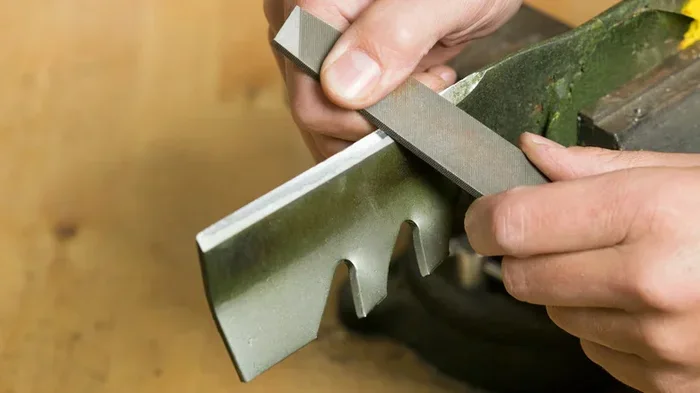
Yes, you can sharpen a lawn mower blade without removing it, and it saves you significant time and effort. This guide covers the tools, safety steps, and techniques to sharpen your mower blade right on the machine. You will learn how to maintain a sharp cutting edge for a healthier lawn. Keep reading for a simple, safe approach to lawn mower blade sharpening at home.
You are standing in your yard. The grass looks uneven. Your mower is tearing the tips instead of slicing them clean. You wonder, can you sharpen a lawn mower blade without removing it? The answer is yes. You do not need to pull the blade off the mower to get a clean, sharp edge. This saves you time, effort, and a trip to the garage workbench.
Sharpening your blade on the mower is a practical skill every homeowner should know. Whether you use a push mower or a riding mower, the process is simpler than you think. You just need the right tools, a few minutes, and a bit of patience. This guide walks you through every step. You will learn the safest method, the best tools to use, and how to keep your blade in top shape all season long.
Let us be real. A dull blade tears grass instead of cutting it. This leaves your lawn vulnerable to disease and brown patches. Keeping your blade sharp is one of the easiest lawn care tips you can follow. And the good news? You can do it without even taking the blade off the machine.
Key Takeaways
- It is possible: You can sharpen a lawn mower blade without removing it using the right tools and technique.
- Safety comes first: Always disconnect the spark plug and follow proper safety steps before working on your mower.
- Hand files and angle grinders work best: These tools give you control and a clean edge without removing the blade.
- Check blade balance: An unbalanced blade causes vibration and uneven cuts, so always test balance after sharpening.
- Sharpen regularly: Plan to sharpen your blade at least once or twice per mowing season for the best results.
- Know when to replace: If the blade is cracked, bent, or too thin, it is time for a new one.
📑 Table of Contents
- Why Sharp Lawn Mower Blades Matter
- Can You Sharpen a Lawn Mower Blade Without Removing It?
- Tools You Need for On-Mower Sharpening
- Step-by-Step Guide to Sharpening Without Removal
- Common Mistakes to Avoid
- Expert Tips for Best Results
- When You Should Remove the Blade Instead
- How to Maintain Your Blade Between Sharpening Sessions
- Quick Tips Summary
- Conclusion
Why Sharp Lawn Mower Blades Matter
Many homeowners ignore their mower blade until the grass looks terrible. A dull blade rips and shreds the grass tips. This creates a brown, ragged appearance. Worse, it opens the door to lawn diseases. A sharp blade makes a clean cut. The grass heals faster and stays green.
The Science Behind a Clean Cut
When a blade is sharp, it slices through grass like a pair of scissors. A dull blade tears and bruises the grass blade. This damages the plant tissue. The grass loses moisture faster and turns brown. Over time, a dull blade can actually harm your entire lawn.
Think about it this way. You would not use a rusty knife to chop vegetables. The same logic applies to your mower. A sharp mower blade makes all the difference in how your lawn looks and stays healthy.
How Often Should You Sharpen?
Most experts recommend sharpening your blade at least twice per mowing season. If you mow frequently, you may need to do it more often. Here are some signs your blade needs attention:
- The grass tips look torn or brown after mowing
- Your mower leaves uneven stripes on the lawn
- You notice clumps of grass clippings instead of fine mulch
- The mower vibrates more than usual
- You have not sharpened the blade in over two months
Keeping a regular sharpening schedule is one of the best lawn mower maintenance habits you can build.
Can You Sharpen a Lawn Mower Blade Without Removing It?
The short answer is yes. You can sharpen a lawn mower blade without removing it from the machine. This method works for most push mowers and some riding mowers. However, there are pros and cons to consider before you start.
Benefits of Sharpening In Place
Sharpening without removing the blade has several advantages:
- Saves time: You skip the hassle of disconnecting, cleaning, and reattaching the blade
- Convenient: You can sharpen right in the yard after noticing a dull cut
- No special tools needed: A simple hand file works well for this method
- Less risk of damage: You avoid potential issues with reassembly
Limitations You Should Know
Sharpening in place is not perfect. Here are some drawbacks:
- Limited access: You cannot see or reach the blade’s bevel as easily
- Harder to balance: It is more difficult to check if the blade is balanced while attached
- Cannot remove nicks: Deep nicks or damage may require blade removal to fix properly
- Less precision: You may not achieve the same sharp edge as when sharpening on a bench
For light touch-ups and routine maintenance, in-place sharpening works great. For a blade that is badly damaged, you should remove it and do a more thorough job.
Tools You Need for On-Mower Sharpening
You do not need a lot of tools to sharpen your blade without removing it. Here is what you will need:
| Tool | Purpose | Cost Range |
|---|---|---|
| Hand file | Primary sharpening tool for on-mower use | $10 – $25 |
| Angle grinder | Faster sharpening for experienced users | $30 – $80 |
| Safety gloves | Protects hands from sharp edges | $5 – $15 |
| Safety glasses | Protects eyes from metal filings | $5 – $12 |
| Rag or brush | Cleans grass and debris from blade | $2 – $5 |
| Blade balancer or nail | Checks balance after sharpening | $5 – $10 |
A standard hand file is the best choice for most people. It gives you control and works well for light to moderate dulling. An angle grinder works faster but requires more skill. If you are new to blade sharpening, start with a hand file.
Before you begin, make sure you have all your safety gear ready. Safety first is not just a saying. It is a rule you must follow every single time.
Step-by-Step Guide to Sharpening Without Removal
Follow these steps carefully to sharpen your mower blade safely while it is still attached to the machine.
Step 1: Disconnect the Spark Plug
This is the most important safety step. Before you do anything, pull the spark plug wire off the spark plug. This prevents the engine from starting accidentally. You do not want the blade to spin while your hand is near it. Tape the wire back so it cannot accidentally touch the plug.
Step 2: Tilt the Mower Safely
Tilt the mower on its side so you can access the blade. Make sure the air filter and carburetor face upward. This prevents oil and fuel from leaking into areas where they do not belong. If you have a riding mower, use jack stands for stability.
Step 3: Clean the Blade
Use a rag or stiff brush to remove all grass clippings, dirt, and debris from the blade. A clean blade gives you a better view and a better sharpening surface. Take your time with this step. It makes the sharpening process much easier.
Step 4: Identify the Cutting Edge
Look closely at the blade. One side has a sharp, angled edge. This is the cutting side. The other side is flat. You will sharpen only the angled side. If you are unsure, look for the side that faces the direction the blade spins.
Step 5: File the Cutting Edge
Hold the hand file at the same angle as the existing bevel on the blade. Push the file along the cutting edge in one direction only. Do not saw back and forth. Use smooth, steady strokes. Focus on maintaining the original angle of the blade. This is key to getting a good cutting edge.
Sharpen for about 10 to 15 strokes on each side of the blade. Check your progress by running your finger carefully along the edge. You should feel a noticeable sharpness. But be careful. The edge will be very sharp.
Step 6: Check the Blade Balance
After sharpening, check if the blade is balanced. An unbalanced blade causes vibration, which damages your mower and creates an uneven cut. You can use a blade balancer or simply balance the blade on a nail through the center hole. If one side dips, remove a small amount of metal from the heavier side.
Step 7: Reassemble and Test
Return the mower to its upright position. Reconnect the spark plug wire. Start the mower and listen for unusual vibrations. Cut a small patch of grass and check the result. A clean, even cut means you did a great job.
Common Mistakes to Avoid
Even with the best intentions, mistakes happen. Here are the most common errors people make when sharpening a blade without removing it:
- Skipping the spark plug disconnect: This is dangerous and can cause serious injury. Always disconnect it first.
- Sharpening both sides evenly: Only sharpen the cutting edge side. The flat side should remain as-is.
- Removing too much metal: Go slowly. You can always remove more, but you cannot put it back.
- Ignoring blade balance: An unbalanced blade causes more harm than a slightly dull one.
- Using the wrong file angle: Match the existing bevel angle. Do not try to create a new angle.
- Forgetting to clean the blade first: Dirt and debris interfere with your sharpening and can damage your file.
Avoiding these mistakes will help you get better results and keep your mower running smoothly.
Expert Tips for Best Results
Here are some professional tips that make a real difference in your blade sharpening results:
- Mark your starting point: Use a marker to color the edge before you start filing. This helps you track your progress and avoid over-sharpening.
- Use a guide: If you are new to this, use a bevel guide to maintain a consistent angle.
- Feel the edge: After every few strokes, carefully feel the edge with your fingertip. You will notice when it starts to bite.
- Work in a well-lit area: Good lighting helps you see the blade edge clearly and avoid mistakes.
- Keep the file clean: A clogged file does not sharpen well. Clean it regularly with a file card.
These small tips add up. They help you achieve a professional-quality edge right on your mower.
When You Should Remove the Blade Instead
Sometimes, sharpening without removing the blade is not enough. Here are situations where you should take the blade off:
- The blade has deep nicks or gouges that cannot be fixed with a file
- The blade is bent or warped from hitting a rock or root
- The blade is thin from years of sharpening and needs replacing
- You want to do a thorough balancing and polishing job
- The blade is badly corroded or rusty
In these cases, removing the blade gives you full access to fix the problem properly. For more on proper lawn care techniques, you might enjoy learning about Greek Salad In A Jar as a fun way to use up garden vegetables. And if you are looking for refreshing summer treats to enjoy after a day of yard work, check out Frozen Watermelon On A Stick for a simple recipe.
How to Maintain Your Blade Between Sharpening Sessions
Sharpening is only part of the equation. Proper maintenance between sessions keeps your blade in great shape longer.
Clean After Every Use
After each mow, take a few minutes to scrape grass and debris off the blade. Use a putty knife or wire brush. This prevents buildup that dulls the blade faster and causes rust.
Store Properly
Keep your mower in a dry, covered area. Moisture causes rust, which weakens the blade. If you store your mower outside, consider using a mower cover.
Check for Damage Regularly
Before each mowing session, visually inspect the blade. Look for nicks, bends, or excessive wear. Catching damage early prevents poor cuts and lawn damage.
These simple habits extend the life of your blade and reduce how often you need to sharpen.
Quick Tips Summary
- Always disconnect the spark plug before touching the blade
- Use a hand file for on-mower sharpening
- Match the existing bevel angle when filing
- Sharpen only the cutting edge side
- Check balance after every sharpening session
- Clean the blade before and after sharpening
- Sharpen at least twice per mowing season
Following these quick tips keeps your mower running at its best. A well-maintained blade means a healthier, greener lawn all season long.
Conclusion
So, can you sharpen a lawn mower blade without removing it? Absolutely. With the right tools and a careful approach, you can keep your blade sharp and your lawn looking its best. Remember to always prioritize safety, follow each step carefully, and maintain a regular sharpening schedule.
A sharp blade is the foundation of a beautiful lawn. It makes your mower work better, your grass healthier, and your yard more enjoyable. Take the time to learn this simple skill. Your lawn will thank you every time you mow.
Start today. Grab a hand file, disconnect that spark plug, and give your blade the care it deserves. Your lawn will look sharper than ever.
Frequently Asked Questions
Can I sharpen a mower blade with an angle grinder without removing it?
Yes, you can use an angle grinder while the blade is still attached. However, an angle grinder removes material faster than a hand file, so you need to be more careful. Use light pressure and maintain the original bevel angle. Always wear safety glasses and gloves when using a grinder on the mower.
How long does it take to sharpen a blade without removing it?
It typically takes about 10 to 15 minutes to sharpen a blade in place. This includes cleaning the blade, filing the edge, and checking the balance. The more often you sharpen, the less time each session takes because you are only doing light touch-ups.
Can sharpening a dull blade damage my lawn?
No, sharpening a dull blade actually improves your lawn’s health. A dull blade tears grass and creates openings for disease. A sharp blade makes clean cuts that help grass recover quickly and stay green.
Do I need to balance the blade if I am sharpening it on the mower?
Yes, balancing is just as important when sharpening in place. An unbalanced blade causes vibration, uneven cuts, and premature wear on your mower bearings. Use a blade balancer or a simple nail to check balance after filing.
What is the best angle to file a lawn mower blade?
The best angle matches the existing bevel on your blade. Most mower blades have a 30 to 45 degree bevel. Do not try to change the angle. Simply follow the existing slope with your hand file for consistent results.
How do I know if my blade needs replacing instead of sharpening?
If your blade has deep nicks, is bent, cracked, or has lost significant material, it needs replacing. A blade that has been sharpened many times may also be too thin to sharpen safely. Inspect your blade regularly and replace it when necessary.
=== CONCLUSION ===
Sharpening your lawn mower blade without removing it is a practical, time-saving skill that every homeowner can learn. It keeps your lawn looking its best and extends the life of your equipment. Follow the steps in this guide, prioritize safety, and make blade maintenance a regular part of your lawn care routine. Your grass will reward you with a clean, healthy, vibrant look all season long.