
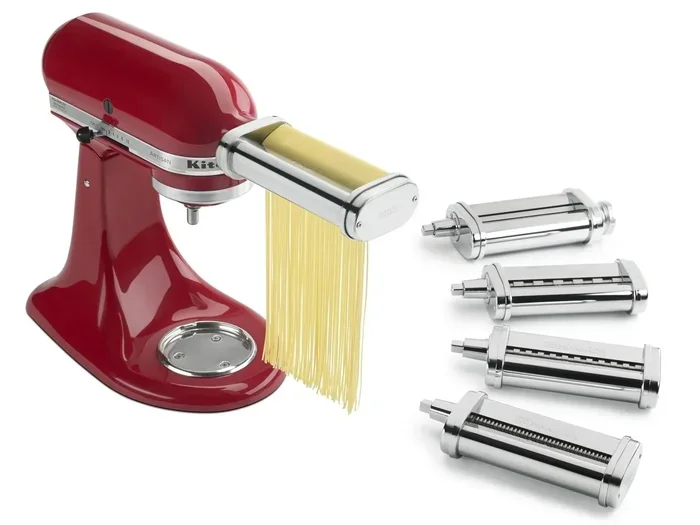
The Kitchen Aid pasta roller attachment is a game-changing kitchen tool that lets you make fresh pasta right at home. This guide covers everything you need to know, from setup and use to tips for perfect results every time. Whether you are a beginner or a seasoned cook, this attachment makes homemade pasta simple and fun.
Making fresh pasta at home has never been easier. The Kitchen Aid pasta roller attachment transforms your stand mixer into a powerful pasta-making machine. If you have ever wanted to create restaurant-quality pasta in your own kitchen, this tool is exactly what you need. In this review and guide, we will walk you through everything from unboxing to making your first batch of delicious homemade pasta. You will learn how the attachment works, what shapes you can make, and how to get the best results every single time.
The beauty of the Kitchen Aid pasta roller attachment lies in its simplicity. You do not need any special skills or years of experience. Just mix your pasta dough, attach the roller, and let the mixer do the hard work. Whether you are making a simple weeknight dinner or impressing guests at a dinner party, this attachment delivers consistent, beautiful results. Let us dive into the full review.
Key Takeaways
- Easy to Use: The Kitchen Aid pasta roller attachment attaches directly to your mixer, making pasta dough rolling quick and effortless.
- Versatile Shapes: You can create multiple pasta shapes including fettuccine, lasagna sheets, and spaghetti with the right attachments.
- Durable Build: Made from high-quality stainless steel, this attachment is built to last for years of regular use.
- Saves Time: Rolling and cutting pasta dough takes minutes instead of the traditional hand-rolling method.
- Great Value: Compared to standalone pasta machines, the Kitchen Aid attachment offers excellent functionality at a reasonable price.
📑 Table of Contents
- What Is the Kitchen Aid Pasta Roller Attachment?
- What Comes in the Box and How It Works
- How to Use the Kitchen Aid Pasta Roller Attachment
- Types of Pasta You Can Create
- Kitchen Aid Pasta Roller Attachment vs Other Methods
- Tips for Making Perfect Pasta Every Time
- Common Mistakes to Avoid
- Why Homemade Pasta Is Worth the Effort
- Final Thoughts on the Kitchen Aid Pasta Roller Attachment
What Is the Kitchen Aid Pasta Roller Attachment?
The Kitchen Aid pasta roller attachment is a motorized accessory designed to work with Kitchen Aid stand mixers. It rolls and cuts pasta dough into thin, even sheets. From there, you can create a wide variety of pasta shapes. This attachment replaces the tedious hand-rolling process and gives you professional-quality results with minimal effort.
The attachment uses the power of your stand mixer to push dough through adjustable rollers. You control the thickness by turning a simple dial. The roller mechanism is made from stainless steel, which ensures durability and easy cleaning. Most models also include a cutting attachment that lets you cut your pasta sheets into ribbons or shapes.
Who Is It For?
This attachment is perfect for home cooks who love fresh pasta but do not want to spend hours rolling dough by hand. It is also great for families who want to involve kids in cooking. The process is fun and interactive, and children love watching the dough transform into pasta right before their eyes.
What Comes in the Box and How It Works
When you open the box, you will find the roller attachment and the cutting blade. Some kits also include a pasta cutter for different shapes. The attachment clicks right onto your Kitchen Aid mixer using the standard hub. There is no complicated setup involved.
Here is how the pasta roller attachment works in simple steps:
- Prepare your pasta dough using flour, eggs, and a pinch of salt.
- Divide the dough into manageable portions.
- Attach the roller to your Kitchen Aid mixer.
- Feed the dough through the rollers at your desired thickness.
- Use the cutting attachment to shape the pasta.
- Cook immediately or dry for later use.
The entire process is surprisingly fast. You can go from raw dough to beautiful pasta sheets in under ten minutes. The mixer does all the heavy lifting, so your hands stay clean and your arms stay relaxed.
How the Roller Mechanism Works
The roller mechanism uses two adjustable rollers that press the dough to your preferred thinness. You start at the widest setting and gradually narrow the gap with each pass. This gradual thinning prevents the dough from tearing. Most users find that five to six passes through the rollers produces the perfect pasta sheet thickness for fettuccine or lasagna.
How to Use the Kitchen Aid Pasta Roller Attachment
Using the Kitchen Aid pasta roller attachment is straightforward, but a few tips make a big difference. Let us walk through the process step by step so you can start making fresh pasta right away.
Step 1: Prepare Your Dough
Start with a simple pasta dough recipe. Combine two cups of semolina flour with three large eggs and a drizzle of olive oil. Knead the dough until it is smooth and elastic. Let it rest for about 30 minutes. This resting period allows the gluten to relax, making the dough easier to roll.
Step 2: Attach the Roller
Snap the roller attachment onto your Kitchen Aid mixer. Make sure it clicks firmly into place. Set the mixer to speed two or three. You do not want to go too fast, or the dough will bunch up and tear.
Step 3: Roll the Dough
Flatten your dough portion into a rough rectangle. Feed it through the rollers at the widest setting. Fold it in half and feed it through again. Repeat this process three to four times to smooth out the dough. Then gradually narrow the roller gap with each pass.
Step 4: Cut Your Pasta
Once your pasta sheet is at the desired thickness, attach the cutting blade. Choose the width you want for your pasta ribbons. The cutter produces clean, even cuts every time. You can also use the sheet for lasagna or stuffed pasta like stuffed pasta shells.
Quick Tips for First-Time Users
- Keep a bowl of semolina flour nearby to dust your pasta sheets and prevent sticking.
- Do not rush the process. Slow and steady produces the best results.
- If the dough tears, just press it back together and try again.
- Lightly flour your hands before handling the dough.
- Cook your fresh pasta in salted boiling water for just two to three minutes.
Types of Pasta You Can Create
One of the best things about the Kitchen Aid pasta roller attachment is the variety of pasta shapes you can make. With the right attachments and a little creativity, the possibilities are nearly endless.
Fettuccine and Linguine
These flat ribbons are the most popular shapes for beginners. The pasta roller attachment produces perfectly even sheets, and the cutting blade makes quick work of slicing them into uniform ribbons. Try pairing fettuccine with a creamy pea pasta sauce for a comforting weeknight meal.
Lasagna Sheets
Thick, wide pasta sheets work beautifully for homemade lasagna. Roll the dough to a medium thickness and cut it to fit your baking dish. Making your own lasagna sheets gives you a fresher, more flavorful result than store-bought versions.
Tagliatelle and Pappardelle
These wider ribbons have a beautiful rustic look. They pair wonderfully with rich meat sauces. The Kitchen Aid mixer attachment handles these shapes with ease, producing consistent widths throughout.
Filled Pasta
While the roller attachment creates the sheets, you can use them to make filled pasta like ravioli or tortellini. The thin, even sheets are ideal for folding and sealing around delicious fillings. After filling, you can boil them and toss them in a chicken pasta recipe for a complete meal.
Kitchen Aid Pasta Roller Attachment vs Other Methods
How does the Kitchen Aid pasta roller attachment compare to other pasta-making methods? Let us take a closer look at the differences.
Vs. Hand-Rolling
Hand-rolling pasta is a traditional method that produces excellent results. However, it requires significant time and effort. You need a long wooden rolling pin and strong arms. The Kitchen Aid attachment eliminates all that hard work. It produces sheets of uniform thickness in seconds, which is nearly impossible to achieve by hand.
Vs. Standalone Pasta Machines
Standalone pasta machines are a popular choice for many home cooks. They sit on your countertop and roll dough through manual cranks. The Kitchen Aid pasta roller attachment offers similar results but uses your existing mixer. This means you save counter space and get a two-in-one solution. The attachment also provides more consistent pressure than hand-cranked machines.
Comparison Table
| Feature | Kitchen Aid Attachment | Hand-Rolling | Standalone Machine |
|---|---|---|---|
| Ease of Use | Very Easy | Difficult | Moderate |
| Time Required | 5-10 minutes | 30-60 minutes | 15-20 minutes |
| Consistency | Excellent | Variable | Good |
| Counter Space | None needed | Minimal | Moderate |
| Cost | $50-$80 | Free | $80-$200 |
| Versatility | High | High | Moderate |
Vs. Store-Bought Pasta
Store-bought pasta is convenient, but it cannot match the taste and texture of fresh homemade pasta. The Kitchen Aid pasta roller attachment lets you control every aspect of your pasta, from the ingredients to the thickness. You can use high-quality semolina flour and fresh eggs for a healthier, more flavorful result.
Tips for Making Perfect Pasta Every Time
Making great pasta with your Kitchen Aid mixer attachment comes down to a few key practices. Follow these tips and you will notice a dramatic improvement in your results.
Use the Right Flour
Semolina flour is the traditional choice for pasta making. It has a slightly coarse texture that gives pasta a wonderful bite. You can also use a blend of semolina and all-purpose flour for a softer texture. Avoid using bread flour, as it has too much protein and can make your pasta tough.
Let the Dough Rest
Resting your pasta dough for at least 30 minutes is essential. This allows the flour to fully absorb the moisture and the gluten to relax. Skipping this step leads to tearing and uneven rolling. Wrap the dough in plastic wrap and let it sit at room temperature.
Keep Your Workspace Clean
Lightly flour your work surface before rolling out dough. This prevents sticking without adding too much extra flour, which can dry out your pasta. A clean, lightly floured surface makes the rolling process smooth and enjoyable.
Cook Fresh Pasta Immediately
Fresh pasta cooks much faster than dried pasta. Drop your cut pasta into salted boiling water and cook for just two to three minutes. The pasta is done when it floats to the surface. Drain it and toss it immediately with your favorite pasta sauce like a creamy pea pasta sauce or a simple garlic and olive oil blend.
Store Leftover Pasta Properly
If you make more pasta than you can eat, you have several storage options. You can air-dry the pasta on a rack for a few hours and store it in an airtight container. You can also freeze fresh pasta on a baking sheet and transfer it to freezer bags. Cooked pasta chips are another fun way to use up leftover noodles.
Common Mistakes to Avoid
Even experienced cooks make mistakes when using a pasta roller attachment. Here are some common pitfalls and how to avoid them.
- Overworking the dough: Too much kneading makes pasta tough. Mix just until the dough comes together and let the mixer handle the rolling.
- Skipping the resting period: This is the most common mistake. Always let your dough rest before rolling it out.
- Setting the mixer too fast: High speed causes the dough to bunch up and tear. Use speed two or three for smooth results.
- Not dusting with flour: Without flour, the pasta sticks to the rollers and cutter. Keep a bowl of flour nearby at all times.
- Cooking pasta too long: Fresh pasta cooks in just a few minutes. Overcooked pasta becomes mushy and loses its flavor.
Expert Insight
Professional chefs recommend starting with a simple fettuccine recipe when you first use the Kitchen Aid pasta roller attachment. Once you master the basic technique, you can experiment with more complex shapes and fillings. The key is patience and practice. After a few batches, you will find your rhythm and produce restaurant-quality pasta with confidence.
Why Homemade Pasta Is Worth the Effort
Making pasta at home with your Kitchen Aid mixer attachment is more than just a cooking project. It is a rewarding experience that connects you to a centuries-old culinary tradition. The taste of fresh pasta is in a completely different league compared to dried store-bought versions.
When you make your own pasta, you control every ingredient. You can use organic flour and free-range eggs for a healthier meal. You can also experiment with flavors by adding herbs, spinach, or beetroot to your dough. The possibilities are truly endless.
Prepare your fresh pasta and pair it with a delicious sauce. Try a classic chicken pasta recipe for a complete dinner that the whole family will love. Or get creative and make stuffed pasta shells for a fun twist on a comfort food classic.
Final Thoughts on the Kitchen Aid Pasta Roller Attachment
The Kitchen Aid pasta roller attachment earns a solid spot in any kitchen. It makes homemade pasta accessible to everyone, regardless of skill level. The build quality is excellent, the results are consistent, and the convenience factor is hard to beat. If you already own a Kitchen Aid stand mixer, this attachment is a no-brainer addition to your kitchen toolkit.
The attachment pays for itself quickly. A single bag of flour and a few eggs can produce enough fresh pasta for four servings. Compare that to the cost of premium dried pasta at the grocery store. Over time, the savings add up, and the quality improvement is undeniable.
Whether you are making a simple spaghetti dinner or an elaborate lasagna for a holiday gathering, the Kitchen Aid pasta roller attachment delivers every time. It is a fun, rewarding tool that brings the joy of homemade pasta into your kitchen. Give it a try, and you will never go back to store-bought pasta again.
Start with a basic fettuccine recipe and work your way up to more ambitious shapes. Once you see how easy and satisfying homemade pasta can be, you will wonder why you ever relied on boxed pasta. The Kitchen Aid pasta roller attachment truly opens up a world of culinary possibilities right in your own home.
Frequently Asked Questions
Can I use the Kitchen Aid pasta roller attachment with any Kitchen Aid mixer?
Most Kitchen Aid stand mixers are compatible with the pasta roller attachment. It attaches using the standard mixer hub, which is found on all modern Kitchen Aid models. Check the product specifications to confirm compatibility with your specific mixer before purchasing.
Is the Kitchen Aid pasta roller attachment difficult to clean?
Not at all. The roller and cutting components are designed for easy cleaning. You can wash them by hand with warm soapy water, or place them on the top rack of your dishwasher. Make sure to dry them thoroughly after washing to prevent any rust or buildup.
Can I make gluten-free pasta with this attachment?
Yes, you can use gluten-free flour blends with the Kitchen Aid pasta roller attachment. Gluten-free dough behaves differently than regular dough, so you may need to adjust your technique slightly. Use a higher ratio of flour to liquid and go through the rollers slowly for the best results.
What is the difference between the pasta roller and the pasta extruder attachment?
The roller attachment produces flat pasta sheets that you can cut into various shapes. The extruder attachment pushes dough through molds to create shaped pasta like spaghetti or penne. Both attachments work with the same Kitchen Aid mixer and expand your pasta-making capabilities.
How long does fresh pasta last after making it with the attachment?
Fresh pasta can be stored in the refrigerator for up to two days if you keep it lightly floured and covered. You can also freeze uncooked pasta for up to three months. Cooked fresh pasta should be eaten within a day for the best flavor and texture.
Do I need to buy separate attachments for different pasta shapes?
The basic roller kit includes a roller and one cutting attachment. You can purchase additional cutting attachments separately if you want to make different shapes like spaghetti or macaroni. The roller itself works for all flat pasta varieties without any extra purchases.
=== CONCLUSION ===
The Kitchen Aid pasta roller attachment is an excellent investment for anyone who loves fresh homemade pasta. It combines convenience, quality, and versatility in one compact accessory. From rolling perfectly smooth sheets to cutting uniform ribbons, this attachment makes the entire process effortless. Whether you are a busy parent looking for quick weeknight meals or a cooking enthusiast exploring new culinary techniques, the Kitchen Aid pasta roller attachment delivers outstanding results every time.

