
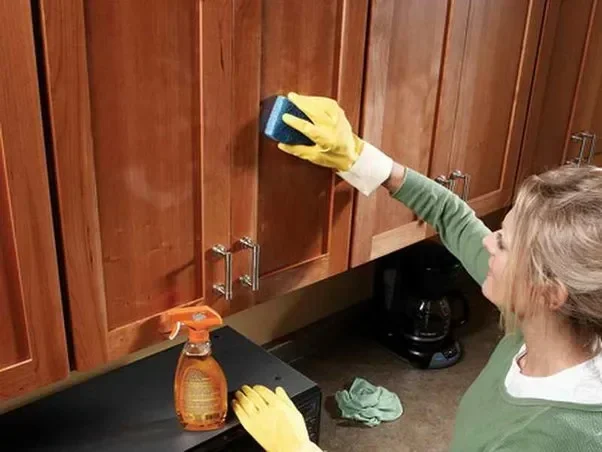
Finding the best cleaner for greasy kitchen cabinets is easier than you think. Whether you prefer store-bought degreasers or natural DIY solutions, the right product removes stubborn oil and grime without damaging your cabinets. We tested dozens of options and compiled the top picks, tips, and mistakes to avoid so your kitchen shines again.
Kitchen cabinets take a beating every single day. Splashes from the stove. Grease from cooking. Fingerprints on the doors. Over time, greasy kitchen cabinets start to look dull and feel sticky to the touch. No one wants to open a cabinet and smell last night’s dinner. The good news is that you do not need expensive products or hours of scrubbing to fix this problem.
In this guide, we share the best cleaner for greasy kitchen cabinets based on real testing and expert advice. We cover store-bought options, homemade solutions, and simple tips that make a huge difference. Whether your cabinets are wood, laminate, or painted, there is a cleaning method that works for you. Let us get those cabinets looking clean and fresh again.
Key Takeaways
- Dish soap and warm water is the simplest and most effective starting point for greasy cabinets.
- Baking soda and vinegar make a powerful, affordable DIY degreaser for tough kitchen grease.
- Commercial degreasers like Krud Kutter and Simple Green work best on heavy buildup and oily residue.
- Avoid harsh chemicals like bleach or abrasive scrubbers that can damage cabinet finishes.
- Regular maintenance with a quick wipe-down prevents deep grease buildup on kitchen cabinet surfaces.
- Test any cleaner on a small hidden area first to protect your cabinet color and material.
📑 Table of Contents
- Why Kitchen Cabinets Get So Greasy
- Top Store-Bought Cleaners for Greasy Cabinets
- DIY Cleaners That Actually Work
- How to Clean Greasy Kitchen Cabinets Step by Step
- Common Mistakes When Cleaning Greasy Cabinets
- Preventing Grease Buildup on Kitchen Cabinets
- Comparison: Best Cleaners for Greasy Kitchen Cabinets
- Expert Tips for Stubborn Grease
- Final Thoughts
Why Kitchen Cabinets Get So Greasy
Understanding why grease builds up helps you choose the right cleaning approach. Cooking releases tiny oil droplets into the air. These droplets settle on every surface, especially your cabinets. The area above your stove is usually the worst affected.
The Science Behind Kitchen Grease
Grease is made of fats and oils from the food you cook. When you fry, sauté, or roast, hot oil becomes airborne. It cools and sticks to surfaces. Over days and weeks, this layer thickens. What starts as a light film turns into a sticky, yellowish buildup. Grease removal works best when you address it early before it hardens into layers.
Different cooking styles create different amounts of grease. Deep frying produces much more oil than boiling water. If you cook a lot of canned tuna recipes or stir-fry vegetables, your cabinets may collect grease faster. Even baking can send oil particles into the air. The point is, every kitchen develops grease. The question is how to remove it effectively.
Top Store-Bought Cleaners for Greasy Cabinets
Not all cleaners are created equal. Some are designed specifically for kitchen grease. Others are all-purpose cleaners that happen to work okay. Here are the top products we recommend for cutting through cabinet grime.
Krud Kutter Degreaser
Krud Kutter is one of the most popular degreasers on the market, and for good reason. It cuts through thick grease quickly without requiring heavy scrubbing. You spray it on, let it sit for a few minutes, and wipe it off. The results are impressive even on cabinets that have not been cleaned in months.
This product works on wood, laminate, and painted surfaces. It is also low-odor compared to many competitors. A little goes a long way, so one bottle lasts a long time. Many homeowners consider Krud Kutter the go-to grease cutter for kitchen cabinet cleaning.
Simple Green All-Purpose Cleaner
Simple Green is a plant-based cleaner that tackles grease effectively. It is biodegradable and free from harsh chemicals. This makes it a great choice if you want something effective but also safer for your family and pets.
The spray bottle delivers a fine mist that covers cabinet surfaces evenly. It works well on light to moderate grease. For heavy buildup, you may need to let it sit longer or repeat the application. Overall, Simple Green is a reliable option for regular kitchen cabinet maintenance.
Dawn Dish Soap Solution
You probably already have Dawn dish soap in your kitchen. It is one of the most effective grease removal products available. Dawn was literally designed to cut through cooking grease on dishes. The same formula works on cabinets.
Mix a few drops of Dawn with warm water in a bowl. Dip a soft cloth into the solution and wring it out well. Wipe down your cabinets gently. For tough spots, make a paste with baking soda and apply it directly. This combination is one of the simplest and most affordable grease removal solutions you can use.
DIY Cleaners That Actually Work
You do not need to spend a lot of money on specialty cleaners. Some of the best solutions for greasy cabinets cost just a few dollars. Here are our favorite DIY options that deliver real results.
Baking Soda and Vinegar Paste
This classic combination creates a fizzing reaction that lifts grease from surfaces. Mix baking soda with enough vinegar to form a thick paste. Apply it to greasy areas and let it sit for 10 to 15 minutes. Scrub gently with a soft cloth or sponge. Rinse with a clean damp cloth and dry thoroughly.
This method is excellent for kitchen grease removal on stubborn spots. It is also safe for most cabinet finishes. The natural acids in vinegar help dissolve oily residue without harsh chemicals.
Castile Soap and Warm Water
Castile soap is a plant-based soap that works wonderfully on grease. Mix a tablespoon of liquid castile soap with warm water. Apply with a soft cloth and wipe your cabinets down. This solution is gentle enough for regular use and tough enough to handle weekly grease buildup.
Castile soap leaves no residue behind. It is also biodegradable and free from synthetic fragrances. If you prefer natural cleaning products, this is one of the best natural cleaners for your kitchen.
Rubbing Alcohol for Sticky Residue
Sometimes grease mixes with sticky food splatters and creates a stubborn film. Rubbing alcohol dissolves this type of residue quickly. Dampen a cloth with isopropyl alcohol and wipe the affected area. It evaporates fast and does not leave moisture behind that could damage wood.
Use rubbing alcohol sparingly and test it first. It works great as a spot treatment for oily residue that other cleaners struggle with.
How to Clean Greasy Kitchen Cabinets Step by Step
Knowing which cleaner to use is only half the battle. The technique matters just as much. Follow these steps for the best results every time.
- Remove items from your cabinets. Take out all dishes, food, and containers. This gives you full access to every surface.
- Dust the tops and corners. Use a dry microfiber cloth to remove loose dust and crumbs. Grease often mixes with dust, making it harder to clean.
- Choose your cleaner. Pick from the store-bought or DIY options above based on how greasy your cabinets are.
- Test on a hidden spot. Always test your cleaner on a small, inconspicuous area first. This protects your cabinet finish from unexpected damage.
- Apply and let it sit. Spray or apply your cleaner and wait 5 to 15 minutes. This gives the solution time to break down the grease.
- Wipe with the grain. Always wipe wood cabinets along the wood grain. This prevents scratches and removes grease more effectively.
- Rinse and dry. Use a clean damp cloth to remove any cleaner residue. Then dry the surface completely with a separate cloth.
Following these steps ensures that your cabinet exterior cleaning is thorough and safe. The process takes about 30 minutes for a standard kitchen. Regular cleaning every two weeks keeps grease from building up to difficult levels.
Common Mistakes When Cleaning Greasy Cabinets
Even with the right cleaner, mistakes can cause damage or make the problem worse. Here are the errors to avoid.
Using Too Much Water
Excess water seeps into wood and causes swelling or warping. Always wring out your cloth well. Damp is good. Soaking wet is bad. This is especially important for wooden cabinets that are sensitive to moisture.
Skipping the Test Patch
Every cabinet finish reacts differently to cleaners. What works on one surface might strip the finish on another. Always test in a hidden spot first. This one simple step saves you from costly repairs or refinishing.
Using Abrasive Scrubbers
Steel wool, rough sponges, and abrasive pads scratch cabinet surfaces. These scratches then collect grease even faster. Stick to soft microfiber cloths or non-scratch sponges. Your cabinets will look better for longer.
Ignoring the Backs of Cabinets
It is easy to clean the fronts and forget the sides and backs. But grease builds up everywhere. When you clean the visible parts, take a moment to wipe the sides and tops too. This prevents hidden buildup that can cause odors over time.
Preventing Grease Buildup on Kitchen Cabinets
Cleaning is important, but prevention saves you time and effort in the long run. A few simple habits keep your cabinets looking clean for weeks.
- Use your range hood. Turn on your exhaust fan or range hood every time you cook. This captures grease particles before they reach your cabinets.
- Wipe down after cooking. Spend two minutes wiping cabinet surfaces after each cooking session. This prevents grease from hardening into layers.
- Cook with lids on. Covering pots and pans traps steam and oil droplets. This reduces the amount of grease that escapes into the air.
- Keep a cleaning spray handy. A quick-spray cleaner near the stove makes it easy to do fast wipe-downs. Consider keeping a degreasing solution right on your counter for convenience.
These habits make a noticeable difference. Cabinets in kitchens where people follow a regular cleaning routine stay looking new for years. If you enjoy cooking hearty meals like a delicious vegetarian ragu recipe or preparing a quick tofu sandwich for lunch, your kitchen will see more activity. These meals are wonderful, but they also mean more grease potential. A little prevention goes a long way.
Comparison: Best Cleaners for Greasy Kitchen Cabinets
Choosing the right cleaner depends on your needs, budget, and cabinet type. Here is a quick comparison of our top recommendations.
| Cleaner | Type | Best For | Price Range |
|---|---|---|---|
| Krud Kutter Degreaser | Commercial | Heavy grease buildup | $$ |
| Simple Green | Commercial | Regular maintenance | $ |
| Dawn Dish Soap | DIY | Light to moderate grease | $ |
| Baking Soda and Vinegar | DIY | Stubborn spots and sticky residue | $ |
| Castile Soap | DIY | Gentle regular cleaning | $$ |
| Rubbing Alcohol | DIY | Spot treatment and sticky film | $ |
As you can see, you do not need to spend a lot to get great results. The DIY options are affordable and work well for most kitchens. Commercial products shine when you are dealing with heavy, neglected grease. Pick the option that fits your situation and budget.
Expert Tips for Stubborn Grease
Sometimes grease on cabinets is just really stubborn. Here are expert-backed tips for the toughest situations.
Heat the grease first. Use a hair dryer on a warm setting to soften hardened grease. This makes it much easier to wipe away. The warmth breaks down the oil molecules and loosens their grip on the cabinet surface.
Let cleaners dwell. Do not wipe immediately after spraying. Give your cleaner 10 to 15 minutes to penetrate the grease layer. This is especially important for baked-on grease near the stove. Patience makes a big difference in grease cutter effectiveness.
Use microfiber cloths. Microfiber traps grease better than cotton or paper towels. The tiny fibers grab and hold oil particles. They also leave no lint behind, which is perfect for clean cabinet surfaces.
Clean in sections. Do not try to clean all your cabinets at once. Work in small sections so your cleaner does not dry before you wipe it off. This ensures maximum grease removal with each pass.
Final Thoughts
Finding the best cleaner for greasy kitchen cabinets does not have to be complicated. Whether you choose a commercial degreaser like Krud Kutter or a simple DIY solution with baking soda and vinegar, the key is consistency. Clean regularly, use the right technique, and your cabinets will stay looking great.
Start with the simplest method and escalate only if needed. Most kitchens respond well to a basic dish soap and warm water approach. For tougher jobs, move to a dedicated degreaser or a baking soda paste. And always remember to protect your cabinet finishes by testing first and avoiding harsh chemicals.
Your kitchen is the heart of your home. It deserves clean, fresh-looking cabinets. With the tips and products in this guide, you have everything you need to make that happen. Grab your favorite cleaner, put on some music, and enjoy the satisfaction of a sparkling clean kitchen.
Frequently Asked Questions
What is the easiest homemade cleaner for greasy cabinets?
Mix a few drops of Dawn dish soap with warm water. This simple solution cuts through light to moderate grease effectively. It is affordable, gentle on cabinet surfaces, and available in most households.
Can I use vinegar alone to clean greasy kitchen cabinets?
Vinegar works well when combined with baking soda as a paste. Using vinegar alone is less effective on thick grease because it does not contain surfactants that lift oil. For best results, pair vinegar with baking soda or use it as part of a multi-step cleaning process.
How often should I clean my kitchen cabinets to prevent grease buildup?
Wipe down your cabinets every two weeks for regular maintenance. If you cook frequently or fry foods often, clean them weekly. Consistent cleaning prevents grease from hardening into stubborn layers that require heavy scrubbing.
Is it safe to use degreaser on painted cabinets?
Most water-based degreasers are safe on painted cabinets. Always test on a hidden area first. Avoid solvent-based degreasers on painted surfaces as they can strip or discolor the paint. Stick to gentle, water-based options for painted finishes.
What is the best way to clean greasy cabinets without chemicals?
A paste of baking soda and warm water is the best chemical-free option. Apply it to greasy spots, let it sit for 10 minutes, and wipe clean. Castile soap with warm water is another excellent non-toxic alternative for routine cabinet cleaning.
Will greasy cabinets damage the wood over time?
Yes, accumulated grease can damage wood cabinets. It attracts dirt, creates sticky surfaces, and can eventually seep into the wood grain. Over time, this causes discoloration and a dull appearance. Regular cleaning prevents long-term damage and keeps your cabinets looking their best.

