
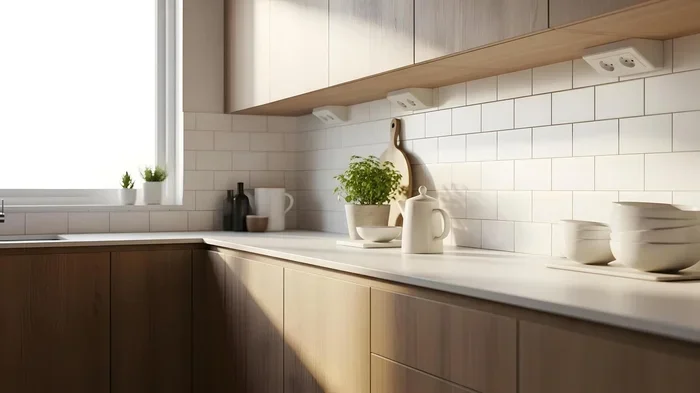
Keeping your kitchen wall tiles clean doesn’t have to be a chore. This guide shares simple, effective methods to remove grease, grime, and stains from kitchen wall tiles using everyday household items. You’ll learn proven techniques, quick fixes, and expert tips that make how to clean kitchen wall tiles quick and painless.
Your kitchen wall tiles take a beating every single day. Splashes from cooking, grease from frying, and steam from boiling pots all leave their mark. Over time, those marks turn into stubborn stains that seem impossible to remove. If you have ever stood in front of your kitchen wall and wondered how to bring it back to life, you are not alone.
How to clean kitchen wall tiles is a topic that many homeowners search for, and for good reason. Kitchen tiles collect dirt, grease, and grime faster than almost any other surface in your home. The good news is that you do not need expensive products or hours of free time to get the job done. With the right approach and a few simple ingredients, your wall tiles can look brand new again.
In this guide, we will walk you through easy, practical methods that actually work. We will cover everything from daily maintenance to tackling tough stains. You will find helpful tips, common mistakes to avoid, and expert insights that save you time and money. Whether your tiles are ceramic, porcelain, or glass, this guide has you covered.
Key Takeaways
- Baking soda and vinegar work wonders for removing grease and grime from kitchen wall tiles.
- Daily wiping prevents buildup and keeps tiles looking fresh longer.
- Steam cleaners offer a chemical-free deep cleaning option for stubborn stains.
- Sealing grout lines protects your tiles and makes future cleaning much easier.
- Avoid abrasive cleaners that can damage tile surfaces and remove shine.
- Homemade cleaning solutions save money and are safer for your family.
- Regular maintenance is the secret to sparkling tiles with minimal effort.
📑 Table of Contents
- Why Kitchen Wall Tiles Get Dirty So Fast
- Best Methods to Clean Kitchen Wall Tiles
- How to Clean Grout Lines Between Tiles
- Daily and Weekly Cleaning Routine for Wall Tiles
- Common Mistakes to Avoid When Cleaning Kitchen Tiles
- Quick Tips for Sparkling Wall Tiles
- Comparison of Cleaning Methods
- Expert Insights on Kitchen Tile Care
- How Often Should You Deep Clean Kitchen Wall Tiles
- Eco-Friendly Cleaning Options for Kitchen Tiles
- Conclusion
Why Kitchen Wall Tiles Get Dirty So Fast
Understanding why your tiles get dirty helps you clean them more effectively. Kitchen wall tiles face unique challenges that other surfaces do not encounter. Let us look at the main culprits behind dirty wall tiles.
The Role of Cooking Grease
Every time you cook, tiny grease particles float into the air. They settle on your wall tiles and stick to the surface. Over days and weeks, this grease builds up into a visible film. The area directly above your stove is usually the worst affected. Even cooking with a lid does not stop all grease from reaching your tiles.
Steam and Moisture
Boiling water, steaming vegetables, and running the dishwasher all create moisture. This moisture carries minerals and food particles that settle on tile surfaces. In humid kitchens, this problem gets even worse. The moisture can also seep into grout lines and cause discoloration over time.
Food Splashes and Spatters
Cooking pasta, frying meat, and making sauces inevitably lead to splashes. These food particles contain oils, acids, and pigments that stain tiles. Tomato sauce splashes are a classic example of a stubborn kitchen stain. The longer food sits on tiles, the harder it becomes to remove.
Best Methods to Clean Kitchen Wall Tiles
Now that you understand what causes dirty tiles, let us explore the most effective cleaning methods. Each method targets different types of grime and stains. You can pick the one that works best for your situation.
Method 1: Baking Soda Paste
Baking soda is one of the most versatile cleaning agents in your home. It is gentle enough for daily use yet powerful enough to cut through grease. Here is how to use it for kitchen wall tile cleaning.
- Mix three tablespoons of baking soda with a small amount of water.
- Stir until you form a thick paste.
- Apply the paste directly to the dirty tile surfaces.
- Let it sit for 10 to 15 minutes.
- Scrub gently with a soft brush or microfiber cloth.
- Rinse thoroughly with warm water and dry with a clean cloth.
This method works especially well on grease buildup and light grout stains. You can repeat this process once a week to keep your tiles looking great.
Method 2: Vinegar and Water Solution
White vinegar is a natural acid that breaks down mineral deposits and soap scum. It is safe for most tile types and leaves no harmful residue. This solution is perfect for daily tile maintenance and light cleaning.
- Mix equal parts white vinegar and warm water in a spray bottle.
- Spray the solution generously onto the tile surface.
- Let it sit for 2 to 3 minutes.
- Wipe with a damp microfiber cloth.
- Rinse with clean water and dry thoroughly.
For tougher grime, let the vinegar solution sit for 10 minutes before wiping. The acidity helps dissolve hardened grease and soap residue effectively.
Method 3: Dish Soap and Warm Water
Sometimes the simplest solutions are the best. A mixture of mild dish soap and warm water handles most everyday dirt and light grease. This is an excellent gentle tile cleaner for regular use.
- Add a few drops of dish soap to a bucket of warm water.
- Dip a soft sponge or cloth into the solution.
- Wipe the tile surface in circular motions.
- Rinse the sponge frequently and repeat as needed.
- Dry the tiles with a clean, lint-free cloth.
This method is safe for all tile types and will not damage the surface or the grout. It is also ideal for cleaning tiles around the kitchen sink area.
Method 4: Steam Cleaning
If you prefer a chemical-free approach, a steam cleaner is an excellent choice. Steam uses high heat to dissolve grease and kill bacteria without any cleaning chemicals. This method is perfect for deep tile cleaning and works wonderfully on grout lines.
Hold the steam cleaner nozzle about two inches from the tile surface. Move it slowly across each tile, focusing on greasy areas. The steam loosens dirt instantly, and a microfiber cloth can wipe it away immediately. Steam cleaning is especially effective for removing stubborn stains that resist other methods.
Method 5: Hydrogen Peroxide for Stubborn Stains
For really tough stains that refuse to budge, hydrogen peroxide is a powerful option. It is a natural bleaching agent that lifts discoloration without damaging tiles. Use this method sparingly for tough kitchen tile stains only.
- Apply 3% hydrogen peroxide directly to the stain.
- Let it sit for 5 to 10 minutes.
- Scrub gently with a soft-bristled brush.
- Wipe clean with a damp cloth.
- Rinse the area thoroughly with water.
Always test hydrogen peroxide on a small, hidden area first. While it is safe for most tiles, it is better to be cautious with colored or patterned tiles.
How to Clean Grout Lines Between Tiles
Grout lines are the most challenging part of kitchen wall tile maintenance. They are porous and absorb grease, moisture, and food particles easily. Dirty grout makes even clean-looking tiles appear dull and neglected.
Baking Soda and Vinegar for Grout
This classic combination creates a fizzing reaction that lifts dirt from deep within grout lines. Sprinkle dry baking soda directly onto the grout. Then spray vinegar over it and let the mixture bubble for a few minutes. Scrub with a small brush or old toothbrush and rinse with water. This method is one of the most popular grout cleaning hacks for a reason.
Hydrogen Peroxide Paste for Grout
For discolored grout, mix baking soda with hydrogen peroxide to form a paste. Apply it to the grout lines and let it sit for 15 minutes. Scrub gently and rinse. This method is particularly effective on yellowed grout caused by years of grease and moisture exposure.
Oxygen Bleach for Deep Grout Cleaning
Oxygen bleach is a safer alternative to chlorine bleach. It penetrates grout lines and lifts deep stains without damaging the tile surface. Dissolve oxygen bleach powder in warm water and apply it to the grout. Let it sit for 15 to 30 minutes, then scrub and rinse. This is one of the best deep cleaning solutions for heavily stained grout.
Daily and Weekly Cleaning Routine for Wall Tiles
Prevention is always easier than cure. A consistent cleaning routine keeps your kitchen wall tiles looking great and reduces the need for heavy-duty cleaning sessions.
Daily Cleaning Habits
Spend just five minutes after cooking to wipe down your wall tiles. Use a damp microfiber cloth with a small amount of mild dish soap. Focus on the area above your stove and around the backsplash. This simple habit prevents grease from hardening and becoming difficult to remove.
- Wipe tiles with a damp cloth after every cooking session.
- Splash water on tiles immediately after boiling or steaming food.
- Keep a small spray bottle of vinegar solution near the stove.
- Dry tiles with a clean cloth to prevent water spots.
Weekly Deep Cleaning Routine
Set aside 20 to 30 minutes once a week for a more thorough cleaning session. This prevents buildup and keeps your tiles in excellent condition.
- Spray the vinegar and water solution across all wall tiles.
- Let it sit for 3 to 5 minutes.
- Scrub grout lines with a baking soda paste and brush.
- Wipe all tiles with a clean damp cloth.
- Dry tiles completely with a microfiber towel.
- Inspect for any spots that need extra attention.
Monthly Maintenance
Once a month, give your tiles extra care. Apply a tile sealer to grout lines to protect them from moisture and stains. Polish ceramic tiles with a small amount of olive oil on a soft cloth to restore their natural shine. This monthly routine significantly extends the time between deep cleaning sessions.
Common Mistakes to Avoid When Cleaning Kitchen Tiles
Even with the best intentions, some cleaning habits can damage your tiles or make the problem worse. Here are common mistakes you should avoid.
Using Abrasive Cleaners or Scrubbers
Steel wool, harsh scrub pads, and abrasive powders scratch tile surfaces. These scratches create tiny grooves where dirt and grease accumulate faster. Over time, your tiles look dull and aged even though they are clean. Always use soft cloths, microfiber towels, or gentle brushes when cleaning wall tiles.
Ignoring the Grout
Many people focus only on the tile surface and forget about the grout. Dirty grout undermines the entire look of your backsplash. Make grout cleaning a regular part of your routine to keep your kitchen looking its best.
Using Too Much Water
Excess water seeps behind tiles and into grout lines. This causes moisture damage, mold growth, and loosening of the adhesive. Use damp cloths rather than soaking wet ones. Always dry tiles thoroughly after cleaning.
Skipping the Rinse
Cleaning solutions left on tiles can leave residue that attracts dirt. Always rinse tiles thoroughly after applying any cleaning product. A final wipe with clean water ensures no residue remains behind.
Quick Tips for Sparkling Wall Tiles
Here are some bonus tips that make a real difference in your tile cleaning results.
- Clean while cooking. Wipe splashes immediately before they dry and harden.
- Use a microfiber cloth. These cloths trap dirt better than regular rags and leave no lint behind.
- Clean in sections. Work on one section of the wall at a time for thorough results.
- Dry tiles after rinsing. This prevents water spots and keeps tiles looking shiny.
- Apply tile sealer annually. Sealed grout repels stains and makes cleaning much easier.
- Keep a dedicated kitchen cleaning cloth. Using the same cloth for tiles prevents cross-contamination with other surfaces.
Comparison of Cleaning Methods
Different methods work better for different situations. Use this table to choose the right approach for your cleaning needs.
| Cleaning Method | Best For | Effort Level | Frequency |
|---|---|---|---|
| Baking Soda Paste | Grease buildup and light stains | Medium | Weekly |
| Vinegar Solution | Daily maintenance and soap scum | Low | Daily or Weekly |
| Dish Soap and Water | Light dirt and regular cleaning | Low | Daily or Weekly |
| Steam Cleaning | Deep cleaning and chemical-free option | Medium | Monthly |
| Hydrogen Peroxide | Stubborn stains and discoloration | High | As needed |
| Oxygen Bleach | Deep grout cleaning | Medium | Monthly |
Each method has its place in your cleaning routine. The vinegar solution works great for quick daily wipes. The baking soda paste handles weekly deep cleaning. Steam cleaning and oxygen bleach serve as monthly deep treatments. Combining these methods gives you the best results with minimal effort.
Expert Insights on Kitchen Tile Care
Professional cleaners share valuable insights that can transform your approach to tile maintenance. These expert tips go beyond basic cleaning methods.
Prevention Is Better Than Cure
Tile experts emphasize that prevention plays the biggest role in keeping kitchen tiles clean. Installing a quality backsplash splash guard behind the stove makes a significant difference. Even a simple removable splash guard saves you hours of scrubbing over time. Experts also recommend cooking with lids on pots whenever possible to reduce grease and steam reaching your tiles.
The Right Tools Make All the Difference
Professionals recommend microfiber cloths as the single best investment for tile cleaning. They pick up dirt more effectively than cotton rags and do not leave streaks. A good quality spray bottle with a fine mist setting helps cleaning solutions cover tiles evenly without dripping. For grout lines, a small angled brush reaches tight spaces that regular cloths cannot.
Know Your Tile Type
Different tile materials require different care approaches. Ceramic tiles are durable and handle most cleaning solutions well. Porcelain tiles are even more resistant to moisture and stains. Glass tiles look beautiful but show fingerprints and smudges easily. Natural stone tiles like marble or travertine need pH-neutral cleaners to avoid etching. Always check the manufacturer’s cleaning recommendations before trying any new product on your tiles.
How Often Should You Deep Clean Kitchen Wall Tiles
The frequency of deep cleaning depends on how much you cook and the layout of your kitchen. For most households, a thorough deep cleaning session every two to four weeks works well. If you cook frequently or fry foods often, weekly deep cleaning may be necessary.
Pay attention to visible signs that indicate it is time for a deep clean. Grease film appearing on tiles, discoloration in grout lines, and sticky residue after cooking are clear signals. Addressing these issues promptly prevents them from becoming permanent stains.
Eco-Friendly Cleaning Options for Kitchen Tiles
Many homeowners prefer eco-friendly cleaning solutions that are safe for their families and the environment. Fortunately, most effective tile cleaning methods use natural ingredients that are already in your kitchen.
Baking soda, white vinegar, lemon juice, and castile soap form the foundation of green tile cleaning. These ingredients are non-toxic, biodegradable, and affordable. They work just as well as commercial chemical cleaners for most kitchen tile cleaning tasks. Using these natural solutions also means you do not have to worry about chemical fumes in your cooking space.
When you need a stronger cleaning power, oxygen bleach offers an eco-friendly alternative to chlorine-based products. It breaks down into safe, natural components after use and does not harm your plumbing or the environment. These green cleaning choices make how to clean kitchen wall tiles safer for everyone in your home.
Conclusion
How to clean kitchen wall tiles does not have to be a difficult or time-consuming task. With the right methods and a consistent routine, you can keep your kitchen tiles looking spotless all year round. From simple daily wiping to weekly deep cleaning sessions, each step contributes to maintaining beautiful, hygienic tiles in your kitchen.
Start with the basics like vinegar solutions and baking soda paste. Add steam cleaning and hydrogen peroxide for tougher jobs. Protect your grout with sealer and make daily wiping a habit. These simple practices save you time, money, and effort in the long run.
The key to sparkling wall tiles is consistency. Small efforts every day prevent the buildup that leads to heavy scrubbing sessions. Pick the methods that work best for your kitchen and stick with them. Your tiles will reward you with a bright, clean appearance that makes your entire kitchen feel fresh and welcoming. Start today, and you will wonder why you did not begin sooner.
Frequently Asked Questions
What is the best way to clean greasy kitchen wall tiles?
Baking soda paste is the most effective solution for greasy kitchen wall tiles. Mix three tablespoons of baking soda with a little water, apply it to the greasy areas, and let it sit for 15 minutes. Scrub gently with a soft brush and rinse with warm water. For heavy grease, follow up with a vinegar and water spray to remove any remaining residue.
Can I use bleach to clean kitchen wall tiles?
You can use oxygen bleach on grout lines, but avoid chlorine bleach on colored or patterned tiles. Chlorine bleach can discolor and damage tile surfaces over time. Always test any bleach product on a small hidden area first. Oxygen bleach is a safer alternative that works well for most tile types.
How do I remove hard water stains from kitchen wall tiles?
White vinegar is excellent for removing hard water stains. Mix equal parts vinegar and warm water in a spray bottle, apply it to the stained tiles, and let it sit for 10 minutes. Scrub gently with a soft cloth and rinse thoroughly. For stubborn hard water deposits, make a baking soda paste and apply it directly to the affected areas before scrubbing.
How often should I deep clean my kitchen wall tiles?
Most kitchens benefit from a deep cleaning session every two to four weeks. If you cook frequently or fry foods regularly, weekly deep cleaning is recommended. Daily wiping after cooking sessions reduces the need for intensive cleaning and keeps your tiles looking great between deep cleans.
Is steam cleaning safe for all types of kitchen wall tiles?
Steam cleaning is safe for ceramic, porcelain, and glass tiles. However, it may not be suitable for natural stone tiles like marble or travertine because the heat and moisture can damage the stone’s surface. Always check with the tile manufacturer before using a steam cleaner on natural stone or sealed surfaces.
What household items can I use to clean kitchen wall tiles?
You likely already have everything you need in your kitchen. Baking soda, white vinegar, dish soap, hydrogen peroxide, and lemon juice are all effective cleaning agents for wall tiles. A microfiber cloth and a soft brush are the best tools for applying these solutions and achieving excellent cleaning results without harsh chemicals.

