
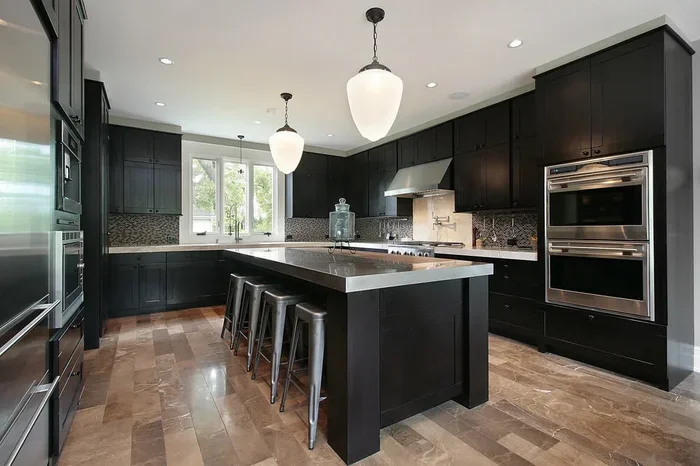
Do dark cabinets make kitchen smaller? The short answer is no, but the way you use them matters. Dark cabinets can shrink a kitchen if paired with heavy countertops and poor lighting, but smart design tricks can make them work beautifully in any space. In this guide, we break down the truth about dark cabinets and share proven tips to keep your small kitchen feeling open and airy.
You’ve been dreaming of those sleek, moody dark cabinets you saw on Pinterest. But you also have a small kitchen, and a nagging question keeps popping up: do dark cabinets make kitchen smaller? It’s a fair worry. After all, dark colors can visually shrink a room. But the truth is more nuanced than you might think. With the right approach, dark cabinets can actually add depth and drama without making your space feel cramped.
The kitchen is the heart of the home. It’s where you cook, eat, and gather with family. When you’re planning a kitchen renovation, every choice matters. Cabinet color sits right at eye level, so it has a huge impact on how the room feels. Many homeowners fear that dark wood cabinets or black finishes will swallow up their limited square footage. But design rules are meant to be bent. Let’s explore the real science and art behind this popular question.
Key Takeaways
- Dark cabinets do not inherently shrink a kitchen: color alone doesn’t control perceived space. Lighting, contrast, and layout play bigger roles.
- Pair dark cabinets with light surfaces: a pale countertop, bright backsplash, and light flooring create balance and depth.
- Lighting is your best friend: under-cabinet LEDs, pendant lights, and open shelves bounce light around and keep the room feeling airy.
- Choose the right finish: glossy or semi-gloss dark paint reflects light, while matte absorbs it and can make a kitchen feel heavier.
- Avoid common mistakes: don’t use dark upper cabinets in a small kitchen, and don’t skip visual breaks like open shelving or glass inserts.
- Dark cabinets can add value and style: they create a dramatic, high-end look that many buyers love when executed well.
📑 Table of Contents
Do Dark Cabinets Make Kitchen Smaller? The Real Answer
The short answer is no. Do dark cabinets make kitchen smaller in a fixed, unchangeable way? Not at all. The perceived size of a kitchen depends on a mix of factors. Color is just one piece of the puzzle. Lighting, contrast, countertop materials, and even the layout matter just as much. A dark kitchen with good design can feel cozy and luxurious, not tiny.
Think about it this way. A small room painted in light gray can still feel cramped if it has poor lighting and cluttered surfaces. Conversely, a small kitchen with dark cabinets can feel expansive when you use reflective surfaces and smart storage. The key is balance. Dark cabinets create visual weight. That weight can anchor a room or make it feel heavy, depending on what you surround them with.
Why Color Perception Is Tricky
Our brains interpret color based on surrounding context. A dark cabinet against a white wall looks different than the same dark cabinet against a dark wall. Light colors tend to recede, making walls feel farther away. Dark colors advance, making surfaces feel closer. But this effect is not a strict rule. It’s heavily influenced by the room’s natural light, artificial light, and the finishes you choose. In a small kitchen, you can use dark cabinets to create a focal point without shrinking the space.
Quick Tip: If you love dark cabinets but worry about a small kitchen, start with dark lower cabinets and keep the uppers light. This creates a grounded feel without overwhelming the eye.
How Color and Light Trick Your Brain in a Kitchen
Color and light work together to shape how we see a room. When you understand this, you can use dark cabinets to your advantage. The goal is to keep the space feeling open while adding character. Here’s how it works.
The Role of Natural Light
Natural light is the biggest equalizer. A kitchen with big windows and dark cabinets will feel bright and airy because sunlight bounces off every surface. If your kitchen lacks windows, you’ll need to compensate with artificial light. Dark cabinets absorb light, so a dim kitchen with dark finishes can feel cave-like. But add enough layered lighting, and the same dark cabinets will glow beautifully.
Artificial Lighting Strategies
Lighting is not just about brightness. It’s about placement. Under-cabinet lights wash the countertop with light and draw the eye upward. Pendant lights over the island or dining area create vertical interest. Recessed ceiling lights keep the room feeling open. When you combine these with dark cabinets, you create depth. The light highlights the cabinets, and the shadows add dimension. This makes the kitchen feel layered and spacious, not small.
Expert Insight: “In small kitchen design, I always tell clients to think of light as a material. It’s as important as your countertops or cabinets. Dark cabinets need more light, but they reward you with a rich, sophisticated look that light cabinets simply can’t achieve.” — Kitchen designer, Sarah Lin
When Dark Cabinets Work and When They Don’t
Not every kitchen is the same. Dark cabinets shine in some layouts and struggle in others. Let’s break down the situations where they work best and where you should think twice.
Small Kitchens with Dark Cabinets
A small kitchen can absolutely handle dark cabinets. The trick is to keep the surrounding elements light and reflective. Use a white or light gray backsplash. Choose a pale butcher block or quartz countertop. Keep the flooring light, whether it’s a warm oak or a soft gray tile. This creates a contrast that makes the dark cabinets pop without closing in the space. The eye travels from the light surfaces to the dark cabinets and back, creating a sense of movement that prevents the room from feeling static and small.
Large Kitchens and Open-Plan Spaces
If you have a large kitchen or an open-plan layout, dark cabinets can be a stunning centerpiece. They add definition and warmth to a big space that might otherwise feel cold or sterile. In an open-plan kitchen, dark cabinets can visually anchor the cooking area and separate it from the living room. This is a great use of dark kitchen cabinets to create zones without walls.
When to Avoid Dark Cabinets
There are times when dark cabinets can backfire. If your kitchen has low ceilings and no natural light, dark cabinets can make it feel like a closet. Also, if you have a very busy layout with lots of upper cabinets, dark finishes on both top and bottom can create a heavy, oppressive feel. In these cases, light cabinets or a two-tone approach works much better. A common mistake is using dark paint on both the cabinets and the walls. This removes all contrast and makes the room feel flat and small.
Common Mistake: Don’t use dark upper cabinets in a small kitchen. This blocks light from reaching the ceiling and makes the room feel like a tunnel. Keep the upper cabinets light or open them up with glass inserts.
Design Tricks to Make Dark Cabinets Feel Spacious
If you’ve decided to go with dark cabinets, you can use a handful of design tricks to keep your kitchen feeling open. These are simple, effective strategies that any homeowner can apply.
Use Light Countertops and Backsplashes
A light countertop is one of the easiest ways to balance dark cabinets. White marble, light quartz, or a pale butcher block reflects light and creates a strong contrast. The backsplash is another opportunity. A bright subway tile, a glossy white panel, or even a mirror-finish backsplash can bounce light around the room. This contrast makes the dark cabinets feel intentional and stylish, not overwhelming.
Add Adequate Lighting
We’ve touched on lighting, but it deserves its own spotlight. Under-cabinet LED strips are a game-changer. They illuminate the countertop and make the dark cabinets look like they’re floating. Pendants with warm light create a cozy glow. Recessed lights in the ceiling keep the room feeling tall. The combination of these light sources ensures that no corner of the kitchen feels shadowy or cramped.
Keep the Floor and Walls Light
The floor and walls are your backdrop. A light floor, whether it’s a pale wood or a light gray tile, keeps the eye level feeling calm. Light walls, especially on the sides facing windows, reflect natural light deeper into the room. If you want a pop of color, use it on the walls opposite the cabinets. This draws the eye across the room and adds depth without adding weight.
Open Shelving and Glass Inserts
Breaking up solid cabinet fronts is a powerful trick. Open shelving on the upper portion of the kitchen creates breathing room. You can display light-colored dishes or plants. Glass inserts in upper cabinets let you see through the dark wood, which reduces the visual mass. These small openings allow light to pass through and make the kitchen feel less boxed in.
Choose the Right Finish
The finish of your dark cabinets matters more than you might think. A glossy or semi-gloss finish reflects light and adds a subtle shine. This makes the cabinets feel sleek and modern. A matte finish absorbs light and can feel heavier, especially in a small kitchen. If you’re set on a matte look, compensate with even more lighting and lighter surrounding surfaces. A satin finish often hits the sweet spot between elegance and reflectivity.
Quick Tip: When choosing dark cabinet paint, test a sample on a board and place it in your kitchen at different times of day. Observe it in morning light, afternoon light, and evening light. The same dark color can look completely different under varying conditions.
Two-Tone Cabinetry: A Winning Compromise
If you’re still unsure, consider two-tone cabinetry. Use dark cabinets on the lower half and light cabinets on the upper half. This is a classic design move that works in almost any kitchen size. The dark base grounds the room, and the light top keeps things airy. You can also use dark cabinets on one accent wall and keep the rest light. This adds interest without the commitment of an all-dark kitchen.
Pros and Cons of Dark Kitchen Cabinets
Every choice has trade-offs. Dark cabinets are no exception. Understanding the pros and cons helps you make an informed decision that fits your lifestyle and your kitchen’s size.
| Pros | Cons |
|---|---|
| Creates a dramatic, high-end look | Can absorb light in dim kitchens |
| Hides fingerprints and smudges better than light cabinets | May make a small kitchen feel heavier if not balanced |
| Adds depth and visual interest | Requires more thoughtful lighting design |
| Pairs well with many countertop materials | Dark wood can show dust and scratches more than painted cabinets |
| Trendy and timeless when done right | Can feel dated if the style is too bold for your home’s architecture |
The pros often outweigh the cons when you plan carefully. The biggest factor is always the lighting and the contrast you create around the cabinets. A well-lit kitchen with dark cabinets feels luxurious. A dark kitchen with dark cabinets and no contrast feels small and dated.
Expert Insight: “The biggest mistake I see with dark cabinets is a lack of contrast. If everything in the kitchen is dark, the room loses its shape. Always have at least one very light element, whether it’s the countertop, the ceiling, or the walls.” — Renovation contractor, Mike Torres
Final Verdict: Should You Go Dark?
So, do dark cabinets make kitchen smaller? The answer is a clear no. Dark cabinets are a design choice, not a size sentence. They can make a kitchen feel intimate, sophisticated, and full of character. The key is to respect the principles of light, contrast, and balance. If you have a small kitchen, don’t shy away from dark cabinets. Just be intentional about the surfaces around them. Use light countertops, bright backsplashes, and layered lighting. Keep the upper cabinets light or open. And choose a finish that reflects rather than absorbs light.
A kitchen renovation is a big investment. You want a space that looks beautiful and functions well for years. Dark cabinets can deliver both. They add a sense of drama and elegance that light cabinets simply can’t match. When you combine dark cabinets with smart design, you get a kitchen that feels spacious, stylish, and uniquely yours. Trust your instincts, plan the lighting carefully, and enjoy the process of creating a kitchen you’ll love.
Frequently Asked Questions
Will dark cabinets make my small kitchen look dirty?
Not necessarily. Dark cabinets can actually hide dust and fingerprints better than light ones. The key is to choose a finish that’s easy to wipe down and to keep the surrounding surfaces clean. A light countertop and backsplash will balance the dark cabinets and make the whole kitchen feel fresh.
What color cabinets make a small kitchen look bigger?
Light-colored cabinets like white, cream, or pale gray reflect the most light and create an airy feel. But you can also use dark cabinets if you pair them with plenty of light surfaces and good lighting. A two-tone approach with light uppers and dark lowers works well in small spaces.
Are dark kitchen cabinets out of style?
Dark kitchen cabinets are not out of style. They have remained popular for years and continue to be a favorite in modern and transitional designs. Trends come and go, but dark cabinets offer a timeless, sophisticated look that many homeowners value.
Can I use dark cabinets with a dark countertop?
You can, but it requires careful planning. If both the cabinets and the countertop are dark, you need strong contrast elsewhere, like a light backsplash, light flooring, and ample lighting. Without contrast, the kitchen can feel flat and heavy.
How do I light a kitchen with dark cabinets?
Layer your lighting. Use under-cabinet LED strips to illuminate the countertops, pendant lights over the island or dining area, and recessed ceiling lights for general brightness. This combination ensures that dark cabinets are highlighted and the room feels open and welcoming.
Do dark wood cabinets make a kitchen feel smaller than painted dark cabinets?
The material itself matters less than the finish and the surrounding design. A dark wood cabinet with a glossy finish reflects light, while a matte painted dark cabinet absorbs it. Both can work in a small kitchen if you balance them with light surfaces and good lighting.

