
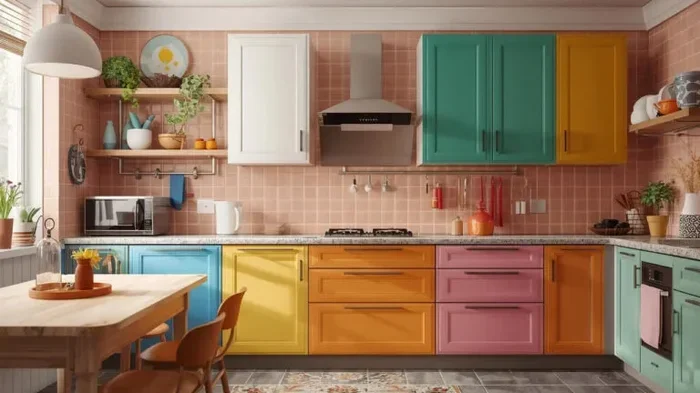
Kitchen caninet colors are changing the way homeowners refresh their cooking spaces. Whether you prefer bold, modern tones or soft, classic shades, the right kitchen caninet colors can completely change your kitchen’s feel. In this guide, you will learn the top color choices, styling tips, and expert insights to help you pick the perfect look for your home.
Your kitchen is the heart of your home. It is where you cook, eat, and spend time with family. So it makes sense that you want it to look amazing. One of the easiest ways to give your kitchen a fresh new feel is by changing the colors. And when it comes to kitchen caninet colors, the options are truly endless.
Maybe your current cabinets look dated. Or perhaps you just want a change. Either way, choosing the right kitchen caninet colors can make a huge difference. You do not need to spend a fortune on a full renovation. A simple color update can completely transform the look and feel of your space.
In this article, we will walk you through everything you need to know about kitchen caninet colors. We will cover the best shades, popular trends, and practical tips to help you choose the perfect look. By the end, you will feel confident picking kitchen caninet colors that match your style and your home.
Key Takeaways
- Kitchen caninet colors offer endless options to match any style, from modern to traditional.
- Neutral kitchen caninet colors like white and gray create a clean, timeless look.
- Bold kitchen caninet colors such as navy and emerald green add personality and depth.
- The right kitchen caninet colors depend on your lighting, cabinet style, and kitchen size.
- Trending kitchen caninet colors for 2024 include warm tones and earthy hues.
- Painting kitchen cabinets is a cost-effective way to update your space with new kitchen caninet colors.
- Pairing kitchen caninet colors with the right hardware and backsplash makes a big difference.
📑 Table of Contents
- Why Kitchen Caninet Colors Matter So Much
- Popular Kitchen Caninet Colors for Every Style
- Trending Kitchen Caninet Colors for 2024
- How to Choose the Right Kitchen Caninet Colors for Your Home
- Kitchen Caninet Colors and Design Tips to Elevate Your Space
- Common Mistakes to Avoid When Choosing Kitchen Caninet Colors
- Expert Insights on Choosing the Best Kitchen Caninet Colors
- Conclusion
Why Kitchen Caninet Colors Matter So Much
Colors set the mood of a room. Think about how a bright white kitchen feels different from a deep blue one. The right kitchen caninet colors can make your space feel warm, calm, or energetic. They can also make a small kitchen look bigger or a large kitchen feel cozy.
Your kitchen cabinets take up a lot of visual space. That is why the colors you choose matter so much. When you pick great kitchen caninet colors, you are really choosing the overall vibe of your kitchen. It affects everything from the lighting to how guests feel when they walk in.
Here are a few reasons why kitchen caninet colors are so important:
- They set the tone for your entire kitchen design.
- They can make a small kitchen feel more open and airy.
- They add value to your home if you ever decide to sell.
- They reflect your personal style and taste.
- They are a cost-effective way to refresh your space without a full remodel.
How Colors Affect Your Kitchen Mood
Different colors create different feelings. Warm tones like beige and soft yellow make a kitchen feel welcoming. Cool tones like gray and blue create a calm, clean atmosphere. And bold colors like red or deep green add energy and personality.
When choosing kitchen caninet colors, think about how you use your kitchen. Do you cook breakfast every morning and want a peaceful start? Go with soft, light shades. Do you love hosting dinner parties and want a dramatic feel? Try darker, richer tones. The mood you want should guide your choice of kitchen caninet colors.
Popular Kitchen Caninet Colors for Every Style
Not sure where to start? You are not alone. Many homeowners feel overwhelmed by all the choices. The good news is that there are kitchen caninet colors for every style and taste. Let us break them down into simple categories.
Classic White Kitchen Caninet Colors
White is always a popular choice for kitchen cabinets. It makes any kitchen look clean and fresh. White kitchen caninet colors work well in both small and large spaces. They also pair easily with almost any countertop or backsplash.
If you want a bright and airy kitchen, white is a safe bet. You can choose a warm white for a cozy feel or a cool white for a modern look. White kitchen caninet colors also make it easy to change your decor later without repainting.
Warm Neutral Kitchen Caninet Colors
Neutral tones like beige, cream, and taupe are timeless. These kitchen caninet colors give your kitchen a warm and inviting feel. They work beautifully with wood accents and natural materials.
Warm neutral kitchen caninet colors are perfect if you want a classic look that will not go out of style. They also hide fingerprints and smudges better than pure white. If you want a kitchen that feels comfortable and relaxed, consider warm neutrals.
Bold and Dark Kitchen Caninet Colors
Do you want your kitchen to make a statement? Bold and dark kitchen caninet colors are the way to go. Deep navy, forest green, and charcoal gray are all trending right now. These rich shades add depth and sophistication to any kitchen.
Dark kitchen caninet colors work best in kitchens with good natural light. They can also make a big impact in open-concept spaces. Pair dark cabinets with light countertops and walls to balance the look.
Trending Kitchen Caninet Colors for 2024
Design trends change every year. But some colors stand out as top picks for 2024. If you want your kitchen to feel current and stylish, these trending kitchen caninet colors are worth considering.
Earthy and Warm Tones
Earthy tones like terracotta, warm clay, and soft olive are very popular this year. These kitchen caninet colors bring a natural, grounded feel to your space. They work especially well with wooden countertops and brass hardware.
Earthy kitchen caninet colors create a cozy and inviting atmosphere. They also pair nicely with plants and natural textures like linen and stone. If you love a warm and organic feel, these shades are a great choice.
Soft Pastels and Muted Tones
Soft pastels like dusty pink, sage green, and pale lavender are trending in kitchen design. These gentle kitchen caninet colors add a touch of charm without being too loud. They are perfect for cottage-style or French-inspired kitchens.
Muted tones are also a great option if you want something subtle but interesting. They give your kitchen a soft and elegant look. Plus, they go well with white trim and light-colored walls.
Deep Jewel Tones
Deep jewel tones like emerald green, sapphire blue, and ruby red are making a comeback. These rich kitchen caninet colors add drama and luxury to any kitchen. They are perfect for homeowners who want a bold and unique look.
Jewel-tone kitchen caninet colors work best as accent cabinets or in open shelving. You can also use them on an island for a striking focal point. Pair them with gold or brass hardware for a glamorous finish.
How to Choose the Right Kitchen Caninet Colors for Your Home
With so many options, picking the right kitchen caninet colors can feel tricky. But it does not have to be. A few simple factors can help you narrow down your choices and find the perfect fit.
Consider Your Kitchen Size
The size of your kitchen plays a big role in which kitchen caninet colors will work best. Lighter colors like white and soft gray make small kitchens feel more open. Darker colors add drama and work well in larger kitchens with plenty of light.
If you have a small kitchen, stick with light and bright kitchen caninet colors. Avoid dark shades on all your cabinets, as they can make the space feel cramped. Instead, you can use dark colors on just the lower cabinets and keep the uppers light.
Look at Your Existing Decor
Your kitchen does not exist in a vacuum. It is part of your whole home. So look at the colors in your flooring, countertops, and walls. Your kitchen caninet colors should complement these elements, not clash with them.
Take a few photos of your kitchen and hold up paint swatches next to them. This simple trick can help you see how well different colors work with your existing decor. It is an easy way to test kitchen caninet colors before you commit.
Think About Your Lifestyle
How do you actually use your kitchen? If you have kids or pets, you might want kitchen caninet colors that hide messes well. Lighter colors show fingerprints more easily. Darker colors and busy patterns can be more forgiving.
Also think about how long you plan to stay in your home. If you love bold colors and plan to move soon, go for it. If you want a long-lasting look, stick with neutral kitchen caninet colors that you will not get tired of.
Test Before You Commit
Never underestimate the power of testing. Buy a small can of paint and try it on a hidden area of your cabinet. Look at it in the morning, afternoon, and evening light. Colors can look very different depending on the lighting.
Testing is one of the best tips for choosing kitchen caninet colors. It takes a little extra time, but it saves you from costly mistakes. You will feel much more confident once you see the real color in your actual kitchen.
Kitchen Caninet Colors and Design Tips to Elevate Your Space
Choosing the right colors is only half the battle. How you use them matters too. A few smart design tips can help you get the most out of your kitchen caninet colors.
Pair with the Right Countertops
Your countertop is one of the biggest surfaces in your kitchen. So it needs to work with your cabinet colors. Light cabinets pair well with bold countertops. Dark cabinets look great with light stone or quartz surfaces.
For example, if you choose white kitchen caninet colors for your cabinets, a dark granite countertop adds contrast and elegance. If you go with dark navy cabinets, a light marble countertop keeps the balance.
Do Not Forget Your Backsplash
The backsplash ties your kitchen together. It should complement both your cabinets and your countertops. A simple white subway tile works with almost any kitchen caninet colors. But you can also use patterned tiles to add extra interest.
If your cabinets are bold, keep the backsplash simple. If your cabinets are neutral, you can use a more colorful or textured backsplash. This balance makes your kitchen look polished and well thought out.
Update Your Hardware
Small details make a big difference. New cabinet hardware can completely change the look of your kitchen. Pair your kitchen caninet colors with hardware that matches the style you want.
Brushed nickel works well with most colors. Brass adds warmth to neutral and earthy tones. Black hardware looks sleek and modern with bold dark cabinets. Even a simple hardware swap can refresh the entire feel of your kitchen.
Add Open Shelving or Glass Fronts
If you want to break up a lot of cabinet color, try adding open shelving or glass-front doors. These features add visual interest and make your kitchen feel less boxed in. You can use open shelves to display colorful dishes or plants.
This is a great way to use your kitchen caninet colors in a creative way. You can mix solid cabinets with open shelves for a dynamic and layered look. It adds depth without adding clutter.
Common Mistakes to Avoid When Choosing Kitchen Caninet Colors
Even the best intentions can lead to mistakes. Here are some common pitfalls to watch out for when picking your kitchen caninet colors.
- Choosing a color only from a tiny swatch. Always look at the color on a large surface or in your actual kitchen.
- Ignoring the lighting in your kitchen. Natural light and artificial light can change how a color looks dramatically.
- Following trends blindly. Trends come and go. Pick colors you genuinely love and will enjoy for years.
- Using too many bold colors at once. Stick to one or two statement colors and keep the rest neutral.
- Forgetting about the ceiling and walls. Your kitchen caninet colors should work with the wall color and ceiling shade too.
Avoiding these mistakes will save you time, money, and frustration. Take your time, do your research, and trust your instincts. The best kitchen caninet colors are the ones that make you happy every time you walk into the room.
Expert Insights on Choosing the Best Kitchen Caninet Colors
We spoke with interior designers who shared their top advice on choosing kitchen caninet colors. Their insights can help you make a more informed decision.
Start with a mood board. Gather images of kitchens you love and look for common color themes. This helps you identify the kitchen caninet colors that naturally appeal to you. A mood board takes the guesswork out of the process.
Use the 60-30-10 rule. This classic design rule suggests using 60% of a dominant color, 30% of a secondary color, and 10% of an accent color. Apply this to your kitchen by choosing a main cabinet color, a secondary tone, and a small accent shade.
Do not be afraid of color. Many homeowners stick with safe white or wood tones out of fear. But the right kitchen caninet colors can truly transform your space. Even a small pop of color on a single cabinet or island can make a big impact.
Think long term. Trends fade, but good design lasts. Choose kitchen caninet colors that you will still love in five or ten years. Neutral base colors with the option to update accessories is a smart strategy.
Conclusion
Choosing the right kitchen caninet colors is one of the best ways to refresh your home. Whether you go with classic white, warm neutrals, or bold dark tones, the right color can completely change your kitchen. The key is to consider your space, your style, and your lifestyle.
Remember to test your colors, pair them with the right surfaces, and avoid common mistakes. With a little planning and creativity, your kitchen caninet colors can turn your cooking space into a room you truly love. So go ahead, pick your favorites, and start your kitchen transformation today.
The best part is that you do not need a big budget or a full renovation. A fresh coat of paint and some smart design choices are all it takes. Your dream kitchen is closer than you think. And the right kitchen caninet colors are the first step to getting there.
Frequently Asked Questions
What are the most popular kitchen caninet colors right now?
The most popular kitchen caninet colors right now include warm whites, soft grays, and earthy tones like terracotta and olive. Deep navy and emerald green are also trending for homeowners who want a bold look. These kitchen caninet colors work well with a variety of kitchen styles and decor.
Can I change my kitchen caninet colors without replacing cabinets?
Absolutely! Painting your cabinets is one of the most affordable ways to update your kitchen caninet colors. You can either paint them yourself or hire a professional. With the right paint and preparation, your cabinets can look brand new.
How do I know if a kitchen caninet color will work in my space?
Start by getting paint samples and testing them on your cabinets. Look at the colors in your kitchen at different times of the day. Consider your lighting, floor color, and countertop material. This will help you see if the kitchen caninet colors truly fit your space.
Are dark kitchen caninet colors a good idea for small kitchens?
Dark kitchen caninet colors can work in small kitchens if you use them strategically. Try dark lower cabinets with light upper cabinets. This creates contrast and keeps the room from feeling too heavy. Good lighting is also essential when using darker kitchen caninet colors.
What kitchen caninet colors add the most value to a home?
Neutral kitchen caninet colors like white, gray, and beige tend to appeal to the widest range of buyers. These shades are timeless and easy to style. If you are planning to sell your home, sticking with classic kitchen caninet colors is usually the safest choice.
How often should I update my kitchen caninet colors?
There is no set rule for how often to update your kitchen caninet colors. Some people repaint every five to ten years. Others keep the same colors for decades. It depends on your personal taste and how much your style evolves over time.

