
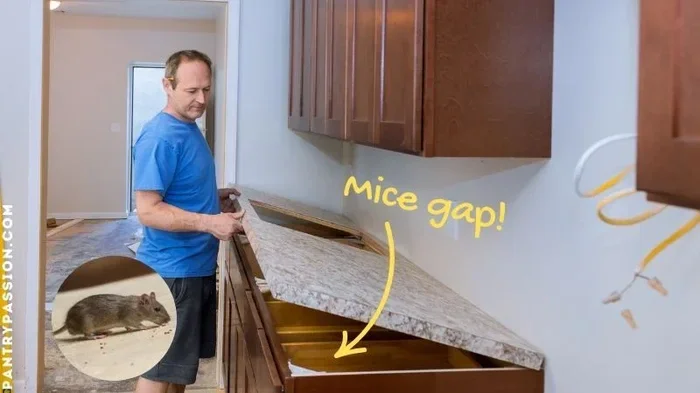
Keeping mice out of kitchen drawers is essential for a safe, clean home. This guide covers practical steps, natural repellents, and proven prevention methods that work fast. You will learn how to identify entry points, seal gaps, and use simple tricks that deter rodents for good. The how to keep mice out of kitchen drawers strategies here are easy, affordable, and effective for every home.
This is a comprehensive guide about how to keep mice out of kitchen drawers.
Key Takeaways
- Seal all gaps and cracks: Mice can squeeze through tiny openings, so blocking entry points is the first and most important step.
- Use natural deterrents: Peppermint oil, cloves, and vinegar are simple, safe ways to repel mice from drawers.
- Store food properly: Airtight containers remove the main reason mice visit your kitchen in the first place.
- Clean regularly and deeply: Removing crumbs, grease, and nesting materials eliminates what attracts rodents.
- Combine methods for best results: No single solution works alone; layering deterrents, sealing, and cleaning gives the strongest protection.
- Act fast at the first sign: Early detection prevents a small problem from becoming a full-blown infestation.
[FEATURED_IMAGE_PLACEHOLDER]
There is nothing worse than opening a kitchen drawer and finding chew marks, droppings, or worse, a tiny mouse staring back at you. Mice are persistent creatures, and your kitchen drawers offer them exactly what they need: warmth, shelter, and easy access to food. If you have been wondering how to keep mice out of kitchen drawers, you are in the right place.
This guide gives you everything you need to know. From simple DIY fixes to proven deterrents, you will find practical steps that fit any budget. The goal is simple: a mouse-free kitchen starting today. Let us dive into the strategies that actually work.
Why Mice Love Your Kitchen Drawers
Understanding why mice target kitchen drawers helps you fight back smarter. These small rodents are always searching for three things: food, water, and warmth. Your kitchen drawers check every box on their list.
The Perfect Hidden Nest
Kitchen drawers are dark, quiet, and rarely disturbed. This makes them ideal nesting spots for mice. They build nests using paper, fabric, insulation, and even small bits of food packaging. A drawer full of utensils or cloths provides the perfect hidden shelter where they feel safe from predators.
Mice reproduce quickly too. A single pair can produce dozens of babies in just a few months. What starts as one curious mouse exploring your drawers can turn into a full colony overnight. That is why early action matters so much.
Easy Access to Food Scraps
Even if you do not leave food openly on counters, tiny crumbs and grease residues attract mice. Drawers near the stove, sink, or pantry collect food particles that you might not even notice. Over time, these small food sources become a reliable buffet for rodents.
Mice have an incredible sense of smell. They can detect food from surprisingly far away. Once one mouse finds a food source inside or near your drawers, it will leave scent trails for others to follow. This is why a single sighting often means more mice are nearby.
Gaps and Cracks Are Invitations
Mice can squeeze through gaps as small as a pencil eraser. Your kitchen likely has dozens of tiny openings around pipes, vents, baseboards, and drawer frames. These small openings are all a mouse needs to get inside.
Older homes are especially vulnerable. Wear and tear on seals, warped wood, and gaps around plumbing create easy entry points. Newer homes are not immune either. Construction gaps around cabinets and countertops can also invite mice inside.
Signs You Have Mice in Your Kitchen Drawers
Catching a mouse problem early makes everything easier. The sooner you spot the signs, the faster you can act. Here are the most common indicators that mice have made themselves at home in your drawers.
- Droppings: Small, dark, pellet-shaped droppings near drawer openings or inside drawers are the #1 sign. Fresh droppings are shiny and soft. Old ones are dry and crumbly.
- Chew marks: Look for gnawed edges on drawer linings, cardboard packaging, or wooden drawer parts. Mice chew constantly to keep their teeth worn down.
- Nesting materials: Shredded paper, fabric scraps, insulation bits, or dried plant matter stuffed into corners of drawers signal nesting activity.
- Strange smells: A musky, ammonia-like odor near drawers often means mice are present. This smell comes from urine and can be quite strong in enclosed spaces.
- Scratching sounds: Noises inside walls or cabinets at night, especially around the kitchen area, suggest mice are active behind the scenes.
- Grease marks: Dirty smudges along drawer edges or baseboards come from mice rubbing their fur against surfaces as they travel the same paths repeatedly.
If you notice any of these signs, do not wait. Start working on your mouse-proofing plan right away. The longer you delay, the harder the problem becomes to solve.
How to Keep Mice Out of Kitchen Drawers
Now let us get into the real work. The how to keep mice out of kitchen drawers process comes down to three core strategies: sealing entry points, removing attractants, and using deterrents. When you combine all three, you create a powerful defense that keeps mice away for good.
Step 1: Inspect and Seal All Entry Points
Start by examining every drawer in your kitchen. Pull each one out completely and look at the surrounding area. Check for gaps between the drawer frame and the cabinet, spaces around pipes, and cracks in the wall behind the drawer.
Use steel wool, caulk, or metal flashing to seal any gaps you find. Mice cannot chew through steel wool easily, making it one of the best materials for blocking entry. For larger gaps, use a combination of steel wool packed into the hole and caulk painted over the top.
Do not forget the gaps under cabinets and around the backsplash. Mice climb walls easily and can enter from above or below. Pay special attention to areas where plumbing or electrical lines enter the kitchen. These are some of the most common rodent entry points in any home.
Step 2: Remove Food Attractants Completely
Making your kitchen less appealing to mice starts with food storage. Transfer all dry goods into airtight containers. This includes flour, sugar, rice, cereal, pasta, and pet food. Cardboard boxes and paper bags offer zero protection. Mice can easily chew through them to reach the contents inside.
Clean up crumbs and spills immediately. Wipe down drawer interiors, counter surfaces, and the area under the stove regularly. Even small food residues are enough to attract a mouse. Pay extra attention to areas behind and beneath heavy appliances like stoves and refrigerators where crumbs accumulate unnoticed.
Take out the trash frequently and use bins with tight-fitting lids. Do not leave dirty dishes in the sink overnight. Every small step you take reduces the food sources that draw mice into your kitchen in the first place.
Step 3: Use Natural Mouse Deterrents
Natural deterrents are safe, affordable, and surprisingly effective. They work by overwhelming a mouse’s sensitive nose with scents they find unpleasant. Here are the best options to try in your kitchen drawers.
Peppermint oil is the gold standard of natural mouse repellents. Soak cotton balls in pure peppermint oil and place them inside drawers, along drawer edges, and near entry points. The strong scent confuses mice and discourages them from staying. Replace the cotton balls every one to two weeks to keep the scent strong.
Cloves and clove oil work in a similar way. Place whole cloves in small cloth sachets and tuck them into drawer corners. You can also wipe drawer surfaces with a diluted clove oil solution.
Vinegar is another powerful option. Mix equal parts white vinegar and water in a spray bottle and wipe down drawer interiors and surrounding areas. The sharp smell deters mice and also helps clean surfaces at the same time.
Bay leaves are a simple, traditional remedy. Place dried bay leaves inside drawers and near pantry items. Mice dislike the smell, and bay leaves are completely safe for humans and pets.
Step 4: Organize and Declutter Drawers
Cluttered drawers give mice plenty of hiding spots and nesting material. Go through each drawer and remove items you do not need. Keep only what you use regularly and store everything else in sealed containers outside the kitchen.
Use drawer organizers to keep items neat and separated. This reduces clutter and makes it easier to spot any signs of mouse activity early. A tidy drawer is much harder for a mouse to go unnoticed in.
For cloth items like towels or oven mitts stored in drawers, wash them regularly on a hot cycle. This removes any scent trails or nesting material mice might have left behind. Dry them thoroughly before putting them back into the drawer.
Step 5: Set Traps for Active Infestations
If you already have mice in your drawers, deterrents alone will not solve the problem. You need to trap and remove them. Snap traps remain the most reliable and affordable option. Place them along walls and near drawer openings where you have seen signs of activity.
Use peanut butter or a small piece of chocolate as bait. These are far more attractive to mice than cheese, despite what cartoons tell you. Position traps perpendicular to walls with the trigger end closest to the wall for the best results.
For those who prefer a no-kill approach, live catch traps work well too. Check them frequently and release captured mice at least a mile from your home. This prevents them from finding their way back.
Electronic traps deliver a quick, humane shock and are very effective. They are slightly more expensive but require no cleanup and can handle multiple catches. These are a great option if you want a modern mouse trap solution that is clean and efficient.
Quick Tips for Mouse-Proofing Drawers
- Check drawers weekly for early signs of activity
- Seal gaps with steel wool before applying caulk
- Place peppermint oil cotton balls every 3-5 feet along drawer edges
- Store all food in airtight glass or heavy plastic containers
- Keep drawers organized and free of clutter
- Clean drawer interiors with vinegar solution monthly
- Set traps even if you only see one sign of mice
Common Mistakes That Attract Mice to Kitchen Drawers
Even well-meaning homeowners make mistakes that invite mice in. Avoiding these common errors strengthens your defense significantly.
Leaving Gaps Unsealed
The biggest mistake is assuming a small gap does not matter. Mice can compress their bodies and fit through openings far smaller than you would expect. Even a gap the size of a dime is enough for a mouse to squeeze through. Always inspect thoroughly and seal every opening, no matter how small it seems.
Ignoring the Area Above and Below Drawers
Mice do not only enter from the front. They climb walls, crawl behind cabinets, and enter from above or below. Ignoring the spaces behind and above your drawers leaves a major gap in your mice prevention strategy. Always check the full perimeter of each drawer.
Using Only One Method
Relying on a single deterrent or trap rarely works long-term. Mice are adaptable creatures. They can get used to certain smells and learn to avoid traps if they are not set up correctly. A layered approach combining sealing, cleaning, deterrents, and trapping is the only way to guarantee lasting results.
Neglecting the Pantry and Food Storage Areas
Even the best-sealed drawers will not keep mice away if you have open food in the pantry. Mice will find their way to the kitchen regardless. Proper food storage in the entire kitchen area is just as important as sealing individual drawers.
Expert Insights on Long-Term Kitchen Pest Control
Pest control professionals emphasize that kitchen hygiene is the foundation of any effective mouse prevention plan. Keeping your kitchen clean is not just about appearances. It directly removes the reasons mice choose your home as their own.
Experts also recommend regular inspections. Once a month, go through each kitchen drawer and the surrounding areas. Look for fresh droppings, new chew marks, or any signs of nesting material. Catching a problem early saves you from a much larger headache later on.
Another expert tip is to keep vegetation trimmed away from the exterior of your home. Mice use overgrown bushes, vines, and tree branches as bridges to reach your roof and walls. Creating a gap of at least 12 inches between plants and your home reduces the chance of rodents finding their way inside.
Some homeowners also invest in pest exclusion services for a professional assessment. A trained technician can identify hidden entry points that you might miss during a DIY inspection. This is especially helpful for older homes with complex layouts or known rodent history.
Comparison: Natural Deterrents vs. Chemical Solutions
When choosing how to repel mice from your kitchen drawers, you have two main categories of options. Here is a side-by-side comparison to help you decide.
| Factor | Natural Deterrents | Chemical Solutions |
|---|---|---|
| Safety | Safe for kids and pets | Can be toxic if ingested or touched |
| Cost | Very affordable (under $10) | Moderate to high ($15-$50+) |
| Ease of Use | Simple application, no special tools | May require professional placement |
| Effectiveness | Good for prevention and mild issues | Strong for moderate to severe infestations |
| Smell | Pleasant scents like peppermint | Can have strong chemical odors |
| Long-Term Use | Safe for ongoing, daily use | Best used with caution and proper ventilation |
For most households dealing with a minor mouse problem, natural deterrents are the best starting point. They keep your family and pets safe while still being effective. If the infestation is severe, chemical solutions or professional pest control may be necessary to bring the problem under control quickly.
How to Maintain a Mouse-Free Kitchen Long-Term
Getting mice out is only half the battle. Keeping them out requires consistent habits. The good news is that these habits are simple and become second nature over time.
- Clean kitchen surfaces every night before bed. Wipe counters, sweep floors, and put away all food.
- Inspect drawers and cabinets monthly. Look for early signs like droppings or gnaw marks.
- Refresh deterrents regularly. Replace peppermint oil cotton balls and bay leaves every two weeks.
- Fix leaks promptly. Mice need water too. A dripping faucet under the sink can attract them.
- Store trash in sealed bins and empty regularly. Do not let garbage sit in the kitchen overnight.
- Seal new gaps immediately. If you notice a new crack or opening, seal it right away before mice find it.
These habits form the backbone of a mouse-free kitchen strategy. They take just a few minutes each day but provide powerful, lasting protection against rodent infestations.
When to Call a Professional
Sometimes, despite your best efforts, mice persist. If you have tried multiple methods and still see signs of activity, it is time to call in the experts. Professional pest control services have access to tools and treatments that are not available to homeowners.
Signs that you need professional help include:
- Seeing mice during daylight hours frequently
- Finding large numbers of droppings in multiple drawers
- Hearing scratching or nesting sounds inside walls consistently
- Noticing damage to wiring, which can create fire hazards
- Having pets that show signs of illness after exposure to mice
A professional can assess the full scope of the problem and implement a targeted pest control treatment plan. Many companies offer warranties and follow-up visits to ensure the problem is fully resolved.
Conclusion
Learning how to keep mice out of kitchen drawers is not complicated, but it does require consistency and a multi-step approach. Start by sealing every gap and entry point you can find. Remove food attractants with proper storage and regular cleaning. Use natural deterrents like peppermint oil and cloves to create an unwelcoming environment for rodents. Set traps if you already have an active problem. And maintain good habits to prevent future infestations.
The key to lasting success is combining multiple methods. No single solution works on its own. But when you layer sealing, cleaning, deterrents, and trapping together, you create a defense system that mice simply cannot get through. Your kitchen drawers will stay clean, safe, and mouse-free for good.
Take action today. Start with the easiest step and build from there. A mouse-free kitchen is completely achievable when you know exactly what to do and follow through consistently.
FAQs
What is the best natural way to keep mice out of kitchen drawers?
Peppermint oil is widely considered the best natural deterrent. Soak cotton balls in pure peppermint oil and place them inside drawers and along edges. The strong scent overwhelms a mouse’s sensitive nose and discourages them from staying. Replace the cotton balls every one to two weeks for continued effectiveness.
How do mice get into kitchen drawers even when they are closed?
Mice can squeeze through incredibly small gaps. They enter through spaces around the drawer frame, gaps in the cabinet, openings behind plumbing, and even from inside the walls. They can also climb walls and access drawers from above or below. This is why sealing all potential entry points is so important.
Are electronic mouse traps worth it for kitchen use?
Yes, electronic traps are a clean, effective option for kitchen use. They deliver a quick shock and do not create a mess. They are reusable, safe around children and pets (when placed properly), and can handle multiple catches without needing frequent replacements. They are especially useful for kitchens where traditional traps feel inconvenient.
How often should I refresh mouse deterrents in my drawers?
Natural deterrents lose their effectiveness over time. Refresh peppermint oil cotton balls every one to two weeks. Replace bay leaves monthly. Reapply vinegar solutions when cleaning drawers. Consistency is key to maintaining a strong scent barrier that keeps mice away.
Can mice chew through plastic storage containers?
Most mice can chew through thin plastic. For reliable food storage, use glass containers or heavy-duty, thick-walled plastic bins. Airtight glass containers are the gold standard for keeping pantry items safe from mice and other pantry pests. They are also easy to clean and last much longer than plastic alternatives.
How long does it take to fully mouse-proof a kitchen?
A thorough initial inspection and sealing process can take anywhere from two to four hours depending on the size of your kitchen and the number of entry points. Ongoing maintenance, like refreshing deterrents and checking for new gaps, takes just minutes per week. The upfront investment pays off with a permanently mouse-free kitchen.
Frequently Asked Questions
What is how to keep mice out of kitchen drawers?
how to keep mice out of kitchen drawers is an important topic with many practical applications.

