
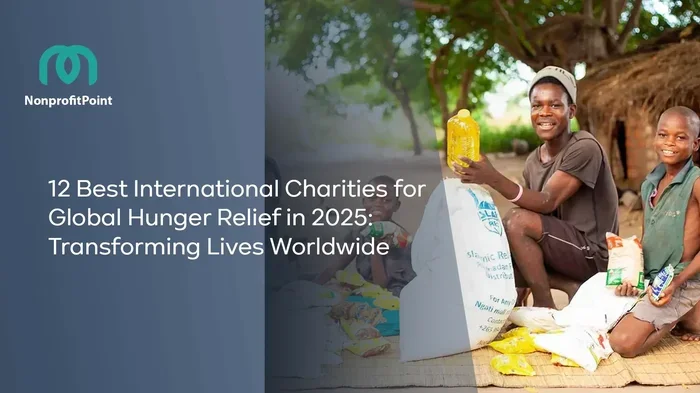
World kitchen charity is transforming lives by delivering meals to communities in need across the globe. These organizations tackle food insecurity through kitchen programs, volunteer networks, and smart meal distribution. Whether it is disaster relief or long-term nourishment, world kitchen charity efforts make a real difference every single day.
Imagine a kitchen that feeds thousands of people every single day. Now imagine that kitchen is not just in one place but spread across the world. That is the heart of world kitchen charity. These programs bring hot meals, nutrition, and hope to people who need it most.
Hunger is a problem that touches every continent. Families skip meals. Children go to school without eating. Communities struggle after disasters strike. World kitchen charity steps into these gaps with real, hands-on solutions. And the beauty of it is that anyone can be part of the change.
In this article, we will explore how world kitchen charity works, why it matters, and what you can do to help. We will look at real programs, share practical tips, and break down the challenges these organizations face. By the end, you will see just how powerful a simple kitchen can be when it is driven by purpose.
Key Takeaways
- Global Impact: World kitchen charity programs serve millions of meals to people facing hunger in dozens of countries.
- Community Driven: Local volunteers and donors power these kitchen programs, making them sustainable and personal.
- Multiple Models: From soup kitchens to mobile meal trucks, world kitchen charity comes in many practical forms.
- Easy to Support: Anyone can contribute through donations, volunteering, or spreading the word about hunger relief efforts.
- Future-Focused: New technology and partnerships are helping world kitchen charity grow faster and reach more people.
- Real Results: Measurable outcomes like reduced hunger rates and stronger communities prove these programs work.
📑 Table of Contents
What Is a World Kitchen Charity?
A world kitchen charity is any nonprofit or volunteer-run organization that prepares and serves meals to people in need around the world. These charities range from small local soup kitchens to large international operations that feed millions of people each year.
The core idea is simple. People come together. They cook food. They share it with those who cannot afford to feed themselves or their families. But behind that simplicity lies a powerful system of logistics, compassion, and community building.
How World Kitchen Charities Operate
Most world kitchen charity programs follow a similar pattern. First, they gather food donations from grocery stores, farms, restaurants, and individual donors. Then volunteers prepare meals in commercial or community kitchens. Finally, the meals are distributed to people in need through shelters, food banks, schools, and direct outreach.
Some charities focus on specific types of meals. Others serve culturally appropriate food to respect the communities they help. This attention to detail matters because food is not just about nutrition. It is also about dignity and belonging.
Key Types of Kitchen Charity Programs
There are several ways that world kitchen charity organizations serve their communities. Each model addresses a different need and reaches people in unique ways.
- Soup Kitchens: These are the most traditional form of kitchen charity. They serve hot meals to anyone who walks in, often on a daily basis.
- Meal Delivery Programs: These programs bring food directly to homebound individuals, elderly people, and families in crisis.
- Community Kitchens: These shared spaces teach people how to cook healthy meals while also feeding the community.
- Mobile Kitchens: Food trucks and mobile cooking units bring meals to areas where people cannot easily reach a fixed location.
- Disaster Relief Kitchens: These pop-up kitchens activate during emergencies like hurricanes, earthquakes, and floods to provide immediate food aid.
How World Kitchen Charities Are Making a Difference
The impact of world kitchen charity goes far beyond just filling stomachs. These programs create ripples of change that touch every part of a community. Let us look at some of the ways they make a difference.
Feeding the Hungry Around the Clock
The most obvious role of any world kitchen charity is to provide food. But the scale of this effort is staggering. Organizations like World Kitchen (the well-known nonprofit) have served over 30 million meals in countries like Haiti, Guatemala, and Kenya. Their work shows that when food is delivered with care, entire communities can begin to heal.
These meal programs do not just address short-term hunger. They also support long-term health. Children who eat regular, nutritious meals perform better in school. Adults who are well-fed can work more productively. Families stay stronger and more resilient.
Building Community Through Shared Meals
One of the most overlooked benefits of world kitchen charity is the sense of community it creates. When people sit down to eat together, barriers break down. Strangers become neighbors. Isolation gives way to connection.
In many communities, the local kitchen becomes a gathering place. People share stories over a warm meal. Volunteers form deep bonds with the people they serve. These relationships build trust and create a support network that goes far beyond food.
Reducing Food Waste Through Smart Donations
Food waste is a massive global problem. Every year, billions of pounds of food end up in landfills while millions of people go hungry. World kitchen charity programs help bridge this gap by rescuing surplus food from restaurants, grocery stores, and events.
This food rescue model benefits everyone. Donors get tax deductions and reduce waste. Charities receive free or low-cost ingredients. And the people being served get fresh, nutritious meals. It is a win-win-win situation that shows how creative solutions can tackle big problems.
Providing Training and Empowerment
Many world kitchen charity programs go beyond just serving food. They teach people how to cook, how to manage a kitchen, and how to start their own food businesses. This empowerment model helps people break free from cycles of poverty and dependence.
For example, some charities run culinary training programs for unemployed adults. Participants learn real kitchen skills that can lead to jobs in restaurants, catering companies, or food service. Others teach families how to prepare healthy meals on a tight budget. These skills stay with people for a lifetime.
The Impact of Global Kitchen Programs on Communities
When we talk about world kitchen charity, it helps to look at the numbers. But numbers only tell part of the story. The real impact is measured in lives changed, families kept together, and communities strengthened.
Hunger Relief Statistics That Matter
Here are some facts that show why world kitchen charity is so important:
- Nearly 700 million people around the world face chronic hunger, according to the United Nations.
- Kitchen-based charity programs are among the most cost-effective ways to deliver food aid, often costing just a few dollars per meal.
- In the United States alone, over 40 million people struggle with food insecurity each year.
- After natural disasters, community kitchens are often the first and most reliable source of food for affected populations.
These numbers tell us that the need is enormous. But they also show that world kitchen charity is a practical and proven way to respond to that need.
Success Stories From the Field
Real stories bring the impact of world kitchen charity to life. In Port-au-Prince, Haiti, a community kitchen run by volunteers feeds over 1,000 children every day. The meals are simple but nutritious, and the program has helped reduce malnutrition rates in the neighborhood significantly.
In rural Kenya, a women-led kitchen collective sources ingredients from local farmers. This approach supports the local economy while ensuring that families receive fresh food. The program has grown from serving 50 meals a week to over 500, all through volunteer effort and community support.
These stories show that world kitchen charity is not just about charity. It is about building sustainable, self-sufficient communities that can feed themselves and thrive.
How Kitchen Programs Support Mental Health
Food and mental health are deeply connected. Hunger causes stress, anxiety, and depression. When people know where their next meal is coming from, they can focus on other parts of their lives. World kitchen charity programs ease this mental burden in a very real way.
For many people, the local kitchen is a safe space. It is a place where they are welcomed without judgment. The act of sharing a meal reduces loneliness and fosters a sense of belonging. Mental health professionals increasingly recognize the role that food programs play in overall well-being.
How You Can Support World Kitchen Charity Efforts
You do not need to run a kitchen or be a professional chef to support world kitchen charity. There are many practical ways to get involved, no matter where you live or how much time you have.
Donate Money or Food
Financial donations are the lifeblood of most world kitchen charity programs. Even small contributions add up fast. A donation of just 10 dollars can provide dozens of meals. Most reputable charities use funds to buy ingredients, pay for kitchen supplies, and cover operating costs.
You can also donate food directly. Non-perishable items like canned goods, rice, pasta, and peanut butter are always in demand. Check with your local kitchen charity to see what items they need most. Many organizations publish preferred donation lists on their websites.
Volunteer Your Time
Volunteering is one of the most rewarding ways to support world kitchen charity. You do not need any special skills. Most organizations provide training on the job. Tasks might include chopping vegetables, serving meals, cleaning up, or helping with food packaging.
Many charities also need volunteers for administrative tasks, social media, fundraising, and outreach. If you have a skill like photography, writing, or graphic design, your talents can help these organizations reach more donors and serve more people.
Start a Community Kitchen in Your Area
If you feel inspired to take action locally, consider starting a small kitchen program in your own community. You do not need a fancy facility to begin. A church basement, community center, or even a backyard can serve as a starting point.
Start by identifying the need in your area. Reach out to local food banks and shelters to learn what is most needed. Recruit a few volunteers and begin with a simple weekly meal service. As you grow, you can apply for grants and partnerships to expand your reach.
Spread the Word
Sometimes the most powerful thing you can do is simply talk about world kitchen charity. Share stories on social media. Tell your friends and family about organizations doing great work. Write a blog post or start a conversation at your workplace. Awareness leads to donations, volunteers, and support.
Use hashtags like hunger relief, community kitchen, and food insecurity to reach people who care about these issues. Every share and conversation helps more people discover the impact of these programs.
Support Ethical Food Brands
Another way to back world kitchen charity is to support brands that donate a portion of their profits to hunger relief. Many food companies and restaurants run programs where buying their products helps fund kitchen programs around the world. Look for these partnerships when you shop and eat out.
This approach lets you support charity while doing things you already do, like grocery shopping or ordering dinner. It is an easy and painless way to make a difference every day.
Challenges Facing World Kitchen Charities Today
Despite their incredible work, world kitchen charity programs face real challenges. Understanding these obstacles helps us appreciate the effort involved and find better ways to support these organizations.
Supply Chain and Food Sourcing
Getting food to where it is needed is one of the biggest challenges for any world kitchen charity. In remote areas, roads may be poor or nonexistent. In disaster zones, supply lines can be completely disrupted. Even in developed countries, rising food prices make it harder to stretch donations.
Many charities are turning to local sourcing to address this issue. By partnering with nearby farms and food producers, they reduce transportation costs and support local economies at the same time. This approach is more sustainable and helps build resilience in the communities they serve.
Volunteer Retention and Burnout
Volunteer burnout is a serious concern for world kitchen charity organizations. Kitchen work is physically demanding. The emotional weight of seeing hunger and poverty every day can take a toll. Many organizations struggle to keep volunteers engaged over the long term.
To combat this, the best charities invest in their volunteers. They provide training, recognition, and a supportive community. Some offer flexible scheduling so that people can volunteer at their own pace. Others create leadership roles that give volunteers a sense of ownership and purpose.
Funding Instability
Most world kitchen charity programs operate on tight budgets. Donations can be unpredictable, especially during economic downturns. Grants may come and go. This funding instability makes it hard to plan long-term and invest in growth.
Diversifying funding sources is key. Charities that rely on a mix of individual donations, corporate sponsorships, government grants, and fundraising events tend to be more stable. Building a strong monthly donor base also provides a reliable stream of income that can cover basic operating costs.
Scaling Without Losing Quality
As world kitchen charity programs grow, they face the challenge of maintaining quality while increasing volume. Serving 100 meals a week is very different from serving 10,000. The logistics, staffing, and food safety requirements all scale up dramatically.
The best organizations tackle this by investing in infrastructure early. They build efficient systems, train staff thoroughly, and use technology to track inventory and meals served. They also stay connected to the communities they serve, ensuring that growth does not come at the cost of personal care and attention.
The Future of Kitchen-Based Humanitarian Aid
The world of world kitchen charity is evolving. New technology, fresh partnerships, and innovative thinking are shaping the future of how we fight hunger. Here is what to expect in the coming years.
Technology and Kitchen Efficiency
Technology is making world kitchen charity operations more efficient than ever. Apps now help organizations track food donations in real time. Cloud-based systems manage inventory and reduce waste. Social media platforms make it easier than ever to connect donors with causes they care about.
Some charities are experimenting with automated cooking equipment that can prepare hundreds of meals per hour. Others use data analytics to identify the areas with the greatest need and direct resources accordingly. These tools are not replacing the human touch. They are enhancing it.
Growing Partnerships Between Nonprofits and Businesses
Corporate partnerships are becoming a major force in world kitchen charity. Large food companies, restaurant chains, and grocery retailers are teaming up with nonprofits to donate food, fund kitchen programs, and volunteer their employees. These partnerships bring resources and expertise that small charities often lack.
For example, some major restaurant chains now donate unsold food to local kitchens at the end of each day. Others sponsor community kitchen events where their chefs prepare meals alongside volunteers. These collaborations are helping world kitchen charity reach more people with less waste.
A Growing Focus on Nutrition and Food Justice
The future of kitchen charity is not just about feeding people. It is about feeding them well. A growing movement within world kitchen charity focuses on nutrition education, culturally relevant meals, and food justice. The goal is not just to end hunger but to ensure that everyone has access to healthy, affordable food.
This shift recognizes that food is a basic right, not just a charity. By advocating for better food policies and supporting local food systems, kitchen charities are helping build a more just and equitable world. It is a powerful vision that goes well beyond the kitchen itself.
How You Can Help Shape This Future
The future of world kitchen charity depends on people like you. Whether you donate, volunteer, advocate, or simply stay informed, your actions matter. Every meal served, every dollar donated, and every conversation started brings us closer to a world where no one goes hungry.
Start today. Find a world kitchen charity near you or support an international program that resonates with you. Share what you have learned with others. And remember that even small actions can create big change when they come from a place of genuine care and commitment.
Conclusion
World kitchen charity is one of the most powerful and practical ways to fight hunger on a global scale. From serving hot meals in local shelters to feeding thousands in developing nations, these programs prove that simple acts of cooking and sharing can transform lives. The impact reaches far beyond the plate, building stronger communities, supporting mental health, and creating pathways out of poverty.
The challenges are real. Supply chains are complex. Funding can be unpredictable. Volunteer burnout is a genuine concern. But the people behind world kitchen charity programs are resilient, creative, and deeply committed. They find solutions every day, and they welcome help from anyone who wants to join the effort.
Whether you choose to donate money, volunteer your time, start a community kitchen, or simply spread the word, you are part of something bigger. World kitchen charity reminds us that food is love, that generosity multiplies, and that no one should have to face hunger alone. The kitchen is open. The meals are ready. All that is missing is you.
Frequently Asked Questions
What does world kitchen charity do?
World kitchen charity refers to organizations that prepare and serve meals to people in need around the globe. These programs fight hunger through community kitchens, meal distribution, food rescue, and nutrition education. They serve everyone from disaster-affected families to everyday people struggling with food insecurity.
How can I donate to a world kitchen charity?
You can donate money directly through a charity’s website, contribute non-perishable food items, or sponsor a meal program. Many organizations also accept recurring monthly donations, which provide steady support for ongoing operations. Check with local food banks or well-known international charities to find the best way to give.
Can I volunteer at a world kitchen charity if I have no cooking experience?
Absolutely. Most world kitchen charity programs welcome volunteers of all skill levels. You do not need to know how to cook to help. Tasks like setting tables, packaging meals, cleaning, and organizing donations are all essential and require no prior experience. Training is usually provided on the spot.
Which countries benefit most from world kitchen charity programs?
World kitchen charity programs operate in dozens of countries, with a strong focus on regions facing high levels of food insecurity. Countries in Sub-Saharan Africa, Southeast Asia, Haiti, Guatemala, and parts of the Middle East are among the most common areas served. However, many programs also operate within the United States and Europe to help local communities.
How effective are world kitchen charities at reducing hunger?
Research shows that kitchen-based charity programs are among the most effective tools for addressing immediate hunger. They provide meals quickly, build community connections, and often include nutrition education. Organizations like World Kitchen have served tens of millions of meals and documented measurable improvements in community health and food access.
What is the difference between a world kitchen charity and a food bank?
A world kitchen charity typically prepares and serves meals directly, while a food bank collects, stores, and distributes food to other organizations. Many food banks partner with kitchen charities to ensure that donated food reaches people who need it. Both play important roles in the broader fight against hunger and often work together as part of a larger hunger relief network.

