
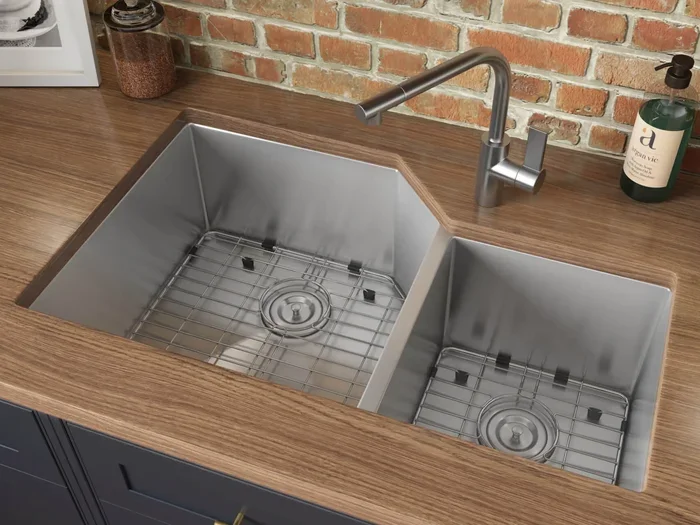
A 33 inch kitchen sink is the ideal mid-size option for most modern kitchens, offering the perfect balance between capacity and countertop space. Whether you prefer stainless steel, composite, or farmhouse styles, this guide walks you through everything you need to know. You will learn how to pick the right material, mounting type, and configuration for your home.
A 33 inch kitchen sink hits the sweet spot for many homeowners. It is big enough to handle everyday tasks but small enough to fit in most standard kitchens. If you are renovating or replacing a sink, this size deserves your full attention. There is a lot to consider, from materials to mounting styles. This guide breaks it all down so you can make a confident choice.
Choosing the right sink might seem simple at first glance. But once you start shopping, the options can feel overwhelming. Stainless steel, composite granite, fireclay, and copper all compete for your attention. Then there are mounting styles, bowl configurations, and installation details to think about. A 33 inch kitchen sink gives you plenty of room to explore these options without overwhelming your counter space.
We have put together everything you need to know in one place. You will find honest comparisons, practical tips, and expert insights throughout this article. By the end, you will feel ready to pick the best 33 inch kitchen sink for your home. Let us dive in.
Key Takeaways
- 33 inch sinks fit most standard kitchen cabinets: This dimension works well with 30-inch and 36-inch base cabinets, making it a versatile choice.
- Material matters most for durability: Stainless steel and composite granite sinks offer the best longevity and easy maintenance.
- Mounting style affects installation and look: Undermount, drop-in, and farmhouse options each bring different benefits to your kitchen.
- Single bowl vs double bowl depends on your needs: Large pots fit better in single bowls, while double bowls allow multitasking.
- Soundproofing and gauge impact daily use: Thicker sinks reduce noise and resist denting over time.
- Budget ranges widely: You can find quality 33 inch sinks from $150 to $800 depending on material and brand.
📑 Table of Contents
- Why a 33 Inch Kitchen Sink Works for Most Homes
- Top Materials for a 33 Inch Kitchen Sink
- Mounting Styles: Undermount, Drop-In, and Farmhouse
- Single Bowl vs Double Bowl: Which Configuration Fits You?
- Installation Tips and Common Mistakes to Avoid
- Comparing the Best 33 Inch Kitchen Sinks
- Budget Considerations for Your New Sink
- Maintenance Tips to Keep Your Sink Looking Great
- Final Thoughts: Finding Your Perfect 33 Inch Kitchen Sink
Why a 33 Inch Kitchen Sink Works for Most Homes
Sink size matters more than most people realize. Too small, and you struggle to wash large pots. Too big, and you lose valuable countertop space. A 33 inch kitchen sink avoids both problems. It fits naturally into standard kitchen layouts without forcing you to redesign your cabinets.
Most kitchen base cabinets come in 30-inch or 36-inch widths. A 33-inch sink slides comfortably into either size. This makes it one of the most flexible choices available. You also get a generous basin depth, usually between 7 and 10 inches, which keeps water from splashing over the edges.
Standard Kitchen Dimensions and Sink Compatibility
Before buying any sink, check your cabinet opening. A 33 inch kitchen sink typically requires a cutout that is about 31 to 32 inches wide. This leaves a small margin on each side for proper mounting. The depth of your cabinet underneath also matters. Most sinks need at least 24 inches of vertical clearance beneath the countertop.
Here is a quick look at how sink size relates to cabinet dimensions:
- 24-inch cabinets: Best for small sinks, around 22 to 25 inches wide.
- 30-inch cabinets: Work well with 33-inch sinks and compact double bowls.
- 36-inch cabinets: Accommodate 33-inch sinks easily, leaving room for a faucet and accessories.
If your kitchen has non-standard cabinets, measure carefully before ordering. A 33 inch kitchen sink offers flexibility, but precision matters during installation.
Top Materials for a 33 Inch Kitchen Sink
The material you choose determines how your sink looks, feels, and performs over time. Each option has its own strengths and weaknesses. Let us walk through the most popular materials you will find in the 33-inch size range.
Stainless Steel Sinks
Stainless steel remains the most popular choice for 33 inch kitchen sinks. It is durable, affordable, and available in countless styles. Most stainless sinks use 18-gauge or 20-gauge steel. The lower the gauge number, the thicker the material. An 18-gauge sink feels solid and resists denting better than a 22-gauge option.
Many stainless sinks come with a sound-deadening coating on the underside. This reduces the clanking noise when you place dishes or utensils in the water. Some models also include a protective coating on the inside basin to resist scratching and staining.
Pros of stainless steel:
- Affordable price range, usually between $150 and $400
- Lightweight and easy to install
- Resists heat, stains, and impacts
- Available in brushed, polished, and matte finishes
- Wide range of brands and styles
Cons of stainless steel:
- Can show water spots and fingerprints
- Thinner gauges may dent over time
- Not as visually premium as composite or stone options
Composite Granite Sinks
Composite granite sinks combine crushed granite with acrylic resin. The result is a dense, heavy sink that looks and feels luxurious. A 33 inch kitchen sink made from composite granite adds a high-end feel to any kitchen without the price tag of pure stone.
These sinks are naturally resistant to scratches, stains, and heat. They also absorb sound very well, which means less noise during everyday use. Most composite granite sinks come in matte black, charcoal, or white finishes.
Pros of composite granite:
- Extremely durable and scratch-resistant
- Excellent sound insulation
- Modern, premium look
- Does not show water spots easily
- Available in both single and double bowl configurations
Cons of composite granite:
- Heavier than stainless steel, requiring extra support during installation
- Higher price point, usually $400 to $800
- Limited color options compared to stainless steel
Fireclay and Cast Iron Sinks
Fireclay and cast iron sinks are traditional choices that have stood the test of time. They are made by coating iron or clay with a vitreous enamel finish. These sinks have a classic, farmhouse look that many homeowners love. A 33 inch kitchen sink in fireclay or cast iron brings timeless charm to rustic and modern kitchens alike.
These materials are incredibly durable and resist fading or discoloration over the years. The enamel finish is easy to clean and stays looking new for decades. However, they are heavy and can chip if hit hard enough.
Pros of fireclay and cast iron:
- Beautiful, classic appearance
- Very durable and long-lasting
- Resists heat and stains
- Easy to clean and maintain
Cons of fireclay and cast iron:
- Very heavy, requiring reinforced cabinets
- Can chip or crack if impacted
- Higher cost, typically $500 to $900
- Limited styles available in 33-inch size
Mounting Styles: Undermount, Drop-In, and Farmhouse
How your sink attaches to the countertop changes both the look and the installation process. Understanding the different mounting styles helps you choose the right 33 inch kitchen sink for your kitchen.
Undermount Sinks
An undermount sink attaches to the bottom of the countertop. There is no visible rim where the sink meets the surface. This creates a seamless look that is easy to wipe clean. Undermount sinks work best with solid surface countertops like quartz or granite.
Installation requires careful support underneath. The sink must be securely fastened to prevent it from pulling away from the countertop over time. Most undermount 33 inch kitchen sinks use clips and epoxy adhesive for a secure bond.
Best for: Modern kitchens with quartz or granite countertops. Homeowners who want a clean, minimalist look.
Drop-In Sinks
A drop-in sink sits on top of the countertop with a visible rim. This is the most traditional mounting style and the easiest to install. The rim supports the sink and holds it in place without the need for adhesive or clips underneath.
Drop-in sinks work with virtually any countertop material, including laminate, wood, and tile. They are also the most budget-friendly option for a 33 inch kitchen sink. The downside is that the rim can collect crumbs and debris, which requires regular cleaning.
Best for: Budget-conscious homeowners, laminate countertops, and easy retrofit installations.
Farmhouse and Apron-Front Sinks
A farmhouse sink extends downward, with a visible front panel called an apron. This design creates a dramatic, statement-making look in any kitchen. The open front allows for easy access and a more ergonomic feel when washing dishes.
Farmhouse sinks often come in larger sizes, and a 33-inch farmhouse option is very popular. They are available in stainless steel, fireclay, and composite materials. Keep in mind that farmhouse sinks may require a cabinet front adjustment or an open base design to accommodate the extended front panel.
Best for: Farmhouse, rustic, and transitional kitchen designs. Homeowners who want a bold focal point.
Single Bowl vs Double Bowl: Which Configuration Fits You?
The bowl configuration of your 33 inch kitchen sink affects how you use it every day. Each option has clear advantages depending on your cooking habits and kitchen workflow.
Single Bowl Sinks
A single bowl sink uses the entire 33-inch space for one large basin. This is ideal if you frequently wash oversized pots, baking sheets, or large mixing bowls. Single bowls also give you flexibility to install a cutting board or colander that fits the whole sink.
Many homeowners prefer single bowls for their modern, streamlined appearance. They also make it easier to use both hands when scrubbing dishes. A 33 inch kitchen sink with a single bowl typically offers a depth of 8 to 10 inches, which keeps water contained during use.
Double Bowl Sinks
A double bowl sink divides the 33-inch space into two separate basins. This allows you to wash and rinse dishes simultaneously. You can also dedicate one bowl to food prep while using the other for washing.
Double bowl 33 inch kitchen sinks usually have bowls that are about 16 inches each, with a divider in the middle. Some models offer unequal bowls, where one basin is larger than the other. This can be a smart design choice if you prefer more washing space than rinsing space.
Quick tip: If you cannot decide between single and double, consider a triple bowl sink. These divide the space into three smaller basins and offer maximum versatility. However, they may feel cramped at 33 inches compared to larger sink sizes.
Installation Tips and Common Mistakes to Avoid
Installing a 33 inch kitchen sink is a manageable DIY project for most homeowners. However, a few common mistakes can lead to leaks, damage, or an uneven fit. Following proper installation steps saves you time and frustration.
Preparing the Cutout
Measure your sink dimensions carefully before cutting the countertop. The cutout should be about 1 to 2 inches smaller than the sink’s overall length. For a 33-inch sink, aim for a cutout between 31 and 31.5 inches wide. Use a template if your sink comes with one, and always double-check measurements before making any cuts.
Supporting the Sink Properly
Undermount sinks need strong support from underneath. Use the mounting clips that come with your sink and apply adhesive rated for kitchen use. Drop-in sinks rely on the countertop rim for support, so make sure the cutout edges are smooth and even.
Connecting Plumbing Correctly
Proper plumbing connections prevent leaks and water damage. Use a high-quality drain assembly and ensure the P-trap is properly aligned. A 33 inch kitchen sink typically uses a standard drain size, which makes finding replacement parts easy and affordable.
Common Mistakes to Avoid
- Skipping the sound-deadening pad, which leads to loud clanking noises
- Using the wrong size cutout, which causes the sink to fit loosely or not at all
- Forgetting to check the depth clearance under the cabinet
- Choosing a sink that is too thin, which dents and warps over time
- Ignoring the faucet hole configuration before purchase
Comparing the Best 33 Inch Kitchen Sinks
With so many options on the market, comparing the top choices helps you narrow down your selection. Below is a comparison of popular 33 inch kitchen sink styles across different materials and price points.
Material Comparison Table
Here is a quick comparison of the most common materials used for 33-inch sinks:
- Stainless Steel (18-gauge): $150 – $400. Lightweight, durable, easy to install. Best for most kitchens.
- Composite Granite: $400 – $800. Scratch-resistant, sound-absorbing, premium look. Great for high-use kitchens.
- Fireclay: $500 – $900. Classic appearance, very durable, heavy. Ideal for farmhouse kitchens.
- Copper: $600 – $1,000. Unique look, naturally antimicrobial, develops patina over time. Best for statement kitchens.
Top Features to Look For
When shopping for a 33 inch kitchen sink, pay attention to these key features:
- Soundproof coating: Reduces noise from dishes and water flow
- Scratch-resistant finish: Keeps the sink looking new longer
- Drainboard or drying rack: Provides extra space for drying dishes
- Splash guard: Prevents water from splashing out of the basin
- Faucet hole configuration: Check if the sink has one-hole, three-hole, or deck-mounted options
- Depth: Deeper basins (9+ inches) prevent water from splashing and hold more items
Budget Considerations for Your New Sink
Setting a realistic budget helps you navigate the wide range of options available. A 33 inch kitchen sink can cost anywhere from $150 to $800 or more, depending on the material and brand.
If you are on a tight budget, stainless steel drop-in sinks offer the best value. You can find solid options for under $200 that will serve you well for many years. Composite granite sinks sit in the mid-range and offer the best balance of looks and performance. Premium materials like copper and high-end fireclay sinks cost more but bring a unique character to your kitchen.
Remember to factor in installation costs if you are hiring a professional. Sink installation typically costs between $100 and $300, depending on the complexity of the job and your local labor rates.
Maintenance Tips to Keep Your Sink Looking Great
A 33 inch kitchen sink is a long-term investment. Proper maintenance keeps it looking beautiful and functioning well for years. Different materials require different care routines, but some general tips apply to all sink types.
- Clean your sink regularly with mild soap and warm water
- Avoid abrasive cleaners that can scratch the finish
- Use a soft cloth or sponge, not steel wool
- Dry stainless steel sinks after washing to prevent water spots
- Address scratches promptly with a touch-up kit designed for your sink material
- Check the drain and P-trap periodically for buildup or clogs
- Use a sink mat or strainer to protect the basin from heavy impacts
With proper care, a quality 33 inch kitchen sink can last 15 to 20 years or more. The key is to match your maintenance routine to the specific material you choose.
Final Thoughts: Finding Your Perfect 33 Inch Kitchen Sink
A 33 inch kitchen sink is one of those upgrades that transforms your daily kitchen experience. It gives you the space you need without overwhelming your countertop. Whether you choose stainless steel for its affordability, composite granite for its premium feel, or fireclay for its classic charm, the right sink makes a real difference.
Take the time to measure your cabinet opening, decide on a mounting style, and pick a material that suits your lifestyle and budget. The options are plentiful, and the best choice is the one that fits your kitchen perfectly. Use the tips in this guide to shop with confidence and find the sink you will love for years to come.
Frequently Asked Questions
What is the standard depth for a 33 inch kitchen sink?
Most 33 inch kitchen sinks have a depth between 7 and 10 inches. Deeper sinks, around 9 to 10 inches, are better for preventing water splashes and accommodating large pots. The depth you choose depends on your personal preference and how you use your kitchen sink daily.
Can I install a 33 inch sink in a 30 inch cabinet?
Yes, a 33 inch kitchen sink can work with a 30-inch cabinet. The sink’s cutout is typically around 31 to 32 inches wide, which fits inside a 30-inch cabinet opening. However, you need to ensure there is enough support and that the countertop material can accommodate the size without cracking or breaking.
Which material is the quietest for a 33 inch kitchen sink?
Composite granite and fireclay sinks are the quietest options. They naturally absorb sound and often come with built-in sound-deadening pads. Stainless steel sinks can be noisy, but many models now include an underside coating that significantly reduces noise. If sound reduction is important, look for sinks with a thick gauge and soundproof undercoating.
How long does it take to install a 33 inch kitchen sink?
Most professional installers complete a 33 inch kitchen sink replacement in 1 to 2 hours. DIY installation may take longer, especially if you are new to plumbing and countertop work. Drop-in sinks are the fastest to install, while undermount sinks require more time and precision for proper mounting.
Should I choose a single bowl or double bowl 33 inch sink?
Choose a single bowl if you frequently wash large pots or prefer a modern, open look. A 33 inch kitchen sink with a single bowl gives you maximum basin space. Pick a double bowl if you like to multitask, such as washing dishes in one bowl while rinsing in the other. Double bowls work well for households with heavy daily dishwashing needs.
What is the average lifespan of a 33 inch kitchen sink?
A quality 33 inch kitchen sink can last between 15 and 25 years with proper care. Stainless steel sinks are highly durable and resist wear over time. Composite granite and fireclay sinks also offer excellent longevity. The key factors that affect lifespan include material quality, gauge thickness, and how well you maintain the sink on a regular basis.
=== CONCLUSION ===
Finding the best 33 inch kitchen sink comes down to understanding your needs and preferences. This versatile size fits most kitchens, offers plenty of basin space, and comes in a wide range of materials and styles. From stainless steel to composite granite, each option brings its own set of benefits to your home.
Use the comparison tips, installation guidance, and maintenance advice in this article to make a smart, informed decision. A well-chosen sink improves your daily routine and adds value to your kitchen. Take your time, measure carefully, and pick the 33 inch kitchen sink that feels right for your space. Your future self will thank you every time you wash dishes or prepare food in your beautifully updated kitchen.

