
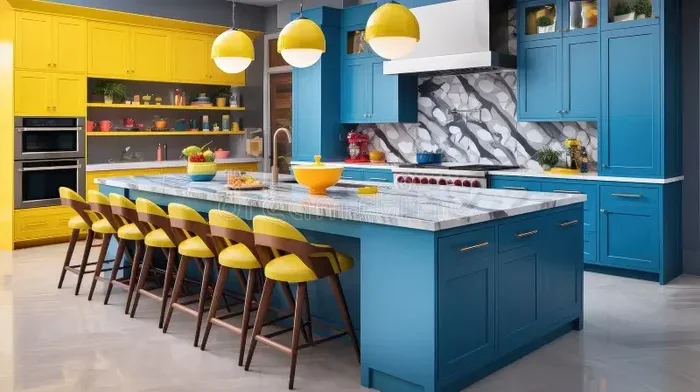
Choosing the right kitchen island colors can completely change how your kitchen looks and feels. Whether you prefer bold, bright shades or soft, neutral tones, the color you pick sets the mood for your entire kitchen. This guide covers the top trending colors, practical tips, and expert advice to help you make the best choice for your home.
Your kitchen island is the heart of your home. It is where you cook, eat, work, and gather with family. But one thing that often gets overlooked is the kitchen island colors. The right shade can completely change the feel of your entire kitchen. It can make a small space feel open and airy. It can add warmth to a cold, modern room. Or it can become the bold focal point that ties everything together.
Choosing kitchen island colors is not just about picking something that looks pretty. It is about finding the right fit for your space, your style, and your lifestyle. In this guide, we will walk you through everything you need to know. We will cover the most popular color trends, the best shades for different kitchen styles, and practical tips to help you make a confident choice. By the end, you will have a clear picture of what works best for your kitchen.
Key Takeaways
- Color choice matters: Your kitchen island color affects the entire room’s feel and flow.
- Neutral tones are timeless: White, gray, and beige work with any kitchen style and stay popular for years.
- Bold colors make a statement: Navy, emerald green, and black add drama and personality to your space.
- Consider your kitchen size: Light colors make small kitchens feel bigger, while dark tones add warmth to large spaces.
- Match your overall palette: Your island color should complement your cabinets, countertops, and walls.
- Painting is affordable: You can refresh an old island with paint instead of replacing it entirely.
- Trending colors change: Stay current with 2024 trends while choosing a color you will love long-term.
📑 Table of Contents
- Why Kitchen Island Colors Matter So Much
- Popular Kitchen Island Color Trends Right Now
- Bold vs Neutral Kitchen Island Colors
- How to Choose the Perfect Kitchen Island Color
- Kitchen Island Colors for Different Kitchen Styles
- Tips for Painting or Refinishing Your Kitchen Island
- Common Mistakes to Avoid When Choosing Kitchen Island Colors
- Expert Insights on Kitchen Island Color Selection
- Key Takeaways
- Conclusion
Why Kitchen Island Colors Matter So Much
The color of your kitchen island has a big impact. It sets the tone for the whole room. Think about it. When you walk into a kitchen, your eyes go straight to the island. It is usually the largest single piece of furniture in the room. So its color really stands out.
The right kitchen island colors can make your space feel balanced and put together. The wrong color, though, can throw everything off. A bright red island in a tiny kitchen might feel overwhelming. A dark charcoal island in a dimly lit space might make the room feel heavy. That is why color choice deserves real thought and attention.
Color also affects your mood. Studies show that warm tones like yellow and orange create energy and excitement. Cool tones like blue and green bring calm and relaxation. Neutral tones like white and gray feel clean and open. So when you pick a color for your kitchen island design, you are really picking the mood for your whole home.
How Color Affects Kitchen Size and Light
One of the most important things to consider is your kitchen’s size and natural light. If you have a small kitchen with limited windows, light kitchen island colors will help. White, cream, and pale gray reflect light and make the space feel bigger. Dark colors absorb light and can make small rooms feel cramped.
On the other hand, if you have a large kitchen with plenty of windows, you have more freedom. Dark shades like navy, forest green, or black can add depth and richness. They create a cozy, dramatic feel that looks stunning in bigger spaces. The key is to match your kitchen island finishes to the natural light your kitchen gets every day.
Popular Kitchen Island Color Trends Right Now
Kitchen design trends change every year. But some colors have staying power. Let us look at the most popular kitchen island colors that homeowners and designers are loving right now.
White and Off-White Kitchen Island Colors
White is still the number one choice for kitchen islands. It is clean, bright, and timeless. White kitchen island colors work with every style, from farmhouse to modern minimalist. They also make small kitchens feel open and welcoming.
If pure white feels too stark, try off-white shades like cream, ivory, or eggshell. These add warmth without losing that fresh, clean feel. White islands also pair beautifully with almost any countertop material. Whether you have quartz, marble, or butcher block, white fits right in.
Gray Kitchen Island Colors
Gray is another top choice for kitchen island colors. It is sophisticated, versatile, and works in both warm and cool kitchens. Light gray creates a soft, airy feel. Dark charcoal adds drama and a modern edge.
Gray islands pair well with white cabinets and wood tones. They also look great with bold backsplash colors. If you want a kitchen color palette that feels current but not trendy, gray is a safe bet. It is one of the most popular kitchen cabinet colors for a reason.
Navy and Deep Blue Kitchen Island Colors
Navy blue has become a favorite among homeowners looking to add personality to their kitchen. Deep navy kitchen island colors create a rich, elegant look. They work beautifully in both traditional and modern kitchens.
Pair a navy island with brass or gold hardware for a luxurious feel. Add white trim and light wood floors for contrast. Navy also looks stunning with white subway tile backsplash. It is one of the most versatile bold kitchen colors you can choose.
Green Kitchen Island Colors
Green is having a major moment in kitchen design. From sage to emerald, green kitchen island colors bring a fresh, natural vibe. Sage green feels soft and calming. Emerald green adds bold, jewel-toned richness.
Green islands pair wonderfully with brass fixtures and warm wood tones. They also look great in farmhouse and cottage-style kitchens. If you love the idea of a kitchen makeover that feels fresh and organic, green is a fantastic option.
Black Kitchen Island Colors
Black kitchen islands are bold and dramatic. They make a strong statement in any kitchen. Black kitchen island colors work best in open-concept spaces where the island can be a true focal point.
Pair black with light wood countertops and brass accents to keep the room from feeling too dark. White walls and bright lighting also help balance a black island. If you love the look of modern kitchen island designs, black is a powerful choice.
Bold vs Neutral Kitchen Island Colors
One of the biggest decisions you will make is whether to go bold or neutral with your kitchen island colors. Both approaches have real benefits. Let us break it down so you can decide what fits your home best.
The Case for Neutral Kitchen Island Colors
Neutral colors like white, beige, gray, and soft taupe are safe and timeless. They never go out of style. If you plan to sell your home someday, neutral kitchen island colors appeal to the widest range of buyers.
Neutral islands also give you flexibility. You can change your cabinet hardware, add new decor, or swap out accessories without worrying about clashing with the island. A neutral kitchen color scheme lets you update other elements whenever you want.
Neutral colors also work well in rental properties. If you are renting, painting your island a neutral shade is an easy, reversible change. It adds value without committing to something too bold.
The Case for Bold Kitchen Island Colors
Bold colors like red, yellow, navy, and black make your kitchen unforgettable. They add personality and character that you simply cannot get with neutral shades. If you love your kitchen and want it to reflect your unique style, bold kitchen island colors are the way to go.
Bold colors also work well in open-plan homes. The island becomes a natural divider and a visual anchor. It draws the eye and ties together the dining and living areas.
One thing to keep in mind: bold colors can feel overwhelming if overdone. Balance a dark or bright island with lighter walls and cabinets. This creates contrast without making the space feel heavy.
Comparison Table: Bold vs Neutral Kitchen Island Colors
- Neutral Colors: Work with any style, easy to update, appeal to buyers, create a calm feel, hide stains better, limited personality.
- Bold Colors: Add drama and personality, create a focal point, stand out in open spaces, may limit future changes, show dirt more easily, best for confident homeowners.
How to Choose the Perfect Kitchen Island Color
Picking the right kitchen island colors does not have to be stressful. Follow these simple steps to find the perfect shade for your space.
Step 1: Look at Your Existing Kitchen Elements
Start by examining what you already have. What color are your cabinets? What material is your countertop? What tone is your flooring? Your island should complement these elements, not clash with them.
For example, if you have warm wood cabinets, a cool gray island might create a nice contrast. If your cabinets are white, almost any kitchen island colors will work. The goal is harmony, not perfection.
Step 2: Consider Your Kitchen Style
Different kitchen styles call for different color approaches. Here are some quick guidelines:
- Modern kitchens: Go with sleek grays, blacks, or crisp whites for a clean look.
- Farmhouse kitchens: Soft whites, warm grays, and sage greens feel right at home.
- Traditional kitchens: Navy, deep burgundy, and rich wood tones add classic elegance.
- Scandinavian kitchens: Keep it light with whites, pale grays, and soft pastels.
- Industrial kitchens: Dark charcoal, black, and concrete tones match the raw aesthetic.
Step 3: Test Your Color Before Committing
Always test your chosen color before painting the whole island. Buy a small sample and paint a section of the island. Look at it in the morning light, afternoon light, and evening light. Colors can look very different depending on the lighting.
Also, hold up paint swatches next to your countertops and cabinets. This helps you see how the color interacts with the materials in your kitchen. A little testing goes a long way toward avoiding regrets.
Step 4: Think About Maintenance
Some colors show dirt and fingerprints more than others. White and light gray islands need frequent wiping to stay looking clean. Dark colors like black and navy hide smudges better but may show dust more easily.
If you have young children or a busy household, consider how easy each kitchen island color is to maintain. Semi-gloss or satin finishes are easier to clean than flat or matte finishes. Choose a finish that suits your lifestyle.
Kitchen Island Colors for Different Kitchen Styles
Your kitchen style should guide your color choice. Here are some ideas for matching kitchen island colors to popular design styles.
Farmhouse Style Kitchen Island Colors
Farmhouse kitchens love warm, soft colors. Think creamy whites, warm beiges, and soft sage greens. These colors create a cozy, inviting feel that is perfect for family gatherings. Wood-toned islands with a white or cream finish look especially charming in farmhouse settings.
Modern Minimalist Kitchen Island Colors
Minimalist kitchens thrive on simplicity. Clean whites, cool grays, and matte black islands fit this style perfectly. The key is to keep the color palette tight and uncluttered. A single bold accent on the island, like a deep blue or black finish, can add interest without breaking the minimalist rule.
Traditional Kitchen Island Colors
Traditional kitchens often feature rich, deep colors. Navy blue, forest green, and warm burgundy islands add old-world elegance. Pair them with raised panel cabinets and brass hardware for a classic look. These kitchen island colors make a statement without feeling over-the-top.
Scandinavian Style Kitchen Island Colors
Scandinavian design is all about light and simplicity. White islands with light wood countertops are the gold standard. Add pops of soft color through accessories like bar stools or pendant lights. The goal is a bright, airy space that feels calm and functional.
Tips for Painting or Refinishing Your Kitchen Island
If you already have an island but want to change its color, painting is a great option. It is much more affordable than replacing the entire piece. Here are some tips to get professional-looking results.
Choose the Right Paint
Use a high-quality cabinet paint or enamel for your kitchen island colors. These paints are designed to handle kitchen wear and tear. They resist chips, scratches, and moisture better than regular wall paint.
Look for paints labeled “cabinet grade” or “kitchen safe.” Satin or semi-gloss finishes are the easiest to clean and the most durable for kitchen surfaces. Avoid flat or matte finishes in high-use kitchen areas.
Prep the Surface Properly
Good prep is the secret to a great paint job. Start by cleaning the island thoroughly to remove grease and grime. Sand the surface lightly with fine-grit sandpaper to help the paint adhere. Wipe away all dust with a tack cloth before painting.
Apply a primer first, especially if you are going from a dark color to a light one. Primer helps the paint go on smoothly and look more even. It also helps the final color appear truer to the chip you selected.
Apply Thin, Even Coats
Thin coats dry faster and look better than thick ones. Apply two to three thin coats of paint, allowing each coat to dry fully before adding the next. This prevents drips, runs, and uneven coverage.
Use a high-quality synthetic brush or a small foam roller for the best results. Brush in the direction of the wood grain if your island has a natural wood surface. Take your time and be patient. Rushing the process leads to visible brush marks and an uneven finish.
Seal the Finish for Durability
Once your paint is fully dry, apply a clear topcoat to protect the finish. A polyurethane or catalyzed lacquer topcoat adds durability and makes the surface easier to clean. This step is especially important for kitchen islands that see daily use.
Let the topcoat cure for at least 48 to 72 hours before placing items on the island. This gives the finish time to harden and reach its full protective strength.
Common Mistakes to Avoid When Choosing Kitchen Island Colors
Even the best intentions can lead to color mistakes. Here are some common pitfalls to watch out for when choosing kitchen island colors.
- Ignoring the lighting: Always view paint samples in your actual kitchen. Colors look different under different lighting conditions.
- Matching everything exactly: Your island does not need to match your cabinets perfectly. A slight contrast adds visual interest and depth.
- Choosing a color just because it is trendy: Trends come and go. Pick a color you will still love in five years, not just this season.
- Forgetting about the countertop: The island color should complement your countertop material and color. A clash between the two can look jarring.
- Skipping the test patch: Never commit to a color without testing it first. A small test section can save you from a big regret.
- Overlooking the finish type: Matte finishes look beautiful but are harder to clean. Satin and semi-gloss finishes offer the best balance of looks and practicality.
Expert Insights on Kitchen Island Color Selection
Interior designers agree that the best kitchen island colors are the ones that reflect your personal style while working with your existing space. According to leading kitchen designers, the most successful island colors are those that create contrast without creating chaos.
“The island should be the star of the kitchen, but it should not fight with everything else in the room,” says Sarah Mitchell, a certified kitchen designer with over 15 years of experience. “Pick a color that complements your cabinets and countertops, and let the island do the talking.”
Another common piece of advice from experts is to consider the kitchen renovation ideas you have planned. If you are planning to update your backsplash or replace your flooring soon, choose an island color that will work with those future changes too. Think long-term when making your kitchen color palette decisions.
Many designers also recommend using the 60-30-10 rule when planning your kitchen colors. About 60 percent of the room should be your dominant color (usually the walls and large cabinetry). 30 percent should be your secondary color (the island or accent pieces). And 10 percent should be your accent color (hardware, decor, and textiles). This classic design rule helps create a balanced, visually appealing space.
Key Takeaways
- Kitchen island colors set the mood: Your island color affects how your entire kitchen feels and functions.
- Neutral tones offer timeless appeal: White, gray, and beige are safe, versatile choices that work with any style.
- Bold colors add personality: Navy, green, and black create drama and become a room focal point.
- Match your kitchen size and light: Light colors open up small kitchens; dark colors add richness to large ones.
- Test before you commit: Always paint a test patch and view it in your actual kitchen lighting.
- Consider maintenance: Choose a finish and color that fits your lifestyle and cleaning habits.
- Follow the 60-30-10 rule: This classic design principle helps you create a balanced and harmonious kitchen palette.
Conclusion
Choosing kitchen island colors is one of the most exciting parts of any kitchen project. Whether you go with a soft, neutral tone or a bold, dramatic shade, the right color can truly transform your space. The key is to choose a color that reflects your style, works with your existing kitchen elements, and fits your daily life.
Take your time. Test your options. And most importantly, choose a color that makes you smile every time you walk into your kitchen. With the right kitchen island design and color, your island can become the most loved spot in your entire home. So go ahead, pick a color that speaks to you, and start your kitchen makeover journey today.
Remember, your kitchen is your space. It should feel like home. The perfect kitchen island colors are the ones that make you feel happy, comfortable, and inspired every single day.
Frequently Asked Questions
What are the most popular kitchen island colors in 2024?
The most popular kitchen island colors in 2024 include white, warm gray, navy blue, sage green, and soft black. These shades offer a mix of timeless elegance and modern style. White remains the top choice for its versatility, while navy and green are trending for those who want a bold statement.
Can I paint my existing kitchen island a new color?
Absolutely! Painting your kitchen island is a cost-effective way to refresh your space. Use high-quality cabinet paint and follow proper prep steps like sanding and priming. A good paint job can make your island look brand new without the expense of a full replacement.
What kitchen island color works best in a small kitchen?
Light colors like white, cream, and pale gray work best in small kitchens. These kitchen island colors reflect light and create an open, airy feel. You can also add a pop of color through accessories like bar stools or pendant lights to add personality without overwhelming the space.
Should my kitchen island match my cabinets?
Not necessarily. Matching is not always the best approach. A slight contrast between your island and cabinets adds visual interest. However, the colors should complement each other. For example, white cabinets pair well with a gray, navy, or wood-toned island for a balanced look.
How do I decide between a bold and neutral kitchen island color?
Think about your overall kitchen color scheme and personal style. If you prefer a calm, timeless look, neutral colors like white and gray are ideal. If you want your kitchen to feel energetic and unique, bold colors like navy, black, or emerald green are perfect. Consider your lifestyle, kitchen size, and how long you plan to stay in your home.
What finish is best for a painted kitchen island?
Satin or semi-gloss finishes are the best choice for painted kitchen islands. They are durable, easy to clean, and resist moisture and stains better than matte finishes. These finishes also give a smooth, professional look that elevates the overall appearance of your kitchen island design.

