
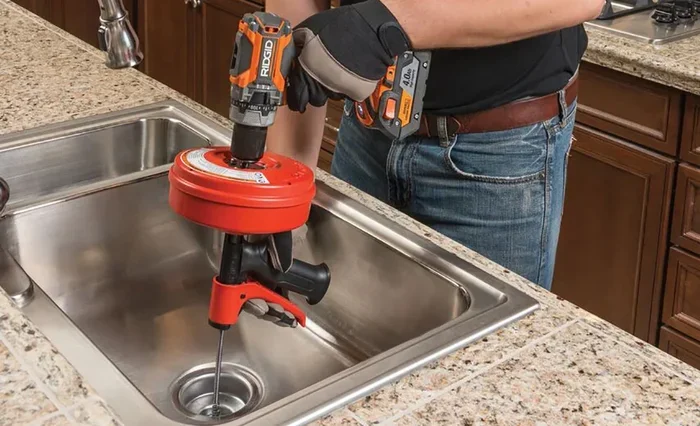
Learn how to unclog a kitchen sink yourself using simple home remedies and tools. This guide covers everything from the baking soda and vinegar trick to using a drain snake. You will save money and time by fixing a clogged drain without calling a plumber.
A clogged kitchen sink can bring your entire day to a halt. Water pools up, dishes pile up, and frustration sets in fast. The good news is that you do not need to call a plumber every time this happens. Most clogs are easy to fix with simple tools and household items.
This guide will walk you through every step to unclog a kitchen sink on your own. You will learn why clogs happen, which methods work best, and how to prevent future blockages. Whether it is a minor slowdown or a full drain clog, we have you covered.
Unclogging your kitchen sink is easier than you think. With the right approach, you can have water flowing freely again in under 30 minutes. Let us dive in and get your sink working like new.
## Why Kitchen Sinks Get Clogged
Understanding what causes a clogged drain helps you fix it and prevent it from happening again. Most kitchen sink blockages come from everyday habits.
### Grease and Cooking Oil Buildup
Grease is the number one enemy of your kitchen drain. When you pour hot grease down the sink, it cools and hardens inside the pipe. Over time, this grease buildup creates a thick wall that traps food particles. The pipe narrows until water cannot pass through.
Even small amounts of oil add up over weeks and months. This is why some sinks clog slowly and then suddenly stop draining altogether.
### Food Scraps and Debris
Food scraps are another major cause of pipe blockage. Coffee grounds, eggshells, and rice expand inside pipes and create stubborn clogs. Even with a garbage disposal, small particles can accumulate over time.
Fibrous foods like celery and potato peels are especially problematic. They wrap around the blades and create a dense mass that blocks water flow.
### Soap Scum and Mineral Deposits
Soap residue mixes with hard water minerals to form a chalky buildup inside pipes. This soap scum lines the walls of your drain and reduces the diameter over time. It also traps other debris, making the clog worse.
### Foreign Objects
Sometimes small objects find their way into the sink drain. Bottle caps, fruit stickers, and twist ties can cause sudden blockages. Children are especially prone to dropping small items down the drain.
## Tools and Supplies You Will Need
Before you start, gather a few basic items. Having everything ready saves time and frustration.
### Essential Tools
– Plunger — a standard cup plunger works great for sinks
– Drain snake — also called an auger, this reaches deep clogs
– Bucket — place under the pipe to catch water
– Wrench — helps loosen pipe fittings
– Flashlight — lets you see inside the drain opening
### Household Remedies
– Baking soda
– White vinegar
– Hot water (not boiling)
– Dish soap
– Salt
### Protective Gear
Wear rubber gloves to keep your hands clean and safe. Old towels are also handy for wiping up spills. Safety glasses protect your eyes if you need to remove the sink trap.
## DIY Methods to Unclog a Kitchen Sink
Now let us get to the good part. These methods work for most common clogs and require no special plumbing skills.
### Method 1: Hot Water and Dish Soap
This is the simplest fix for a slow-draining sink. The heat melts grease and the soap breaks up the clog.
Step-by-step instructions:
1. Boil a kettle of water and let it cool for one minute.
2. Add a few drops of dish soap directly into the drain.
3. Pour the hot water slowly down the drain.
4. Wait five minutes and run the faucet to test drainage.
This method works best for clogs caused by grease and soap buildup. It is gentle enough to use regularly.
### Method 2: Baking Soda and Vinegar
This classic combination creates a chemical reaction that breaks up most drain clogs. It is safe, natural, and very effective.
Here is how to do it:
1. Remove any standing water from the sink.
2. Pour half a cup of baking soda directly into the drain.
3. Follow it with one cup of white vinegar.
4. Cover the drain with a plug or cloth to contain the fizz.
5. Wait 15 to 30 minutes.
6. Flush with boiling hot water.
The fizzing action loosens debris and breaks down organic matter. This method works well for moderate clog removal and keeps your kitchen drain smelling fresh.
### Method 3: The Plunger Technique
A plunger creates pressure that dislodges clogs deep inside the pipe. It works well for solid blockages.
Follow these steps:
1. Plug the overflow hole with a wet rag.
2. Fill the sink with enough water to cover the plunger cup.
3. Place the plunger over the drain and push down firmly.
4. Pump up and down 15 to 20 times.
5. Pull the plunger up quickly to release the seal.
6. Repeat if needed and test with running water.
Make sure you get a tight seal around the drain. Without a proper seal, the plunger will not create enough pressure to clear the sink blockage.
### Method 4: Salt and Baking Soda
This combination is great for mild clogs and regular maintenance.
1. Pour half a cup of salt down the drain.
2. Follow with half a cup of baking soda.
3. Let the mixture sit for 10 minutes.
4. Flush with boiling water.
The salt acts as a mild abrasive that scrubs the inside of the pipe. This is a great pipe cleaner method for keeping things flowing.
### Method 5: The Wet and Dry Vacuum
If you have a wet and dry vacuum, it can suction out clogs effectively.
1. Set the vacuum to liquid mode.
2. Cover the drain opening tightly with the vacuum hose.
3. Create a seal with a rag around the hose.
4. Turn on the vacuum and let it run for 30 seconds.
5. Check the canister for debris.
This method is especially useful for clogs that are close to the surface of the drain opening.
## Using a Drain Snake for Stubborn Clogs
When DIY methods fail, a drain snake is your best friend. This tool reaches deep into pipes to pull out or break up clogs.
### How to Use a Drain Snake
Follow these steps carefully:
1. Remove any strainer or cover from the drain opening.
2. Feed the snake cable slowly into the drain.
3. Turn the handle clockwise as you push it forward.
4. When you feel resistance, you have found the clog.
5. Crank the handle to break up the blockage or hook onto it.
6. Pull the snake out and dispose of any debris.
7. Run hot water to flush the pipe.
A drain snake is especially effective for clogs caused by food scraps, hair, and soap scum. It reaches deeper than most home remedies and gives you direct control over clog removal.
### Types of Drain Snakes
There are two main types to consider:
– Manual drain snakes — affordable and easy to use for home clogs
– Electric drain snakes — more powerful and better for deep pipe blockages
For most homeowners, a manual drain snake is all you need. They cost between $10 and $30 and last for years.
## Preventing Future Kitchen Sink Clogs
Prevention is always better than cure. A few simple habits can keep your kitchen drain clear and free-flowing.
### Never Pour Grease Down the Drain
This is the single most important rule. Let grease cool in a container and throw it in the trash. Even a small amount of grease can start a grease buildup that leads to serious blockages.
### Use a Drain Strainer
A simple drain strainer catches food scraps before they enter the pipe. Clean it out after each use to keep it effective.
### Run Hot Water After Each Use
Running hot water for 15 seconds after washing dishes helps melt any grease that may be starting to solidify. It also rinses soap residue through the pipe.
### Clean Your Sink Trap Regularly
The sink trap is the curved pipe under your drain. It catches debris but can become a breeding ground for clogs.
Here is how to clean it:
1. Place a bucket under the trap.
2. Use a wrench to loosen the slip nuts.
3. Remove the trap and empty the contents.
4. Rinse it with water and scrub away any buildup.
5. Reattach the trap and test for leaks.
Regular cleaning of the sink trap prevents most pipe blockage issues before they start.
### Monthly Baking Soda Flush
Once a month, pour baking soda down the drain followed by hot water. This keeps the pipe walls clean and prevents drain clog buildup.
## When It Is Time to Call a Plumber
Sometimes a clog is beyond what DIY methods can handle. Know the signs that you need professional help.
### Signs You Need a Plumber
– Water backs up into other drains when you run the faucet
– The clog returns immediately after you clear it
– You hear gurgling sounds from multiple drains
– There is a persistent bad smell from the drain
– You suspect a pipe blockage deep in the main line
### Why Professional Help Matters
A licensed plumber has specialized tools like hydro-jetting equipment and camera inspections. They can diagnose serious plumbing issues that are hidden from view. If you have tried everything and the clog persists, do not hesitate to call a professional.
## Conclusion
Unclogging a kitchen sink is a task most homeowners can handle on their own. From simple hot water flushes to using a drain snake, there are many effective methods at your fingertips. The key is to act quickly before a minor clog becomes a major problem.
Start with the gentlest method and work your way up. The baking soda and vinegar trick solves most common clogs without any harsh chemicals. A plunger handles moderate blockages, and a drain snake tackles the toughest ones.
Prevention is your long-term best friend. Simple habits like using a drain strainer and avoiding grease disposal keep your kitchen drain clear for years.
Remember, you do not always need to call a plumber to fix a clogged drain. With the right knowledge and tools, you can handle most clogs yourself. Save your money, learn a useful skill, and keep your sink flowing freely.
Key Takeaways
- Hot water and dish soap can dissolve light grease clogs in minutes.
- Baking soda and vinegar is a powerful, natural drain cleaner for stubborn blockages.
- A plunger or drain snake works well for deeper pipe blockages.
- Preventing grease buildup is the best way to avoid future sink clogs.
- Know when to call a pro if DIY methods fail to clear the clog.
- Regular maintenance keeps your kitchen drain flowing smoothly all year long.
Frequently Asked Questions
What is the fastest way to unclog a kitchen sink?
The fastest way is to use a plunger or the baking soda and vinegar method. A plunger can clear a clog in just a few minutes, while the baking soda and vinegar trick takes about 30 minutes. Both methods are effective for most common kitchen drain blockages.
Can I use chemical drain cleaner to unclog a kitchen sink?
Yes, but chemical drain cleaners can damage older pipes and septic systems. They contain harsh chemicals that may harm your health and the environment. Natural methods like baking soda and vinegar are safer and just as effective for most clogs.
Why does my kitchen sink keep getting clogged?
Recurring clogs usually come from repeated grease buildup, food scraps, or soap scum. If the clog keeps returning, you may have a deeper pipe blockage or a problem with your main sewer line. Regular maintenance and proper disposal habits can prevent most repeat clogs.
How do I know if my kitchen sink clog is serious?
A serious clog causes water to back up into other drains, makes gurgling sounds, or produces a persistent foul odor. If DIY methods do not work after two attempts, the clog is likely deep in the pipe and may need professional tools to clear.
Is it safe to use a drain snake on a plastic pipe?
Yes, drain snakes are safe for plastic pipes when used carefully. Go slowly and avoid forcing the cable. If you feel a lot of resistance, stop and try a different method. Forcing the snake can crack or scratch plastic pipes and cause leaks.
How often should I clean my kitchen drain to prevent clogs?
A monthly cleaning routine works well for most households. Pour baking soda down the drain once a month, followed by hot water. This simple habit prevents grease buildup and keeps your kitchen drain flowing freely without any harsh chemicals.

