
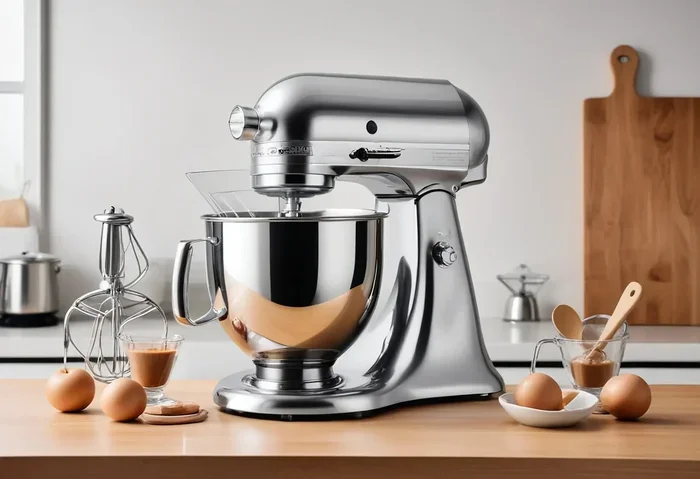
The kitchen sid mixer is a powerful countertop appliance that makes baking and cooking easier than ever. Whether you are a beginner or a seasoned baker, this guide covers everything you need to know. Read on to discover features, models, and pro tips that will transform your kitchen experience.
If you love baking or cooking at home, you have probably heard about the kitchen sid mixer. This countertop appliance has become a staple in kitchens around the world. But what makes it so special? And how do you choose the right one for your needs?
This guide covers everything you need to know about the kitchen sid mixer. We will explore features, models, attachments, and practical tips. By the end, you will feel confident picking the perfect mixer for your kitchen. Let us dive in.
Key Takeaways
- Versatile Powerhouse: A kitchen sid mixer handles everything from bread dough to whipped cream with ease.
- Multiple Models Available: Different sizes and power levels suit every kitchen and budget.
- Key Features Matter: Look for motor strength, bowl capacity, and attachment compatibility when choosing.
- Attachments Expand Functionality: Pasta rollers, meat grinders, and dough hooks unlock new cooking possibilities.
- Proper Maintenance Matters: Regular cleaning and care extend the life of your mixer significantly.
- Smart Investment: A quality kitchen sid mixer saves time and elevates your home baking results.
📑 Table of Contents
What Is a Kitchen Sid Mixer?
A kitchen sid mixer is a countertop appliance designed to mix, knead, whip, and beat ingredients. It uses a motor-driven mechanism to do the hard work for you. Instead of mixing dough by hand for twenty minutes, a stand mixer handles it in minutes.
These machines come in different sizes and power levels. Some are compact and fit small kitchens. Others are heavy-duty and built for serious baking projects. The kitchen sid mixer has evolved over decades, becoming more powerful, quieter, and smarter with each generation.
Most models include a bowl, a mixing head, and several attachments. The standard attachments are a flat beater, a dough hook, and a wire whisk. These three tools cover most mixing tasks you will encounter in home cooking.
What sets a kitchen sid mixer apart from a hand mixer is its stability and power. A stand mixer stays in place while it works. It has a sturdy base and a heavy motor. This means it can handle thick cookie dough and stiff bread dough without struggling.
How Does a Kitchen Sid Mixer Work?
The motor powers a rotating mechanism inside the bowl. Depending on the attachment you use, it mixes ingredients in different ways. The flat beater blends batters smoothly. The dough hook kneads bread dough by folding and stretching it. The wire whisk incorporates air into cream or egg whites.
Most kitchen sid mixer models offer multiple speed settings. Lower speeds are great for combining flour and liquids. Higher speeds whip cream or beat eggs to fluffy perfection. The planetary mixing action ensures every ingredient gets fully incorporated.
Key Features to Look For
When shopping for a kitchen sid mixer, several features stand out. Understanding these will help you make a smarter purchase decision.
Motor Power
The motor is the heart of any kitchen sid mixer. More watts mean more power. For light tasks like whipping cream, a 250-watt motor works fine. For heavy bread dough, look for 350 watts or more.
Some models have a power motor that adjusts automatically based on the resistance. This prevents the mixer from stalling when you add heavy ingredients. It also protects the motor from overheating during long mixing sessions.
Bowl Capacity
Bowl size matters a lot. A small bowl works great for everyday tasks like mixing cake batter. But if you bake bread regularly, you need a larger bowl. Most kitchen sid mixer models offer bowls ranging from 4 quarts to 7 quarts.
Consider how many people you cook for. A family of four might be happy with a 5-quart bowl. Large families or frequent bakers should go bigger. The mixer capacity determines how much dough or batter you can prepare in one batch.
Bowl-Lift vs Tilt-Head Design
Kitchen sid mixer models come in two main designs. The tilt-head mixer lifts the mixing head up for easy access. This is convenient when adding ingredients mid-mix. It is also lighter and more compact.
The bowl-lift design raises the entire bowl up to the mixing head. This type is heavier and more stable. It handles heavy dough better because the weight keeps the mixer from moving around the counter. Professional bakers often prefer the bowl-lift mixer for its durability.
Speed Settings and Control
More speed settings give you more control over your mixing. Basic models offer 6 to 10 speeds. Premium kitchen sid mixer models can have 12 or more speeds. Some even include a soft-start feature that begins at a low speed to prevent flour clouds.
A mixer speed settings dial should be easy to read and use. Some advanced models include a timer function. This lets you set a mixing duration and walk away. It is a small feature that adds a lot of convenience.
Attachment Compatibility
One of the biggest advantages of a kitchen sid mixer is its versatility through attachments. Most brands use a standard attachment system. This means you can buy additional tools that fit your mixer.
Popular attachments include pasta rollers, meat grinders, food processors, and vegetable slicers. These turn your stand mixer into a multi-purpose kitchen tool. Over time, attachments can expand what your mixer can do far beyond simple mixing.
Kitchen Sid Mixer Models Compared
The market offers many kitchen sid mixer options. Choosing the right one depends on your needs, budget, and kitchen space. Here is a closer look at popular models and what they offer.
Entry-Level Models
Budget-friendly kitchen sid mixer models are perfect for beginners. They typically have a 4- to 5-quart bowl and a 250- to 300-watt motor. These mixers handle everyday tasks like cake batters, cookie dough, and whipped cream with ease.
Entry-level models are lightweight and easy to store. They are ideal for people who bake occasionally or have limited counter space. The countertop mixer in this range usually costs between $200 and $350.
Mid-Range Models
Mid-range kitchen sid mixer options offer more power and capacity. They typically feature a 5- to 6-quart bowl and a 325- to 400-watt motor. These mixers can handle heavier doughs and larger batches.
Many mid-range models include additional features like pour-in spouts and timer functions. They strike a great balance between price and performance. For home bakers who bake regularly, this is often the sweet spot.
Professional-Grade Models
Heavy-duty kitchen sid mixer models are built for serious baking. They feature 5- to 7-quart bowls and motors rated at 450 watts or higher. These mixers can handle bread dough, large batches of cookie dough, and thick batters effortlessly.
The heavy-duty mixer design includes reinforced gears and a stable base. Professional bakers and enthusiastic home cooks swear by these machines. They are an investment, but they last for years with proper care.
| Feature | Entry-Level | Mid-Range | Professional |
|---|---|---|---|
| Bowl Capacity | 4-5 quarts | 5-6 quarts | 6-7 quarts |
| Motor Power | 250-300W | 325-400W | 450W+ |
| Weight | 20-25 lbs | 25-30 lbs | 30-35 lbs |
| Price Range | $200-$350 | $350-$550 | $550-$800+ |
| Best For | Occasional baking | Regular home baking | Frequent or professional use |
How to Choose the Right Kitchen Sid Mixer for You
Choosing the right kitchen sid mixer comes down to understanding your needs. Here are some factors to consider before making your decision.
Assess Your Baking Habits
Think about how often you bake. If you bake once a month for simple recipes, an entry-level kitchen sid mixer will serve you well. If you bake weekly or make bread from scratch, invest in a more powerful model.
Consider the types of recipes you make most. Cake batters and muffin mixes are light tasks. Bread dough and stiff cookie dough require more torque. Matching your mixer power to your baking style ensures the best results.
Measure Your Kitchen Space
A kitchen sid mixer takes up valuable counter space. Measure the area where you plan to keep it. Tilt-head models are more compact and easier to store. Bowl-lift models are sturdier but take up more room.
Also consider storage when not in use. Some mixers are tall and narrow, fitting into tight cabinets. Others are wide and heavy, staying on the counter permanently. Choose a size that fits your kitchen layout comfortably.
Set a Realistic Budget
Kitchen sid mixer prices vary widely. Entry-level models start around $200. Professional-grade options can exceed $800. Set a budget before shopping and stick to it.
Remember that a kitchen sid mixer is an investment. A slightly higher upfront cost often means better build quality and longer lifespan. Look for models with strong warranties and good customer support.
Tips for Getting the Most Out of Your Kitchen Sid Mixer
Owning a kitchen sid mixer is one thing. Using it effectively is another. These practical tips will help you get the best results every time.
Always Add Dry Ingredients First
When mixing dough, add flour and dry ingredients before liquids. This prevents a mess and ensures even mixing. The dough hook works best when it can grab the flour before liquid is introduced.
Do Not Overfill the Bowl
Every kitchen sid mixer has a maximum capacity. Overfilling the bowl causes ingredients to spill out and mixes unevenly. For best results, fill the bowl no more than two-thirds full.
Use the Right Attachment
Each attachment serves a specific purpose. The flat beater works for batters and cake mixes. The dough hook is perfect for bread and pizza dough. The wire whisk excels at whipping cream and egg whites. Using the right attachment saves time and improves results.
Clean After Every Use
Regular cleaning keeps your kitchen sid mixer running smoothly. Wash the bowl and attachments with warm soapy water after each use. Wipe down the base with a damp cloth. Never submerge the motor unit in water.
Let the Mixer Do the Work
One of the best things about a kitchen sid mixer is that it saves your energy. Do not force ingredients into the bowl while the mixer is running. Turn it off first, add ingredients, then resume mixing.
Store Attachments Properly
Keep your mixer attachments organized in a dedicated container or bag. This prevents damage and makes it easy to find what you need. A well-organized setup makes baking more enjoyable.
Common Mistakes to Avoid
Even experienced bakers make mistakes with their kitchen sid mixer. Avoiding these common errors will protect your investment and improve your results.
Using the Wrong Speed
Starting at a high speed can send flour flying everywhere. Always begin at a low speed when combining dry and wet ingredients. Gradually increase speed as needed. This simple habit keeps your kitchen clean and your mixing even.
Neglecting Regular Maintenance
A kitchen sid mixer needs occasional maintenance to perform well. Check the attachment drive for stuck food particles. Lubricate moving parts if recommended by the manufacturer. Ignoring maintenance leads to wear and reduced performance over time.
Overworking the Dough
More mixing is not always better. Overworking dough develops too much gluten, resulting in a tough texture. Follow recipe instructions for mixing times and trust your kitchen sid mixer to do the work efficiently.
Ignoring the Maximum Capacity
Every mixer has limits. Pushing beyond the mixer capacity strains the motor and produces uneven results. Respect the maximum fill line and batch your dough accordingly for the best outcomes.
Accessories That Elevate Your Kitchen Sid Mixer
The real magic of a kitchen sid mixer happens when you add accessories. These tools transform your mixer from a single-purpose appliance into a versatile kitchen powerhouse.
Pasta Roller Attachment
A pasta roller attachment lets you make fresh pasta at home. You mix the dough with your mixer, then feed it through the roller. Fresh pasta tastes better than store-bought and is surprisingly easy to make.
Food Grinder Attachment
A food grinder attachment turns your mixer into a meat processing station. Grind your own burger meat, make sausages, or process raw nuts. This attachment is a game-changer for home cooks who love from-scratch cooking.
Juicer and Grain Mill Attachments
Some kitchen sid mixer brands offer juicer and grain mill attachments. These expand your kitchen capabilities even further. Fresh-squeezed orange juice and freshly ground flour become everyday possibilities.
Dough Hook Upgrades
For serious bread bakers, consider upgrading your dough hook. Some brands offer reinforced dough hooks designed for very stiff doughs. These hooks are more durable and provide better kneading action.
Final Verdict
The kitchen sid mixer is one of the most valuable tools you can add to your kitchen. It saves time, reduces effort, and delivers consistent results every time. Whether you bake occasionally or daily, there is a kitchen sid mixer model that fits your needs.
Consider your baking habits, kitchen space, and budget when choosing. Start with the features that matter most to you. Add attachments over time as your cooking skills grow. A quality stand mixer becomes a trusted companion in your culinary journey.
Take the time to research and invest wisely. Your future self will thank you every time you pull out a perfectly mixed batch of cookie dough or a beautifully kneaded loaf of bread. The kitchen sid mixer is more than an appliance. It is a gateway to better home cooking.
Frequently Asked Questions
What makes a kitchen sid mixer different from a hand mixer?
A kitchen sid mixer is a standalone appliance with a motor, bowl, and mixing head. It stays in place on your counter and handles heavy dough with ease. A hand mixer is smaller, handheld, and best for light tasks like whipping cream or beating eggs.
How do I clean my kitchen sid mixer?
Unplug the mixer first. Remove the bowl and attachments and wash them with warm soapy water. Wipe down the motor base with a damp cloth. Never submerge the base in water. Clean your mixer after every use to prevent buildup.
Can a kitchen sid mixer knead bread dough?
Yes, absolutely. A kitchen sid mixer with a dough hook is excellent for kneading bread dough. The hook folds and stretches the dough automatically, saving you significant time and effort compared to hand kneading.
How long does a kitchen sid mixer last?
A well-maintained kitchen sid mixer can last 10 to 15 years or more. Heavy-duty models tend to last longer because of their stronger motors and reinforced components. Regular cleaning and proper storage help extend the lifespan significantly.
Is a tilt-head or bowl-lift mixer better?
It depends on your needs. Tilt-head mixers are lighter, more compact, and easier to access. Bowl-lift mixers are heavier, more stable, and better for very heavy doughs. Choose based on your baking habits and kitchen space.
What attachments should I buy for my kitchen sid mixer?
Start with the basics: a flat beater, dough hook, and wire whisk. Then consider a pasta roller attachment, food grinder, or vegetable slicer based on your cooking style. Each attachment expands what your kitchen sid mixer can do.
=== CONCLUSION ===
The kitchen sid mixer is a must-have for anyone who loves baking or cooking at home. From its powerful motor to its versatile attachments, this appliance makes kitchen work easier and more enjoyable. By understanding the features, models, and tips covered in this guide, you are now equipped to make the best choice for your kitchen.
Take your time, compare options, and invest in a kitchen sid mixer that matches your baking lifestyle. The right mixer will save you time, inspire creativity, and deliver delicious results for years to come. Happy baking!

