
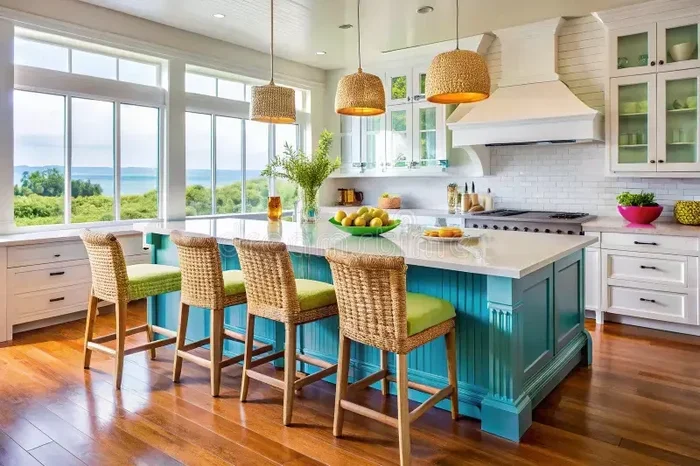
schooners coastal kitchen is an essential topic that provides valuable insights.
Key Takeaways
- Understanding schooners coastal kitchen: Provides essential knowledge
📑 Table of Contents
- What Is a Schooners Coastal Kitchen?
- Key Design Elements of a Schooners Coastal Kitchen
- Color Palettes and Materials for Coastal Cooking Spaces
- Must-Have Appliances and Features
- How to Add Coastal Charm on a Budget
- Maintenance Tips for a Long-Lasting Coastal Kitchen
- Common Mistakes to Avoid
- Expert Insights on Coastal Kitchen Trends
- Key Takeaways
- Conclusion
What Is a Schooners Coastal Kitchen?
A schooners coastal kitchen draws inspiration from the sea, sailing, and seaside living. It takes its name from the schooner, a classic sailing vessel that once ruled coastal waters. The design reflects the simplicity, craftsmanship, and free-spirited nature of life on the water. Think weathered wood, soft blues, and natural textures that whisper ocean stories.
This style is not just about looks. It is about creating a kitchen that feels relaxed and functional. You want a space where you can cook breakfast while watching the sunrise over the water. Or where family gatherings feel as easy as a day at the beach. The schooners coastal kitchen achieves this balance between beauty and everyday use.
One of the best things about this style is its flexibility. You do not need to live near the coast to enjoy it. Whether your home sits on the waterfront or inland, coastal design principles work anywhere. The key is capturing the right mood through thoughtful choices in color, material, and decor.
The Story Behind Coastal Kitchen Design
Coastal kitchen design has roots in New England, the Mediterranean, and Caribbean beach towns. Fishermen and sailors needed kitchens that were durable and easy to clean. They also wanted spaces that felt open and connected to the sea. Over time, these practical needs evolved into a beloved design aesthetic. Today, the schooners coastal kitchen carries forward that heritage with modern updates.
Key Design Elements of a Schooners Coastal Kitchen
Every great schooners coastal kitchen shares a few signature design elements. These details work together to create that unmistakable coastal feel. Let us break down the most important pieces.
Shiplap and Wood Textures
Shiplap walls are a staple of coastal design. These horizontal wooden panels add texture and warmth without feeling heavy. You often see them in soft white or weathered gray. They remind many people of beach cottages and seaside cabins. Pair shiplap with natural wood accents for an authentic coastal look.
Reclaimed wood is another favorite in a schooners coastal kitchen. Old barn wood, driftwood finishes, and distressed oak all bring character. These materials tell a story, just like the schooners that inspired the style. You can find shiplap panels and reclaimed wood at most home improvement stores or online retailers.
Nautical Hardware and Fixtures
The little details matter just as much as the big ones. Nautical hardware includes rope-style pulls, brass fittings, and anchor-shaped knobs. These touches make your kitchen feel like it belongs on a ship. Brass and bronze finishes age beautifully, adding to the weathered coastal charm.
Consider adding porthole-style cabinet handles or ship wheel drawer pulls. These small upgrades make a big difference. They tie the whole room together and give your schooners coastal kitchen that authentic maritime feel.
Open Shelving and Display Spaces
Open shelving is a hallmark of coastal kitchens. It keeps things feeling light and uncluttered. You can display your favorite coastal cookbooks, sea glass collections, or simple white dishes. Glass-front cabinets also work well if you want to protect your items while still showing them off.
Open shelving encourages a relaxed approach to kitchen storage. It reminds you that a coastal kitchen does not need to be perfect. A few well-chosen items on display add personality without creating chaos.
Color Palettes and Materials for Coastal Cooking Spaces
Color is one of the most powerful tools in any schooners coastal kitchen. The right palette sets the mood and makes the space feel instantly calming. Let us explore the best color choices and materials for this style.
Coastal Color Schemes
The classic coastal palette draws from the sea and sky. Think soft blues, creamy whites, sandy beiges, and gentle greens. Navy and white is a timeless combination that never goes out of style. You can use navy for accent cabinets or a feature wall while keeping the rest of the kitchen bright and airy.
Here are some popular color combinations for a schooners coastal kitchen:
- White and soft blue: Fresh and clean, like a sunny day by the water.
- Navy and cream: Sophisticated yet relaxed, perfect for evening cooking.
- Sandy beige and seafoam green: Earthy and organic, bringing the beach indoors.
- Weathered gray and white: Modern coastal with a subtle, understated feel.
Best Materials for a Coastal Feel
Materials make or break a coastal kitchen design. You want surfaces and finishes that look natural and aged gracefully. Quartz countertops in white or light gray work beautifully. They mimic the look of sea-worn stone without requiring high maintenance.
For flooring, consider wide-plank hardwood in a light oak finish. Alternatively, porcelain tile that looks like natural stone offers durability with coastal charm. Subway tile backsplashes in white or soft blue remain a go-to choice. They are classic, affordable, and endlessly versatile in a schooners coastal kitchen.
| Material | Best Use | Coastal Vibe |
|---|---|---|
| White quartz | Countertops | Clean, bright, and low maintenance |
| Light oak hardwood | Flooring | Warm and natural |
| Subway tile | Backsplash | Classic and timeless |
| Reclaimed wood | Open shelving | Rustic and authentic |
| Brass fixtures | Hardware and lighting | Nautical and warm |
Must-Have Appliances and Features
A schooners coastal kitchen should feel both beautiful and practical. The right appliances and features make cooking enjoyable while keeping the coastal aesthetic intact. Here are the essentials to consider.
Choosing Appliances That Fit the Style
Stainless steel appliances are a natural fit for coastal kitchens. They reflect light and feel clean and modern. However, if you want a more vintage coastal look, consider retro-style appliances in cream or pastel colors. These add a playful touch that complements the nautical theme.
Built-in appliances help keep lines clean and uncluttered. A hidden dishwasher, flush-mount oven, and integrated refrigerator all contribute to that streamlined coastal feel. The goal is a kitchen that looks effortless, even when you are in the middle of a busy cooking session.
Lighting That Mimics Natural Sunlight
Lighting plays a huge role in coastal kitchen design. You want fixtures that feel warm and inviting, not harsh or clinical. Pendant lights with rope or wicker shades add instant coastal character. Brass chandeliers with a weathered finish also work beautifully.
Under-cabinet lighting is essential for task areas like the prep space. It keeps the kitchen functional while adding a soft glow. Consider adding a skylight or larger windows if possible. Natural light is the best way to make a schooners coastal kitchen feel truly connected to the outdoors.
Functional Layouts for Easy Cooking
The best coastal kitchens are designed with workflow in mind. The classic work triangle connects the sink, stove, and refrigerator efficiently. Open floor plans allow the kitchen to flow into dining or living areas. This creates a sense of spaciousness that is central to coastal living.
If you have a smaller kitchen, focus on vertical storage and multi-purpose islands. A kitchen island with built-in storage solves two problems at once. It gives you counter space and hidden cabinets. This practical approach keeps your schooners coastal kitchen organized and stress-free.
How to Add Coastal Charm on a Budget
You do not need a huge budget to create a stunning schooners coastal kitchen. Small changes can make a big impact. Here are some budget-friendly ways to bring the coast into your cooking space.
DIY Coastal Accents
Start with simple DIY projects that add coastal character. Paint old cabinets in a soft white or weathered blue. Replace cabinet knobs with rope-style pulls. These two changes alone can transform a kitchen’s look. You will spend less than a hundred dollars and get dramatic results.
Create your own sea-inspired wall art. Frame pieces of sea glass, sand dollars, or vintage nautical maps. These personal touches make your kitchen unique. They also tell a story about your connection to the coast, even if you live miles from the ocean.
Thrift and Flea Market Finds
Thrift stores and flea markets are goldmines for coastal kitchen decor. Look for vintage glass jars, brass candle holders, and old wooden crates. These items add authentic character that mass-produced decor cannot replicate. A quick coat of paint or some sandpaper can refresh old finds and make them look right at home in your schooners coastal kitchen.
Textiles and Soft Furnishings
Do not overlook the power of textiles in coastal design. Swap out kitchen towels for ones with nautical stripes or anchor prints. Add a woven seagrass rug near the kitchen entrance. Cushions on bar stools in soft blues or whites complete the look. These small additions make the space feel warm and lived-in.
Maintenance Tips for a Long-Lasting Coastal Kitchen
Keeping a schooners coastal kitchen looking its best requires some simple care. Coastal materials and finishes need specific maintenance to stay beautiful over time. Here is what you need to know.
Protecting Natural Wood Surfaces
Reclaimed wood and shiplap need regular sealing to prevent moisture damage. Use a food-safe wood sealant on countertops and shelving. Wipe up spills quickly, especially in kitchens near the coast where humidity is higher. A quick wipe-down after cooking keeps wood surfaces in great shape.
Cleaning Brass and Metal Fixtures
Brass fixtures add warmth but can tarnish over time. A gentle brass cleaner keeps them looking bright. For a more weathered look, you can skip polishing and let the brass age naturally. Either way, regular dusting and occasional deep cleaning will maintain the beauty of your metal accents.
Keeping Fabrics and Textiles Fresh
Kitchen towels, cushions, and rugs get dirty quickly. Wash them regularly to prevent salt and grease buildup. Choose machine-washable fabrics for easy care. This keeps your coastal textiles looking fresh and vibrant throughout the seasons.
Dealing with Humidity and Salt Air
If you live near the coast, humidity and salt air can affect your kitchen. Use a good range hood to remove moisture while cooking. Consider a dehumidifier in humid months. Wipe down metal surfaces regularly to prevent salt corrosion. These simple habits protect your investment and keep your schooners coastal kitchen in top condition for years.
Common Mistakes to Avoid
Even with the best intentions, some mistakes can undermine your coastal kitchen design. Being aware of these pitfalls helps you avoid them. Here are the most common errors people make when creating a schooners coastal kitchen.
Overdoing the Nautical Theme
Too many anchors, ships, and seashells can make a kitchen feel like a gift shop. The key is subtlety. Choose a few meaningful nautical pieces rather than cluttering every surface. Let the design elements work together quietly. A schooners coastal kitchen should feel refined, not cartoonish.
Ignoring Practical Needs
It is easy to focus on aesthetics and forget about functionality. Make sure your kitchen layout supports your cooking habits. Storage space, counter area, and proper lighting all matter. A beautiful coastal kitchen that does not work well for daily use will quickly lose its appeal.
Choosing the Wrong Materials
Not all materials hold up well in a kitchen environment. Avoid untreated wood surfaces that can warp or stain easily. Skip fabrics that cannot handle grease and moisture. Choose durable, easy-to-clean materials that still look coastal. This ensures your kitchen stays beautiful without constant upkeep.
Expert Insights on Coastal Kitchen Trends
Interior designers who specialize in coastal spaces share valuable insights. They emphasize the importance of balancing style with livability. The best schooners coastal kitchen designs feel timeless rather than trendy. They focus on quality materials and thoughtful details that age well.
One expert tip is to anchor your design with a signature piece. This could be a statement light fixture, a custom island, or a bold cabinet color. That one element sets the tone for the entire room. Everything else should support and complement it. This approach keeps your coastal kitchen cohesive and intentional.
Another trend gaining popularity is mixing coastal with modern farmhouse elements. This combination creates a fresh, updated look that appeals to a wide range of homeowners. Think shiplap walls paired with sleek stainless appliances. Or a weathered wood island with clean-lined pendant lights. The fusion of styles adds depth and interest to your schooners coastal kitchen.
Key Takeaways
- A schooners coastal kitchen captures the relaxed, sun-kissed feel of seaside living through thoughtful design choices.
- Shiplap walls, reclaimed wood, and nautical hardware form the foundation of authentic coastal kitchen style.
- Soft blues, creamy whites, and sandy beiges create the perfect coastal color palette that feels calming and inviting.
- Budget-friendly updates like repainting cabinets, swapping hardware, and adding coastal textiles can transform any kitchen.
- Proper maintenance including sealing wood, cleaning brass, and managing humidity keeps your coastal kitchen looking its best.
- Avoid overdoing the nautical theme by choosing a few meaningful pieces rather than cluttering with too many themed items.
- Mixing coastal with modern farmhouse elements creates a fresh, timeless look that appeals to a wide range of tastes.
Conclusion
A schooners coastal kitchen is more than a design trend. It is a lifestyle choice that brings joy, relaxation, and inspiration into your daily cooking routine. From the color palette to the hardware choices, every detail contributes to creating a space that feels like a seaside escape. You do not need a waterfront property to enjoy this style. With the right materials, colors, and thoughtful touches, any kitchen can transform into a coastal retreat.
Start small if you need to. A few new cabinet handles, a fresh coat of paint, and some coastal decor can shift the entire mood of your space. As you grow more confident, add bigger elements like open shelving or a kitchen island. The beauty of a schooners coastal kitchen is that it evolves with you. It grows more charming and personal over time, just like a favorite beach house you visit every summer.
Now is the perfect time to start planning your coastal kitchen transformation. Whether you are remodeling from scratch or simply refreshing your current space, the principles in this guide will help you succeed. Trust your instincts, choose pieces that speak to you, and enjoy the journey of creating a kitchen that truly brings the coast into your cooking.
Frequently Asked Questions
What makes a schooners coastal kitchen different from other coastal styles?
A schooners coastal kitchen specifically draws from the sailing and maritime tradition, taking its name from the schooner vessel. While general coastal kitchens focus on beachy vibes, the schooners style emphasizes weathered wood, nautical hardware, and a more refined maritime aesthetic. It feels like a captain’s galley meets modern functionality, blending historical seafaring charm with contemporary kitchen design.
Can I create a schooners coastal kitchen if I live far from the coast?
Absolutely. Coastal design is about capturing a mood and atmosphere, not your geographic location. You can bring the schooners coastal kitchen style anywhere by focusing on the right color palette, materials, and decor elements. The key is using soft blues, whites, weathered wood, and nautical accents to evoke that seaside feeling regardless of where you live.
What are the most affordable ways to achieve a schooners coastal kitchen look?
The most budget-friendly approaches include painting existing cabinets white or soft blue, swapping cabinet knobs for nautical-style pulls, adding shiplap accent walls, and incorporating coastal textiles like striped towels and seagrass rugs. Thrift stores are excellent sources for vintage coastal decor pieces. These small changes can dramatically shift your kitchen’s style without a major renovation.
What color schemes work best for a schooners coastal kitchen?
The most popular color schemes include white and soft blue, navy and cream, sandy beige with seafoam green, and weathered gray with white. Navy and white remains the most classic combination for a schooners coastal kitchen. You can also add pops of seafoam or coral for a more playful coastal feel. Stick to three to four colors maximum to keep the space cohesive and calming.
How do I maintain a schooners coastal kitchen with natural wood elements?
Natural wood in a schooners coastal kitchen needs regular sealing with food-safe wood sealant to protect against moisture and spills. Wipe up spills immediately, especially in humid coastal environments. Dust brass and metal fixtures regularly and clean them with a gentle brass cleaner. Wash textiles like towels and cushions frequently to prevent grease and salt buildup.
What appliances work best in a schooners coastal kitchen design?
Stainless steel appliances are a natural fit for schooners coastal kitchens because they reflect light and feel clean and modern. For a more vintage coastal look, retro-style appliances in cream or pastel colors add a charming touch. Built-in and integrated appliances help maintain the streamlined, uncluttered look that is central to coastal design. The goal is functionality that does not compete with the aesthetic.

