
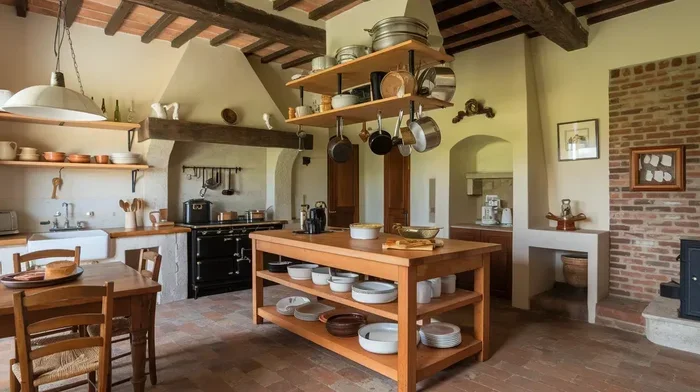
Cibare Italian Kitchen is all about bringing authentic Italian flavors right to your home. This guide covers the rich history, essential ingredients, signature dishes, and practical tips for building a kitchen inspired by traditional Italian cooking. Whether you are a beginner or a seasoned home cook, you will find actionable advice to elevate your Italian culinary experience.
There is something magical about a Cibare Italian Kitchen. It is more than just a place to cook. It is a space where authentic Italian flavors come alive, where the aroma of simmering sauce fills the air, and where family and friends gather around the table with joy. If you have ever dreamed of recreating those warm, rustic meals you tasted in Italy, you are in the right place.
This guide dives deep into what makes a Cibare Italian Kitchen special. We will explore the history, the essential ingredients, the signature dishes, and the practical steps you can take to bring this Italian culinary tradition into your own home. Whether you are just starting out or looking to refine your skills, this article has something valuable for you.
Key Takeaways
- Authentic Italian cooking relies on simple, high-quality ingredients and time-honored techniques.
- Cibare Italian Kitchen emphasizes fresh herbs, good olive oil, and handmade staples like pasta and bread.
- Building a traditional Italian kitchen at home is easier than you think with the right essentials.
- Italian comfort food like ragu, risotto, and fresh pasta connects families and celebrates Italian food culture.
- Mastering Italian cooking techniques such as slow simmering and fresh preparation transforms everyday meals.
- Italian hospitality is at the heart of every meal, making dining a warm and communal experience.
📑 Table of Contents
What Is Cibare Italian Kitchen?
The phrase Cibare Italian Kitchen carries a beautiful meaning. “Cibare” comes from the Latin word for nourishment and food. It reflects the Italian belief that cooking is not just about feeding the body. It is about feeding the soul. A traditional Italian kitchen is built on love, patience, and respect for ingredients.
In Italy, the kitchen is the heart of the home. It is where generations share recipes, where Sunday dinners stretch for hours, and where every meal tells a story. Cibare Italian Kitchen captures this spirit. It is about creating meals that are simple yet deeply flavorful. It is about using fresh Italian ingredients and letting them shine.
Unlike overly complicated cooking styles, authentic Italian cuisine trusts the quality of the ingredients. A few ripe tomatoes, a drizzle of Italian olive oil, some fresh basil, and good pasta can create a meal that rivals anything served in a fine restaurant. The magic lies in the simplicity.
Why Simplicity Matters in Italian Cooking
Italian cooking is famous for its simplicity. This is not an accident. It is a philosophy. Italian cooks believe that fewer ingredients mean each one gets to show its true flavor. When you use a handmade pasta with a simple garlic and oil sauce, every bite is pure and honest.
This approach also makes cooking more accessible. You do not need fancy equipment or hard-to-find ingredients. You need good basics and the willingness to let them do their work. That is the beauty of a Cibare Italian Kitchen. It invites everyone to the table.
The History Behind Authentic Italian Cooking
Italian food has a rich and fascinating history. It has been shaped by centuries of regional traditions, trade, and cultural exchange. Understanding this history helps you appreciate why Italian cooking techniques are the way they are today.
In ancient Rome, simple grains, legumes, and olive oil formed the base of the diet. As Italy unified in the 19th century, regional dishes began to spread across the country. Naples gave us pizza and Italian ragu. Bologna became famous for rich meat sauces and fresh tagliatelle. Sicily brought seafood, citrus, and bold flavors to the table.
Each region developed its own identity. But they all shared common values. Respect for ingredients. Seasonality. The belief that food should bring people together. These values are at the core of every family-style Italian meal. They are what make Cibare Italian Kitchen feel so warm and genuine.
The Mediterranean Diet Connection
Italian cuisine is a cornerstone of the Mediterranean diet, which is widely recognized for its health benefits. This diet emphasizes fresh vegetables, whole grains, healthy fats, and lean proteins. It is not a fad diet. It is a way of eating that has sustained Italian families for centuries.
When you cook in a traditional Italian kitchen, you naturally eat more vegetables, olive oil, and legumes. You eat less processed food. This is one of the hidden gifts of authentic Italian cuisine. It nourishes the body as much as it delights the palate.
Essential Ingredients for an Italian Kitchen
Building a Cibare Italian Kitchen starts with stocking the right ingredients. You do not need a huge pantry. You need the right staples. Here are the essentials that every Italian cook should have on hand.
Extra Virgin Olive Oil
Good olive oil is the foundation of Italian cooking. It is used for sautéing, dressing salads, finishing dishes, and even dipping bread. Look for cold-pressed extra virgin olive oil from Italy. It has a fruity, peppery flavor that elevates everything it touches.
Fresh Herbs and Aromatics
Basil, rosemary, oregano, and thyme are the backbone of Italian flavor. Fresh garlic and onions are equally important. These ingredients are cheap, easy to find, and incredibly versatile. A small pot of fresh basil on your windowsill can transform your Italian cooking instantly.
Quality Pasta and Grains
Handmade pasta is the gold standard in any Italian kitchen. But even dried pasta from a good brand can produce wonderful results. Look for pasta made from durum wheat semolina. It holds sauce better and has a satisfying chew. Rice for risotto, polenta for hearty side dishes, and bread for soaking up sauces are all essential.
Canned Tomatoes and Tomato Paste
San Marzano tomatoes are the prized choice for Italian sauce recipes. They are sweet, low in acidity, and perfect for sauces. Canned tomatoes are a year-round staple in a Cibare Italian Kitchen. They make preparing Italian comfort food quick and easy even on busy weeknights.
Cheese and Cured Meats
Parmigiano-Reggiano, Pecorino Romano, and fresh mozzarella are just a few of the cheeses that define Italian cooking. Prosciutto, pancetta, and guanciale add depth to countless dishes. These ingredients may seem indulgent, but a little goes a long way in building bold flavors.
Signature Dishes You Must Try
Every Cibare Italian Kitchen has a collection of go-to recipes. These are the dishes that define the experience. Here are some favorites that every home cook should try.
Classic Italian Ragu
A slow-cooked meat sauce is the crown jewel of traditional Italian cooking. Unlike the quick marinara many people know, a true Italian ragu simmers for hours. It develops deep, complex flavors that coat every strand of pasta perfectly. If you want to learn how to make an authentic version, check out our detailed Italian Ragu Recipe for step-by-step guidance.
The secret to a great ragu is patience. You brown the meat, soften the soffritto, and let the tomatoes work their magic. The result is a rich, hearty sauce that tastes like it has been in the family for generations. This is what Italian comfort food is all about.
Fresh Pasta from Scratch
Making pasta from scratch is one of the most rewarding skills in any Italian kitchen. All you need is flour, eggs, and a little practice. The dough is forgiving, and the results are spectacular. Fresh pasta cooks faster than dried and has a delicate, silky texture that store-bought versions simply cannot match.
Start with a simple tagliatelle or pappardelle. Once you master the basic dough, you can experiment with spinach pasta, squid ink pasta, or stuffed varieties like ravioli and tortellini. Each shape pairs best with specific sauces, which is part of the fun of Italian food culture.
Risotto alla Milanese
Risotto is another dish that showcases the beauty of Italian cooking techniques. The slow addition of warm broth, the constant stirring, and the final mantecatura (creaming step) all require attention and care. Risotto alla Milanese, with its golden saffron color, is a classic that never fails to impress.
This dish is perfect for a family-style Italian meal. It pairs beautifully with osso buco or a simple green salad. The creamy texture and subtle flavor make it a favorite among both kids and adults.
Tiramisu and Italian Desserts
No Italian culinary experience is complete without a sweet ending. Tiramisu, panna cotta, and cannoli are some of the most beloved Italian desserts. They are not overly sweet. They are elegant and satisfying. A homemade tiramisu, with its layers of espresso-soaked ladyfingers and mascarpone cream, is the perfect way to end a Cibare Italian Kitchen meal.
Tips for Building Your Own Italian Kitchen
You do not need a renovation to create a Cibare Italian Kitchen at home. It is more about mindset and approach than about fancy appliances or expensive gadgets. Here are practical tips to help you get started.
Start with the Basics
Do not try to buy everything at once. Start with good olive oil, quality tomatoes, fresh herbs, and a few types of pasta. Build your pantry gradually. As you explore more Italian recipes, you will naturally add the ingredients you need.
Shop Seasonally and Locally
Italian cooking honors the seasons. Buy tomatoes in summer, squash in autumn, and fresh greens in spring. Visit farmers markets when you can. Choosing fresh, seasonal produce is one of the easiest ways to improve your Italian dishes and embrace the Mediterranean diet.
Invest in a Few Good Tools
You do not need a commercial kitchen. A large cutting board, a heavy-bottomed pot, a good chef’s knife, and a wooden spoon are all you need to start. A pasta machine is a wonderful addition if you love fresh pasta, but it is not essential from day one.
Cook with Patience and Presence
This is perhaps the most important tip. Italian cooking is not rushed. The sauce simmers slowly. The bread is kneaded by hand. The meal is savored. When you cook with patience and presence, you bring the spirit of a Cibare Italian Kitchen into your home. The food tastes better because the love is in it.
Share the Experience
Italian hospitality is legendary. The meal is not just about the food. It is about the company. Set the table nicely. Light a candle. Pour some wine. Invite friends or family to sit down and enjoy the meal together. This is what transforms a simple dinner into a memorable Italian dining experience.
Why Cibare Italian Kitchen Stands Out
In a world full of food trends and fad diets, Cibare Italian Kitchen offers something timeless. It is grounded in tradition, built on quality ingredients, and focused on connection. Every meal prepared in this style carries a sense of warmth and authenticity that is hard to find elsewhere.
The beauty of this approach is that it works for any lifestyle. You can prepare a quick Italian comfort food meal on a Tuesday night or spend an entire Sunday slow-cooking a ragu for the family. There is no single “right” way. There is only your way, inspired by the Italian culinary tradition.
When you embrace Cibare Italian Kitchen, you are not just learning to cook. You are joining a centuries-old tradition of people who believe that good food, shared with good people, is the greatest pleasure in life. That is a lesson worth carrying into every meal you make.
Bringing It All Together
The journey of a Cibare Italian Kitchen is ongoing. You will discover new Italian recipes, refine your Italian cooking techniques, and develop your own style along the way. Each meal is a chance to learn something new and to connect with the rich Italian food culture that has inspired cooks around the world.
Start small. Use fresh ingredients. Take your time. Share the results with people you love. That is the true essence of authentic Italian cuisine and the heart of every traditional Italian kitchen.
The Italian culinary experience is not reserved for professional chefs or special occasions. It belongs to anyone willing to pick up a knife, turn on the stove, and cook with heart. That is what Cibare Italian Kitchen is all about. Bring it into your home, and you will find that Italian flavors have a way of making every meal feel like a celebration.
Frequently Asked Questions
What does Cibare mean in Italian?
Cibare comes from the Latin word meaning to nourish or to feed. In the context of a Cibare Italian Kitchen, it represents the idea that food is about more than just sustenance. It is about feeding family, sharing love, and celebrating the Italian culinary tradition together.
What are the most important ingredients for an Italian kitchen?
The essentials include extra virgin olive oil, fresh herbs like basil and rosemary, quality pasta, canned San Marzano tomatoes, garlic, and good cheeses like Parmigiano-Reggiano. These fresh Italian ingredients form the foundation of most authentic Italian recipes and are easy to find in any grocery store.
How can I make my Italian cooking more authentic?
Focus on simplicity and quality. Use fewer ingredients but make sure they are the best you can find. Cook with patience, especially for sauces and braises. Embrace seasonal produce and handmade pasta when possible. These small changes will bring your Italian comfort food to life.
Is the Mediterranean diet the same as Italian cooking?
The Mediterranean diet shares many principles with Italian cuisine, including an emphasis on olive oil, vegetables, whole grains, and fresh ingredients. However, Italian cooking is broader and includes regional specialties, Italian sauce recipes, and family-style Italian meals that go beyond just dietary guidelines.
Can beginners cook Italian food at home?
Absolutely. Italian cooking is one of the most beginner-friendly styles of cuisine. The dishes are simple, the ingredients are accessible, and the techniques are easy to learn. Start with a basic pasta dish or a fresh Italian tomato sauce and build your confidence from there.
What makes a Cibare Italian Kitchen different from other cooking styles?
A Cibare Italian Kitchen is defined by its focus on simplicity, quality ingredients, and the communal joy of sharing food. Unlike some cooking styles that rely on complex techniques or exotic ingredients, authentic Italian cuisine trusts the food itself to deliver flavor. The Italian hospitality and warmth at the table are just as important as what is on the plate.
=== CONCLUSION ===
Cibare Italian Kitchen is more than a cooking style. It is a way of life. It is about bringing authentic Italian flavors into your home and sharing them with the people you love. From the simple elegance of a fresh Italian tomato sauce to the slow, patient work of a classic Italian ragu, every dish tells a story of tradition and care.
By stocking your pantry with fresh Italian ingredients, mastering a few essential Italian cooking techniques, and cooking with patience and joy, you can create meals that feel like they came straight from a traditional Italian kitchen in Italy. The Italian food culture welcomes everyone who is willing to learn and share.
Start today. Pick one recipe, gather your ingredients, and cook with love. That is the true spirit of Cibare Italian Kitchen. And once you taste the difference, you will never want to go back.

