
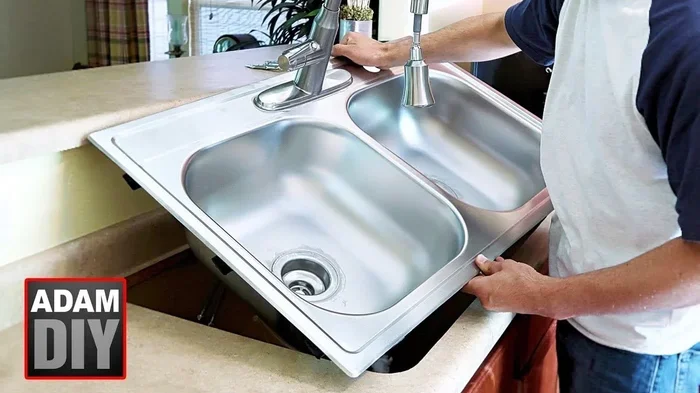
The average cost to replace a kitchen sink ranges from $200 to $800 for the sink itself and $400 to $1,200 for professional installation. Kitchen sink replacement cost depends on sink type, material, and labor rates in your area. Replacing a kitchen sink is a smart upgrade that boosts home value and daily convenience.
So, you need a new kitchen sink. Maybe your old one is stained, cracked, or just outdated. Whatever the reason, one question keeps popping up: how much does it cost to replace a kitchen sink? The honest answer is that it depends on several factors, but this guide will walk you through every number you need to know.
Kitchen sink replacement is one of the most common home improvement projects. It is also one of the most satisfying. A new sink can transform your kitchen’s look and feel in just a few hours. Whether you are dealing with a leaky basin or planning a full kitchen remodel, understanding the costs upfront helps you make smart decisions.
In this article, we break down every expense involved. From the sink itself to labor charges, from material choices to hidden fees, we cover it all. By the end, you will know exactly what to budget for your sink installation project.
Key Takeaways
- Average total cost: Most homeowners pay between $400 and $2,000 for a full sink replacement.
- Sink type matters: Undermount sinks cost more than drop-in models, and premium materials like granite composite add to the price.
- Labor adds up: Professional installation typically runs $200 to $600, depending on complexity.
- DIY saves money: Experienced homeowners can save hundreds by doing the work themselves.
- Hidden costs exist: Plumbing repairs, faucet upgrades, and countertop adjustments can increase the total bill.
- Timing matters: Replacing a sink during a broader kitchen renovation often reduces overall labor costs.
📑 Table of Contents
- How Much Does It Cost to Replace a Kitchen Sink
- Types of Kitchen Sinks and Their Price Range
- Factors That Affect Kitchen Sink Replacement Cost
- DIY vs. Hiring a Professional
- Step-by-Step Guide to Replacing a Kitchen Sink
- Common Mistakes to Avoid When Replacing a Kitchen Sink
- Expert Insights on Kitchen Sink Replacement
- How Long Does a Kitchen Sink Replacement Take
- How to Budget for Your Kitchen Sink Replacement
- Maintenance Tips for Your New Kitchen Sink
- Conclusion
How Much Does It Cost to Replace a Kitchen Sink
The short answer is that most homeowners spend between $400 and $2,000 for a complete kitchen sink replacement. But that range is wide, and for good reason. The final number depends on the sink type, material, size, and whether you hire a professional or go the DIY route.
Let us look at the basic cost breakdown. The sink unit itself usually costs between $100 and $500. Installation labor runs from $200 to $600. Add in any extra plumbing work, and you might land closer to the higher end of the spectrum.
Here is a simple average cost table to give you a clear picture.
- Basic drop-in sink: $150 to $350 (sink only)
- Undermount sink: $300 to $700 (sink only)
- Stainless steel sink: $100 to $500
- Granite composite sink: $300 to $800
- Cast iron sink: $400 to $1,000
- Professional installation labor: $200 to $600
- Total average project cost: $400 to $2,000
These numbers reflect national averages. Your local plumbing labor cost might be higher or lower depending on where you live. Major cities like New York or San Francisco tend to have higher labor rates. Rural areas often cost less. Always get at least three quotes from licensed professional plumbers before committing.
Why Costs Vary So Much
The wide price range comes down to a few key factors. First, the material of your sink makes a big difference. A basic stainless steel sink is affordable and durable. A premium fireclay or copper sink will cost significantly more. Second, the complexity of the installation matters. A simple swap-out takes less time than replacing a sink that requires new water supply lines or a modified drain assembly.
Third, your geographic location plays a role. Labor rates vary by region and even by neighborhood. Fourth, whether you need additional work like countertop cutting or garbage disposal installation adds to the total. All of these factors combine to shape your final bill.
Types of Kitchen Sinks and Their Price Range
Not all sinks are created equal. The type of sink you choose has a direct impact on both the material cost and the installation difficulty. Let us walk through the most common options.
Drop-In Sinks
A drop-in sink sits on top of the countertop. It is the most popular and affordable option for most kitchens. The installation is straightforward, which keeps labor costs low. You can expect to pay $100 to $350 for the sink unit alone.
Drop-in sinks come in many sizes and materials. They are easy to replace because they do not require any countertop modification. This makes them a favorite for quick sink replacements.
Undermount Sinks
An undermount sink attaches beneath the countertop. It gives your kitchen a sleek, seamless look. Because the installation is more complex, the cost is higher. A basic undermount setup runs $300 to $700 for the sink.
The installation requires cutting a precise hole in the countertop. This is why labor costs for undermount sinks are typically $50 to $150 more than drop-in models. If you are doing a kitchen renovation, an undermount sink is a popular choice that adds real value.
Farmhouse and Apron-Front Sinks
Farmhouse sinks have become very popular in recent years. They feature a front panel that extends below the countertop, giving a rustic, elegant look. These sinks are larger and heavier, which means higher material and installation costs.
A farmhouse sink typically costs $400 to $1,000 for the unit. Installation can run $300 to $700 because of the extra weight and the need for reinforced cabinetry. If you love the farmhouse style, budget accordingly for your sink installation project.
Composite and Solid Surface Sinks
Granite composite and solid surface sinks are durable and heat-resistant. They resist scratches and stains better than most materials. The trade-off is the price tag. You will pay $300 to $800 for the sink itself.
These sinks are often one-piece designs, which simplifies the plumbing connection. However, their weight requires careful handling during sink replacement. Many homeowners choose composite sinks for their blend of beauty and practicality.
Factors That Affect Kitchen Sink Replacement Cost
Understanding what drives the cost helps you plan your budget more accurately. Several factors influence the final price of your kitchen sink replacement.
Sink Material
The material is one of the biggest cost drivers. Here is a quick look at common sink materials and their price ranges.
- Stainless steel: Affordable, durable, and easy to clean. The go-to choice for most homeowners.
- Granite composite: Premium look and feel with excellent durability. Costs more but lasts a long time.
- Cast iron: Heavy and extremely durable. Often coated with enamel for a smooth finish.
- Fireclay: Classic farmhouse look. Heavy and expensive but very long-lasting.
- Copper: Unique and antimicrobial. A premium choice that stands out in any kitchen.
- Ceramic: Traditional and affordable. Prone to chipping but easy to repair.
Each material has its own sink warranty terms. Stainless steel sinks often come with lifetime warranties. Cheaper materials may only last 5 to 10 years before showing wear.
Labor Rates in Your Area
Where you live matters. A professional plumber in a major metropolitan area will charge more than one in a small town. According to HomeAdvisor, the average labor rate for plumbing work ranges from $45 to $200 per hour. Most sink replacements take one to three hours, so labor alone can range from $100 to $600.
If you are replacing your sink during a broader kitchen remodel, your plumber may offer a discounted rate. Bundling projects together often saves money because the plumber is already on-site.
Additional Plumbing Work
Sometimes the sink replacement reveals hidden problems. Old water supply lines may need replacing. The drain assembly might be corroded. If your garbage disposal is outdated, you might want to upgrade it at the same time.
Replacing water supply lines adds $50 to $150 to the cost. A new garbage disposal unit runs $100 to $350 for the device plus $100 to $200 for installation. These are not always necessary, but it is smart to budget for them in case they come up.
Countertop and Cabinet Adjustments
If you are switching from a drop-in sink to an undermount sink, you may need countertop modifications. Cutting a new hole or reinforcing the countertop adds $100 to $300 to the project. Similarly, if your cabinets need adjustment to fit a larger sink, that is an extra cost to consider.
DIY vs. Hiring a Professional
One of the biggest decisions in any sink replacement project is whether to do it yourself or hire a professional. Both options have pros and cons, and the right choice depends on your skill level and the complexity of the job.
When DIY Makes Sense
If you have basic plumbing experience, replacing a kitchen sink is a very doable weekend project. You save on labor costs, which is the biggest advantage. A DIY replacement typically costs only the price of the sink plus any new parts you need, like supply lines or a drain basket.
Here is what a DIY sink installation requires:
- Turn off the water supply to the sink.
- Disconnect the water supply lines and drain pipes.
- Remove the old sink from the countertop.
- Install the new sink and reconnect all plumbing.
- Turn on the water and check for leaks.
The entire process takes about two to four hours for most homeowners. If you are comfortable with basic tools like a wrench and plumber’s putty, you can handle it. Just make sure you have towels and a bucket handy for any water that spills out.
When to Call a Professional
There are times when hiring a professional plumber is the better choice. If your sink requires new water supply lines or if the countertop needs modification, a pro has the tools and expertise to do it right. Also, if you are not confident in your plumbing skills, it is worth the investment to avoid costly mistakes.
A botched sink replacement can lead to water damage, mold growth, and expensive repairs. If the job involves moving plumbing lines or working with a granite or quartz countertop, leave it to the experts. The peace of mind is worth the extra cost.
Cost Comparison: DIY vs. Professional
Here is a simple comparison of the two approaches.
- DIY sink replacement: $100 to $500 (sink cost plus supplies only)
- Professional sink replacement: $400 to $2,000 (sink plus labor and any extra work)
- Average savings with DIY: $200 to $500
The savings are clear, but they come with a time investment and a learning curve. If you have never done plumbing work before, consider watching a few tutorials or having a plumber supervise your first attempt.
Step-by-Step Guide to Replacing a Kitchen Sink
Whether you are doing this yourself or just want to understand the process, here is a step-by-step look at a typical sink installation project.
Step 1: Choose Your New Sink
Start by selecting the sink that fits your needs and budget. Consider the material, size, and style. Measure your existing countertop opening to make sure the new sink will fit. A standard kitchen sink is about 22 to 36 inches wide.
Take your time with this step. Choosing the right basin material affects both the look and the longevity of your new sink. Stainless steel is a safe, popular choice. Granite composite offers a more premium feel.
Step 2: Gather Your Tools and Supplies
You will need a few basic tools for the job. An adjustable wrench, plumber’s putty, Teflon tape, a bucket, and a screwdriver are the essentials. If you are replacing supply lines or a drain assembly, pick up those parts as well.
Having everything ready before you start keeps the project moving smoothly. There is nothing worse than stopping halfway through because you are missing a part.
Step 3: Remove the Old Sink
Turn off the water supply valves under the sink. Disconnect the supply lines and open the faucet to release any remaining water. Then disconnect the drain pipes and remove the old sink from the countertop.
This step can be messy, so lay down towels and have your bucket ready. Take photos of the existing plumbing before you disconnect anything. These photos will be a huge help when you reconnect everything.
Step 4: Install the New Sink
Apply plumber’s putty around the rim of the new sink. Set it into the countertop opening and secure it from underneath. Reconnect the water supply lines and drain assembly. Tighten all connections snugly but do not over-tighten.
Once everything is connected, turn on the water supply and check for leaks. Run the faucet for a few minutes and inspect every connection point. If you see any drips, tighten or adjust the fitting.
Step 5: Clean Up and Enjoy
Wipe down the sink and countertop. Remove any excess plumber’s putty or residue. Run a final test with hot and cold water. Once you are satisfied that everything works properly, your new sink is ready to use.
This guide covers a standard drop-in sink replacement. Undermount and farmhouse sinks require additional steps, especially with countertop securing. Always refer to the manufacturer’s instructions for your specific model.
Common Mistakes to Avoid When Replacing a Kitchen Sink
Even a straightforward sink replacement project can go wrong if you are not careful. Here are the most common mistakes homeowners make, and how to avoid them.
Skipping the Water Supply Shutoff
This is the number one mistake. Always turn off the water supply before you start disconnecting anything. Forgetting this step leads to water spraying everywhere and a soggy kitchen floor. It is a simple step that prevents a huge mess.
Buying the Wrong Sink Size
Not all sinks fit all countertops. Measure your existing opening carefully before purchasing a new sink. A sink that is too large or too small will not fit properly. Bring your old sink to the store for comparison, or measure the countertop cutout precisely.
Using the Wrong Sealant
Not all sealants work for sink installation. Use plumber’s putty for most drop-in sinks. Silicone caulk is better for undermount sinks and for sinks installed on granite or marble countertops. Using the wrong sealant can lead to leaks and water damage over time.
Ignoring the Garbage Disposal
If you have a garbage disposal, it is easy to forget about it during a sink replacement. Make sure you disconnect it properly and reconnect it securely. A loose disposal connection causes leaks and unpleasant odors. Take your time with this part of the job.
Over-Tightening Connections
It is tempting to crank down every fitting as tight as possible. Over-tightening can crack plastic fittings, strip threads, and damage the sink basin. Hand-tighten first, then give it a quarter turn with a wrench. That is all you need.
Not Checking for Local Permits
In some areas, plumbing work requires a permit. Skipping this step can lead to fines or problems when you sell your home. Check with your local building department before starting any plumbing project. It takes five minutes and can save you headaches later.
Expert Insights on Kitchen Sink Replacement
We spoke with licensed plumbers and home renovation experts to get their top tips for a successful kitchen sink replacement. Here is what they had to say.
Tip 1: Invest in a good faucet. The faucet is just as important as the sink itself. A quality faucet lasts 15 to 20 years and improves your daily kitchen experience. Do not cheap out on this component.
Tip 2: Replace supply lines at the same time. Old supply lines are a common source of leaks. New braided stainless steel supply lines cost only $10 to $20 and add a layer of safety to your plumbing.
Tip 3: Consider a sound-dampening pad. Stainless steel sinks can be noisy. A rubber or foam pad installed under the sink reduces echo and makes your kitchen quieter. It is a small upgrade that makes a big difference.
Tip 4: Get multiple quotes. Always get at least three quotes from different plumbing professionals. Prices vary widely, and you might be surprised by the difference. Ask each plumber to break down the cost so you can compare apples to apples.
Tip 5: Think about resale value. A new sink is one of the most visible upgrades in a kitchen. Potential buyers notice a clean, modern sink. If you are planning to sell your home, a kitchen sink upgrade offers a strong return on investment.
How Long Does a Kitchen Sink Replacement Take
The timeline for a kitchen sink replacement depends on the complexity of the job. A simple drop-in sink swap takes about two to three hours. Undermount and farmhouse sinks take four to six hours because of the additional installation steps.
If you are doing the work yourself, plan for a full Saturday. If you hire a professional, they can often complete the job in a single visit. Some plumbers offer same-day service for straightforward replacements.
Keep in mind that if hidden problems arise, like corroded pipes or a damaged countertop, the timeline can extend. This is another reason to budget a little extra time and money when planning your project.
How to Budget for Your Kitchen Sink Replacement
Creating a realistic budget is the key to a stress-free sink replacement project. Start with the cost of the sink itself. Then add labor costs if you are hiring a professional. Finally, set aside 10 to 15 percent of your total budget for unexpected expenses.
Here is a sample budget breakdown for a typical project.
- Sink unit: $150 to $500
- Faucet (if replacing): $100 to $400
- Supply lines and drain parts: $20 to $50
- Professional labor: $200 to $600
- Contingency buffer: $100 to $200
- Total estimated budget: $570 to $1,750
This budget covers a standard replacement with a mid-range sink. If you are choosing a premium material or doing extensive plumbing work, adjust the numbers accordingly. The contingency buffer is there for a reason. Use it for any surprise costs that come up during the project.
Maintenance Tips for Your New Kitchen Sink
Once your new sink is installed, proper maintenance keeps it looking great for years. Different materials need different care, but a few general rules apply to all sinks.
- Clean regularly: Wipe down the sink after each use. Use a mild dish soap and warm water for daily cleaning.
- Avoid harsh chemicals: Bleach and abrasive cleaners can damage the sink finish. Use a gentle cleaner designed for your sink material.
- Use a sink mat: A rubber sink mat protects the basin from scratches and reduces noise from dishes and utensils.
- Check for leaks: Once a month, inspect under the sink for any signs of moisture or drips. Catching leaks early prevents water damage.
- Run the garbage disposal properly: Run cold water while using the disposal. Avoid fibrous foods like celery and onion skins. Grind citrus peels occasionally to freshen the disposal.
Following these simple maintenance tips extends the life of your new sink and keeps your kitchen plumbing in top shape. A well-maintained sink can last 15 to 25 years or more, depending on the material.
Conclusion
Replacing a kitchen sink is a rewarding project that improves both the function and the appearance of your kitchen. The total cost depends on the sink type, material, and labor rates, but most homeowners can expect to spend between $400 and $2,000 for the complete project.
Whether you choose a simple drop-in sink or a premium farmhouse model, the key is to plan your budget carefully and understand all the costs involved. If you are handy with tools, a DIY replacement can save you hundreds of dollars. If you prefer professional help, hiring a licensed plumber ensures the job is done right the first time.
Remember that the kitchen sink replacement cost is not just about the sink itself. Factor in the faucet, supply lines, drain assembly, and any extra plumbing work. With the right preparation and a clear understanding of the costs, your sink installation project will go smoothly and deliver great results.
Now that you know what to expect, you are ready to take the next step. Pick your new sink, set your budget, and enjoy the satisfaction of a fresh kitchen centerpiece.
Frequently Asked Questions
What is the average cost to replace a kitchen sink?
The average total cost ranges from $400 to $2,000, which includes both the sink unit and professional installation. The sink itself typically costs between $100 and $500, while labor runs from $200 to $600 depending on the complexity of the job.
Can I replace a kitchen sink myself?
Yes, if you have basic plumbing experience and the right tools. A DIY replacement saves you the labor cost, which is the biggest expense. Most homeowners can complete a simple drop-in sink swap in two to four hours. However, more complex installations like undermount sinks may require professional help.
How long does it take to replace a kitchen sink?
A standard sink replacement takes about two to three hours for a professional. DIY projects typically take three to six hours, depending on your experience level. Undermount and farmhouse sinks take longer because of the additional installation steps involved.
What type of kitchen sink is the most affordable?
Stainless steel drop-in sinks are the most affordable option, usually costing between $100 and $350. They are durable, easy to clean, and simple to install, which keeps labor costs low. They are the most popular choice for budget-conscious homeowners.
Do I need to replace the faucet when I replace the sink?
No, replacing the faucet is optional. However, if your current faucet is old or leaking, it is a good idea to replace it at the same time. New faucets cost between $100 and $400, and installing them during the sink replacement saves you separate labor charges later.
What hidden costs should I watch out for?
Hidden costs include replacing old water supply lines ($50 to $150), fixing corroded drain assemblies ($50 to $100), and countertop modifications ($100 to $300). Always budget an extra 10 to 15 percent of your total project cost for unexpected expenses that may come up during the work.
=== CONCLUSION ===
The cost to replace a kitchen sink varies based on several factors, but with the right information, you can plan confidently. From choosing the sink material to deciding between DIY and professional installation, every decision affects the final price. Use this guide as your go-to resource for budgeting and planning your kitchen sink replacement project.
A new sink is more than just a functional upgrade. It is an investment in your home’s comfort and value. Whether you are replacing a worn-out basin or upgrading to a beautiful farmhouse sink, the effort and cost are well worth it. Start planning today, and enjoy your refreshed kitchen for years to come.

