
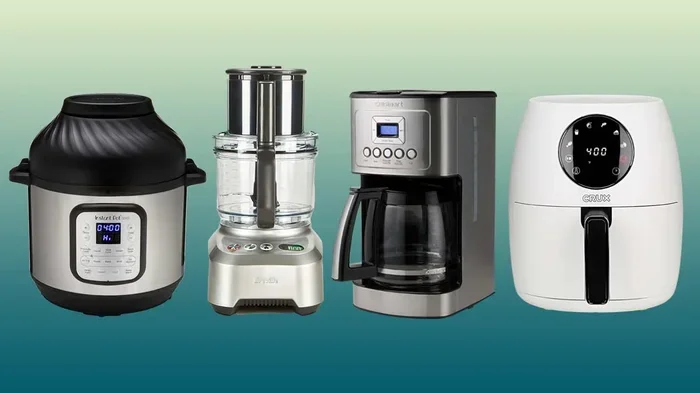
Yes, kitchen appliances can be tax deductible for small businesses when used primarily for business purposes. Whether you run a catering company, food truck, or home-based bakery, the IRS allows deductions on eligible appliance purchases. Understanding the rules around business use percentage and depreciation schedules can save you serious money. This guide breaks down everything you need to know about claiming kitchen appliances tax deductible status on your taxes.
Running a small business comes with many expenses. Some of those expenses can actually save you money when tax time rolls around. One question small business owners ask all the time is whether kitchen appliances tax deductible status applies to their situation. The short answer is yes, but the details matter a lot. If you buy a commercial oven for your bakery or a new refrigerator for your food truck, the IRS may let you write it off. But the rules are specific, and getting them wrong can cost you. This article will walk you through everything you need to know about claiming kitchen appliances tax deductible deductions for your small business.
Understanding small business tax deductions can feel overwhelming. There are forms, schedules, percentages, and rules that seem designed to confuse you. But once you grasp the basics, it becomes much simpler. Kitchen appliances fall into a category called business assets. When you treat them correctly, they become valuable tax write-offs that lower your taxable income. Let us explore how this works and what you need to do to take advantage of these deductions.
Key Takeaways
- Business Use Rule: You can deduct kitchen appliances if used more than 50% for business purposes.
- Section 179 Deduction: This allows you to deduct the full cost of eligible appliances in one tax year.
- Home Office Connection: Kitchen appliances in a dedicated home office or commercial kitchen may qualify for additional deductions.
- Depreciation Matters: Large appliances must be depreciated over their useful life if not fully deducted upfront.
- Keep Receipts: Proper documentation is essential to support your tax write-off claims.
- Partial Deductions Are Valid: Even mixed-use appliances can qualify for a partial deduction based on business use percentage.
- Consult a Professional: A tax advisor can help you maximize your tax savings and avoid costly mistakes.
📑 Table of Contents
- What Kitchen Appliances Qualify as Tax Deductible
- How to Claim Kitchen Appliances on Your Taxes
- Section 179 Deduction and Kitchen Appliances
- Home Office and Kitchen Appliance Deductions
- Common Mistakes to Avoid When Claiming Kitchen Appliance Deductions
- Expert Tips for Maximizing Your Kitchen Appliance Tax Deduction
- Conclusion
What Kitchen Appliances Qualify as Tax Deductible
Not every kitchen appliance in your business qualifies for a deduction. The IRS has clear guidelines about what counts as a legitimate business expense. The key principle is that the appliance must be ordinary and necessary for your business operations. An oven in a commercial kitchen? That qualifies. A blender you use for your catering business? Absolutely. But a personal kitchen toaster probably does not.
The Ordinary and Necessary Expense Rule
The IRS definition of an ordinary expense is one that is common and accepted in your industry. A necessary expense is one that is helpful and appropriate for your business. When you combine these two concepts, you get the test for whether your appliance purchase qualifies. For example, a restaurant owner buying a new commercial dishwasher is clearly within the eligible expenses category. A freelance writer buying a mini fridge for their home office might also qualify, but only for the business portion.
Types of Kitchen Appliances That Typically Qualify
Many types of kitchen appliances can qualify for a business tax deduction. Here are common examples:
- Commercial Ovens and Ranges: Essential for restaurants, bakeries, and catering businesses.
- Commercial Refrigerators and Freezers: Required for food storage in any food-related business.
- Commercial Dishwashers: Necessary for maintaining health standards in food service.
- Food Processors and Blenders: Used in catering, meal prep, and food production businesses.
- Commercial Microwaves: Common in restaurants, break rooms, and food trucks.
- Commercial Coffee Makers: Relevant for cafés, coffee shops, and food service businesses.
- Ventilation Hoods and Exhaust Systems: Required for commercial kitchens to meet safety codes.
- Commercial Toasters and Grills: Standard equipment in diners, delis, and breakfast shops.
The business use percentage determines how much you can deduct. If an appliance is used 100% for business, you can deduct the full cost. If it is used 60% for business and 40% personally, you can only deduct 60% of the cost. This business use percentage is critical for accurate reporting.
How to Claim Kitchen Appliances on Your Taxes
Claiming your kitchen appliances tax deductible deduction involves several steps. You need to know where to report the deduction, which method to use, and what documentation to keep. The process is straightforward once you understand the framework.
Reporting on Schedule C
Most small businesses report expenses on Schedule C, which is the form for profit or loss from a sole proprietorship. On this form, you report your small business expenses including equipment and supplies. Kitchen appliances used in your business go under the “Equipment” or “Other Expenses” section. You will need to list the purchase price, the date of purchase, and the business use percentage.
Choosing Between Immediate Deduction and Depreciation
You have two main options for deducting kitchen appliances:
- Immediate Deduction: Deduct the full cost in the tax year you purchased the appliance. This works well for smaller items under a certain threshold.
- Depreciation: Spread the deduction over several years. Large appliances like commercial refrigerators are typically depreciated over 5 to 7 years.
The depreciation schedule depends on the type of appliance and its expected useful life. The IRS provides guidelines for how long different types of business assets last. Following these guidelines ensures you stay compliant and avoid audits.
Documentation You Must Keep
Proper documentation is non-negotiable when claiming deductible business property. The IRS can audit your return at any time, and you need proof. Here is what to keep:
- Receipts: Original purchase receipts showing the date and amount paid.
- Invoices: Detailed invoices that describe the appliance and its business purpose.
- Proof of Business Use: Photos, logs, or records showing the appliance was used for business.
- Warranty and Serial Number Records: These help prove ownership and value.
- Bank Statements or Credit Card Statements: Supporting evidence of payment.
Keeping digital copies of all documents is a smart move. Cloud storage makes it easy to organize and retrieve records when needed. A well-organized filing system saves time and reduces stress during tax season.
Section 179 Deduction and Kitchen Appliances
The Section 179 deduction is one of the most powerful tools for small business owners. This provision allows you to deduct the full cost of eligible business assets in the year you purchase them. Instead of spreading the deduction over several years through depreciation, you can take a large tax write-off immediately.
How Section 179 Works for Kitchen Equipment
Under Section 179, kitchen appliances used in your business can qualify for full deduction in the purchase year. This is especially valuable for business owners who invest in expensive commercial equipment. A restaurant owner purchasing a $5,000 commercial oven could potentially deduct the entire amount in one tax year, reducing their taxable income significantly.
However, there are limits. The Section 179 deduction has an annual cap. For the 2024 tax year, the maximum deduction is $1,220,000. You also need to have enough business income to support the deduction. You cannot use Section 179 to create or increase a business loss.
Qualifying for Section 179
To qualify, the appliance must be:
- Used more than 50% for business purposes.
- Purchased for use in your active trade or business.
- Tangible personal property (not real estate).
- New or used, as long as it was purchased for business use.
Kitchen appliances clearly meet these criteria for most small businesses. Whether you run a food truck, a catering company, or a home-based meal prep service, your commercial kitchen equipment likely qualifies. The tax savings from Section 179 can be substantial, especially in years when you make large equipment purchases.
Home Office and Kitchen Appliance Deductions
If you work from home and use your kitchen for business, the rules change slightly. The home office deduction allows you to deduct a portion of your home expenses, including kitchen appliances. But the IRS is strict about what qualifies as a home office.
The Exclusive Use Requirement
To claim the home office deduction, you must use a specific area of your home exclusively for business. If your kitchen doubles as a family cooking space and a business prep area, things get complicated. The IRS generally does not allow a full deduction for shared spaces. However, you may still qualify for a partial deduction based on your business use percentage.
Calculating the Business Use Percentage
There are two methods for calculating your business use percentage:
- The Simplified Method: You deduct $5 per square foot of your home office, up to 300 feet. This gives a maximum deduction of $1,500. It is easy but may not capture all your expenses.
- The Actual Expense Method: You calculate the exact percentage of your home used for business and apply that percentage to all relevant expenses, including kitchen appliances.
For example, if your kitchen is 200 square feet and your home is 2,000 square feet, your business use percentage is 10%. If you buy a $2,000 commercial blender for your home-based catering business, you can deduct $200 on your taxes. While this is a smaller amount, it still counts as a valid tax write-off.
When the Home Office Deduction Makes Sense
The home office deduction works best for business owners who genuinely use a dedicated space for their work. If you run a food blog, a catering business from home, or a meal prep service, your kitchen expenses may be more deductible than you think. The key is demonstrating that the appliance serves a legitimate business purpose. Keep records that show how often you use the appliance for business activities.
Common Mistakes to Avoid When Claiming Kitchen Appliance Deductions
Even well-intentioned business owners make mistakes when claiming kitchen appliances tax deductible deductions. Avoiding these common errors can save you headaches and potentially costly penalties.
Failing to Track Business Use Percentage
The biggest mistake is not tracking how much you use an appliance for business versus personal use. The IRS requires accurate records of business use. If you cannot prove your business use percentage, you may lose the deduction entirely or face an audit. Keep a simple log or spreadsheet that tracks usage for each appliance.
Deducting Personal Appliances
Do not try to deduct appliances you use primarily for personal reasons. A fancy espresso machine in your home kitchen that you use every morning for personal enjoyment is not a business expense. The IRS ordinary and necessary expense rule applies here. If the appliance is not clearly connected to your business, leave it off your deduction list.
Ignoring Depreciation Rules
Some business owners try to deduct the full cost of large appliances in one year without following the proper rules. If the appliance does not qualify for Section 179 or the de minimis safe harbor election, you must depreciate it. Ignoring depreciation rules can trigger an IRS audit and result in additional taxes and penalties.
Not Keeping Proper Records
Without receipts and documentation, your deduction is just an claim on paper. The IRS requires proof of purchase, proof of business use, and proof of payment. Digital records are fine, but they must be organized and accessible. Set up a system at the beginning of each year to track your small business expenses.
Misclassifying the Deduction
Placing your appliance deduction in the wrong category can cause problems. Some business owners put kitchen equipment under “supplies” when it should be “equipment.” This may seem like a small error, but it can affect your financial statements and trigger questions from the IRS. Make sure you understand the correct category for each appliance purchase.
Expert Tips for Maximizing Your Kitchen Appliance Tax Deduction
Getting the most out of your kitchen appliances tax deductible deductions takes planning and strategy. Here are expert tips to help you maximize your tax savings.
Time Your Purchases Strategically
Consider the timing of your appliance purchases. If you know you will have a high-income tax year, buying equipment then can reduce your taxable income significantly. Conversely, if you expect a low-income year, you might benefit more from depreciating the asset over multiple years. Planning your purchases around your tax strategy can make a real difference.
Consider the De Minimis Safe Harbor Election
The de minimis safe harbor allows small businesses to deduct the cost of tangible property up to a certain threshold in the year of purchase. For the 2024 tax year, the limit is $2,500 per invoice or per item. This means you can immediately deduct smaller kitchen appliances without going through depreciation. Check with your tax advisor to see if this election makes sense for your business.
Bundle Purchases When Possible
If you need multiple appliances, consider purchasing them together. Bundling purchases can help you stay under the de minimis threshold and take advantage of Section 179 limits. For example, buying a commercial oven, range, and dishwasher together in a single transaction gives you more deduction flexibility.
Work with a Qualified Tax Professional
A good tax advisor or CPA can help you navigate the complexities of business tax deductions. They understand the current IRS rules and can identify deductions you might miss. The cost of professional tax help often pays for itself many times over in tax savings. Do not leave money on the table when a professional can help you claim what you deserve.
Separate Business and Personal Expenses
Keeping your business and personal finances separate is one of the best things you can do for your tax deduction strategy. Use a dedicated business credit card for appliance purchases. This creates a clear paper trail and makes it easier to calculate your business use percentage. It also simplifies your bookkeeping and reduces the risk of errors on your tax return.
Review Your Deductions Annually
Tax laws change every year. What qualified as a deduction last year might have different rules this year. Review your small business expenses annually with your tax professional. Stay informed about changes to IRS deduction limits, depreciation schedules, and Section 179 rules. Staying proactive keeps you compliant and maximizes your savings.
Conclusion
Kitchen appliances tax deductible status is a real benefit for small business owners who understand the rules. Whether you run a restaurant, a catering company, a food truck, or a home-based business, your commercial kitchen equipment can reduce your tax bill. The key is understanding the business use percentage, keeping proper documentation, and choosing the right deduction method. Section 179 offers a powerful way to take immediate deductions, while the home office deduction can help those who work from home. Avoid common mistakes like failing to track usage or deducting personal items. With careful planning and the right guidance, you can turn your appliance purchase into a valuable tax write-off that benefits your business for years to come. Take action today, review your current equipment, and make sure you are claiming every deduction you deserve.
Frequently Asked Questions
Can I deduct a kitchen appliance I bought for my home-based business?
Yes, you can deduct a kitchen appliance for your home-based business if you use it primarily for business purposes. The IRS allows a deduction based on your business use percentage. Keep detailed records showing how the appliance supports your business operations to substantiate your claim.
What is the difference between a deduction and depreciation for kitchen appliances?
A deduction lets you expense the full cost of an appliance in one tax year, while depreciation spreads the deduction over several years. Section 179 and the de minimis safe harbor allow immediate deductions for eligible appliances. Depreciation is typically used for larger items that do not qualify for immediate expensing.
How do I prove my kitchen appliance is used for business?
You can prove business use through receipts, photos, usage logs, and invoices that show the appliance supports your business. A simple spreadsheet tracking when and how you use each appliance for business purposes goes a long way. The IRS values documentation, so the more records you keep, the better.
Is there a limit to how much I can deduct for kitchen appliances?
Yes, limits apply depending on the deduction method. Section 179 has an annual cap of $1,220,000 for the 2024 tax year. The de minimis safe harbor allows up to $2,500 per invoice or per item to be deducted immediately. Your total business deductions cannot exceed your business income.
Can I deduct kitchen appliances if I use the simplified home office method?
The simplified home office method provides a fixed deduction based on square footage. It does not allow you to separately deduct specific appliances. However, if you use the actual expense method for your home office, you can deduct a percentage of appliance costs based on your business use of the kitchen space.
Do I need a CPA to claim kitchen appliance deductions?
You do not legally need a CPA, but working with a tax professional greatly improves your results. A qualified advisor understands the nuances of business tax deductions and can help you avoid costly mistakes. They can identify deductions you might overlook and ensure your return is accurate and compliant.
=== END OF ARTICLE ===

