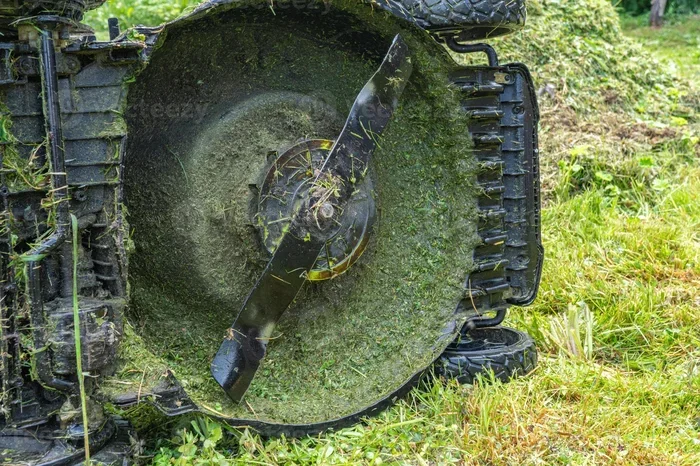
Are lawn mower blades universal? The short answer is no. Not all mower blades fit every machine, and using the wrong blade can damage your lawn and your mower. Blade sizes, mounting patterns, and shapes vary by brand, model, and cutting deck. Knowing your mower’s specs ensures you pick the right blade every time.
You just bought a new lawn mower blade online. You unbox it with excitement. You hold it up next to your mower. Then reality hits. It does not fit. This is the frustrating reality many homeowners face when they assume all mower blades are the same. The truth is, are lawn mower blades universal is one of the most common questions people ask. And the answer is more nuanced than a simple yes or no.
Lawn mower blades come in many shapes, sizes, and designs. Each mower brand and model has specific requirements. A blade that works perfectly on a Honda mower might not fit a Toro machine. Understanding how blade compatibility works saves you time, money, and a lot of frustration. This guide walks you through everything you need to know about lawn mower blade types, sizes, and fit.
Key Takeaways
- Blades are not universal: Different mowers require different blade sizes, shapes, and mounting patterns.
- Check your owner’s manual: It lists the exact blade part number and specifications for your model.
- Three main blade types exist: standard, mulching, and high-lift blades serve different cutting needs.
- Measure before you buy: Blade length, hole pattern, and center hole size matter for proper fit.
- Aftermarket blades work well: Many third-party blades are compatible but always verify fit first.
- Sharpen regularly: A dull blade tears grass and invites disease, regardless of blade type.
- Safety first: Always disconnect the spark plug before removing or installing any blade.
📑 Table of Contents
- What Are Lawn Mower Blades and Why Do They Matter?
- Are Lawn Mower Blades Universal? The Short Answer
- Different Types of Lawn Mower Blades
- How to Find the Right Blade for Your Mower
- Common Mistakes When Buying Mower Blades
- How to Replace and Maintain Your Lawn Mower Blade
- Comparing Popular Mower Blade Brands and Options
- Frequently Asked Questions
- Final Thoughts
What Are Lawn Mower Blades and Why Do They Matter?
Your mower blade is the heart of your cutting system. It spins at high speed beneath the cutting deck and slices through grass cleanly. A good blade makes your lawn look healthy and tidy. A bad blade tears grass, leaves jagged edges, and can even damage your mower’s engine over time.
Blades are not just pieces of metal. They are engineered for specific cutting tasks. The shape, angle, and material of a blade determine how it interacts with grass. That is why mower blade compatibility is so important. Using the wrong blade affects both cutting quality and machine performance.
How Lawn Mower Blades Work
When you engage the blades, they spin at thousands of revolutions per minute. The cutting edge slices through grass blades with precision. The design of the blade controls airflow inside the cutting deck. This airflow lifts the grass upright before cutting. Without proper airflow, your mower leaves clumps and uneven patches.
The blade center hole fits over the mower’s drive shaft. The mounting holes or slots attach the blade to the deck. Every part of the blade design serves a purpose. That is why one blade cannot fit every mower.
Are Lawn Mower Blades Universal? The Short Answer
Here is the direct answer to the question are lawn mower blades universal: they are not. Lawn mower blades vary widely across brands, models, and deck sizes. A universal mower blade does not exist in the true sense. While some blades claim universal fit, they usually work within a limited range of mowers.
Think of it like shoes. A size 10 Nike shoe does not fit every foot. Similarly, a mower blade that fits one machine may not fit another. The differences come down to three main factors:
- Blade length: Deck sizes range from 21 inches to 60 inches or more. Each requires a specific blade length.
- Mounting pattern: The hole layout and shape differ between brands. Some use a single center hole. Others use multiple holes or unique slot configurations.
- Blade shape and curve: Mulching blades look different from standard blades. High-lift blades have a different profile than low-lift blades.
Why Some Blades Claim to Be Universal
You may see blades marketed as “universal fit.” These blades are designed to fit a range of mowers within a common size category. For example, a 21-inch universal blade might fit several brands of walk-behind mowers with similar mounting setups. But it will not fit every mower on the market.
The term “universal” is more of a marketing word than a technical fact. Always check the specific compatibility list before purchasing. Do not assume a universal blade fits your machine without verification.
Different Types of Lawn Mower Blades
Not all mower blades are created equal. Different blade types serve different purposes. Choosing the right lawn mower blade type for your needs makes a big difference in cut quality and mowing experience.
Standard or Standard Lift Blades
Standard blades are the most common type found on residential mowers. They have a slight curve and moderate lift. These blades chop grass cleanly and discharge clippings out the side or rear of the mower. They work well for regular mowing when you bag or mulch clippings occasionally.
Standard blades are a great all-around choice. They are affordable and widely available. Most homeowners start with a standard mower blade and it serves them well for basic lawn care.
Mulching Blades
Mulching blades have a more curved shape with extra cutting surfaces. They chop grass clippings into tiny pieces and redistribute them back onto the lawn. These fine clippings decompose quickly and return nutrients to the soil.
Mulching blades work best when you mow frequently. They keep your lawn looking neat without the hassle of bagging clippings. If you want a lawn mower blade for mulching, look for blades labeled specifically as mulching blades. They have a distinct shape that sets them apart from standard blades.
High-Lift Blades
High-lift blades have a more aggressive upward curve. They create stronger airflow inside the cutting deck. This lifts the grass upright for a cleaner cut. High-lift blades are ideal for side-discharge mowing and work well in taller or thicker grass.
These blades are common on commercial mowers and heavy-duty residential models. They require more engine power to spin effectively. If you have a large lawn with thick grass, a high-lift blade might be the right choice for your mower blade setup.
Low-Lift Blades
Low-lift blades have a minimal curve. They create less airflow but produce less suction. These blades are often used on reel mowers or specific riding mower models. They are gentler on the lawn surface and work well in sandy or loose soil conditions.
Blade Materials and Durability
Mower blades are typically made from hardened steel or carbon steel. Premium blades use thicker steel that stays sharp longer. Budget blades are thinner and may dull faster. The material affects how long your blade lasts and how often you need to sharpen it.
Some blades come with a powder-coated finish that resists rust and corrosion. If you mow in wet conditions or live in a humid climate, a coated blade will last longer. Always check the material quality when comparing OEM lawn mower blade options versus aftermarket alternatives.
How to Find the Right Blade for Your Mower
Finding the correct blade does not have to be difficult. A few simple steps help you identify the right mower blade part number and size for your machine.
Step 1: Check Your Owner’s Manual
The owner’s manual is your best resource. It lists the exact blade specifications for your model. Look for the blade part number, length, and mounting pattern. Most manufacturers print this information clearly in the parts section.
If you do not have the manual, check the manufacturer’s website. Enter your model number and search for the parts diagram. This shows you exactly which blade fits your mower.
Step 2: Measure Your Current Blade
You can measure your existing blade if you cannot find the manual. Use a tape measure and follow these steps:
- Disconnect the spark plug for safety.
- Remove the blade using a wrench and the mower blade lock nut.
- Measure the blade length from tip to tip in inches.
- Measure the center hole diameter.
- Measure the distance between mounting holes.
- Note the blade shape and any unique features.
Write down all measurements before shopping. This ensures you find a replacement that fits correctly.
Step 3: Check the Cutting Deck Size
The cutting deck size determines the blade length range. Common deck sizes include 21 inches, 22 inches, 30 inches, 32 inches, 42 inches, 46 inches, 50 inches, and 54 inches. The blade must match the deck size precisely. A blade that is too long or too short will not seat properly and can cause serious damage.
Step 4: Verify the Mounting Pattern
The mounting pattern includes the center hole shape and the arrangement of the bolt holes or slots. Some mowers use a round center hole. Others use an oval or D-shaped hole. The bolt pattern may be a simple single bolt or a complex multi-hole configuration.
Always match the mounting pattern exactly. An adapter might help in some cases, but direct fit is always better. Some brands use proprietary patterns that only work with their own blades or specific compatible models.
Quick Tips for Finding the Right Blade
- Keep your old blade when you buy a new one. Use it as a reference for size and shape.
- Take a photo of your current blade before removing it.
- Note the brand and model of your mower before shopping online.
- Buy from reputable sellers to avoid counterfeit or low-quality blades.
- When in doubt, contact the manufacturer directly with your model number.
Common Mistakes When Buying Mower Blades
Many people make avoidable mistakes when purchasing replacement blades. These mistakes lead to poor fit, wasted money, and frustration. Here are the most common errors to avoid.
Assuming All 21-Inch Blades Are the Same
This is the biggest mistake homeowners make. Just because two blades are the same length does not mean they are interchangeable. The mounting pattern, center hole size, and blade shape can all differ between brands. A 21-inch Honda blade is not the same as a 21-inch Craftsman blade.
Ignoring the Blade Shape
Blade shape affects cutting performance. Installing a standard blade when your mower needs a mulching blade will give you poor results. The shape determines how clippings move through the deck. Always match the blade type to your mowing style.
Forgetting to Check the Center Hole
The center hole must match the drive shaft exactly. A blade with the wrong center hole will wobble or not attach at all. This causes vibration, poor cuts, and potential safety hazards. Always verify the center hole diameter before ordering.
Buying Based on Price Alone
Cheap blades might save you money upfront but they dull faster and wear out quickly. A quality blade costs more but lasts longer and cuts better. Think of it as an investment in your lawn’s health and your mower’s performance.
Not Sharpening After Installation
Even a new blade needs sharpening. Factory edges are not always razor sharp. Sharpen your blade after every 20 to 25 hours of use. A sharp blade makes clean cuts. A dull blade tears grass and turns your lawn brown at the tips.
How to Replace and Maintain Your Lawn Mower Blade
Replacing a mower blade is a simple task most homeowners can do in under 30 minutes. Regular maintenance keeps your blade in top condition and your lawn looking its best.
How to Replace a Mower Blade
- Turn off the mower and disconnect the spark plug wire.
- Turn the mower on its side with the air filter facing up.
- Use a wrench to loosen the blade center bolt. The bolt turns counterclockwise.
- Remove the old blade carefully. Wear gloves to protect your hands.
- Clean the cutting deck of any grass buildup or debris.
- Place the new blade on the drive shaft.
- Align the blade with the mounting holes or slot.
- Tighten the center bolt securely. Use the mower blade lock nut if your model has one.
- Turn the mower right side up and reconnect the spark plug.
- Start the mower and listen for any unusual sounds.
How to Sharpen a Mower Blade
A sharp blade is essential for a clean cut. You can sharpen your blade with a file, a bench grinder, or a rotary tool. Follow the original angle of the cutting edge. Do not remove too much metal. Balance the blade after sharpening to prevent vibration.
You should sharpen your blade at least once per season. If you mow frequently or hit rocks or roots, sharpen more often. A lawn mower blade sharpening routine keeps your mower running at peak performance.
When to Replace Instead of Sharpen
Sharpening has limits. Over time, the blade wears thin and loses its structural integrity. Replace your blade if you notice any of these signs:
- Deep nicks or gouges that cannot be filed out.
- The blade is bent or warped.
- The blade has been sharpened multiple times and is getting thin.
- The cutting edge is uneven or irregular.
- The blade shows signs of cracking or metal fatigue.
Expert Insights on Blade Maintenance
Professional landscapers know that blade maintenance is the single most impactful thing you can do for your lawn. A sharp, properly balanced blade cuts grass cleanly. Clean cuts heal faster and resist disease. Dull blades rip grass blades apart, leaving them vulnerable to fungi and pests.
Check your blade balance regularly. An unbalanced blade causes uneven wear on the engine bearings. You can balance a blade on a nail or a blade balancer tool. If one side dips, file down the heavier side until the blade balances evenly.
Also, inspect the blade after every few mows. Look for damage from rocks, sticks, or other debris. Catching small problems early prevents bigger issues down the road. This simple habit extends the life of both your blade and your mower.
Comparing Popular Mower Blade Brands and Options
The aftermarket blade market offers many options. Here is a quick comparison of popular brands and what they offer.
| Brand | Type | Material | Best For | Price Range |
|---|---|---|---|---|
| OEM (Brand-Specific) | Standard / Mulching | Hardened Steel | Perfect fit, guaranteed compatibility | $$$ |
| Oregon | Standard / Mulching / High-Lift | Hardened Steel | Durable aftermarket option | $$ |
| Craftsman | Standard / Mulching | Carbon Steel | Budget-friendly, good quality | $$ |
| MaxPower | Universal Fit | Steel | Affordable replacement blades | $ |
| Gator Blades | Mulching | Hardened Steel | Excellent mulching performance | $$$ |
OEM blades from the original manufacturer offer the best mower blade fit. They are designed specifically for your model. Aftermarket brands like Oregon and Craftsman offer excellent quality at lower prices. Budget options work for occasional use but may not last as long.
Frequently Asked Questions
Can I use a universal mower blade on any mower?
Not exactly. While some blades are marketed as universal, they only fit a range of mowers with similar specifications. Always check the compatibility list for your specific mower model before purchasing a universal blade. Measuring your current blade and deck size helps ensure a proper fit.
How often should I replace my lawn mower blade?
Most mower blades need replacement every one to three seasons depending on usage. If you mow frequently or your lawn has many rocks and debris, the blade will wear faster. Inspect your blade regularly and replace it when you see deep nicks, bends, or thinning metal.
What happens if I install the wrong blade on my mower?
Installing the wrong blade can cause poor cutting performance, excessive vibration, and engine strain. In worst cases, an improperly fitted blade can damage the cutting deck or flywheel. Always verify the blade part number and mounting pattern before installation.
Are aftermarket blades as good as OEM blades?
Many aftermarket blades are excellent and offer great value. Brands like Oregon and Gator produce high-quality blades that rival OEM options. The key is to buy from reputable manufacturers and verify compatibility with your specific mower model before purchasing.
Do I need a special tool to remove a mower blade?
You need a wrench that matches your blade’s center bolt size. Most mowers use a standard 15mm or 17mm wrench. A mower blade lock tool can help stabilize the blade while you loosen the bolt. Some homeowners also use a piece of wood wedged against the blade to prevent it from spinning.
Can I sharpen my mower blade with a file?
Yes, you can sharpen a mower blade with a mill file or a bench grinder. Follow the existing angle of the cutting edge and remove only a small amount of metal. Always balance the blade after sharpening to prevent vibration and uneven wear on your mower.
Final Thoughts
The answer to are lawn mower blades universal is a clear no. Lawn mower blades are designed for specific mowers based on size, shape, mounting pattern, and cutting style. Using the right blade for your machine ensures a clean cut, healthy lawn, and long-lasting equipment.
Take the time to identify your mower’s blade specifications. Check your owner’s manual, measure your current blade, and verify the mounting pattern before buying a replacement. Whether you choose an OEM blade or a quality aftermarket option, proper fit is everything.
Maintaining your blade through regular sharpening and timely replacement pays off in a healthier, greener lawn. A little attention to blade care goes a long way. Your mower works hard for you. Give it the right blade and it will reward you with a beautiful, well-kept yard all season long.