
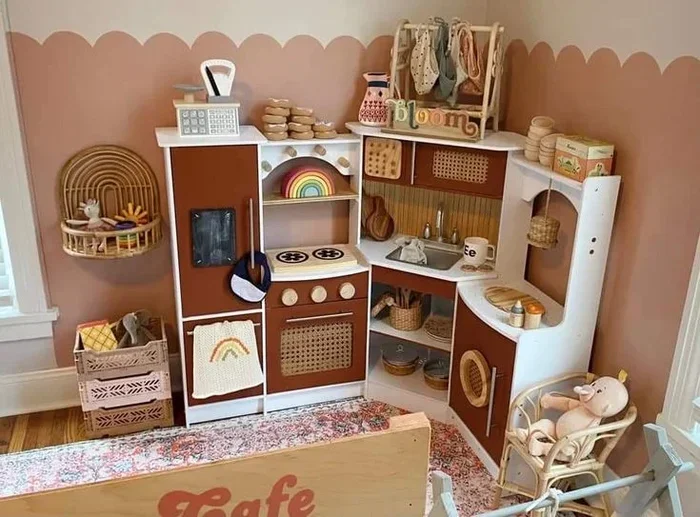
A corner play kitchen turns unused home space into a magical mini cooking station for kids. These compact setups spark imaginative play while teaching essential life skills. Whether you have a tiny apartment or just want to optimize a room corner, there is a perfect kids kitchen play set for you. We share top ideas, setup tips, and accessory picks to help you create the ultimate pretend play kitchen your child will love.
A corner play kitchen can transform the dullest spot in your home into a bustling little restaurant. Kids love to mimic what they see adults doing, and cooking is one of the top activities they want to copy. A dedicated kids kitchen play set gives them a space of their own to explore, create, and imagine. Best of all, these setups work beautifully even in the smallest rooms.
Whether your child dreams of baking cookies or cooking a giant pizza, a play kitchen corner makes it all possible. You do not need a fancy budget or a big renovation. With the right ideas and a bit of planning, you can build a space that keeps your little one entertained for hours. Let us dive into the best corner play kitchen ideas that will inspire your tiny chef.
Key Takeaways
- A corner play kitchen maximizes unused space: It makes the most of corners that often go wasted in any room.
- Small-space designs work just as well: You do not need a big room to build a fantastic kids cooking play area.
- DIY options save money and add personal touches: Build a custom setup with simple materials and a little creativity.
- The right accessories boost engagement: Play food, utensils, and storage make the experience feel real and exciting.
- Pretend play kitchens support child development: They build motor skills, social abilities, and early math and language concepts.
- Safety and accessibility matter most: Choose rounded edges, sturdy materials, and child-friendly heights for the best experience.
📑 Table of Contents
- What Is a Corner Play Kitchen?
- Why a Corner Play Kitchen Is Perfect for Small Spaces
- Best Corner Play Kitchen Ideas for Little Chefs
- How to Set Up a Corner Play Kitchen
- Must-Have Accessories for Your Corner Play Kitchen
- Benefits of a Corner Play Kitchen for Child Development
- Common Mistakes to Avoid When Setting Up a Corner Play Kitchen
- Expert Insights on Corner Play Kitchens
- Key Takeaways
- Conclusion
What Is a Corner Play Kitchen?
A corner play kitchen is a compact cooking play station designed to fit into the corner of a room. Unlike full-sized play kitchens that take up an entire wall, corner models use the often-wasted triangular space where two walls meet. This makes them ideal for apartments, bedrooms, playrooms, and classrooms.
These kitchens come in many styles. Some are wooden play kitchen sets with a rustic charm. Others are plastic models with flashing lights and sound effects. You can also build a DIY corner kitchen from shelves, crates, and a little imagination. The goal is the same, though, to give your child a realistic cooking environment that fits snugly into a corner.
Corner kitchen designs have grown hugely popular among parents. They solve a common problem most families face, where to put a kids kitchen without eating up valuable floor space. A well-designed kitchen play corner becomes the favorite spot in any home.
Why Corners Work So Well
Corners are naturally sheltered spots. They feel cozy and enclosed, which kids find comforting. A small kitchen play area in a corner also creates a sense of ownership. Your child knows, “this is my kitchen.” That sense of pride encourages longer, more focused imaginative play sessions.
Another big advantage is safety. Two walls act as natural boundaries. Toys and supplies stay contained instead of spreading across the whole room. Parents love that a corner play kitchen keeps the play zone neat and organized.
Why a Corner Play Kitchen Is Perfect for Small Spaces
Not every family has a huge playroom. Many homes have limited square footage, and every inch counts. A corner play kitchen solves this problem beautifully. It uses space that most people ignore, turning dead zones into fun, functional areas.
Compared to traditional play kitchens, corner models take up far less floor space. A standard kids kitchen play set can occupy six to eight square feet. A corner version might use only three to four. You still get all the features, just arranged more efficiently.
Space-Saving Benefits
Here is why a corner play kitchen wins for small spaces:
- Fits into unused areas: Corners often sit empty. A play kitchen fills that gap with purpose.
- Keeps walkways clear: Because it hugs the wall, it does not block foot traffic.
- Leaves room for other activities: Your child still has open floor space for building blocks, drawing, or dancing.
- Works in any room: Bedrooms, living rooms, playrooms, and even hallways can accommodate a small kitchen play area.
- Easy to move or store: Many corner designs are lightweight and portable.
Who Benefits Most from a Corner Setup?
Families in apartments or tiny houses benefit the most. But even larger homes gain from a corner play kitchen. It frees up the rest of the room for other activities. Daycare centers and preschools also love corner setups because they maximize classroom space while giving every child a chance to play.
If you have ever thought, “I wish we had room for a play kitchen,” a corner design is your answer. It proves that you do not need a big space to create a big experience.
Best Corner Play Kitchen Ideas for Little Chefs
Now let us get to the fun part. Here are some of the best corner play kitchen ideas that will light up your child’s face. Each idea offers a different style and price point, so you can pick what works best for your family.
1. The Classic Wooden Corner Kitchen
A wooden play kitchen never goes out of style. These kitchens feature warm natural tones, sturdy construction, and a timeless look. Many wooden kids kitchen play sets include a stove top with turning knobs, a small sink, and shelves for pretend food.
Wooden kitchens work beautifully in a corner because their clean lines fit tight spaces. They also blend seamlessly with most home decor. Your corner kitchen design will look intentional and polished, not like a toy cluttering the room.
Pro Tip: Look for kitchens made from sustainably sourced wood. They last longer and are better for the environment. Brands like Hape, KidKraft, and Melissa Doug offer excellent wooden options.
2. The DIY Cardboard Kitchen
Want a budget-friendly option that your child can help design? Build a DIY corner kitchen from cardboard boxes. This is one of the most creative play kitchen ideas out there. Grab a few large boxes, some paint, and your child’s imagination.
Cut out a “stove” with painted dials. Add a cardboard sink with a pretend faucet. Use sticky-back paper to create a mini fridge door. The best part is that your child can decorate it however they want. A DIY kitchen corner also teaches resourcefulness and creativity.
Quick Tip: Reinforce cardboard corners with packing tape. Kids can be rough on their creations, and extra durability goes a long way.
3. The Compact Plastic Kitchen with Sounds
For parents who want interactive features, a compact plastic kids kitchen play set is a great choice. Many models include realistic sizzling sounds, music, and even voice prompts. These kitchen role play sets keep toddlers engaged and entertained.
Plastic kitchens tend to be lighter and easier to clean. They also cost less than wooden alternatives. A small plastic corner play kitchen fits perfectly into tight spaces and can be moved from room to room.
4. The Minimalist Kitchen Nook
Not every family wants a full kitchen setup. Some prefer a minimalist kitchen play corner with just the essentials. Think a small shelf for play food, a tiny table, and a couple of wooden utensils.
This approach works wonderfully in studios or rooms where every square foot matters. You can add a play kitchen corner using just a floating shelf and a small rug. It keeps the space open while still sparking kids cooking play.
5. The Themed Kitchen Setup
Take your corner play kitchen to the next level with a theme. Does your child love pizza? Build a mini pizzeria corner with a cardboard oven and felt toppings. Love ice cream? Create a sweet shop with colorful bowls and scooping tools.
Themed setups boost engagement because they tap into your child’s specific interests. They also make great educational kitchen toys experiences. A pizza kitchen teaches about ingredients and following steps. An ice cream shop introduces counting and money concepts.
How to Set Up a Corner Play Kitchen
Setting up a corner play kitchen is easier than most parents think. With a clear plan, you can have everything ready in a weekend. Here is a step-by-step guide to building the perfect setup.
Step 1: Choose the Right Corner
Walk through your home and identify unused corners. The best spot gets some natural light but is away from heavy foot traffic. A corner near the dining area works well because kids love to “serve” their pretend meals.
Make sure the corner has enough wall space for shelves or a small backsplash. Avoid spots near heaters or sharp furniture edges. Safety always comes first with any kids kitchen play set.
Step 2: Pick Your Kitchen Style
Decide between a store-bought play kitchen set or a DIY build. Store-bought options offer consistency and durability. DIY builds offer customization and savings. Many parents choose a hybrid approach, buying a basic unit and adding personal touches.
Consider your child’s age when choosing. Toddlers need sturdy, simple designs with rounded edges. Older kids enjoy more detailed setups with working knobs and removable parts.
Step 3: Add Storage
Every great kitchen play corner needs storage for toys and accessories. Floating shelves work great above the kitchen area. Baskets or bins underneath keep play food organized.
Label each bin with pictures or words. This teaches toddlers organization while boosting their early literacy skills. A tidy play kitchen corner also makes cleanup part of the play experience.
Step 4: Set Up the Play Area
Place a small rug or mat in front of the kitchen. This defines the space and adds comfort. Add a child-sized chair or stool so your little chef can sit while “cooking.”
Keep frequently used items within reach. Store kitchen role play sets, pots, and pans on low shelves. The more accessible the space, the longer your child will engage with it.
Must-Have Accessories for Your Corner Play Kitchen
The right accessories turn a basic corner play kitchen into an immersive pretend play kitchen experience. Here are the essentials every setup needs.
Play Food Sets
Play food is the heart of any kids cooking play area. Wooden fruit sets, plastic vegetable packs, and felt pizza kits all work great. Look for sets that include a variety of food groups to encourage balanced kids food play.
Rotating the play food keeps things fresh. Swap out the summer fruit set for winter stew ingredients every few weeks. Your child will feel like they have a brand new kitchen play corner each time.
Utensils and Cookware
Small pots, pans, spatulas, and wooden spoons complete the cooking experience. Choose items made from child-safe materials. Metal utensils look realistic but can be heavy. Wooden or plastic alternatives are lighter and safer for toddlers.
A small cutting board with wooden “food” that slices apart adds a fun sensory element. These educational kitchen toys teach knife skills in a safe, pretend setting.
Storage Bins and Labels
As mentioned earlier, storage keeps the play area organized. Clear bins let kids see what is inside. Label bins with pictures of food groups or kitchen tools. This simple addition boosts toddler cooking games by teaching categorization.
Aprons and Chef Hats
No corner play kitchen is complete without the right outfit. A small apron and a colorful chef hat make any play session feel special. These accessories boost role play and help children get into character.
You can find affordable sets online or make your own from old fabric. The costume element adds a layer of excitement that turns ordinary little chef activities into memorable adventures.
Benefits of a Corner Play Kitchen for Child Development
A corner play kitchen does much more than provide entertainment. It supports critical areas of child development in meaningful ways.
Building Fine Motor Skills
When kids stir pretend soup or flip cardboard pancakes, they strengthen hand muscles and hand-eye coordination. These fine motor skills are essential for writing, drawing, and dressing later on. Every stir, pour, and flip in the pretend play kitchen builds real physical ability.
Developing Language and Communication
Kitchen role play naturally sparks conversation. Children describe what they are cooking, call out orders, and chat with stuffed animals or siblings. This builds vocabulary, sentence structure, and social communication skills. A corner play kitchen becomes a language-rich environment without any extra effort.
Learning Early Math and Science
Counting eggs, measuring flour, and sorting food by color all introduce early math concepts. Kids also learn about cause and effect, like “when I turn the knob, the stove makes a sound.” These toddler cooking games plant the seeds for STEM thinking.
Encouraging Social and Emotional Growth
When children cook together in their play kitchen corner, they learn to share, take turns, and cooperate. They also process emotions through role play. A child who feels nervous about a doctor visit might act it out in the kitchen. Imaginative play kitchen time serves as a safe emotional outlet.
Common Mistakes to Avoid When Setting Up a Corner Play Kitchen
Even the best plans can go wrong with a few common missteps. Here are mistakes parents often make and how to avoid them.
Choosing the Wrong Size
One of the biggest mistakes is buying a kitchen that is too large for the space. A bulky kids kitchen play set can make the room feel cramped and unusable. Measure your corner carefully before purchasing. Leave at least 18 inches of clearance on all sides.
Overloading with Features
It is tempting to buy the most feature-rich model available. But too many buttons, lights, and sounds can overwhelm young children. A simple corner play kitchen with a few quality features often works better than a complex one with dozens of functions.
Ignoring Your Child’s Interests
Every child is different. Some love baking, others prefer grilling. Some want a pizza kitchen, others dream of a sushi bar. Ignoring your child’s preferences leads to a kitchen play corner they quickly lose interest in. Ask them what kind of cooking they want to do most.
Skipping Safety Checks
Make sure all edges are rounded and materials are non-toxic. Secure any wall-mounted components firmly. Check that small parts are too large to be a choking hazard for younger children. A safe small kitchen play area keeps the fun going for years.
Forgetting to Rotate Toys
Even the best corner play kitchen can lose its charm if the same toys are out every day. Rotate play kitchen accessories every two to three weeks. Swap in new play food, different pots and pans, or a fresh set of wooden spoons. This keeps the experience exciting without buying new equipment.
Expert Insights on Corner Play Kitchens
Child development experts consistently praise pretend play kitchen setups for their educational value. According to early childhood specialists, role play is one of the most powerful learning tools for kids under five. A corner play kitchen gives children a stage to act out real-world scenarios in a safe, controlled environment.
Experts also highlight the importance of following the child’s lead. If your daughter spends twenty minutes serving tea to stuffed animals, that is not wasted time. It is complex social and emotional learning. The best kids cooking play setups are the ones that adapt to each child’s unique interests and pace.
Pediatric occupational therapists recommend kitchen role play for building bilateral coordination, which is the ability to use both hands together. Stirring with one hand while holding a bowl with the other is excellent practice for this skill. These benefits make a corner play kitchen a genuinely worthwhile investment.
Key Takeaways
- A corner play kitchen maximizes unused space: It makes the most of corners that often go wasted in any room.
- Small-space designs work just as well: You do not need a big room to build a fantastic kids cooking play area.
- DIY options save money and add personal touches: Build a custom setup with simple materials and a little creativity.
- The right accessories boost engagement: Play food, utensils, and storage make the experience feel real and exciting.
- Pretend play kitchens support child development: They build motor skills, social abilities, and early math and language concepts.
- Safety and accessibility matter most: Choose rounded edges, sturdy materials, and child-friendly heights for the best experience.
Conclusion
A corner play kitchen is one of the best investments you can make for your child’s playtime and development. It turns a forgotten corner into a hub of creativity, learning, and endless fun. Whether you choose a wooden play kitchen set, a DIY cardboard build, or a compact plastic model, the results are the same, a happy, engaged little chef in their own mini kitchen.
Start with the ideas that match your space and your child’s personality. Add the right kitchen play corner accessories over time. Rotate toys to keep things fresh. Most importantly, join in the fun sometimes. When you sit down to “eat” a pretend meal with your child, you build memories that last far beyond the play session.
The beauty of a corner play kitchen is its simplicity. It does not need to be perfect. It just needs to be there, ready and waiting, whenever your little chef feels inspired to cook up something wonderful. Start building your corner play kitchen today and watch your child’s imagination soar.
Frequently Asked Questions
What age is a corner play kitchen best for?
Most corner play kitchens work well for children ages 18 months to 6 years. Toddlers enjoy simple features like knobs and pretend sinks. Older kids use the kitchen for more complex role play and storytelling. Always check the manufacturer’s age recommendations before purchasing.
How much does a corner play kitchen cost?
Prices vary widely. DIY cardboard setups cost almost nothing. Basic plastic models range from $50 to $100. Wooden play kitchen sets typically run from $150 to $400. The best corner play kitchen is one that fits your budget and your child’s needs.
Can I build a corner play kitchen in a very small apartment?
Absolutely. Corner kitchens are designed specifically for tight spaces. Even a studio apartment can accommodate a small kitchen play area. A minimalist setup with a shelf, a rug, and a few accessories works perfectly in apartments with limited room.
What are the best materials for a corner play kitchen?
Wood is durable, beautiful, and eco-friendly. Plastic is affordable, lightweight, and easy to clean. Cardboard is budget-friendly and great for DIY projects. Choose materials based on your child’s age, your budget, and how much wear and tear the kitchen will face.
How do I keep my child interested in their corner play kitchen?
Rotate play kitchen accessories every few weeks. Add new play food or cookware periodically. Create themed weeks like “pizza week” or “breakfast week.” Joining in occasionally also keeps the experience fresh and exciting for your little chef.
Is a corner play kitchen worth it for a child’s development?
Yes, absolutely. Kitchen role play supports fine motor skills, language development, early math, social skills, and emotional processing. A corner play kitchen offers all these benefits while taking up minimal space. It is one of the most versatile and valuable toys a child can have.

