
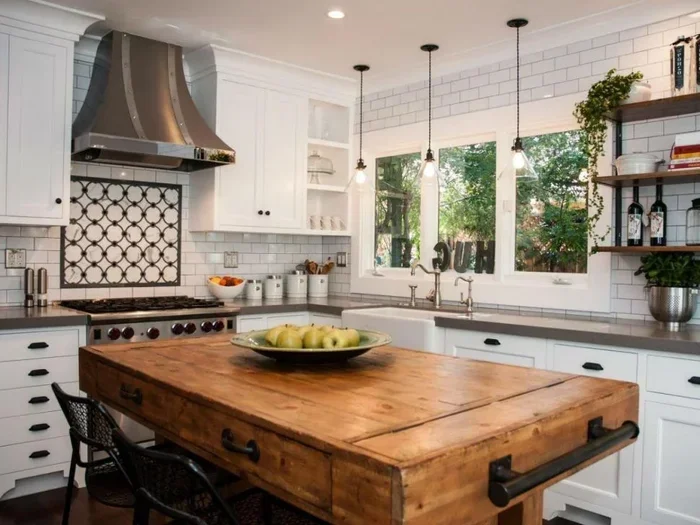
A farmhouse butcher block kitchen combines rustic charm with everyday functionality, making it a top choice for homeowners who love warm, natural aesthetics. This guide covers design ideas, material choices, care tips, and expert advice to help you create the kitchen of your dreams. Whether you are renovating or just looking for inspiration, you will find everything you need right here.
Key Takeaways
- Butcher block adds warmth and character: A farmhouse butcher block kitchen instantly creates a cozy, inviting atmosphere that few other materials can match.
- Material choice matters a lot: Hard maple, walnut, and bamboo each offer different looks, durability levels, and price points for your kitchen workspace.
- End grain vs. edge grain has real benefits: Understanding the difference helps you pick the right butcher block for heavy use or decorative accents.
- Proper care keeps it beautiful: Regular oiling, gentle cleaning, and quick spill cleanup will extend the life of your butcher block for decades.
- Design flexibility is huge: From full kitchen islands to simple cutting stations, butcher block fits into almost any farmhouse kitchen layout.
- Avoid common mistakes: Skip the dishwasher, avoid standing water, and never place hot pans directly on the wood surface.
📑 Table of Contents
- Why a Farmhouse Butcher Block Kitchen Is So Popular Right Now
- Choosing the Right Butcher Block Material for Your Kitchen
- Farmhouse Butcher Block Kitchen Design Ideas
- How to Care for and Maintain Your Butcher Block Kitchen
- Common Mistakes to Avoid with Butcher Block Kitchens
- Expert Tips for a Stunning Farmhouse Kitchen
- The Benefits of a Farmhouse Butcher Block Kitchen
- Bringing It All Together: Your Farmhouse Kitchen Vision
Why a Farmhouse Butcher Block Kitchen Is So Popular Right Now
Farmhouse style has taken the interior design world by storm. And at the heart of that trend sits one material that just keeps showing up: butcher block. There is a reason homeowners and designers alike keep coming back to this timeless surface. It brings warmth, texture, and a sense of history into any room.
A farmhouse butcher block kitchen feels both classic and modern at the same time. It pairs beautifully with open shelving, exposed beams, and stainless steel appliances. Whether your home leans toward rustic charm or clean modern lines, butcher block fits right in. That versatility is exactly why it has become such a go-to choice for kitchen renovations.
Beyond looks, a butcher block kitchen is incredibly functional. It gives you a sturdy surface for chopping, kneading, and serving. Many people love that they can use it as an extra prep area during busy cooking sessions. It is the kind of feature that makes your kitchen feel more like the heart of the home.
The trend shows no signs of slowing down either. Home improvement stores report steady demand for butcher block countertops, islands, and accessories. Social media is packed with farmhouse kitchen photos featuring beautiful wood surfaces. If you are planning a kitchen update, this is a trend worth exploring.
Choosing the Right Butcher Block Material for Your Kitchen
Not all butcher block is created equal. The material you pick affects everything from durability to cost to how your kitchen looks overall. Let us break down the most popular options so you can make a confident choice.
Hard Maple: The Classic Choice
Hard maple is the most common material for butcher block countertop surfaces. It is hard, durable, and has a clean, light grain that works with almost any kitchen style. Maple resists scratches better than many other woods, which makes it ideal for heavy daily use. It also takes food-safe finishes well, so you can feel good about prepping meals on it.
Most farmhouse butcher block kitchen projects use hard maple for good reason. It is widely available, reasonably priced, and easy to work with. If you want a traditional look that lasts for years, maple is a solid pick.
Walnut: Rich and Elegant
Walnut brings a deeper, darker tone to your kitchen. It has a gorgeous wood grain pattern that adds visual interest and a touch of luxury. Walnut butcher block feels right at home in farmhouse kitchens that lean toward a more refined aesthetic.
One thing to keep in mind: walnut is slightly softer than maple. It will show more use over time, but many people love that it develops a beautiful patina. The natural aging process gives walnut a character that no manufactured surface can replicate.
Bamboo: The Budget-Friendly Option
Bamboo is a newer player in the butcher block world. It is eco-friendly, affordable, and surprisingly hard. Bamboo kitchen design ideas often incorporate this material because it offers a unique look at a lower price point. It works well for lighter-use applications like serving boards or wall-mounted prep stations.
End Grain vs. Edge Grain: What Is the Difference?
This is one of the most important decisions you will make. The two main types of butcher block construction offer very different benefits.
End grain butcher block is made by cutting wood blocks and stacking them so the ends face up. This creates a beautiful checkerboard pattern and a surface that is gentle on knives. End grain is self-healing, meaning knife marks tend to disappear over time. It is the premium choice for serious cooks who use their kitchen island daily.
Edge grain butcher block is made by placing wood strips side by side with the long edges facing up. It is more affordable and slightly more durable for heavy chopping. Edge grain is the workhorse option that still looks great and holds up well under pressure.
| Feature | End Grain | Edge Grain |
|---|---|---|
| Price Range | Higher | Moderate |
| Knife-Friendly | Yes, very gentle | Good |
| Durability | Self-healing surface | Very durable |
| Visual Appeal | Striking checkerboard | Clean linear grain |
| Best For | Heavy daily use | Budget-friendly prep |
Farmhouse Butcher Block Kitchen Design Ideas
Now that you know your material options, let us talk about how to actually use butcher block in your kitchen design. The possibilities are wide open, and the best part is that you can mix and match approaches to suit your space and lifestyle.
Full Kitchen Island with Butcher Block Top
The most popular way to incorporate a butcher block kitchen island is to build or buy a freestanding island with a wood top. This creates a stunning focal point in the room. You get extra prep space, storage underneath, and a place for family and guests to gather.
Pair a butcher block island with a stone or metal base for a modern farmhouse look. The contrast between the natural wood and cool metal or concrete makes both materials stand out. Add bar stools underneath, and you have an instant gathering spot for morning coffee or evening snacks.
Butcher Block as a Backsplash Alternative
Here is a creative idea that not many people think about: use butcher block as a backsplash. Instead of traditional tile or stone, install wood panels behind your stove or sink area. This creates a cohesive, warm look that ties the whole kitchen together.
A butcher block backsplash works especially well in farmhouse kitchens. It adds texture and depth without overwhelming the space. Just make sure you seal it properly, especially in areas near the stove where splatter is common.
Wall-Mounted Butcher Block Prep Station
If you do not have room for a full island, consider a wall-mounted butcher block prep station. These are slim wood shelves that drop down when you need them and fold up when you do not. They are perfect for small kitchens where every square foot counts.
You can find wall-mounted butcher block stations with built-in knife holders, spice racks, and even herb gardens. They keep your most-used tools right at hand while maintaining a clean, uncluttered look when not in use.
Butcher Block Breakfast Bar
A breakfast bar with a butcher block top is a farmhouse kitchen staple. It provides a casual dining area where the family can gather for meals, homework, or just a quick snack. Place it along a window wall to add natural light and a view while you eat.
Use thick butcher block planks for the countertop to give it a substantial, sturdy feel. A rustic kitchen breakfast bar pairs perfectly with pendant lights and bar stools in warm metal finishes like brushed brass or black iron.
Floating Butcher Block Shelving
For a subtle touch of kitchen design ideas with wood, try floating butcher block shelves. These open shelves display your favorite cookbooks, ceramic dishes, and kitchen tools. They add storage and decoration without taking up precious floor space.
Floating shelves made from the same butcher block material as your countertop create a unified design language throughout the kitchen. It is a small detail that makes a big visual impact.
How to Care for and Maintain Your Butcher Block Kitchen
A farmhouse butcher block kitchen looks its best when you give it proper care. The good news is that maintenance is not complicated. A little regular attention goes a long way toward keeping your wood surfaces beautiful and functional for decades.
Daily Cleaning Tips
Wipe down your butcher block with a damp cloth after each use. Never soak the wood or put it in the dishwasher. Standing water is the enemy of wood surfaces and can cause warping, swelling, and cracking over time.
For deeper cleaning, use a mild dish soap mixed with warm water. Wipe the surface, then dry it immediately with a clean towel. Avoid harsh chemical cleaners that can strip the wood finish and leave it looking dull.
Oiling and Conditioning
Regular oiling is essential for maintaining a healthy butcher block. Food-grade mineral oil is the standard choice. Apply it generously, let it soak in for a few hours, then wipe off the excess.
You should oil your butcher block every few weeks at first, then switch to a monthly routine once the wood is well-seasoned. This keeps the wood hydrated, prevents drying and cracking, and maintains that rich, natural look that makes a butcher block kitchen so appealing.
Dealing with Stains and Scratches
Over time, your butcher block will show signs of use. Light scratches can be sanded out with fine-grit sandpaper and then re-oiled. Deep stains from berries, turmeric, or coffee can often be lifted with a paste of baking soda and water.
For stubborn stains, sand the affected area lightly and re-oil. Remember that some character marks are a feature, not a flaw. A well-used butcher block tells a story and adds to the farmhouse charm of your kitchen.
Common Mistakes to Avoid with Butcher Block Kitchens
Even with the best intentions, homeowners sometimes make mistakes that shorten the life of their butcher block. Here are the most common pitfalls and how to avoid them.
- Putting hot pans directly on the wood: Always use a trivet or hot pad. Direct heat can scorch and crack the wood surface. A simple silicone trivet solves this problem completely.
- Leaving wet items on the surface: Wet sponges, damp towels, and standing water will warp and stain the wood. Dry your butcher block thoroughly after cleaning and never leave wet items sitting on it.
- Using the wrong cutting tools: While butcher block is a cutting surface, avoid using serrated knives or meat cleavers that can gouge deep grooves. Stick to sharp chef knives for cleaner cuts and less damage.
- Skipping the sealant: An unsealed butcher block absorbs spills and bacteria more easily. Apply a food-safe sealant after oiling to protect the surface from moisture and stains.
- Ignoring seasonal changes: Wood expands and contracts with humidity changes. In dry winter months, you may need to oil more frequently. In humid summers, make sure the wood dries thoroughly after cleaning.
- Using harsh cleaners: Bleach, ammonia, and abrasive cleaners can damage the wood finish and strip away natural oils. Stick to gentle, food-safe cleaning products for the best results.
Expert Tips for a Stunning Farmhouse Kitchen
Want to take your farmhouse butcher block kitchen to the next level? Here are some expert-backed tips that make a real difference in the final result.
Mix materials intentionally. The best farmhouse kitchens combine wood with other natural materials like stone, metal, and concrete. A butcher block island paired with a concrete base and brass hardware creates a layered, curated look that feels intentional and sophisticated.
Think about your workflow. Place your butcher block in a spot where you actually use it most. For many cooks, that means right next to the stove or sink. A kitchen workspace that follows your natural cooking rhythm makes meal prep faster and more enjoyable.
Add lighting above your butcher block. Pendant lights or under-cabinet lighting draw attention to the beautiful wood grain and make the surface the star of the room. Warm-toned bulbs complement the natural wood tones perfectly.
Consider a live edge for rustic charm. Live edge wood, where the natural bark edge is preserved, adds an organic, earthy feel to a farmhouse kitchen. It is a bold choice that makes a real statement and connects your indoor space to nature.
Use reclaimed wood for sustainability. Reclaimed butcher block table tops and panels give new life to old wood while adding character that cannot be manufactured. Each piece has its own history and unique markings that make your kitchen truly one of a kind.
Pair with warm lighting and earth tones. The right lighting and color palette enhance the farmhouse aesthetic. Warm white bulbs, amber glass pendants, and a palette of cream, beige, and soft gray walls all complement the natural beauty of a wood cutting board surface and butcher block countertops.
The Benefits of a Farmhouse Butcher Block Kitchen
Still not sure if a butcher block kitchen is right for you? Let us look at the real benefits that go beyond just looks.
Durability is a huge plus. A well-maintained butcher block surface can last for decades. Unlike laminate or tile, wood can be sanded down, re-oiled, and refreshed over and over again. It is an investment that pays off over time.
Knife-friendly surfaces are another major advantage. Butcher block is gentle on knife edges, which means your blades stay sharper longer compared to hard surfaces like granite or concrete. For serious home cooks, this alone is a compelling reason to choose wood.
Natural warmth and texture transform a kitchen from cold and sterile to inviting and lived-in. A farmhouse kitchen with butcher block elements feels like a place where you actually want to spend time cooking and gathering with family.
Easy to repair and refresh. When your butcher block shows wear, you can sand it, re-oil it, and it looks almost brand new. Most other countertop materials require full replacement when they get damaged. With wood, you have the power to renew the surface yourself.
Eco-friendly options abound. Many butcher block products are made from sustainably harvested wood or reclaimed materials. If reducing your environmental footprint matters to you, a natural wood kitchen surface aligns with those values.
Bringing It All Together: Your Farmhouse Kitchen Vision
A farmhouse butcher block kitchen is more than just a trend. It is a design philosophy that values warmth, functionality, and natural beauty. From the moment you start planning your renovation to the day you slide your cutting board onto the counter for meal prep, every detail contributes to a space that feels genuinely welcoming.
Start by choosing the right material for your needs and budget. Then decide how you want to incorporate butcher block into your kitchen layout. Whether you go all-in with a full island or add a few strategic pieces like a prep station or floating shelves, every addition brings you closer to the farmhouse kitchen you have been dreaming about.
Remember that maintenance is part of the experience. The care you put into your butcher block is what transforms it from a new surface into a well-loved kitchen centerpiece that only gets better with age. Take it one step at a time, enjoy the process, and let the natural beauty of the wood guide your decisions.
Your farmhouse butcher block kitchen is not just a design choice. It is a statement about how you want to live and cook. It says you value craftsmanship, natural materials, and a space that brings people together. That is a kitchen worth creating.
Frequently Asked Questions
What is the best wood for a farmhouse butcher block kitchen?
Hard maple is the most popular choice because it is durable, affordable, and has a clean grain that fits any farmhouse style. Walnut is a great option if you prefer a darker, richer look. Bamboo works well for budget-friendly projects and lighter-use applications.
How often should I oil my butcher block countertop?
Oil your butcher block every two to four weeks for the first few months to build up a strong foundation. After that, once a month is usually enough. If your kitchen gets a lot of use or the wood looks dry, add an extra oiling session. Always use food-grade mineral oil for safety.
Can I cut directly on a butcher block surface?
Yes, butcher block is designed to be a cutting surface. It is gentle on knife edges and handles daily chopping well. Use a sharp chef knife for the best results and to minimize deep cuts in the wood. Avoid serrated knives and meat cleavers that can cause gouging.
How do I remove stains from my butcher block kitchen?
For most stains, make a paste of baking soda and water, apply it to the spot, and let it sit for a few minutes before scrubbing gently. For stubborn stains, sand the area lightly with fine-grit sandpaper and re-oil the surface. The wood will look fresh again in no time.
Is a butcher block kitchen suitable for a busy family?
Absolutely. Butcher block is tough, durable, and handles heavy daily use well. It makes an excellent extra prep area for busy cooking sessions. Just be sure to clean up spills quickly and oil the surface regularly to keep it in great shape for years of family use.
Can I install a butcher block countertop myself?
Yes, many homeowners install butcher block countertops as a DIY project. Edge grain butcher block is easier to work with for beginners. End grain requires more precision during installation. Make sure your cabinets and supports are level and sturdy before placing the butcher block on top.
=== CONCLUSION ===
A farmhouse butcher block kitchen brings together the best of both worlds: timeless style and everyday practicality. From choosing the right material to caring for your surfaces properly, every step you take adds value to your home and your cooking experience. Whether you are building a full kitchen island or adding a simple prep station, butcher block creates a space that feels warm, inviting, and truly yours. Start planning your farmhouse kitchen today and enjoy the process of building a space where family memories are made every single day.

