
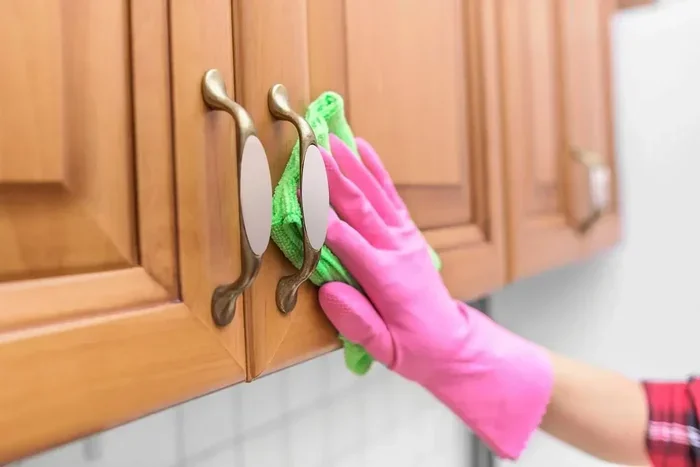
Heavy duty degreaser for kitchen cabinets is the ultimate solution for tackling stubborn grease and grime. This guide shows you how to clean kitchen cabinets with heavy duty degreaser safely and effectively, restoring them to a like-new shine. You’ll learn the best products, step-by-step techniques, and tips to prevent future buildup.
Key Takeaways
- Use a heavy duty degreaser for kitchen cabinets to dissolve stubborn grease safely.
- Always test the degreaser on a hidden spot first.
- Regular maintenance prevents buildup and saves time.
- Avoid harsh abrasives that can damage cabinet finishes.
- Rinse thoroughly after degreasing to remove residue.
- Commercial heavy duty cleaners outperform DIY for tough grime.
📑 Table of Contents
- Why Kitchen Cabinets Get So Greasy
- Choosing the Best Heavy Duty Degreaser for Kitchen Cabinets
- Step-by-Step: How to Clean Kitchen Cabinets with Heavy Duty Degreaser
- DIY Degreaser Recipes vs. Commercial Heavy Duty Cleaners
- Preventing Grease Buildup on Kitchen Cabinets
- Safety Tips and Common Mistakes to Avoid
- Conclusion
Why Kitchen Cabinets Get So Greasy
Kitchen cabinets take a beating every day. Cooking releases grease into the air. That grease settles on every surface, especially your cabinets. Over time, a sticky film builds up. It makes your kitchen look dirty even after a deep clean.
The problem is worse near the stove and oven. Hot oil splatters travel upward. They land on upper cabinets and sides. Even cabinets far from the stove collect dust and grime. Grease attracts dirt. It creates a dull, grimy layer that regular soap can’t remove.
The Science Behind Kitchen Grease
Grease is made of fats and oils from food. When it cools, it solidifies on surfaces. It bonds to the finish of your cabinets. Water alone cannot break that bond. You need a powerful solvent. That’s where a heavy duty degreaser for kitchen cabinets comes in. It breaks down the molecular structure of grease. It lifts it away from the wood or laminate.
Hot Spots Where Grease Builds Up
Not all cabinets get greasy equally. Here are the most common problem areas:
- Upper cabinets above the stove – Direct exposure to cooking fumes.
- Cabinet doors near the range hood – Grease gets pulled upward.
- Corner cabinets – Often neglected, they trap grime over time.
- Cabinet hardware and handles – Grease accumulates on knobs and pulls.
- Drawer fronts – They collect splatters from stovetop cooking.
Choosing the Best Heavy Duty Degreaser for Kitchen Cabinets
Not all degreasers are the same. Some are too harsh for kitchen finishes. Others simply don’t cut through heavy grease. You need a product that is strong enough to clean, but safe for your cabinets.
What to Look for in a Cabinet Degreaser
When you shop for a cabinet degreaser, check these features:
- Grease-cutting power – It should dissolve baked-on oil easily.
- Safe for wood and laminate – Avoid products with bleach or ammonia if your cabinets are finished.
- Spray or wipe format – A spray degreaser lets you apply evenly.
- Quick dwell time – The best products work in 30 seconds to 2 minutes.
- Fume level – Choose a low-odor option for indoor use.
Top Ingredients That Cut Through Grease
Look for these active ingredients on the label. They are the secret to effective grease removal:
- D-limonene – A natural citrus solvent that dissolves grease safely.
- Sodium hydroxide – A strong alkali that breaks down tough oil. Use with care.
- Surfactants – They lift grease off surfaces so it rinses away.
- Glycol ethers – Powerful solvents that penetrate baked-on grime.
Expert Insights
Professional cleaners often choose a heavy duty kitchen cleaner with a neutral pH. It cleans deeply without stripping the cabinet finish. Always read the label for “safe on finished wood.” That ensures your cabinets stay protected.
Step-by-Step: How to Clean Kitchen Cabinets with Heavy Duty Degreaser
Cleaning your cabinets with a heavy duty degreaser for kitchen cabinets is simple. You just need the right method. Follow these steps for the best results.
Preparing Your Cabinets and Workspace
Before you spray anything, prepare the area. Remove items from the counter near the cabinets. Lay down a drop cloth or old towel on the floor. Open a window for ventilation. You want fresh air while you work. Gather your supplies:
- Heavy duty degreaser spray
- Soft microfiber cloths or sponges
- A soft-bristle brush for stubborn spots
- Clean warm water
- Bucket
- Dry towel for finishing
Quick Tip: Always test the degreaser on a small hidden area first. Wait 5 minutes. Check for any discoloration or damage. This protects your cabinets from surprises.
Applying the Degreaser Properly
Shake the degreaser bottle well. Spray a light, even coat on the greasy cabinet surface. Do not soak the wood. Let the product sit for the time listed on the label. Usually, 1 to 3 minutes is enough. The degreaser will start to break down the grease. You’ll see it loosen and change color.
For upper cabinets, use a spray bottle with a straw attachment. This gives you precision. It prevents overspray on your countertops or floor.
Scrubbing, Rinsing, and Drying
After the dwell time, take a soft cloth or sponge. Wipe the cabinet in a gentle circular motion. The grease will lift right off. For tough spots, use a soft-bristle brush. Work in small sections. Never scrub aggressively. That can scratch the finish.
Next, rinse the cloth in clean warm water. Wipe away all the degreaser and dissolved grease. Repeat rinsing until no residue remains. Finally, dry the cabinet with a clean, dry towel. This prevents water spots and streaks.
Common Mistakes to Avoid
- Using too much degreaser – A little goes a long way. Excess product leaves a sticky residue.
- Skipping the rinse – Residue can attract more dust and grease later.
- Using abrasive pads – Steel wool or rough scrubbers can damage the cabinet finish.
- Ignoring the hardware – Remove handles and clean them separately in a bowl of degreaser solution.
DIY Degreaser Recipes vs. Commercial Heavy Duty Cleaners
Some people prefer homemade solutions. Others trust commercial products. Both have their place. Let’s compare them so you can decide what works best for your kitchen grease removal needs.
| Factor | DIY Solutions | Commercial Heavy Duty Degreaser |
|---|---|---|
| Grease-cutting power | Mild to moderate | Very strong, designed for tough grime |
| Safety for finishes | Usually gentle, but varies | Formulated to be safe on wood and laminate |
| Time required | Longer dwell time, more scrubbing | Works in minutes, less effort |
| Cost | Very low cost | Moderate cost, but more effective |
| Convenience | Requires mixing and measuring | Ready to use, spray and wipe |
| Best for | Light grease and regular maintenance | Heavy buildup, baked-on grease, deep cleaning |
When Homemade Solutions Work – A mix of warm water and dish soap can handle light grease. Baking soda paste helps with moderate grime. However, for a deep clean of greasy kitchen cabinets, commercial products are far superior. They contain industrial-strength solvents that DIY recipes cannot match.
Why Commercial Heavy Duty Degreaser Wins – A professional-grade heavy duty degreaser for kitchen cabinets saves you time and elbow grease. It cuts through years of buildup in one application. You get a deeper clean with less effort. That’s why many homeowners and cleaners choose it for the job.
Preventing Grease Buildup on Kitchen Cabinets
Once your cabinets are clean, you want to keep them that way. Prevention is the best strategy. A few simple habits can reduce grease accumulation dramatically.
Daily Habits That Reduce Grease
- Turn on your range hood while cooking. It pulls grease-laden steam away from your cabinets.
- Wipe splatters immediately – Use a damp cloth right after cooking. Fresh grease wipes away easily.
- Cover pots when frying – This traps oil droplets and prevents them from reaching cabinets.
- Keep a small spray bottle of mild degreaser near the stove. A quick spray after cooking makes a big difference.
A Weekly Maintenance Routine
Set aside 15 minutes each week for a quick kitchen cabinet maintenance routine. Here’s a simple schedule:
- Monday – Wipe all cabinet doors with a damp microfiber cloth.
- Wednesday – Spray a light cabinet degreaser on the stovetop-side cabinets. Wipe dry.
- Friday – Clean cabinet hardware with a mild soapy cloth.
- Sunday – Inspect for any new grease spots. Address them immediately.
This routine keeps grease from hardening. It makes your monthly deep clean much easier. Your cabinets will stay looking fresh for years.
Safety Tips and Common Mistakes to Avoid
Working with a heavy duty cleaner requires some caution. You want to protect yourself and your cabinets. Follow these safety guidelines for a worry-free cleaning experience.
Protecting Yourself and Your Cabinets
- Wear gloves – Even mild degreasers can dry out your skin.
- Ensure ventilation – Open windows or turn on a fan. Fumes from strong degreasers can be irritating.
- Never mix products – Combining different cleaners can create harmful chemical reactions.
- Work in sections – Clean one cabinet at a time. This prevents the degreaser from drying on the surface before you rinse.
Mistakes That Can Damage Wood or Finish
Avoid these common errors that can ruin your cabinets:
- Using abrasive scrubbers – Steel wool or rough pads scratch the finish. Always use soft cloths or sponges.
- Soaking the wood – Excess water seeps into the wood and causes swelling or warping. Use a damp cloth, not a wet one.
- Skipping the test patch – Some degreasers can discolor certain finishes. Test first, every time.
- Leaving residue – A sticky film attracts more dirt. Always rinse and dry thoroughly.
Key Takeaways
Cleaning your kitchen cabinets with a heavy duty degreaser for kitchen cabinets is the most effective way to restore them. You now know how to choose the right product, apply it safely, and prevent future buildup. The process is simple: spray, dwell, wipe, rinse, and dry. Stick to a regular maintenance routine, and your cabinets will stay sparkling clean. A little effort goes a long way in keeping your kitchen looking its best.
Conclusion
A heavy duty degreaser for kitchen cabinets transforms your cleaning routine. It tackles the toughest grease with ease. You no longer need to scrub for hours or use harsh homemade remedies. The right product, applied correctly, delivers professional results in minutes.
Remember to choose a degreaser that is safe for your cabinet material. Follow the steps we outlined, and you’ll see a noticeable difference. Keep up with your weekly maintenance to prevent heavy buildup. Your kitchen cabinets will look brand new, and the entire kitchen will feel fresher and more inviting. Start today, and enjoy the satisfaction of a truly clean kitchen.
Frequently Asked Questions
Can I use a heavy duty degreaser on painted kitchen cabinets?
Yes, but you must test it first. Spray a small hidden area and wait 5 minutes. Wipe it off and check for any damage to the paint. Most heavy duty degreasers are safe on painted surfaces, but it’s always wise to confirm.
How often should I deep clean my kitchen cabinets with degreaser?
A deep clean every 3 to 6 months is usually enough. However, if you cook frequently or have heavy grease exposure, you may need to clean them more often. Weekly wiping with a mild degreaser helps maintain cleanliness between deep cleans.
Is it safe to use heavy duty degreaser on wood cabinets?
It is safe if you choose a product formulated for wood and finished surfaces. Avoid degreasers with bleach or strong acids. Always check the label for “safe on wood” or “safe on finished cabinets” before applying.
What’s the best way to apply heavy duty degreaser to upper cabinets?
Use a spray bottle with a straw nozzle attachment. This lets you reach high surfaces without overspray. Spray a light mist, let it sit for the recommended time, then wipe with a soft cloth. A step stool helps you access upper cabinets safely.
Will a heavy duty degreaser remove grease stains from cabinet hardware?
Absolutely. Remove the knobs and pulls first. Soak them in a bowl of degreaser solution for 10 minutes. Scrub gently with a soft brush, rinse, and dry. This restores shine to metal hardware quickly and effectively.
Can I use a heavy duty degreaser on laminate cabinets?
Yes, laminate cabinets respond very well to heavy duty degreaser. The product cuts through grease without damaging the laminate surface. Just avoid abrasive scrubbing tools that could scratch the finish. A soft sponge works perfectly.

