
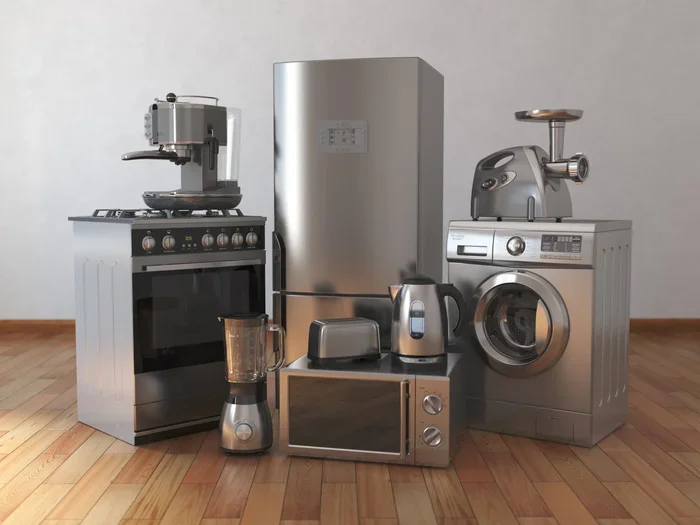
Most kitchen aids last between 5 and 15 years depending on the type, build quality, and how well you care for them. Regular cleaning, proper usage, and timely repairs can significantly extend the life of your favorite kitchen appliances. Understanding what shortens or lengthens their lifespan helps you make smarter buying and maintenance decisions.
You just spent good money on a shiny new kitchen aid. Maybe it is a stand mixer. Maybe it is a powerful blender or a sleek food processor. Whatever it is, you want it to last. The big question is, how long do kitchen aids last? The honest answer is that it depends on several factors. Some appliances serve you faithfully for over a decade. Others start showing signs of wear within just a few years. Understanding what affects their life can help you get the most value from every purchase.
In this guide, we will walk through the average lifespan of common kitchen appliances. We will explore what speeds up wear and tear. We will also share practical tips to keep your gadgets running strong. Whether you are a casual cook or a kitchen enthusiast, this information will help you make smarter decisions. You will know exactly when to invest in repairs and when it is time to replace an old favorite.
Key Takeaways
- Average lifespan varies by appliance: stand mixers can last 10-15 years, while blenders may need replacement after 5-8 years.
- Build quality matters enormously: stainless steel and heavy-duty motors outlast plastic components every time.
- Daily maintenance extends life: regular cleaning, proper storage, and gentle use prevent premature wear.
- Frequency of use is a major factor: appliances used multiple times daily wear out faster than occasional-use items.
- Know when to repair vs. replace: if repair costs exceed 50% of a new appliance price, replacement is usually the better choice.
- Warranty coverage protects your investment: understanding your kitchen aid warranty can save you hundreds in repair bills.
- Environmental conditions play a role: humidity, temperature, and kitchen ventilation all impact appliance longevity.
📑 Table of Contents
- How Long Do Kitchen Aids Last on Average?
- What Factors Affect Kitchen Aid Longevity?
- Signs Your Kitchen Aid Is Wearing Out
- Tips to Extend the Life of Your Kitchen Aids
- Kitchen Aid Warranty and Repair Options
- Repair vs Replace: Making the Smart Choice
- How to Choose Kitchen Aids That Last Longer
- Conclusion
How Long Do Kitchen Aids Last on Average?
The lifespan of a kitchen appliance depends heavily on its type, brand, and how you use it. Below is a general breakdown of what you can expect from the most popular kitchen aids on the market today.
Stand Mixers and Their Life Expectancy
Stand mixers are built to handle heavy dough and tough mixing jobs. A quality stand mixer typically lasts between 10 and 15 years. Some high-end models even go beyond 20 years with proper care. The key factor here is the motor strength. Heavy-duty motors handle frequent use much better than lighter alternatives. If you bake often, your mixer will work harder and may wear faster. But do not worry. These machines are designed for durability. Brands like KitchenAid have built a strong reputation for long-lasting performance.
Blenders, Food Processors, and Small Appliances
Blenders and food processors tend to have shorter lifespans. Most blenders last around 5 to 8 years. Food processors can stretch to 8 to 12 years depending on usage. The blades take the most beating. They dull over time and eventually need replacing. Small appliances like toasters, coffee makers, and electric kettles often last 3 to 7 years. Their simpler designs mean fewer moving parts, but they also deal with heat stress daily. Immersion blenders and hand mixers fall somewhere in the middle, lasting about 5 to 10 years with average home use.
Dishwashers and Large Kitchen Appliances
Dishwashers are workhorses of the kitchen. A well-maintained dishwasher can last 10 to 15 years. Some models push past 15 years with regular cleaning and care. Refrigerators tend to last 10 to 20 years. Ovens and ranges often serve 15 years or more. These larger appliances involve more complex systems. Compressors, heating elements, and water lines all play a role in how long they keep running. The build quality and installation quality both matter a lot here.
What Factors Affect Kitchen Aid Longevity?
Not all appliances age the same way. Several key factors determine how long your kitchen aids will actually last. Understanding these factors helps you take control of your appliance lifespan.
Build Quality and Materials Used
The materials used in construction play a huge role. Appliances with stainless steel bodies and gears last far longer than those made mostly of plastic. A heavy-duty motor with metal gears handles stress better than a lightweight plastic gearbox. When you compare two similar appliances, the one with better materials usually wins the longevity race. This is why premium models often outlast budget options. The upfront cost is higher, but the long-term value is much better. Think of it as an investment in durability rather than just a purchase.
Frequency of Use
How often you use an appliance directly affects its lifespan. A stand mixer used daily for bread baking will wear faster than one used once a week. The same goes for blenders and food processors. More cycles mean more wear on the motor, blades, and moving parts. This does not mean you should avoid using your appliances. Regular use actually keeps mechanical parts lubricated and functioning well. The key is balance. Use your appliances as needed, but do not push them beyond their designed capacity.
Maintenance and Cleaning Habits
This is where most people drop the ball. Proper maintenance dramatically extends appliance life. Cleaning after every use prevents buildup that strains motors and blades. Dishwashers need regular filter cleaning. Stand mixers need wiped-down surfaces and checked attachments. Blenders need clean blades and properly sealed lids. When food residue builds up, it creates extra friction and heat. Over time, this leads to motor burnout and premature failure. A simple 5-minute cleaning routine after each use adds years to your appliance life.
Environmental Factors in Your Kitchen
The environment where your appliances live matters more than you might think. Humidity is a silent killer of kitchen electronics. Moisture seeps into motors and electrical connections, causing corrosion over time. Temperature swings also take a toll. Placing a blender near a hot oven or in direct sunlight can weaken internal components. Good kitchen ventilation helps appliances stay cool during heavy use. Keeping appliances in a dry, temperature-stable area is one of the simplest ways to protect your investment.
Signs Your Kitchen Aid Is Wearing Out
Knowing the warning signs saves you from sudden breakdowns at the worst possible moments. Most appliances give clear signals before they completely fail. Learning to read these signs helps you plan ahead.
Common Warning Signals to Watch For
Unusual noises are often the first clue. Grinding, squealing, or rattling sounds mean something is worn or misaligned. A stand mixer that struggles with dough it used to handle easily signals a weakening motor. Blenders that leak from the base have worn gaskets or seals. Dishwashers that leave food residue behind may have clogged spray arms or failing pumps. Any burning smell is a serious red flag. Stop using the appliance immediately and check for damage. These signs do not always mean the end, but they do mean it is time for a closer look.
When Repair Costs Exceed Replacement Value
A good rule of thumb is the 50% test. If a repair costs more than half the price of a new appliance, replacement usually makes more sense. For older appliances, parts may also be hard to find. Some manufacturers discontinue parts for models that are 10 years or older. In those cases, repair becomes impractical even if the cost is low. Consider the age of the appliance alongside the repair quote. A 12-year-old dishwasher that needs a new motor might be better replaced with a modern, energy-efficient model.
Tips to Extend the Life of Your Kitchen Aids
Taking care of your appliances does not require a lot of time or money. A few simple habits make a huge difference over the years.
Daily Care Routines That Make a Difference
- Clean after every use. A quick rinse and wipe-down prevents buildup and keeps parts moving smoothly.
- Do not overload your appliances. Pushing a mixer beyond its capacity strains the motor. Same goes for overfilling a blender or dishwasher.
- Use the right attachments. Using the wrong attachment can damage both the appliance and the food. Always check your manual for compatible parts.
- Store appliances properly. Keep them in dry, cool areas. Avoid stacking heavy items on top of blenders or mixers.
- Descale regularly. Coffee makers, kettles, and dishwashers benefit from periodic descaling to remove mineral buildup.
Proper Storage and Usage Habits
How you store and use your appliances matters just as much as cleaning. Never unplug an appliance by pulling the cord. Grip the plug instead. This prevents wire damage that can lead to electrical issues. Let appliances cool down before storing them. A hot blender or food processor stored in a closed cabinet traps heat and moisture. Check seals and gaskets periodically. Worn seals cause leaks that damage internal components. Replace them early before the problem spreads. These small habits add up to significant extra years of reliable service.
Quick Tips for Common Appliances
Stand mixers benefit from occasional oiling of moving parts. Check your manual for the right lubricant. Blades in food processors should be sharpened or replaced when they start tearing instead of cutting. Dishwasher filters need cleaning every one to two weeks. Refrigerator coils should be vacuumed every six months to keep the compressor running efficiently. Coffee maker water reservoirs should be descaled monthly in hard water areas. Each of these small tasks takes just minutes but pays off in longer appliance life.
Kitchen Aid Warranty and Repair Options
Understanding your warranty is one of the best ways to protect your investment. Most kitchen appliances come with a manufacturer warranty that covers defects in materials and workmanship.
Understanding Your Coverage
Standard warranties typically last one year from purchase. However, many brands offer extended warranties on specific parts. Stand mixers from premium brands often come with motor warranties lasting 5 to 10 years. Check the fine print carefully. Some warranties cover parts but not labor. Others require registration within a specific timeframe. Keep your receipt and warranty documents in a safe place. When a problem arises, contact the manufacturer before attempting DIY repairs. Unauthorized repairs can void your warranty entirely.
When to Call a Professional
Some repairs are simple enough for a handy homeowner. Replacing a blender blade or a dishwasher filter is straightforward. But motor issues, electrical problems, and sealed system repairs should be left to professionals. Certified technicians have the right tools and knowledge. They also know how to diagnose problems without causing further damage. If your appliance is still under warranty, professional service is almost always the better route. It protects your coverage and ensures the repair is done correctly.
Repair vs Replace: Making the Smart Choice
Deciding between repair and replacement is one of the most common kitchen dilemmas. The right choice depends on several factors working together.
Consider the age of the appliance first. If it is less than half its expected lifespan, repair usually wins. A 3-year-old blender that needs a new motor is a clear repair candidate. Next, evaluate the repair cost against the price of a new model. If the repair is affordable and the appliance still performs well, go for it. But if the appliance is old and inefficient, a new model might save you money on energy bills over time. Modern appliances are often more energy-efficient than older models. An energy-efficient dishwasher or refrigerator can reduce utility costs significantly over its remaining lifespan.
Also think about the features you are missing. Newer models often come with better technology, improved safety features, and easier cleaning. If your old appliance meets your needs but just needs a small fix, repair is the way to go. If it no longer fits your cooking style or kitchen needs, replacement opens up exciting new possibilities.
How to Choose Kitchen Aids That Last Longer
Buying smart from the start sets you up for years of reliable use. Here are some key factors to consider before your next purchase.
Look for appliances with strong motor ratings and solid build materials. Stainless steel and metal gears outlast plastic every time. Read reviews from other users. Real-world experience tells you a lot about long-term durability. Check the warranty length and coverage before buying. Longer warranties often signal confidence in the product. Consider your actual usage patterns. If you bake daily, invest in a heavy-duty stand mixer. If you only blend smoothies occasionally, a mid-range blender is perfectly fine. Matching the appliance to your real needs prevents overspending on features you will never use.
Also pay attention to energy efficiency ratings. Energy Star certified appliances often have better build quality and longer-lasting components. They are designed to run efficiently, which means less strain on motors and parts over time. The upfront cost may be slightly higher, but the long-term savings in both durability and energy bills make it worthwhile.
Conclusion
The answer to how long do kitchen aids last is not a single number. It depends on the type of appliance, how well you maintain it, and the conditions in your kitchen. Most kitchen aids last anywhere from 5 to 20 years with proper care. The factors that affect their life are largely within your control. Build quality, frequency of use, cleaning habits, and storage conditions all play important roles. By following the maintenance tips in this guide, you can significantly extend the lifespan of your favorite kitchen appliances. Pay attention to warning signs, know when to repair versus replace, and invest in quality from the start. Your kitchen aids will reward you with years of reliable, efficient performance. Take care of them, and they will take care of you.
Frequently Asked Questions
How long does a KitchenAid stand mixer last on average?
A KitchenAid stand mixer typically lasts between 10 and 15 years with regular home use. Heavy-duty models used frequently may need attention sooner, but their motors are built for long-term durability. Proper cleaning and occasional lubrication help them reach the upper end of that range.
What is the average lifespan of a kitchen blender?
Most kitchen blenders last between 5 and 8 years. High-quality blenders with stainless steel blades and powerful motors can stretch to 10 years or more. The key is avoiding overload and cleaning the blades and gasket after every use to prevent wear and buildup.
Can regular cleaning really extend the life of my kitchen appliances?
Yes, absolutely. Regular cleaning prevents food buildup, reduces friction, and stops moisture from causing corrosion. A simple post-use cleaning routine adds years to the life of almost any kitchen aid. It is one of the easiest and most cost-effective maintenance habits you can adopt.
How do I know if it is cheaper to repair or replace a kitchen appliance?
The general rule is the 50% test. If the repair cost exceeds half the price of a new appliance, replacement is usually the better option. Also consider the age of the appliance. If it is already past the halfway point of its expected lifespan, replacement often makes more financial sense.
Do energy-efficient appliances last longer than standard models?
Energy-efficient appliances often have better build quality and more advanced components designed to run efficiently over time. While efficiency does not guarantee a longer lifespan, the improved motor designs and quality materials used in Energy Star certified models do tend to contribute to greater durability.
What kitchen appliances tend to fail the fastest?
Toasters, coffee makers, and electric kettles tend to have the shortest lifespans, often lasting only 3 to 5 years. They deal with constant heat stress and mineral buildup. Blenders also wear out relatively quickly due to blade dulling and motor strain from tough blending tasks.

