
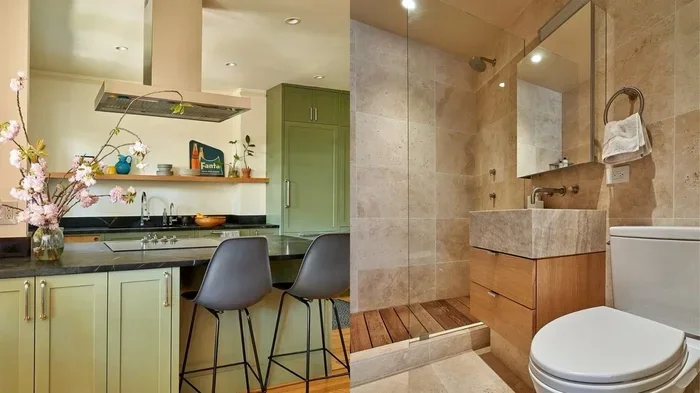
The cost to renovate kitchen and bathroom spaces typically ranges from £5,000 to £30,000 or more, depending on the scope, materials, and location. A minor kitchen refresh might cost £3,000–£8,000, while a full gut renovation can exceed £25,000. Bathroom renovations usually run between £3,000 and £15,000, with high-end remodels reaching £20,000+. Planning your renovation budget carefully and understanding what drives costs will help you avoid surprises and get the best value for your investment.
Key Takeaways
- Kitchen renovations cost more: The average kitchen remodel runs £5,000–£25,000, while bathroom projects typically range from £3,000–£15,000.
- Scope drives price: A cosmetic refresh costs far less than a full gut renovation with new layouts and premium fixtures.
- Labor adds up fast: Skilled tradespeople like plumbers and electricians can account for 40–50% of your total renovation expenses.
- Materials matter: Choosing between budget, mid-range, and luxury options can swing your cost by thousands of pounds.
- Plan for hidden costs: Always budget 10–20% extra for unexpected issues like outdated wiring or water damage.
- DIY can save money: Tackling simpler tasks yourself reduces labour costs, but complex work needs a professional.
- Timing affects price: Off-peak seasons and advance planning can help you secure better deals from contractors.
📑 Table of Contents
- How Much Does It Cost to Renovate Kitchen and Bathroom?
- Average Kitchen Renovation Costs
- Average Bathroom Renovation Costs
- What Drives Renovation Costs Up or Down?
- Kitchen vs Bathroom: Which Costs More?
- How to Save Money on Your Renovation
- How Long Does a Kitchen and Bathroom Renovation Take?
- Should You Hire a Professional or Go DIY?
- Expert Tips for Planning Your Renovation Budget
- Conclusion
How Much Does It Cost to Renovate Kitchen and Bathroom?
Renovating your kitchen and bathroom is one of the most rewarding home improvement projects you can tackle. These two rooms add real value to your property and make daily life more enjoyable. But let us be honest — the kitchen and bathroom renovation cost can vary wildly. One homeowner might spend £5,000. Another might spend £30,000. The difference comes down to scope, materials, and a hundred small decisions along the way.
If you are standing at the starting line, wondering where your money should go, you are in the right place. This guide breaks down everything you need to know about how much it costs to renovate kitchen and bathroom spaces. We will walk through average costs, what drives those numbers up or down, and how to plan a budget that actually works for you. Whether you want a simple refresh or a complete transformation, we have got you covered.
Before we dive into the numbers, it helps to understand that every renovation is unique. Your kitchen might need new cabinets but working plumbing. Your bathroom might have great bones but outdated tiles. These differences shape your final cost in big ways. Let us explore what really matters.
Average Kitchen Renovation Costs
The kitchen is often called the heart of the home. It is where families gather, meals get made, and memories form. That is exactly why a kitchen renovation cost tends to be one of the biggest line items in any home improvement budget. Let us look at what different levels of renovation actually cost.
Minor Kitchen Refresh: £3,000–£8,000
A minor refresh keeps your existing layout intact. You might repaint cabinets, replace hardware, install new worktop surfaces, or update lighting. This is a great option if your kitchen is functional but feels tired. The average cost to renovate kitchen at this level stays well under £8,000 for most homes.
You can also swap out a few fixtures, add a fresh coat of paint, or install a new backsplash. These changes make a big visual impact without requiring structural work or major plumbing changes. If you enjoy cooking meals like a sweet and tangy sauce recipe or preparing fresh salads like a beetroot and feta salad, a refreshed kitchen makes the process more enjoyable.
Mid-Range Kitchen Remodel: £8,000–£18,000
A mid-range remodel usually involves replacing cabinets, upgrading appliances, and possibly reconfiguring your layout slightly. You might move your sink location or add an island. The kitchen remodel cost at this level includes new flooring, updated lighting, and better ventilation. Most homeowners find this sweet spot delivers excellent results without breaking the bank.
At this stage, you are making real design choices. You pick your cabinet style, your worktop material, and your fixtures. Each choice carries its own price tag. Natural stone worktops, for example, cost more than laminate but look stunning and last for decades.
Full Kitchen Gut Renovation: £18,000–£35,000+
A full gut renovation tears everything back to the studs. You rewire, replumb, move walls, and install everything from scratch. This is the route you take when your kitchen layout simply does not work anymore or when your home is older and needs a complete overhaul. The cost to renovate kitchen at this level can easily exceed £35,000 for large or luxury kitchens.
You are essentially building a new kitchen inside your existing space. That means architect fees, structural work, new electrical systems, updated plumbing, premium appliances, and custom cabinetry. It is a major undertaking, but the result is a completely transformed space that feels brand new.
Average Bathroom Renovation Costs
Bathroom renovations follow a similar pattern to kitchens, but the numbers tend to be lower. A bathroom is a smaller space, so there are fewer materials and less square footage to cover. Still, the bathroom renovation cost can surprise you if you do not plan ahead.
Simple Bathroom Update: £2,000–£6,000
A simple update means keeping your layout the same and replacing visible elements. You might fit a new toilet, replace the bath or shower tray, install a new basin, and update the tiles. This level of bathroom remodel cost is very achievable on a modest budget and makes a huge difference to the room’s appearance.
Replacing old caulking, adding new shower fittings, and installing a fresh mirror are all relatively affordable changes. These updates also address common issues like mould, poor lighting, and outdated fixtures. The result feels like a completely different bathroom without the complexity of a full renovation.
Mid-Range Bathroom Renovation: £6,000–£15,000
A mid-range renovation lets you change the layout and upgrade key systems. You might move the toilet position, install a walk-in shower instead of a bath, or reroute plumbing. The cost of renovating a bathroom at this level includes quality tiling, modern fittings, and better waterproofing.
Heated floors, quality shower enclosures, and designer taps all add to the cost but also to the enjoyment of the space. Many homeowners find that a mid-range bathroom renovation strikes the perfect balance between affordability and a luxurious feel.
Full Bathroom Overhaul: £15,000–£25,000+
A full overhaul involves removing everything and starting fresh. New plumbing throughout, updated electrics, custom cabinetry, and premium finishes all add up quickly. The average renovation cost for a luxury bathroom can reach £25,000 or more, especially if you include underfloor heating, steam showers, or heated mirrors.
Large bathrooms or master bathrooms with separate shower and bath zones naturally cost more. The complexity of the work increases, and premium materials like natural stone or designer brands carry higher price tags. But the payoff is a spa-like retreat right inside your home.
What Drives Renovation Costs Up or Down?
Understanding what influences your renovation budget helps you make smart decisions. Several key factors determine your final cost, and some are within your control.
Size of the Space
Larger rooms need more materials and more labour. A big kitchen with lots of cabinetry and worktop space will naturally cost more than a small galley kitchen. The same applies to bathrooms. A family bathroom with separate shower and bath costs more than a compact ensuite.
Square footage affects everything — tiles, flooring, paint, fixtures, and labour hours. Before you start planning, measure your space carefully and get a clear idea of the area you are working with. This makes it easier to estimate costs accurately.
Quality of Materials
Materials are one of the biggest variables in any renovation project. You can fit budget-friendly laminate worktops for around £100 per metre or choose quartz for £400 or more. The same range applies to tiles, flooring, cabinets, and fixtures.
Here is a quick look at how material choices affect costs:
- Budget options: Laminate worktops, ceramic tiles, standard fittings — keeps costs low but may need replacing sooner.
- Mid-range options: Quartz or granite worktops, porcelain tiles, branded fixtures — great balance of quality and affordability.
- Luxury options: Marble worktops, designer tiles, premium brands — highest cost but longest lifespan and best aesthetics.
You do not need to go all-in on luxury to get a beautiful result. Mixing premium items in key areas with budget-friendly options elsewhere is a smart strategy that keeps your home improvement costs manageable.
Labour Costs
Labour typically accounts for 40–50% of your total renovation cost. Skilled tradespeople — plumbers, electricians, tilers, and carpenters — charge competitive rates, and for good reason. Their expertise ensures your renovation is safe, compliant, and built to last.
Labour costs vary by region. London and the South East tend to be more expensive than northern cities or rural areas. Always get at least three quotes from qualified professionals before committing. This helps you find the right balance between quality and affordability.
Layout Changes
Moving walls, rerouting plumbing, or changing your electrical layout adds significant cost. Every structural change requires additional labour, materials, and often building regulation approvals. If your current layout works well, keeping it in place is the easiest way to save money on your renovation project.
However, if your layout genuinely does not work for your needs, the investment can be worth it. A well-planned kitchen layout makes cooking easier, and a thoughtful bathroom layout improves daily comfort. Weigh the benefits carefully against the extra cost.
Hidden Issues
Older homes almost always reveal hidden problems during renovation. Outdated wiring, asbestos, water damage, rotting joists, or poor insulation can all surface once you open up walls. These surprises add unexpected costs and time to your project.
Always budget 10–20% extra for the unexpected. This contingency fund acts as a safety net and prevents stress when issues arise. Experienced contractors will flag potential problems early, but you cannot predict everything.
Kitchen vs Bathroom: Which Costs More?
It is a common question — which room costs more to renovate? The answer depends on the scope and size, but generally speaking, kitchens cost more than bathrooms. Here is a simple comparison to help you understand why.
| Factor | Kitchen | Bathroom |
|---|---|---|
| Average Minor Refresh | £3,000–£8,000 | £2,000–£6,000 |
| Average Mid-Range Remodel | £8,000–£18,000 | £6,000–£15,000 |
| Full Gut Renovation | £18,000–£35,000+ | £15,000–£25,000+ |
| Key Cost Drivers | Cabinets, appliances, worktops | Plumbing, tiling, waterproofing |
| Typical Timeline | 4–10 weeks | 3–8 weeks |
| ROI on Home Value | 50–70% | 50–65% |
As you can see, kitchens generally cost more due to the complexity of cabinetry, appliances, and worktop installations. Bathrooms involve significant plumbing and waterproofing work, but the smaller space keeps overall costs lower. Both rooms offer strong returns on investment if you are planning to sell your home in the future.
How to Save Money on Your Renovation
Renovation does not have to drain your savings. With smart planning and strategic choices, you can achieve stunning results without overspending. Here are practical tips to keep your renovation expenses under control.
Keep the Layout If Possible
Moving plumbing and electrical systems is one of the most expensive parts of any renovation. If your current layout works, keep it. You can still achieve a completely transformed look through new finishes, fixtures, and cabinetry without touching a single pipe or wire.
Shop Around for Materials
Do not accept the first price you see. Visit multiple suppliers, compare online retailers, and look for end-of-line or clearance items. Many quality materials are available at a fraction of the cost if you know where to look. End-of-line tiles, for example, can save you hundreds of pounds.
Consider Refurbished Instead of New
Refurbished cabinets, second-hand appliances, and reclaimed tiles can look fantastic and cost much less than brand-new alternatives. A fresh coat of paint and new handles can transform old cabinets into something that looks custom-made. This approach works especially well for budget-conscious renovations.
Do What You Can Yourself
Tasks like painting, fitting soft furnishings, installing shelving, or laying simple tiles are manageable for competent DIYers. Taking on these jobs yourself can save you a significant amount in labour costs. However, always leave electrical and plumbing work to qualified professionals — it is not worth the risk.
Time Your Renovation Wisely
Contractors are often more available and competitive with pricing during quieter months. Winter and early spring tend to be less busy for tradespeople, which can mean better rates and faster scheduling. Avoid peak summer months if you want to secure the best deals.
How Long Does a Kitchen and Bathroom Renovation Take?
The renovation timeline depends heavily on the scope of work. A minor refresh might take just one to two weeks. A mid-range remodel typically runs four to six weeks. A full gut renovation can stretch to eight to twelve weeks or longer, especially if you encounter hidden issues or supply delays.
Here is a rough breakdown of what to expect:
- Planning and design: 1–3 weeks. This phase includes finalising your design, getting quotes, and securing any necessary permits.
- Demolition: 1–3 days. Removing old fixtures, cabinets, tiles, and surfaces.
- Structural and systems work: 1–2 weeks. Plumbing, electrical, and any structural changes happen during this phase.
- Installation: 2–4 weeks. Tiling, fitting cabinets, installing fixtures, and laying flooring.
- Finishing touches: 1–2 weeks. Painting, grouting, fitting accessories, and final inspections.
Delays are common in renovation projects. Supplier shortages, weather issues, or unexpected problems can push your timeline back. Building buffer time into your plan helps you stay calm and avoid rushing the work.
Should You Hire a Professional or Go DIY?
This is one of the biggest decisions in any renovation project. The right answer depends on your skills, the complexity of the work, and your budget.
When to Hire a Professional
Always hire a professional for plumbing, electrical work, and structural changes. These areas involve safety risks and building regulations that you cannot afford to get wrong. A qualified contractor also provides insurance, warranties, and accountability that DIY work simply cannot match.
Hiring a professional makes sense for full gut renovations or mid-range remodels where the scope is complex. A good contractor manages the entire project, coordinates trades, and ensures quality standards are met throughout.
When DIY Makes Sense
DIY works well for cosmetic updates like painting, fitting new cabinet handles, installing shelving, or laying decorative tiles. If you have basic DIY skills and the right tools, these tasks are manageable and can save you a substantial amount of money.
The key is knowing your limits. Be honest about what you can handle and what needs professional expertise. A poorly executed DIY job can cost more to fix than hiring a professional in the first place.
Expert Tips for Planning Your Renovation Budget
Planning a renovation budget can feel overwhelming, but a structured approach makes it manageable. Start by deciding what you want to achieve and what your must-haves are versus nice-to-haves. This clarity helps you allocate funds wisely and avoid impulse spending.
Get detailed quotes from at least three contractors. A good quote breaks down costs by category — materials, labour, fixtures, and any additional fees. This transparency helps you understand where your money goes and identify areas where you can adjust if needed.
Set aside your contingency fund early. Even the best-planned renovation encounters surprises. Having 10–20% of your budget reserved for the unexpected gives you peace of mind and prevents financial stress. And remember, the goal is not to spend the least amount possible — it is to spend wisely and create a space you will love for years to come.
Conclusion
The cost to renovate kitchen and bathroom spaces depends on many factors, but understanding the basics puts you in a strong position to plan effectively. A minor kitchen refresh can transform your cooking space for under £8,000, while a full bathroom overhaul might run £15,000 or more. The key is to define your scope, choose materials that fit your budget, and work with trusted professionals for the complex stuff.
Whether you are planning a simple update or a complete transformation, the investment pays off in daily comfort and property value. Take your time, plan thoroughly, and remember that every pound you spend wisely brings you closer to the kitchen and bathroom of your dreams. Start planning today, and soon you will be enjoying spaces that look beautiful and work perfectly for your lifestyle.
Frequently Asked Questions
What is the average cost to renovate a kitchen?
The average kitchen renovation cost in the UK ranges from £5,000 for a minor refresh to £35,000 or more for a full gut renovation. Most homeowners spend between £8,000 and £18,000 on a mid-range remodel that includes new cabinets, updated fixtures, and upgraded appliances. Your exact cost depends on your kitchen size, material choices, and whether you change the layout.
How much does a bathroom renovation typically cost?
A bathroom renovation typically costs between £3,000 and £15,000 for most homeowners. Simple updates with new fixtures and tiles fall at the lower end, while full overhauls with layout changes and premium finishes reach the higher end. The bathroom remodel cost is generally lower than a kitchen renovation because bathrooms are smaller and involve fewer complex installations.
Can I renovate my kitchen and bathroom on a budget of £10,000?
Yes, £10,000 is a realistic budget for a mid-range renovation of one room, or a cosmetic refresh of both. You would need to prioritise your spending and focus on high-impact changes like new paint, fixtures, and worktop surfaces. Avoid major layout changes on a tight budget, as moving plumbing and electrical systems quickly drives up costs.
How long does a kitchen and bathroom renovation take?
A minor kitchen or bathroom refresh typically takes 1 to 2 weeks. A mid-range remodel usually requires 4 to 6 weeks, while a full gut renovation can take 8 to 12 weeks or longer. The timeline depends on the scope of work, the availability of tradespeople, and whether any unexpected issues arise during the project.
What should I budget for hidden costs?
Always set aside 10–20% of your total renovation budget as a contingency fund. Older homes frequently reveal hidden issues like outdated wiring, water damage, or structural problems once walls are opened up. Having this buffer prevents financial stress and ensures your renovation project stays on track even when surprises appear.
Does renovating kitchen and bathroom increase home value?
Yes, both rooms offer strong returns on investment. Kitchen renovations typically return 50–70% of the cost at resale, while bathrooms return 50–65%. The exact return depends on the quality of the work, the style of finishes, and your local property market. A well-planned renovation makes your home more appealing to buyers and can significantly boost its market value.

