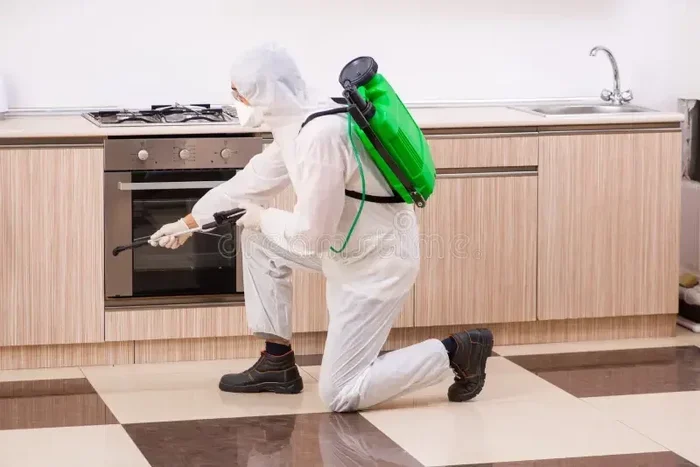
White mites in kitchen can ruin stored food and spread contamination fast. This guide shows you how to identify, eliminate, and prevent these tiny pests using simple natural methods. You will learn proven remedies, cleaning routines, and storage tips that keep your kitchen mite-free for good.
White mites in kitchen spaces are a frustrating problem that many homeowners face. These tiny, nearly invisible pests can infest your pantry, contaminate your food, and spread quickly if left unchecked. The good news is that you do not need harsh chemicals to eliminate them. Natural methods work just as well and keep your kitchen safe for cooking and eating. In this guide, we walk you through everything you need to know about identifying, removing, and preventing white mites in your kitchen.
Whether you have spotted tiny white bugs crawling on your flour or noticed a fine powdery residue on your shelves, this article has you covered. We will share practical, step-by-step solutions that are easy to follow and use items you probably already have at home. Let us dive in and reclaim your kitchen from these unwanted guests.
Key Takeaways
- White mites thrive in warm, humid kitchens and feed on dry goods like flour, grains, and sugar.
- Natural remedies like vinegar, essential oils, and baking soda are highly effective at killing and repelling white mites.
- Proper food storage in airtight containers is the single best way to prevent future infestations.
- Regular deep cleaning of pantry shelves and countertops removes mite eggs and stops reinfestation.
- Discarding contaminated food immediately prevents mites from spreading to other kitchen items.
- White mites are not dangerous but can cause allergic reactions and spoil stored food quickly.
- Call a pest professional if the infestation is severe and home remedies do not work.
📑 Table of Contents
- What Are White Mites in Kitchen Spaces?
- How to Identify White Mites in Your Kitchen
- How to Get Rid of White Mites in Kitchen Naturally
- Preventing White Mites from Coming Back
- Natural Remedies Comparison Table
- When to Call a Professional Pest Controller
- Common Mistakes People Make When Dealing With White Mites
- Expert Insights on Kitchen Mite Prevention
- Final Thoughts
What Are White Mites in Kitchen Spaces?
White mites are tiny arthropods that feed on dry food products stored in kitchens. They are barely visible to the naked eye and often look like moving white specks or dust particles. These pests love warm, humid environments and are commonly found in pantries, cupboards, and storage areas.
Several types of mites can invade your kitchen. Flour mites, grain mites, and mold mites are the most common culprits. They feed on flour, cereals, grains, sugar, nuts, dried fruits, and even spices. A single female mite can lay hundreds of eggs, which means a small problem can turn into a full-blown infestation in just a few weeks.
While white mites do not bite or transmit diseases, they can still cause problems. Their presence can trigger allergic reactions in sensitive individuals. They also spoil food by feeding on it and leaving behind waste and webbing. This is why taking action quickly is so important.
Why Kitchens Attract White Mites
Your kitchen offers everything white mites need to survive. Food crumbs, spilled flour, and unsealed pantry items create a perfect buffet for these pests. Warm temperatures and humidity from cooking also make kitchens an ideal breeding ground.
Even items like white chocolate truffle or white chocolate raspberry french toast ingredients stored in your pantry can attract mites if left in open packaging. Sugar and dairy residues on packaging are enough to draw them in. This is why proper storage matters so much.
How to Identify White Mites in Your Kitchen
Catching a white mite infestation early makes elimination much easier. These pests are small, so you need to know exactly what to look for. Here are the most common signs of white mites in your kitchen.
Visible Tiny White Specks
The most obvious sign is seeing tiny white bugs moving on your food or pantry shelves. They look like grains of salt or flour that are crawling. You may notice them clustering near food packaging, especially in corners and edges of shelves.
Fine Powdery Residue
White mites leave behind a fine, silky webbing and powdery residue on food surfaces. If you open a bag of flour or cereal and see a web-like film or clumpy texture, mites are likely present. This residue may also appear on shelf edges and container lids.
Unusual Smell
Infested food often develops a musty or sour smell. If your flour, grains, or cereal smells off even though the package is sealed, check for mites. The smell comes from mite waste and the decomposition of contaminated food.
Allergic Reactions
Some people experience sneezing, itching, or skin rashes when white mites are present in large numbers. If you notice these symptoms in your kitchen, it is worth inspecting your pantry closely. Mite debris and body fragments can become airborne and trigger allergies.
How to Get Rid of White Mites in Kitchen Naturally
Now for the most important part. Getting rid of white mites naturally is simpler than you might think. You do not need expensive pesticides or professional treatments for most infestations. These natural methods are safe, effective, and easy to implement.
Step 1: Remove and Discard Contaminated Food
The first step is to identify and throw away any food that has been infested. Check every item in your pantry, including opened and unopened packages. Look for webbing, clumping, discoloration, or an unusual smell.
Do not try to save infested food by sifting out the mites. They lay eggs deep inside products, and the contamination is often invisible. Place contaminated items in sealed plastic bags and dispose of them outside your kitchen immediately.
While you are at it, wipe down your eggs in purgatory ingredients and any other cooking supplies that were stored near the affected items. Mites can crawl from one product to another quickly.
Step 2: Deep Clean Your Pantry and Shelves
After removing contaminated food, give your pantry a thorough cleaning. Empty all shelves and wipe them down with a damp cloth. Use hot soapy water to kill any remaining mites and remove residue.
Pay special attention to corners, cracks, and crevices where mites like to hide. Use a vacuum with a hose attachment to suck up mites and eggs from shelf surfaces. Dispose of the vacuum bag or contents outside your home.
For an extra cleaning boost, wipe shelves with a solution of white vinegar and water. Vinegar is a natural disinfectant that kills mites on contact and leaves a fresh scent behind.
Step 3: Use Natural Mite Repellents
Several natural ingredients repel white mites effectively. Here are the best options:
- White vinegar: Mix equal parts vinegar and water in a spray bottle. Spray all shelf surfaces, corners, and container exteriors. Wipe clean after 10 minutes.
- Essential oils: Tea tree oil, peppermint oil, and eucalyptus oil are powerful mite repellents. Add 10 to 15 drops to a spray bottle of water and mist your pantry shelves.
- Baking soda: Sprinkle baking soda on shelves and leave it for a few hours before wiping clean. It absorbs moisture and kills mites on contact.
- Diatomaceous earth: This food-grade powder dehydrates and kills mites. Dust a thin layer on pantry shelves and leave it for several days before cleaning.
Step 4: Freeze Infested Items Before Disposal
If you are unsure whether a sealed package is contaminated, you can freeze it to be safe. Place the item in your freezer for at least four days. The cold temperature kills all mites and eggs. After freezing, you can safely discard the item or keep it if the packaging was intact.
Step 5: Clean Your Kitchen Counters and Floors
White mites do not stay on shelves alone. They can crawl onto countertops, backsplashes, and floors. Sweep and mop your kitchen floors with hot water and a splash of vinegar. Wipe down all countertops with a vinegar solution or a few drops of essential oil mixed with water.
Do not forget to clean areas around your Greek salad in a jar prep station or any spot where dry ingredients are handled. Crumbs and spills attract mites, so keeping these areas spotless is essential.
Quick Tips for Natural Mite Removal
- Always wear gloves when handling infested food to avoid skin irritation.
- Work in sections so you do not miss any affected areas.
- Repeat the cleaning process after one week to catch newly hatched mites.
- Keep windows open while cleaning to let fresh air circulate.
- Wash all pantry containers with hot soapy water before restocking.
Preventing White Mites from Coming Back
Elimination is only half the battle. Prevention is what keeps your kitchen mite-free for the long term. Follow these simple habits to stop white mites from returning.
Store Food in Airtight Containers
This is the single most effective prevention method. Transfer all dry goods into airtight glass, metal, or thick plastic containers. Open packages of flour, cereal, and grains are the number one entry point for white mites. Airtight containers block their access completely.
Even items you buy in bulk should be transferred immediately. Do not leave them in the original paper or thin plastic bags. A small investment in storage containers pays off enormously in keeping your pantry pest-free.
Keep Your Kitchen Dry and Cool
White mites love warmth and humidity. Use a dehumidifier or ventilation fan to keep moisture levels low in your kitchen. Aim for a temperature below 70°F if possible. Cooler, drier conditions make your kitchen much less attractive to mites.
Rotate Your Pantry Items
Use the first-in, first-out method when organizing your pantry. Older products should always go in front so you use them first. This prevents items from sitting too long and becoming a breeding ground for mites.
Regularly check expiration dates and do not keep dry goods past their prime. Fresh ingredients are less likely to attract pests. This also applies to items you use for recipes like white chocolate raspberry french toast or other baked goods. Check your ingredients before storing them back in the pantry.
Clean Up Spills Immediately
Even a small spill of flour or sugar can attract white mites within days. Make it a habit to wipe up any food spills on shelves, counters, and floors right away. Do not let crumbs or residue sit overnight.
Inspect New Groceries Before Storing
Before putting new groceries away, inspect the packaging for any signs of damage or contamination. Mites can enter your home through infested products from the store. If a package looks torn, swollen, or damaged, transfer the contents to a clean container or discard it.
Natural Remedies Comparison Table
Not all natural remedies work the same way. Here is a quick comparison to help you choose the best method for your situation.
| Remedy | How It Works | Best For | Ease of Use |
|---|---|---|---|
| White Vinegar | Kills mites on contact; disinfects surfaces | Shelf and countertop cleaning | Very Easy |
| Essential Oils | Repels mites with strong scent | Pantry prevention and repelling | Easy |
| Baking Soda | Absorbs moisture; kills mites | Deep shelf cleaning | Very Easy |
| Diatomaceous Earth | Dehydrates and kills mites | Severe infestations | Moderate |
| Freezing | Kills mites and eggs with cold | Suspected sealed packages | Easy |
You can combine several of these methods for the best results. Start with a deep clean using vinegar, then apply essential oils or diatomaceous earth for ongoing protection. This layered approach ensures that you kill existing mites and prevent new ones from arriving.
When to Call a Professional Pest Controller
Most white mite infestations can be handled with natural methods at home. However, there are situations where professional help is the right choice.
Call a pest controller if you have tried natural remedies for two weeks and still see mites. A severe infestation that has spread throughout your entire pantry may need professional-grade treatment. If you notice mites in unexpected places like electrical outlets, wall cracks, or furniture, this could indicate a larger problem.
People with severe allergies or asthma should also consider professional help. Mite debris can worsen respiratory issues, and a professional can ensure complete elimination without exposing you to further risk.
Before hiring a professional, ask about their methods. Choose companies that use eco-friendly and non-toxic treatments. This keeps your kitchen safe for food preparation and protects your family and pets.
Common Mistakes People Make When Dealing With White Mites
Avoid these common mistakes that can make a white mite problem worse:
- Ignoring the problem: White mites multiply fast. Waiting even a few days can turn a minor issue into a major infestation.
- Only cleaning shelves but not food: If you clean shelves but leave infested food in place, the mites will return immediately.
- Using pesticides indoors: Chemical pesticides contaminate food preparation surfaces and can be harmful to your health. Stick to natural methods.
- Not sealing containers properly: Even slightly open containers give mites access to your food. Check seals regularly.
- Skipping follow-up cleaning: Mite eggs are resistant to many treatments. A second cleaning one week later is essential to catch newly hatched mites.
Expert Insights on Kitchen Mite Prevention
Professional pest control experts agree that prevention is far easier than elimination. According to entomologists, the key to keeping white mites out of your kitchen is a three-part approach. First, eliminate their food sources by storing dry goods properly. Second, remove their hiding spots through regular cleaning. Third, create an unfavorable environment by keeping your kitchen cool and dry.
Experts also recommend inspecting your pantry at least once a month. A quick visual check takes only a few minutes and can catch an infestation before it gets out of hand. Keep a small flashlight in your pantry for easy inspections of shelf corners and container edges.
Another expert tip is to place bay leaves or whole cloves in your pantry containers. These natural ingredients repel white mites and other pantry pests without any chemicals. It is a simple trick that has been used for generations and still works today.
Final Thoughts
Dealing with white mites in kitchen spaces can feel overwhelming, but it is entirely manageable with the right approach. Natural methods are safe, effective, and affordable. By following the steps outlined in this guide, you can eliminate these pests and keep your kitchen clean and mite-free.
Remember to act quickly when you first spot signs of mites. The sooner you address the problem, the easier it is to resolve. Combine thorough cleaning with proper food storage and regular maintenance for the best long-term results.
Your kitchen is the heart of your home. It should be a place where you feel safe preparing meals for yourself and your loved ones. With these natural solutions, you can protect your food, your health, and your peace of mind. Start today, and you will notice a difference within days.
Frequently Asked Questions
What causes white mites in kitchen pantries?
White mites are attracted to warm, humid environments and food sources like flour, grains, sugar, and cereals. They enter kitchens through open packaging, contaminated groceries, or even through small cracks and gaps in pantry walls. Poor food storage and infrequent cleaning make pantries especially vulnerable to mite infestations.
Are white mites in kitchen harmful to humans?
White mites are not directly dangerous, but they can cause allergic reactions in sensitive people. Their waste and body fragments can trigger sneezing, itching, and skin irritation. They also spoil food by feeding on it, which can lead to digestive issues if contaminated food is consumed unknowingly.
How long does it take to get rid of white mites naturally?
Most infestations can be eliminated within one to two weeks using natural methods. The first cleaning removes adult mites and contaminated food. A follow-up cleaning after seven days kills newly hatched mites that were in eggs during the first treatment. Consistent prevention keeps them from returning.
Can white mites live in sealed food packages?
Yes, white mites can penetrate thin paper and plastic packaging. They are incredibly small and can squeeze through tiny gaps. This is why it is important to transfer all dry goods into airtight containers and inspect new groceries carefully before storing them in your pantry.
What is the best natural repellent for white mites in the kitchen?
Essential oils like tea tree, peppermint, and eucalyptus are the most effective natural repellents. White vinegar is also excellent for killing mites on surfaces. Combining these with regular cleaning and proper food storage creates a comprehensive defense against white mites in your kitchen.
Do white mites go away on their own?
White mites will not go away on their own if a food source and favorable conditions remain. They continue to reproduce as long as they have access to dry food products and warm, humid environments. Active intervention through cleaning, natural remedies, and proper storage is necessary to fully eliminate them.