
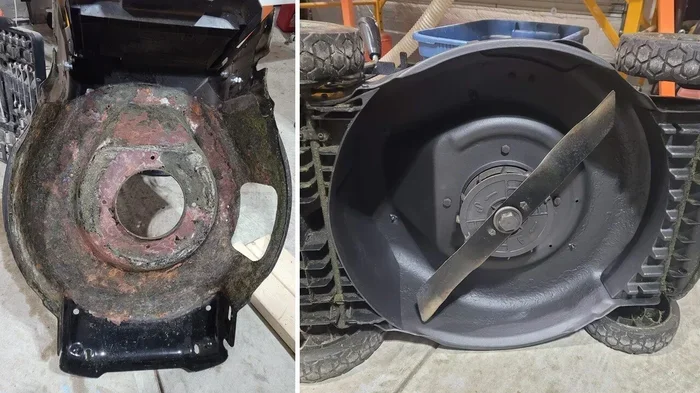
Knowing how to repair a lawn mower deck saves you money and keeps your yard looking great. This guide walks you through every step, from spotting damage to applying the final fix. You will learn the tools you need, the most common deck problems, and how to prevent future issues with simple maintenance.
Your lawn mower deck takes a beating every time you cut the grass. Rocks, moisture, and dirt all hit it hard. Over time, this wear shows up as rust, dents, and even holes in the metal. If your mower is leaving strips of uncut grass or making strange noises, the deck might be the culprit.
Learning how to repair a lawn mower deck is one of the most useful skills a homeowner can have. It does not require a mechanics degree or expensive tools. With a little time and the right guidance, you can bring your mower back to life. This guide gives you everything you need to know, from identifying problems to applying lasting fixes.
Many people toss out a perfectly good mower just because the deck looks rough. That is a waste of money. A damaged deck does not mean the whole machine is done. Most deck problems are fixable, and this article will show you exactly how. Let us dive in and get your mower cutting clean again.
Key Takeaways
- Regular inspection helps catch deck damage early before it becomes a costly repair.
- Basic tools like a wrench set, grinder, and wire brush are all you need for most repairs.
- Rust and corrosion are the most common lawn mower deck problems and are easy to fix.
- Proper deck leveling ensures a clean, even cut across your entire lawn.
- Replacing damaged parts is often cheaper than buying a new mower.
- Seasonal maintenance extends the life of your mower deck by several years.
- Welding and patching are simple skills anyone can learn for deck repair.
📑 Table of Contents
Signs Your Lawn Mower Deck Needs Repair
Before you grab any tools, you need to know what to look for. A mower deck that needs attention usually gives clear warning signs. Catching these early makes the repair much easier.
Uneven Cutting Height
If your lawn looks patchy after mowing, the deck might be bent or warped. A deck that sits unevenly causes the blades to cut at different heights. You will notice tall streaks of grass mixed with short ones. This is one of the first signs of a problem.
Visible Rust or Holes
Rust weakens the deck over time. Small surface rust is normal, but deep rust creates holes. These holes let wet grass clippings build up inside. That buildup adds weight and throws off the balance of the mower. Check the underside of the deck closely every season.
Unusual Vibrations or Noises
A healthy mower runs relatively smooth. If you feel shaking in the handle or hear grinding sounds, something is off. A cracked or bent deck often causes vibrations. Ignoring this can lead to bigger damage to the blades and engine.
Grass Clippings Not Discharging Properly
The deck helps direct clippings out through the chute. If clippings are clogging or flying everywhere, the deck surface might be damaged. Dents and rough spots disrupt the airflow inside the deck. This is a simple sign that your deck needs some attention.
Tools and Materials You Will Need
Gathering the right tools before you start makes the whole process smoother. You do not need anything exotic. Most of what you need, you probably already have in your garage.
Essential Repair Tools
- Socket wrench set for removing bolts and fasteners
- Wire brush or wire wheel for cleaning rust and debris
- Angle grinder or metal file for smoothing rough edges
- Welding machine (optional, for patching holes)
- Rust remover or vinegar solution for treating surface rust
- Sandpaper in various grits from 80 to 220
- Safety glasses and gloves to protect your hands and eyes
- Jack and jack stands for lifting the mower safely
Replacement Parts to Consider
Depending on the damage, you might need a few spare parts. Common replacements include deck bolts, blade spindles, and gaskets. Check your mower model number before ordering parts. Having the right parts ready saves trips back and forth to the hardware store.
Quick Tip: Take photos of your deck before disassembling anything. These pictures make reassembly much easier and help you remember where each part goes.
Step-by-Step Lawn Mower Deck Repair
Now comes the hands-on part. Follow these steps carefully to repair your mower deck properly. Each step builds on the last, so do not skip ahead.
Step 1: Disconnect the Spark Plug
Safety comes first. Always disconnect the spark plug before working on the mower. This prevents the engine from starting accidentally. It is a small step that protects your hands. Tape the spark plug wire back and away from the plug.
Step 2: Flip the Mower and Inspect the Deck
Use a jack to carefully flip the mower on its side. Place it on a stable surface. Now you can see the full underside of the deck. Look for rust, dents, holes, and loose bolts. Mark any problem areas with a piece of tape so you do not miss them.
Step 3: Clean the Deck Thoroughly
Use a wire brush to scrape away caked-on grass and dirt. A putty knife works well for stubborn buildup. Spray the deck with a hose and let it dry completely. Cleaning the deck gives you a clear view of the actual damage. It also prevents debris from getting in the way during repairs.
Step 4: Treat Rust and Smooth Surfaces
For surface rust, apply a rust remover or soak the area in white vinegar. Let it sit for 30 minutes, then scrub with the wire brush. For deeper rust spots, use the angle grinder to remove the affected metal. Sand the area smooth with fine-grit sandpaper. This prepares the surface for any patching or painting.
Step 5: Patch Holes and Weld Cracks
If your deck has holes, you can patch them with metal patches. Cut a piece of sheet metal slightly larger than the hole. Place it over the hole and weld it in place. For small cracks, welding rod works well too. Let the weld cool completely before moving on. Grind any excess weld down to a smooth finish.
Step 6: Replace Damaged Bolts and Hardware
While the deck is off or flipped, replace any rusted or stripped bolts. Do not reuse bolts that show signs of wear. New bolts ensure a tight, secure fit. This small step prevents future problems and keeps the deck stable.
Step 7: Reassemble and Test
Flip the mower back over and reattach all parts. Tighten every bolt to the manufacturer’s recommended torque. Reconnect the spark plug and start the engine. Let it run for a few minutes and listen for unusual sounds. Check the cutting height to make sure the deck sits level.
Common Lawn Mower Deck Problems and Fixes
Different deck problems need different solutions. Here are the most common issues homeowners face and how to fix them.
Bent or Warped Deck
A bent deck usually happens after hitting a large rock or root. A warped deck causes uneven cutting. To fix this, remove the blades and use a straight edge to check the deck surface. If the deck is only slightly bent, you can try hammering it back into shape. For serious warping, the deck may need to be replaced entirely.
Corroded Deck Shell
Corrosion eats through the metal from the inside out. It often starts where moisture collects. To fix corrosion, remove all loose rust first. Then apply a rust converter to stop the spread. Finish with a coat of mower deck paint or a rust-resistant primer. This protects the metal and extends the life of the deck significantly.
Loose or Worn Deck Spindles
The spindles hold the blades in place. Over time, they can become loose or worn. A worn spindle causes the blade to wobble. This leads to an uneven cut and extra strain on the engine. Replace worn spindles right away. The cost of new spindles is far less than replacing a damaged deck or engine.
Clogged Deck Ventilation
The deck has small vents that allow airflow. When these get clogged with grass, the deck traps moisture. That moisture speeds up rust and corrosion. Clean the vents regularly with a thin wire or compressed air. This simple habit goes a long way in deck maintenance.
How to Prevent Future Deck Damage
Repairing the deck is only half the battle. Preventing future damage keeps your mower running longer and saves you repeat trips to the repair shop.
Clean the Deck After Every Mow
Get in the habit of scraping the deck after each use. Wet grass sticks to the metal and traps moisture. A quick scrape takes 30 seconds and makes a huge difference. Use a plastic scraper to avoid scratching the surface.
Apply Deck Coating or Paint
A coat of deck paint creates a protective barrier. Look for paint specifically designed for mower decks. These paints resist moisture and chemicals from grass clippings. Apply a fresh coat at the start of every mowing season.
Store the Mower Properly
Keep your mower in a dry place whenever possible. Moisture is the number one enemy of any metal surface. If you must store it outside, use a breathable mower cover. Avoid plastic tarps that trap condensation underneath.
Check Deck Level Regularly
A deck that is not level wears out blades faster and cuts unevenly. Check the deck height adjustment every few weeks. Make sure all four corners sit at the same height. Adjust as needed using the deck lift rod or lever.
Use the Right Blades
Dull or damaged blades put extra stress on the deck. The blade bounces and strikes the deck surface. This causes dents and premature wear. Sharpen or replace blades at least once per season. Clean, sharp blades protect the deck and give you a better cut.
When to Call a Professional for Deck Repair
Most deck repairs are doable at home. But some situations call for a professional. Knowing when to ask for help saves you time and prevents further damage.
If the deck has a large crack that runs along a structural seam, welding it yourself can be risky. A bad weld weakens the metal and could fail under stress. A professional welder knows how to reinforce the area properly. They also have access to industrial-grade equipment that produces stronger repairs.
Another reason to call a pro is extensive rust damage. If the deck is full of holes and the metal is paper-thin, patching it may not be worth the effort. A professional can assess whether the deck is salvageable or if a full replacement makes more sense.
Also consider the cost. If repair costs exceed half the price of a new mower, replacement is usually the smarter choice. A professional can give you an honest estimate and help you decide.
Expert Insight: Many local small engine shops offer free deck inspections. They can tell you exactly what needs fixing and how much it will cost. This is a great first step before committing to any major repair work.
Final Thoughts
Learning how to repair a lawn mower deck is a rewarding skill that pays for itself quickly. You save money on repair costs, extend the life of your mower, and keep your lawn looking its best. The steps in this guide cover everything from basic rust treatment to patching holes and replacing worn parts.
Start with the simple fixes first. Clean the deck, treat surface rust, and tighten loose bolts. These small actions prevent bigger problems down the road. As you gain confidence, you can tackle more involved repairs like welding and deck replacement.
Remember, maintenance is the best repair. A few minutes of care after each mow keeps your deck in great shape for years. Your mower will thank you with a clean, even cut every time you start it up.
Grab your tools, follow the steps in this guide, and give your mower deck the attention it deserves. A little effort now saves you time, money, and frustration later. Happy mowing.
Frequently Asked Questions
How much does it cost to repair a lawn mower deck?
Simple repairs like sanding rust and patching small holes cost almost nothing. If you need to weld larger cracks or replace spindles, expect to spend between 50 and 150 dollars. The exact cost depends on the extent of the damage and the mower model.
Can I fix a rusted mower deck myself?
Yes, you can fix a rusted deck at home with basic tools. Start by removing loose rust with a wire brush. Apply a rust converter to stop the spread, then paint the deck with mower deck paint. For deep rust holes, welding a metal patch works well too.
How often should I inspect my mower deck?
Inspect the deck at least once per season, ideally at the start of spring. If you mow frequently or in wet conditions, check it every few weeks. Catching damage early makes repairs much easier and less expensive.
Should I replace the entire deck or repair it?
Repair is usually the better choice for surface rust, small holes, and minor dents. Replace the deck if the metal is severely corroded or if cracks run along structural seams. Compare the repair cost to the price of a new deck before deciding.
What is the best paint for a mower deck?
Look for paint specifically made for mower decks. These paints resist moisture, grass chemicals, and UV rays. Brands like Rust-Oleum and John Deere make deck-specific paints that last for years.
Can a bent mower deck be straightened?
Slightly bent decks can often be hammered back into shape. Use a rubber mallet and a straight edge to guide the repair. If the deck is badly warped or cracked, straightening may not be safe. In that case, replacement is the better option.

