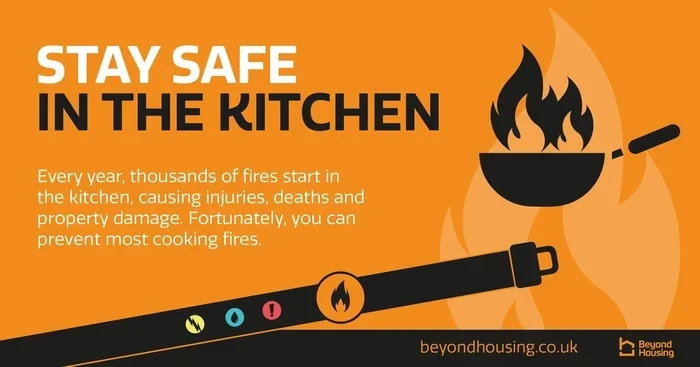
Knowing how to stop a kitchen fire can mean the difference between a minor incident and a devastating home disaster. This guide covers practical kitchen fire safety tips, prevention methods, and step-by-step emergency response techniques every homeowner should know. From grease fire handling to fire extinguisher basics, you will learn exactly what to do when things heat up in your kitchen.
Cooking is one of the most enjoyable parts of daily life. But it also comes with real risks. Every year, thousands of house fires start in the kitchen. The good news is that most of them are preventable. And if a fire does break out, knowing the right response can save lives. This guide will walk you through everything you need to know about how to stop a kitchen fire and keep your family safe.
Whether you are a seasoned cook or someone who just started experimenting in the kitchen, fire safety matters. A small flame can turn into a full-blown fire in seconds. The kitchen fire safety tips in this article are simple, practical, and easy to follow. You do not need to be an expert to protect your home. You just need the right knowledge and a little preparation.
We will cover the different types of kitchen fires, how to prevent them, what to do when one starts, and the safety equipment you should have on hand. By the end of this guide, you will feel more confident and prepared. Let us dive in.
Key Takeaways
- Never use water on a grease fire: It can cause the flames to spread dangerously.
- Keep a fire extinguisher nearby: A Class K or Class B extinguisher is essential for kitchen fires.
- Turn off the heat source first: This simple step can stop a fire from growing.
- Install smoke alarms in the kitchen: Early detection gives you critical extra seconds to respond.
- Keep flammable items away from the stove: Towels, paper, and curtains are common fire starters.
- Have a family fire escape plan: Everyone in your home should know what to do during a fire.
📑 Table of Contents
Understanding the Different Types of Kitchen Fires
Not all kitchen fires are the same. Each type requires a different approach. Before you can stop a kitchen fire, you need to understand what caused it. Here are the most common types of kitchen fires you should know about.
Grease Fires: The Most Dangerous Kitchen Threat
Grease fires are the most common and the most dangerous type of kitchen fire. They happen when cooking oil or fat gets hot enough to ignite. This usually occurs when you are frying or sautéing. The temperature of most cooking oils exceeds 600 degrees Fahrenheit before you even notice. At that point, the oil can burst into flames.
Grease fires are especially tricky because water makes them worse. If you throw water on a grease fire, it can cause a violent explosion of flames. The water instantly turns to steam and sends burning oil flying everywhere. This is why understanding grease fire safety is so important.
Grease fires often start when you leave a hot pan unattended. They can also happen when you put wet food into hot oil. Water droplets hitting hot oil cause splattering and can ignite a fire instantly. Always dry your food thoroughly before placing it in hot oil.
Electrical Fires and Appliance Hazards
Electrical fires are another serious kitchen hazard. These fires can start in your toaster, microwave, dishwasher, or any appliance with an electrical connection. Old wiring, frayed cords, and overloaded outlets all increase the risk. If you notice a burning smell coming from an appliance, turn it off immediately and unplug it.
Electrical fire safety starts with simple maintenance. Check your appliance cords regularly. Replace anything that looks damaged. Do not run cords under rugs or near hot surfaces. Also, avoid plugging too many appliances into one outlet. A home fire safety routine includes regular checks of your kitchen appliances.
Oven and Microwave Fires
Oven fires happen when food or grease builds up inside and catches fire. Microwave fires can occur when you heat something that should not go in a microwave, like aluminum foil. In both cases, the first step is the same: keep the door closed and turn off the heat source. Cutting off the oxygen supply can help smother the flames.
Never open an oven door if you see flames inside. Doing so feeds the fire with oxygen and can make it much worse. For microwave fires, keep the door shut and unplug the unit if it is safe to do so. Let the fire die out on its own. Then have the appliance inspected before using it again.
How to Prevent Kitchen Fires Before They Start
Prevention is always better than reaction. Taking a few simple steps can dramatically reduce your risk of a cooking fire prevention situation. Here are the most effective ways to keep your kitchen safe.
Smart Cooking Habits That Reduce Risk
The number one cause of kitchen fires is unattended cooking. If you are frying, grilling, or broiling food, stay in the kitchen. Do not leave the stove on when you step away, even for a few minutes. A fire can start and spread in less than thirty seconds.
When you are cooking, stay alert. Do not cook when you are overly tired, intoxicated, or distracted. Many people leave the kitchen to answer the phone or watch television and come back to a disaster. If you must leave, turn off the burner first.
Keep pot handles turned inward on the stove. This prevents accidental bumps and spills. Children and pets should stay at least three feet away from the stove. A simple burn prevention rule is to create a kid-free zone around your cooking area.
Also, be mindful of what you wear. Loose sleeves, dangling jewelry, and long scarves can catch fire or catch on pot handles. Wear snug-fitting clothing when you cook. This small habit can make a big difference in kitchen accident prevention.
Keeping Your Kitchen Clean and Clutter-Free
A cluttered kitchen is a fire hazard waiting to happen. Grease buildup on stovetops, ovens, and range hoods is highly flammable. Regular cleaning can remove this dangerous residue. Wipe down surfaces after every cooking session. Do a deep clean of your oven and range hood at least once a month.
Keep flammable items away from the stove. This includes dish towels, paper towels, wooden utensils, food packaging, and curtains. These items can ignite in seconds if they get too close to a flame or a hot burner. Store them in a different area of the kitchen.
If you enjoy cooking with oil, be extra careful. Use a deep, heavy pot when frying. Never fill the pot more than one-third full of oil. Heat the oil slowly and watch it closely. A cooking oil fire can happen in an instant if the oil overheats.
For those who love prepping meals ahead of time, recipes like Greek Salad In A Jar are great because they require minimal stovetop work. But even when you are making no-cook meals, stay aware of what is happening around your kitchen burners and outlets.
Step-by-Step: How to Stop a Kitchen Fire Safely
If a fire does start in your kitchen, your response matters. Acting quickly and correctly can stop a small fire from becoming a big one. Here is exactly what to do in different fire scenarios.
The Immediate Actions to Take
First and most importantly, stay calm. Panic leads to bad decisions. Take a deep breath and assess the situation. Then follow these steps based on the type of fire you are dealing with.
For a small grease fire on the stovetop, slide a metal lid or baking sheet over the pan. This cuts off the oxygen and smothers the flames. Do not move the pan outside. Carrying a burning pan can spread the fire and cause serious burns. Leave the lid in place until the pan is completely cool.
For an oven fire, keep the oven door closed and turn off the oven. The lack of oxygen will help extinguish the flames. Do not open the door until the oven has cooled completely.
If you have a fire extinguisher rated for kitchen use, aim it at the base of the fire, not the flames. Sweep from side to side. Always make sure you have a clear exit behind you. If the fire does not go out immediately, leave and call emergency services.
What Never to Do During a Kitchen Fire
There are some actions that can make a kitchen fire much worse. Never throw water on a grease fire. It will cause the fire to explode and spread rapidly. Never try to carry a burning pan outside. You risk spilling burning oil on yourself or spreading the fire through your home.
Do not use a wet towel to smother a grease fire. The water in the towel can cause the same reaction as pouring water directly on the fire. Do not fan the flames with a towel or magazine. This gives the fire more oxygen and makes it burn hotter.
Another common mistake is ignoring a fire because it seems small. Even a tiny flame can grow out of control in seconds. If you cannot put it out within a few seconds, evacuate and call for help. Your safety always comes first.
When summer gets hot, you might be making refreshing treats like Frozen Watermelon On A Stick for the kids. These no-cook snacks are wonderful for keeping everyone cool. But even during no-cook prep, stay aware of hot appliances and open flames in the kitchen.
Essential Kitchen Fire Safety Equipment
Having the right equipment in your kitchen can make all the difference. Prevention and response go hand in hand when it comes to fire safety equipment. Here is what every kitchen should have.
Fire Extinguishers: Which One Do You Need?
Not all fire extinguishers are the same. Different extinguishers are designed for different types of fires. For a kitchen, you need a Class K extinguisher or a Class B extinguisher. Class K extinguishers are specifically designed for cooking oil and grease fires. They use a special potassium-based agent that creates a soapy foam over the burning oil.
A Class B extinguisher works on flammable liquids like oil and gasoline. It is a good all-around option for kitchens. Place your extinguisher within easy reach, ideally near the exit and away from the stove. Check the pressure gauge monthly and replace the extinguisher if it has been used or is past its expiration date.
Every adult in the household should know how to use a fire extinguisher. Remember the acronym P.A.S.S.: Pull the pin, Aim at the base of the fire, Squeeze the handle, and Sweep from side to side. Practice this mentally so you can act quickly under pressure.
Fire Blankets and Other Helpful Tools
A fire blanket is a simple but highly effective tool. It is made of fire-resistant material that smothers flames by cutting off oxygen. You can drape it over a person whose clothes are on fire or over a small grease fire. Fire blankets are inexpensive and easy to store in a kitchen drawer.
Smoke detectors are another essential piece of household fire safety equipment. Install smoke alarms in or near the kitchen, in every bedroom, and on every floor of your home. Test them monthly and replace the batteries twice a year. A working smoke alarm can give you the extra time you need to escape safely.
Keep a fire escape ladder in upper-floor rooms if your home has multiple levels. Have a first aid kit stocked with burn treatment supplies. These small investments can protect your family in a big way.
Building a Family Fire Safety Plan
A fire safety plan is not just for schools and offices. Every home needs one. Your family should know exactly what to do if a fire breaks out. A well-practiced plan can save lives.
Start by drawing a floor plan of your home. Mark two exits from every room. Identify a meeting spot outside, such as a mailbox, a tree, or a neighbor’s driveway. Make sure everyone in the family knows the meeting spot and understands to gather there after escaping.
Teach children how to crawl low under smoke. Explain that they should never hide during a fire. Practice feeling doors for heat before opening them. If a door feels hot, use the second exit. Role-play the escape plan regularly so it becomes second nature.
Post your fire escape plan on the refrigerator or a bulletin board where everyone can see it. Update it whenever you rearrange your furniture or add new rooms to your home. A good fire escape plan is a living document that grows with your family.
Make sure everyone knows how to call emergency services. Teach children their full address and how to dial 911 or your local emergency number. Practice these conversations so they feel comfortable doing it under stress.
Common Kitchen Fire Myths Debunked
There is a lot of bad advice floating around about kitchen fires. Let us clear up some of the most dangerous myths.
Myth 1: You should always use water to put out any fire. This is flat-out wrong for grease fires. Water and burning oil do not mix. The result is an explosive spread of flames. Always use a lid, a fire blanket, or a Class K extinguisher for grease fires.
Myth 2: A small fire is not worth calling the fire department. Even a small fire can become uncontrollable in seconds. If you have any doubt, get out and call for help. It is always better to be safe than sorry. Firefighters would rather respond to a false alarm than arrive too late.
Myth 3: You can move a burning pan outside. This is extremely dangerous. A burning pan is heavy and unpredictable. You can trip, spill burning oil, and spread the fire to your body or other parts of the house. Leave the pan where it is and smother it with a lid.
Myth 4: Fire extinguishers last forever. Fire extinguishers have expiration dates. The pressurized contents can lose effectiveness over time. Check the label on your extinguisher and replace it as needed. A expired extinguisher may not work when you need it most.
Myth 5: You only need one smoke alarm for the whole house. Every level of your home needs its own smoke alarm, and each bedroom should have one too. A single alarm cannot protect your entire family. Multiple alarms give you the best chance of early detection.
What to Do After a Kitchen Fire
Once the fire is out or you have safely evacuated, there are still important steps to take. Your safety comes first. Do not go back into a burning or smoke-damaged building until authorities say it is safe.
After the fire is extinguished, ventilate the area by opening windows. Smoke and soot can cause health problems even after the flames are gone. If the fire was small and contained, you can begin cleanup. But if there was any structural damage, contact a professional restoration company.
Document the damage with photos and videos for your insurance claim. Contact your insurance provider as soon as possible. Keep records of all expenses related to the fire, including temporary housing if needed.
Most importantly, reflect on what happened. Ask yourself what caused the fire and how you can prevent it in the future. This emergency response reflection can help you build better habits and stronger safety measures for your household.
Finally, share what you have learned with your neighbors and friends. Fire safety knowledge is contagious. When more people understand how to stop a kitchen fire and prevent one, entire communities become safer.
Conclusion
How to stop a kitchen fire is a question that every homeowner and renter should know the answer to. The steps are simple but they must be practiced and remembered before an emergency happens. Prevention starts with smart cooking habits, clean surfaces, and proper storage of flammable materials.
When a fire does start, your response matters just as much. Smother grease fires with a lid, never use water, and keep a fire extinguisher within reach. A well-planned fire escape plan ensures that your entire family knows what to do and where to go.
Take action today. Check your smoke alarms, review your fire extinguisher, and practice your escape plan with your family. These small steps can make a life-saving difference. Your kitchen is the heart of your home. Keep it safe, keep it fire-ready, and keep your family protected.
Frequently Asked Questions
What is the first thing you should do if a kitchen fire starts?
The first thing to do is stay calm and assess the situation. If the fire is small and contained, try to smother it with a metal lid or fire blanket. If it is growing quickly, turn off the heat source, leave the kitchen, close the door behind you, and call emergency services immediately.
Can you use a fire extinguisher on a grease fire?
Yes, but only if it is rated for grease fires. A Class K or Class B extinguisher works on grease and cooking oil fires. Never use a Class A extinguisher on a grease fire, as it is designed for ordinary combustibles like paper and wood, not burning oil.
How do you prevent grease fires when frying?
Always dry food completely before putting it in hot oil. Use a deep, heavy pot and never fill it more than one-third full of oil. Heat the oil slowly and monitor its temperature with a thermometer. Never leave a hot pan unattended, and keep a metal lid nearby to smother any flames that may start.
Should you open a window during a kitchen fire?
No, opening a window feeds the fire more oxygen and can make it spread faster. Keep windows closed during a fire and only open them after the fire is completely out to ventilate the smoke. Your priority should be containing the fire and getting yourself and your family to safety.
How often should you check your kitchen fire extinguisher?
Check the pressure gauge on your fire extinguisher monthly to make sure it is in the green zone. Inspect the hose and nozzle for damage. Have a professional service your extinguisher annually, and replace it if it has been discharged or is past its expiration date, which is typically five to fifteen years from the manufacture date.
What should be in a kitchen fire safety kit?
A kitchen fire safety kit should include a Class K fire extinguisher, a fire blanket, a smoke alarm, a first aid kit with burn treatment supplies, and a flashlight. Keep all items in an easily accessible location near the kitchen exit. Review the kit contents every six months and replace any expired or used items.
=== CONCLUSION ===
How to stop a kitchen fire is knowledge that everyone in your household should have. From understanding the different types of fires to having the right safety equipment and a practiced escape plan, every step you take makes your home safer. Kitchen fire safety is not something you should put off. Start today by checking your smoke alarms, reviewing your extinguisher, and talking with your family about what to do in an emergency.
Small actions lead to big protections. A metal lid on the stove, a working smoke detector, and a clear escape plan can all save lives. Stay alert, stay prepared, and keep your kitchen a safe place for cooking and creating memories with your family.