Is a kitchen exhaust fan required by building code? The short answer is: it depends on your location, kitchen size, and local regulations. Most residential building codes strongly recommend or require a kitchen exhaust fan or range hood to ensure proper indoor air quality, fire safety, and moisture control. In this guide, we break down the building code requirements, explain when a fan is mandatory, and help you choose the right exhaust system for your home.
Key Takeaways
- Building codes vary by location: Some areas mandate a kitchen exhaust fan, while others make it optional based on kitchen size and fuel type.
- Fire safety is a top priority: Codes often require exhaust fans to remove cooking fumes and reduce grease buildup that can cause fires.
- Indoor air quality matters: A proper exhaust system removes smoke, odors, and moisture, keeping your kitchen healthy and comfortable.
- Not all kitchens need a fan: Small kitchens, electric stoves, or kitchens with open windows may qualify for exemptions under certain building regulations.
- Choose the right fan for your needs: Consider ductwork, CFM ratings, and energy efficiency when selecting a range hood.
- Always check with your local building authority: They have the final say on what ventilation standards apply to your home.
📑 Table of Contents
Is a Kitchen Exhaust Fan Required by Building Code?
If you are planning a kitchen remodel or building a new home, one question keeps popping up: do you really need a kitchen exhaust fan? The answer is not as simple as yes or no. Building code requirements for kitchen ventilation depend on where you live, what type of stove you use, and how your kitchen is laid out.
Most residential building codes across the United States include provisions for kitchen ventilation. The International Residential Code (IRC) sets a baseline that many local governments adopt or adapt. But here is the thing — adoption varies widely. Some states and municipalities enforce the code to the letter, while others take a more flexible approach.
So why does this matter? A kitchen exhaust fan does more than just remove smoke. It improves indoor air quality, reduces grease buildup, controls moisture, and can even help with energy efficiency. Whether it is legally required or not, installing one is almost always a smart move for any kitchen.
In this article, we will walk through the building code requirements step by step. We will look at when a fan is mandatory, when it is not, and how to pick the right exhaust system for your space. By the end, you will have a clear picture of what you need and why it matters.
What the International Residential Code Says
The International Residential Code (IRC) is the most widely used set of building regulations in the US. It provides a framework that local governments can adopt as-is or modify. When it comes to kitchen ventilation, the IRC has specific language about exhaust fans and range hoods.
According to the IRC, kitchens that have fuel-burning appliances need a means of ventilation. This typically means a range hood or exhaust fan that vents to the outside. The code also addresses make-up air — the fresh air that replaces the air being exhausted. Without proper make-up air, your exhaust system can create negative pressure in the home, which leads to all sorts of problems.
For kitchens with electric stoves, the requirements are sometimes less strict. But even then, many building officials still recommend or require a kitchen exhaust fan for moisture control and smoke and odor removal. The key takeaway is that the IRC sets a floor, not a ceiling. Your local code may go above and beyond these minimums.
Why Kitchen Ventilation Matters
Even if your local code does not strictly require a kitchen exhaust fan, ventilation is essential for a healthy and functional kitchen. Let us look at the main reasons why kitchen ventilation deserves your attention.
Fire Safety and Grease Control
Cooking produces grease particles that float into the air and settle on surfaces. Over time, this grease buildup can become a serious fire hazard. A kitchen exhaust fan captures these particles before they spread through your home.
According to the National Fire Protection Association (NFPA), cooking equipment is the leading cause of home fires in the US. A properly installed exhaust system can significantly reduce this risk by removing smoke and grease from the air. This is one of the main reasons fire safety codes often include ventilation requirements.
Some jurisdictions also require a fire suppression system in commercial kitchens, but residential codes focus more on exhaust fans and range hoods as the primary defense against grease-related fires.
Indoor Air Quality and Health
When you cook, you release more than just smoke. Cooking fumes contain volatile organic compounds (VOCs), particulate matter, and even carbon monoxide in some cases. Without a kitchen exhaust fan, these pollutants linger in your kitchen and spread to other rooms.
Good indoor air quality is especially important for people with asthma, allergies, or other respiratory conditions. A range hood that vents to the outside is far more effective than a recirculating model because it expels contaminants entirely rather than filtering them and blowing them back into the room.
If you love cooking with strong flavors — think garlic, spices, or fish — you already know how quickly odors can take over a kitchen. A kitchen exhaust fan handles this efficiently, keeping your home smelling fresh.
Moisture Control and Preventing Mold
Boiling water, steaming vegetables, and running a dishwasher all add moisture to the air. Without proper ventilation, this moisture can condense on windows, walls, and ceilings. Over time, it creates the perfect environment for mold and mildew to grow.
A kitchen exhaust fan pulls this moist air outside, helping to maintain healthy humidity levels. This protects your walls, cabinets, and flooring from water damage. It also contributes to the overall energy efficiency of your home by reducing the workload on your HVAC system.
Common Building Code Requirements for Exhaust Fans
Now that we understand why kitchen ventilation matters, let us look at the specific building code requirements you are likely to encounter.
Minimum CFM Ratings
CFM stands for cubic feet per minute, and it measures how much air a fan can move. Most building codes specify a minimum CFM rating based on your kitchen size. A common rule of thumb is 100 CFM for every linear foot of range or cooktop. For a standard 30-inch range, that means a fan rated at least 300 CFM.
However, some codes and manufacturers recommend higher ratings for better performance. If you do heavy cooking, wok cooking, or frequently cook for large groups, you may want a fan rated at 400 to 600 CFM or more. Always check with your local building authority to confirm the exact requirements in your area.
Ductwork and Venting Requirements
The IRC generally requires that kitchen exhaust fans vent to the outside. Recirculating range hoods that filter air and push it back into the kitchen do not meet most code requirements for new construction or major renovations.
The ductwork must be properly sized and routed. Flexible ducts are sometimes allowed, but rigid metal ducts are preferred for better airflow and durability. The duct run should be as short and straight as possible, with minimal bends, to maintain strong exhaust performance.
Here are some key ductwork requirements to keep in mind:
- Duct diameter should match the fan manufacturer’s specifications, typically 4 to 6 inches for residential fans.
- All joints and connections must be sealed with metal tape or mastic to prevent air leaks.
- The exhaust vent should terminate outdoors with a backdraft damper to prevent outside air from flowing back in.
- Ductwork should not pass through attics or crawlspaces unless properly insulated and supported.
Make-Up Air Requirements
When a kitchen exhaust fan removes air from your kitchen, it creates a pressure difference. Your home needs to replace that air somehow, and this is where make-up air comes in. Without adequate make-up air, your exhaust system can pull conditioned air from other parts of the house, reducing comfort and energy efficiency.
Some building codes require a make-up air system when the exhaust fan moves more than a certain volume of air — often around 400 CFM. This can be as simple as a passive vent or as complex as a ducted system connected to your HVAC. Your contractor or local building official can advise on whether make-up air is needed for your setup.
Electrical and Safety Requirements
Kitchen exhaust fans need a dedicated electrical circuit in many cases. The residential code typically requires GFCI-protected outlets in kitchen areas, and the fan should be connected according to the manufacturer’s instructions.
Some codes also require that the fan be hardwired rather than plugged in, especially for higher-powered models. Always follow the National Electrical Code (NEC) guidelines alongside your local building regulations to ensure safe and compliant installation.
When Is a Kitchen Exhaust Fan Not Required?
Surprisingly, there are situations where a kitchen exhaust fan may not be strictly required by code. Understanding these exceptions can help you plan your kitchen remodel more effectively.
Small Kitchens and Limited Cooking
In very small kitchens or kitchens where cooking is minimal, some local codes may not require a dedicated exhaust fan. If your kitchen is under a certain square footage and you use an electric cooktop, you might get by with natural ventilation from a window or a range hood without external venting.
That said, even in these cases, installing a basic kitchen exhaust fan is still a wise choice. The benefits for indoor air quality and moisture control apply to every kitchen, regardless of size.
Open Floor Plans and Alternative Ventilation
Homes with open floor plans sometimes allow for alternative ventilation strategies. For example, if your kitchen flows directly into a living area with good airflow, a range hood that recirculates air through a carbon filter might be acceptable in some jurisdictions.
However, recirculating hoods are generally less effective than ducted systems. They do not remove grease, moisture, or combustion byproducts as thoroughly. If you go this route, be sure to clean or replace the filters regularly to maintain air quality.
Cooking with Fresh Ingredients
When you cook fresh, simple meals — like assembling a Greek Salad In A Jar for a quick lunch or making Frozen Watermelon On A Stick for a summer treat — your kitchen generates far less heat, smoke, and grease compared to high-heat cooking methods. These light cooking activities may not produce enough fumes to trigger building code requirements for a dedicated exhaust fan in some jurisdictions.
That said, even light cooking releases some moisture and odors. A small kitchen exhaust fan or a simple range hood can still improve comfort and keep your kitchen fresh, especially during warmer months when moisture control becomes more challenging.
How to Choose the Right Kitchen Exhaust Fan
If you have decided that a kitchen exhaust fan is the right choice for your home, the next step is picking the right one. Here is a practical guide to help you make the best decision.
Types of Kitchen Exhaust Fans
Not all exhaust fans are created equal. Here are the most common types you will encounter:
- Under-cabinet range hoods: These mount under your upper cabinets and are the most popular choice for residential kitchens. They come in electric and ducted models.
- Island hoods: Designed for kitchens with a center island, these hang from the ceiling and vent downward. They are visually striking and highly effective.
- Wall-mounted hoods: These mount directly above the stove on the wall. They are a great option for galley kitchens or spaces where cabinet-mounted hoods are not feasible.
- Downdraft vents: These retract into the countertop when not in use. They are a sleek, space-saving option but generally less powerful than other types.
- Window-mounted fans: A budget-friendly option that sits in a kitchen window. These are not as effective as ducted systems but can work in a pinch.
CFM, Sound Levels, and Energy Efficiency
When comparing range hoods, pay attention to three key factors:
- CFM (Cubic Feet per Minute): This tells you how much air the fan moves. Higher CFM means stronger extraction, but it also means more noise and energy use. Match the CFM to your cooking habits and kitchen size.
- Noise Level (Sones): Measured in sones, this tells you how loud the fan is. Lower is better. Look for fans rated at 4 sones or less for comfortable everyday use.
- Energy Efficiency: LED lighting, variable speed settings, and auto-shutoff timers all contribute to long-term energy savings. Some fans also carry Energy Star ratings, which indicate efficient performance.
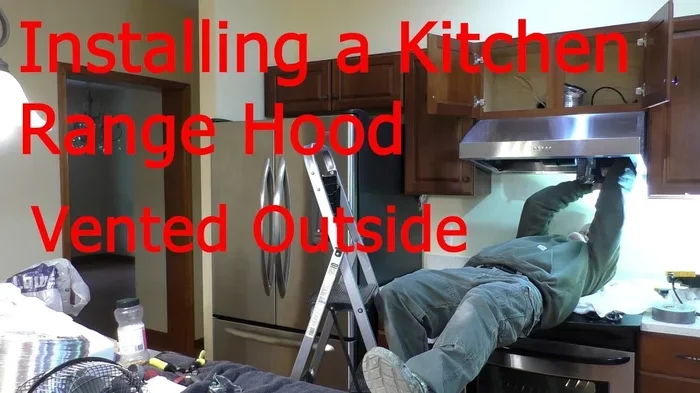
Installation Tips for Compliance
Proper installation is critical for both performance and code compliance. Here are some tips to keep in mind:
- Always hire a licensed electrician or HVAC professional for installation, especially when running new ductwork or electrical circuits.
- Make sure the fan is vented directly to the exterior — not into an attic, soffit, or crawlspace.
- Use rigid or semi-rigid metal ducting for the best airflow and durability.
- Install a backdraft damper at the exterior vent to prevent reverse airflow.
- Test the fan after installation to confirm it is working properly and meeting the required CFM rating.
Common Mistakes to Avoid
Installing a kitchen exhaust fan seems straightforward, but mistakes happen. Here are some common pitfalls to watch out for.
- Undersizing the fan: A fan that is too small will not move enough air to be effective. Always size your fan based on your kitchen dimensions and cooking habits.
- Using flexible ducting for long runs: While flexible ducts are sometimes allowed, they create more resistance and reduce airflow. Use them only for short, straight connections.
- Venting into the attic: This is a code violation in most areas and can lead to moisture damage and mold in your attic space.
- Skipping make-up air: If your exhaust system moves a large volume of air, you need a way to replace it. Skipping make-up air can cause backdrafting of gas appliances and comfort issues throughout the home.
- Ignoring filter maintenance: Grease filters need regular cleaning or replacement. A clogged filter reduces airflow and increases fire risk.
- Choosing a recirculating hood when ducted is required: Always confirm with your local building authority whether recirculating or ducted systems are acceptable for your project.
Final Thoughts
So, is a kitchen exhaust fan required by code? The honest answer is that it depends on your local building code requirements, the type of cooking you do, and the design of your kitchen. In many cases, the code strongly encourages or outright requires one, especially for kitchens with gas stoves or heavy cooking activity.
Even when not legally required, a kitchen exhaust fan is one of the most valuable upgrades you can make. It protects your home from fire hazards, improves indoor air quality, controls moisture, and keeps your kitchen comfortable and pleasant. Whether you are planning a full kitchen remodel or just replacing an old unit, investing in a quality exhaust system pays off for years to come.
The best first step is to contact your local building authority. They can tell you exactly what ventilation standards apply to your project. From there, work with a qualified contractor or HVAC professional to select and install a fan that meets or exceeds those requirements.
Your kitchen is the heart of your home. Keep it safe, clean, and well-ventilated with the right exhaust fan. Your lungs, your walls, and your peace of mind will all thank you.
Frequently Asked Questions
Do all states require a kitchen exhaust fan by code?
No, not all states have the same requirements. The International Residential Code provides a baseline, but individual states and municipalities can adopt, modify, or ignore these guidelines. Always check with your local building authority for the specific building regulations that apply in your area.
Can I use a recirculating range hood instead of a ducted exhaust fan?
In some jurisdictions, recirculating range hoods are allowed, especially for kitchens where ducting to the exterior is not practical. However, most building codes prefer or require ducted systems because they are more effective at removing grease, moisture, and cooking fumes. Check with your local building authority to confirm what is permitted.
What happens if I don’t have a kitchen exhaust fan and the code requires one?
During a home inspection or kitchen remodel, the inspector may flag the absence of a required exhaust fan. This can delay the sale of your home or prevent you from obtaining a certificate of occupancy for a renovation. In rental properties, failing to meet ventilation standards can also lead to code violations and fines.
How loud should a kitchen exhaust fan be?
Most residential range hoods are rated in sones, with lower numbers indicating quieter operation. A fan rated at 3 to 4 sones is generally considered comfortable for everyday use. High-powered fans can exceed 6 sones, which may be noticeable during normal conversation. Look for models with variable speed settings so you can adjust the noise level as needed.
Do electric stoves require a kitchen exhaust fan by code?
The International Residential Code is primarily concerned with fuel-burning appliances when it comes to ventilation requirements. Since electric stoves do not produce combustion byproducts, some codes are less strict about requiring an exhaust fan. However, many local codes still require or recommend one for moisture control and smoke and odor removal, regardless of stove type.
Can I install a kitchen exhaust fan myself?
While it is possible to install a simple range hood yourself if you have basic electrical and carpentry skills, most building codes require that electrical and HVAC work be performed by a licensed professional. Improper installation can lead to code violations, safety hazards, and voided warranties. Always check with your local building authority before attempting a DIY installation.
=== CONCLUSION ===
Understanding whether a kitchen exhaust fan is required by code can feel overwhelming, but it does not have to be. The key is to know your local building code requirements, understand the benefits of proper kitchen ventilation, and work with qualified professionals to ensure a safe and compliant installation.
Whether you are building a new home, tackling a kitchen remodel, or simply upgrading an old range hood, the right exhaust system makes a real difference. It protects your home, improves your health, and makes your kitchen a more enjoyable place to spend time.
Take the time to research your local codes, choose a fan that fits your cooking style, and invest in proper installation. A well-chosen and correctly installed kitchen exhaust fan is one of the best investments you can make in your home.