
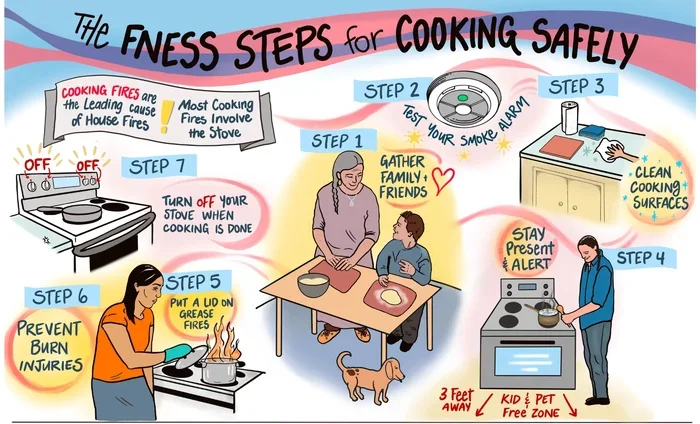
Knowing the right kitchen safety rules can save lives and prevent common home cooking injuries. From proper knife handling to fire prevention, these essential kitchen safety tips cover everything you need to stay safe while cooking. Whether you are a beginner or a seasoned home cook, following these food safety guidelines will protect your kitchen and everyone in it.
Key Takeaways
- Knife Safety is Critical: Always use sharp knives and proper cutting techniques to prevent cuts and injuries in the kitchen.
- Fire Prevention Saves Lives: Keep a fire extinguisher handy, never leave cooking unattended, and know how to handle grease fires safely.
- Cross-Contamination Causes Illness: Separate raw meats from other foods, wash hands frequently, and use different cutting boards for different food types.
- Children Need Supervision: Kids should never be left alone in the kitchen, and hot items should always be kept out of their reach.
- Emergency Preparedness Matters: Keep a first aid kit nearby and know basic burn and cut treatment steps before accidents happen.
- Cleanliness Prevents Problems: Regularly sanitize surfaces, wash produce thoroughly, and store food at safe temperatures to avoid foodborne illness.
- Electrical Safety is Overlooked: Keep cords away from water and heat sources, and never use electrical appliances with wet hands.
📑 Table of Contents
- Why Kitchen Safety Rules Matter
- Knife Safety and Handling
- Fire Safety and Prevention
- Food Handling and Cross-Contamination
- Child and Pet Safety in the Kitchen
- Electrical and Slip-and-Fall Safety
- Emergency Preparedness and First Aid
- Quick Tips for Everyday Kitchen Safety
- Common Mistakes Home Cooks Make
- Expert Insights on Kitchen Safety
Why Kitchen Safety Rules Matter
Cooking is one of the most enjoyable daily activities. But it also comes with real risks. Every year, thousands of people visit emergency rooms because of kitchen accidents. Burns, cuts, fires, and food poisoning are all too common. The good news is that most of these incidents are preventable. Kitchen safety rules give you the knowledge to cook with confidence.
You do not need to be a professional to stay safe. Simple habits make a huge difference. When you follow cooking safety guidelines, you protect yourself, your family, and your guests. Think of these rules as your personal safety toolkit. They are easy to learn and even easier to practice every day.
Many people ignore kitchen safety tips because they have never been hurt before. That is a dangerous mindset. Prevention is always better than treatment. A few minutes of preparation can save you from hours of pain or even a hospital visit. Let us dive into the most important food safety guidelines you need to know right now.
The Cost of Ignoring Safety
Kitchen fires are the leading cause of home fires in the United States. According to the National Fire Protection Association, cooking causes nearly half of all reported home fires. That is a staggering number. And it is not just about fires. Slip and fall accidents happen every day in wet kitchens. Burn prevention should be a top priority for every cook.
Foodborne illness affects millions of people each year. The CDC estimates that roughly one in six Americans gets sick from contaminated food annually. Many of these cases happen at home. Safe cooking practices like proper handwashing and correct food storage can dramatically reduce your risk. The investment of learning kitchen safety rules pays off in health and peace of mind.
Knife Safety and Handling
Knives are the most used tool in any kitchen. They are also the most dangerous when handled incorrectly. Knife safety is a cornerstone of all kitchen safety rules. A dull knife is actually more dangerous than a sharp one. It requires more force and is more likely to slip. Keep your knives sharp and always cut away from your body.
Here are some practical knife safety tips you should follow every time you cook:
- Always cut on a stable cutting board. Never cut on a slippery surface.
- Use the right knife for the job. A chef knife handles most tasks, but a paring knife is better for small, precise cuts.
- Never try to catch a falling knife. Step back and let it drop.
- Wash knives by hand. Do not put them in a sink full of soapy water where they can be hidden.
- Store knives in a block or on a magnetic strip. Loose knives in drawers cause accidents.
Proper Cutting Techniques
The way you hold a knife matters just as much as the knife itself. Grip the handle firmly with your dominant hand. Place your thumb and index finger on the blade’s base for control. Your other hand should curl inward in a claw shape, guiding the food while keeping fingertips safe. This claw grip is a fundamental skill taught in every culinary school.
Another key cooking safety habit is to keep your workspace clean. Wipe up crumbs and spills immediately. A cluttered cutting board leads to mistakes. Take your time when chopping. Rushing is one of the top causes of kitchen cuts. Knife safety is not complicated, but it does require focus and discipline.
Fire Safety and Prevention
Fire is the most dangerous hazard in any kitchen. A small flame can become a full-blown fire in seconds. Fire safety in the kitchen should be a non-negotiable part of every cook’s routine. The first rule is simple: never leave a hot stove unattended. If you need to step away, turn off the burner first.
Grease fires are especially terrifying and dangerous. Water will make a grease fire worse. Never throw water on a grease fire. Instead, smother it with a metal lid or use a fire extinguisher rated for grease fires. Keep a kitchen fire extinguisher within arm’s reach at all times. Every household should have one in or near the kitchen.
Preventing Kitchen Fires
Prevention is the best fire safety strategy. Here are steps every home cook should take to reduce fire risk:
- Keep flammable items like towels, paper, and curtains away from the stove.
- Turn pot handles inward so they do not get bumped or pulled over.
- Never leave the kitchen while frying, grilling, or broiling food.
- Clean grease buildup from stovetops and ovens regularly.
- Install a smoke detector in or near the kitchen and test it monthly.
Burn prevention goes hand in hand with fire safety. Use oven mitts when handling hot pans. Do not use wet cloths on hot surfaces. Steam can cause serious burns just as easily as open flames. Always open pot lids away from your face to let steam escape safely. These small safety rules for cooking make a big difference.
What to Do If a Fire Starts
If a small fire breaks out, stay calm. Smother it with a lid or use baking soda for small grease fires. For larger fires, get out and call emergency services immediately. Never use water on a grease fire. Never try to carry a burning pan outside. Your safety comes first. Having a kitchen fire prevention plan in place before an emergency happens is essential.
Food Handling and Cross-Contamination
Foodborne illness is a silent threat in many kitchens. Bacteria like Salmonella and E. coli thrive on improperly handled food. Food handling safety is one of the most overlooked areas of kitchen safety rules. The good news is that proper food handling is simple and effective.
Cross-contamination happens when harmful bacteria spread from one food to another. This is especially common when raw meat touches ready-to-eat foods like salads or bread. Using separate cutting boards for raw meat, vegetables, and cooked foods is one of the best ways to prevent this. Color-coded cutting boards make this easy and fun.
Essential Food Safety Guidelines
Follow these food safety guidelines to keep your kitchen free from harmful bacteria:
- Wash your hands with soap and warm water for at least 20 seconds before and after handling food.
- Rinse all fruits and vegetables under running water before cutting or eating.
- Use a food thermometer to ensure meats reach safe internal temperatures.
- Refrigerate leftovers within two hours of cooking. In hot weather, reduce this to one hour.
- Never defrost food on the counter. Use the refrigerator, cold water, or the microwave instead.
- Clean and sanitize countertops and utensils after preparing raw meat.
Proper food storage safety is just as important as handling. Store raw meat on the lowest shelf of the refrigerator to prevent juices from dripping onto other foods. Keep your refrigerator at 40 degrees Fahrenheit or below. Freezers should be at 0 degrees or lower. These safe cooking practices are easy to adopt and make a lasting impact.
Understanding Food Temperatures
Different foods require different internal temperatures to be safe to eat. Here is a quick reference table for common foods:
| Food | Safe Internal Temperature |
|---|---|
| Chicken and Turkey | 165 degrees Fahrenheit |
| Ground Beef | 160 degrees Fahrenheit |
| Pork | 145 degrees Fahrenheit |
| Fish and Seafood | 145 degrees Fahrenheit |
| Leftovers and Casseroles | 165 degrees Fahrenheit |
Investing in a reliable food thermometer is one of the best decisions you can make. It removes all guesswork from cooking and ensures your meals are both delicious and safe. Food safety guidelines like these are the backbone of every well-run kitchen.
Child and Pet Safety in the Kitchen
If you have children or pets, your kitchen needs extra safety measures. Kids are naturally curious and love to explore. But the kitchen is full of hazards for little ones. Hot stoves, sharp objects, and boiling water all pose serious risks. Establishing clear child safety in the kitchen rules is essential for every family.
Never leave children unattended in the kitchen. Even simple tasks like boiling water can turn dangerous in seconds. Create a kid-free zone around the stove and oven. Use back burners whenever possible and turn pot handles toward the back of the stove. This prevents little hands from grabbing hot handles and pulling pots down.
Teaching Kids Kitchen Safety
Children learn best by example. Teach them kitchen safety rules early and make it fun. Show them how to wash their hands properly before cooking. Let them help with age-appropriate tasks like washing vegetables or stirring cold ingredients. As they grow, gradually introduce them to safe knife use and stove operation under supervision.
Store knives, cleaning supplies, and hot appliances out of children’s reach. Use cabinet locks if needed. Keep a first aid kit in the kitchen that is accessible but stored safely. Teaching kids about kitchen hazards empowers them to make safe choices both in your kitchen and on their own.
Pet Safety Considerations
Dogs and cats are also at risk in the kitchen. Hot stovetops, sharp knives, and toxic foods like chocolate, onions, and garlic can harm pets. Keep pets out of the cooking area during meal preparation. Do not leave food unattended on counters where pets can reach it. Pet safety in the kitchen is an often-forgotten but important part of overall kitchen safety rules.
Electrical and Slip-and-Fall Safety
Two hazards that many people overlook are electrical dangers and slippery floors. Both can lead to serious injuries if not addressed. Electrical safety in the kitchen is simple but critical. Keep all electrical appliances away from water sources. Never operate a toaster, blender, or mixer with wet hands. Unplug small appliances when they are not in use.
Check cords regularly for damage. Frayed or cracked cords are a fire hazard and should be replaced immediately. Do not run cords under rugs or near hot surfaces. Overloaded power strips are another common cause of electrical problems in kitchens. Use one appliance per outlet whenever possible.
Preventing Slips and Falls
Wet floors are a major source of kitchen accidents. Spills happen constantly while cooking. Clean them up immediately to prevent slip and fall prevention issues. Use non-slip mats in front of the sink and stove. Wear shoes with good grip while cooking. These simple steps can save you from a painful fall.
Good lighting also plays a role in kitchen safety. Make sure your kitchen is well-lit so you can see spills, obstacles, and hot surfaces clearly. Keep walkways clear of bags, boxes, and clutter. A clean and organized kitchen is a safe kitchen. Slip and fall prevention is one of the easiest ways to stay injury-free while cooking.
Emergency Preparedness and First Aid
Even with the best kitchen safety rules, accidents can still happen. Being prepared makes all the difference. Every kitchen should have a well-stocked first aid kit within easy reach. It should include bandages, antiseptic wipes, burn cream, and gauze. Know how to treat common kitchen injuries before they happen.
For burns, run cool (not cold) water over the affected area for at least ten minutes. Do not apply butter, oil, or toothpaste to a burn. These old remedies can make things worse. For cuts, apply firm pressure with a clean cloth and elevate the injured area. Seek medical attention for deep cuts or burns that blister or char the skin.
Kitchen first aid knowledge is just as important as having supplies. Take a basic first aid course if you can. Learn the Heimlich maneuver for choking emergencies. Keep emergency numbers posted on the fridge. These preparations give you confidence and could save a life. Emergency preparedness is the final piece of a truly safe kitchen.
Building Your Kitchen First Aid Kit
Here is a quick list of items every kitchen first aid kit should contain:
- Adhesive bandages in various sizes
- Antiseptic wipes and antibiotic ointment
- Burn gel or cream
- Sterile gauze pads and medical tape
- Tweezers for removing splinters
- Instant cold packs
- Disposable gloves
- A copy of emergency contact numbers
Keep this kit in a designated spot that everyone in the household knows about. Check it regularly to replace used or expired items. A prepared kitchen is a safe kitchen. Taking a few minutes to set up your kitchen first aid supplies is one of the best investments you can make for your family’s well-being.
Quick Tips for Everyday Kitchen Safety
Here are some bonus kitchen safety tips to keep in mind every single day you cook:
- Always wear close-fitting clothing while cooking. Loose sleeves can catch fire or get caught in mixer beaters.
- Use timer reminders so you do not forget food on the stove or in the oven.
- Keep a clear path to the exit in case of fire or emergency.
- Wipe up spills immediately to prevent slips and keep your workspace sanitary.
- Never overload electrical outlets with multiple appliances at once.
- Keep a box of baking soda nearby for small grease fires.
- Replace smoke detector batteries twice a year.
- Store cleaning chemicals separately from food items.
- Let hot oil cool before disposing of it properly.
- Teach everyone in the household the basics of kitchen safety rules.
These small habits add up to a safer kitchen environment. Consistency is key. When safe cooking practices become second nature, you cook with more confidence and less worry. Share these tips with friends and family. A safe kitchen benefits everyone.
Common Mistakes Home Cooks Make
Even experienced cooks sometimes make mistakes that compromise kitchen safety rules. Here are the most common ones to avoid:
- Leaving the stove unattended: This is the number one cause of kitchen fires. Always stay in the kitchen when cooking with high heat.
- Using the wrong cutting board: Cutting raw meat on the same board as vegetables spreads bacteria. Always use separate boards.
- Overcrowding the pan: This causes oil to splatter and food to steam instead of fry. Cook in batches for better hot oil safety.
- Ignoring smoke or strange smells: These are warning signs. Investigate immediately and never ignore them.
- Not checking food temperatures: Guessing whether meat is cooked is risky. Always use a thermometer for food storage safety and doneness.
Avoiding these common mistakes keeps you and your family safer. Awareness is the first step toward a safer cooking environment. Share this knowledge with everyone who steps into your kitchen.
Expert Insights on Kitchen Safety
Professional chefs and safety experts agree on one thing: prevention is everything. Chef Maria Torres, a culinary instructor with over 20 years of experience, says, “The best kitchen safety rules are the ones you practice every day without thinking about them. Make safety a habit, not an afterthought.” This mindset shift changes everything.
Fire safety expert David Chen recommends every household install a kitchen fire suppression system. “A small investment in fire safety equipment can protect your home and your family from devastating loss,” he explains. His top tip is simple: “If you have a grease fire, never use water. Smother it or use a fire extinguisher.”
Nutritionist and food safety specialist Dr. Sarah Lin emphasizes the importance of food handling safety. “Most foodborne illness cases at home are preventable,” she says. “Proper handwashing, correct storage temperatures, and avoiding cross-contamination are the three pillars of food safety guidelines that every home cook should follow.”
These expert voices reinforce the importance of taking kitchen safety rules seriously. You do not need to be an expert yourself. Just follow their advice and make safety a daily habit in your kitchen.
Frequently Asked Questions
What are the most important kitchen safety rules for beginners?
Start with the basics: always wash your hands before cooking, keep knives sharp and stored properly, never leave the stove unattended, and use a food thermometer to check meat temperatures. These simple kitchen safety rules form the foundation of a safe cooking environment.
How do I prevent grease fires in the kitchen?
Never pour water on a grease fire. Keep a metal lid nearby to smother small flames, and always have a fire extinguisher in the kitchen. Avoid overheating oil and never leave frying food unattended. Grease fire safety is one of the most critical aspects of fire safety in the kitchen.
What temperature should I store food at to keep it safe?
Keep your refrigerator at 40 degrees Fahrenheit or below and your freezer at 0 degrees or lower. Cook meats to their recommended safe internal temperatures and refrigerate leftovers within two hours. Following these food storage safety guidelines prevents harmful bacteria from growing.
How can I make my kitchen safer for children?
Create a kid-free zone around the stove, turn pot handles inward, store knives and cleaning supplies out of reach, and teach children basic kitchen safety rules from an early age. Supervision is the most important factor in keeping kids safe in the kitchen.
What should be in a kitchen first aid kit?
A well-stocked kit should include adhesive bandages, antiseptic wipes, burn cream, sterile gauze, medical tape, tweezers, instant cold packs, disposable gloves, and emergency contact numbers. Having kitchen first aid supplies ready ensures you can respond quickly to any minor injury.
How often should I check my smoke detector near the kitchen?
Test your smoke detector at least once a month and replace the batteries twice a year. Replace the entire unit every ten years. A working smoke detector is one of the simplest yet most effective kitchen safety tips you can follow.
=== CONCLUSION ===
Kitchen safety rules are not optional. They are essential for every home cook, from the complete beginner to the experienced chef. By following these kitchen safety tips, you create a cooking environment that is both enjoyable and secure. From knife safety to fire prevention, from food handling safety to child safety in the kitchen, every rule plays a vital role.
Remember that burn prevention and slip and fall prevention are just as important as fire safety and food handling. Keep your first aid kit stocked, your smoke detector working, and your kitchen clean and organized. Small habits lead to big results when it comes to staying safe while cooking.
Safe cooking practices should become second nature in your kitchen. Share these kitchen safety rules with everyone in your household and encourage them to follow along. A safe kitchen means more joy, more confidence, and more delicious meals for years to come. Start implementing these essential kitchen safety tips today and cook with peace of mind every single day.

