
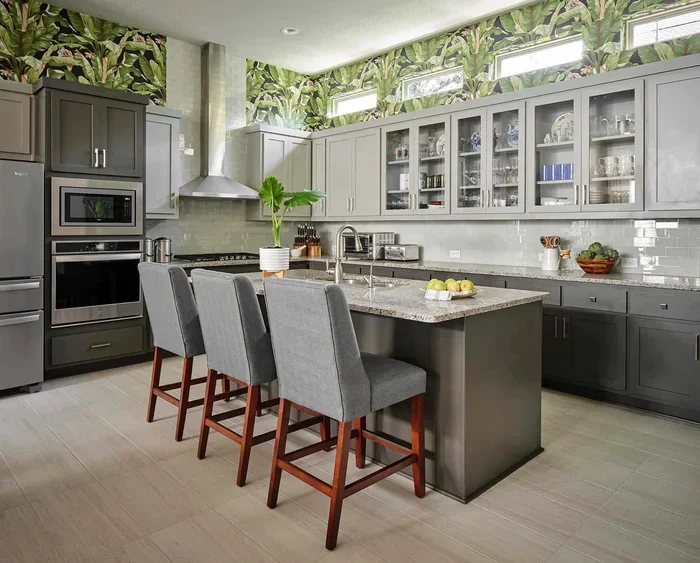
Kitchen wallpaper is a fantastic way to refresh your cooking space without a full renovation. Whether you prefer bold patterns, subtle textures, or vintage charm, the right wallpaper can completely change the feel of your kitchen. In this guide, you will learn about the best designs, types, and installation tips for kitchen wallpaper.
Have you ever walked into a kitchen and felt instantly inspired? The walls around you set the mood for the entire room. That is exactly why kitchen wallpaper has become such a popular choice for homeowners who want a fresh look without the cost of a full remodel. If you have been staring at plain white walls and dreaming of something more, you are in the right place.
Wallpaper for kitchens is no longer just a retro trend. Today, it comes in countless styles, materials, and designs. You can find anything from subtle textures to eye-catching floral patterns. The best part? Many modern options are peel and stick, which means you can change your walls whenever the mood strikes. This guide will walk you through everything you need to know about using wallpaper ideas for kitchen spaces. By the end, you will feel confident enough to start your own kitchen transformation.
Key Takeaways
- Kitchen wallpaper offers an affordable and easy way to update your cooking space.
- Peel and stick options make installation simple and removal hassle-free.
- Choosing the right material is key for durability in a warm, humid kitchen.
- Accent walls and backsplashes are the most popular spots for kitchen wallpaper.
- Bold patterns and vintage designs are trending strongly in kitchen wall decor.
- Proper prep and installation ensure your wallpaper lasts for years.
📑 Table of Contents
- Why Kitchen Wallpaper Is Making a Comeback
- Best Kitchen Wallpaper Ideas and Designs
- Types of Wallpaper That Work in Kitchens
- How to Choose the Right Wallpaper for Your Kitchen
- Installation Tips and Tricks
- Common Mistakes to Avoid
- Comparing Wallpaper to Other Kitchen Wall Options
- Expert Tips for Styling Your Kitchen Wallpaper
- Key Takeaways
- Frequently Asked Questions
- Conclusion
Why Kitchen Wallpaper Is Making a Comeback
Wallpaper had its heyday in the 1970s and 1980s. Back then, it was often associated with busy patterns and outdated styles. But times have changed. Today, kitchen wallpaper has made a strong return, and for good reason. Homeowners are looking for ways to add personality and warmth to their cooking spaces. Wallpaper offers that in spades.
One big reason for the comeback is the rise of peel and stick wallpaper. This product has made installation something anyone can do. You do not need professional help or special tools. Another reason is the variety. Modern wallpaper designs are sleek, stylish, and suited to every taste. Whether your style is mid-century modern, farmhouse chic, or bold and contemporary, there is a kitchen wall paper option for you.
Budget also plays a role. A full kitchen renovation can cost thousands of dollars. Wallpaper, on the other hand, is much more affordable. You can transform a single accent wall for under a hundred dollars. That makes it a go-to choice for renters and homeowners alike. If you are searching for kitchen renovation ideas that are budget-friendly, wallpaper should be at the top of your list.
The Appeal of Accent Walls
Not every wall in your kitchen needs wallpaper. Most people choose one wall as an accent wall. This is the wall behind the stove, the sink, or the kitchen island. An accent wall gives you a focal point that draws the eye. It adds depth and character without overwhelming the space.
Think of your accent wall as a piece of art. It sets the tone for the entire room. You can pair it with simple, neutral cabinets and countertops. The wallpaper becomes the star of the show. This approach works beautifully in both small and large kitchens. It is one of the easiest ways to add kitchen wall decor without going overboard.
Best Kitchen Wallpaper Ideas and Designs
Now that you know why wallpaper is so popular, let us talk about the fun part: the designs. The options are almost endless. Below are some of the most popular wallpaper designs for kitchen spaces that are trending right now.
Floral and Botanical Patterns
Floral wallpaper brings life and softness into a kitchen. It works especially well in cottage-style or farmhouse kitchens. Think of delicate roses, daisies, or leafy greens. These patterns add a warm, inviting feel. They pair beautifully with white or wooden furniture.
If you love the garden look, botanical wallpaper is a wonderful choice. You can find designs that feature herbs like basil, rosemary, and lavender. This adds a subtle kitchen theme without being too literal. It also makes your space feel fresh and organic.
Geometric Patterns
Geometric wallpaper is bold and modern. It uses shapes like triangles, hexagons, and lines to create visual interest. This style works great in contemporary and minimalist kitchens. It adds structure and energy without feeling cluttered.
Many homeowners love geometric wall paper because it is versatile. You can pair it with almost any color scheme. It also works well as a kitchen backsplash wallpaper. The repeating patterns create a sense of order that complements clean lines in modern kitchens.
Vintage and Retro Designs
Vintage wallpaper can make your kitchen feel nostalgic and charming. Think of classic toile patterns, old-fashioned motifs, or Art Deco lines. These designs bring a sense of history and warmth to your space. They are perfect for farmhouse or vintage-inspired kitchens.
Retro wallpaper often features bright colors like turquoise, mustard yellow, and avocado green. These colors instantly transport you back to the 1960s and 70s. If you love retro kitchen wall tiles alternative options, vintage wallpaper is a fantastic substitute for traditional subway tiles.
Textured and Neutral Wallpaper
Not everyone wants bold patterns. Some people prefer a more subtle look. Textured wallpaper can add depth without a lot of color. Grasscloth, linen, and brick textures are popular choices. They give your kitchen a tactile, layered feel.
Neutral wallpaper in shades of white, beige, or gray blends seamlessly with any decor. It is a safe choice if you are unsure about committing to a strong pattern. Neutral kitchen wallpaper also works well in small spaces because it keeps things feeling open and calm.
Types of Wallpaper That Work in Kitchens
Not all wallpaper is created equal. Kitchens have unique challenges like heat, steam, and grease. Choosing the right type of wallpaper for kitchen is essential for long-lasting results. Here are the most common options.
Peel and Stick Wallpaper
Peel and stick wallpaper is the most popular choice for kitchen makeovers. It comes with an adhesive backing that you simply peel off and stick to the wall. No paste, no mess, no tools needed. You can install it in a single afternoon.
This type of wallpaper is also removable. You can peel it off when you are ready for a change. That makes it perfect for renters or anyone who likes to refresh their space often. Peel and stick wallpaper comes in vinyl and fabric finishes, giving you plenty of options.
Vinyl Wallpaper
Vinyl wallpaper is the most durable option for kitchens. It resists moisture, grease, and stains. You can wipe it clean with a damp cloth. This makes it ideal for areas near the stove and sink where splatters are common.
Vinyl kitchen wall paper is available in both solid colors and printed patterns. It can mimic the look of tile, wood, or stone. If you want the appearance of a high-end material without the cost, vinyl wallpaper is a smart pick.
Non-Woven Wallpaper
Non-woven wallpaper is made from a blend of fibers that does not contain paper. This makes it breathable and resistant to tearing. It is also easy to install because you can slide it into place without stretching.
Many people choose non-woven wallpaper for kitchens because it holds up well against humidity. It is also more forgiving than traditional paper wallpaper. If you make a mistake during installation, you can reposition it without damaging the wall.
Fabric Wallpaper
Fabric wallpaper adds a luxurious feel to any kitchen. It comes in materials like linen, cotton, and even silk. The texture is soft and elegant. It works best in kitchens that are not exposed to heavy cooking steam.
Fabric wallpaper is not as easy to clean as vinyl. It may need to be spot-cleaned rather than wiped down. However, many brands now offer fabric wallpaper with a protective coating. This makes it more practical for everyday kitchen use.
How to Choose the Right Wallpaper for Your Kitchen
With so many options available, choosing the right kitchen wallpaper can feel overwhelming. But it does not have to be. A few simple considerations can help you make the best choice for your space.
Consider Your Kitchen Size
The size of your kitchen plays a big role in your wallpaper choice. In a small kitchen, bold patterns can make the space feel cramped. Light colors and subtle designs work better in tight spaces. They help the room feel open and airy.
In a large kitchen, you have more freedom. Bold patterns and dark colors can add warmth and coziness. You can even use wallpaper on multiple walls without overwhelming the space. Think about your kitchen layout before you shop for wallpaper ideas for kitchen inspiration.
Match Your Kitchen Style
Your wallpaper should complement your kitchen style, not clash with it. Here is a quick guide to help you match patterns with kitchen themes.
- Farmhouse: Floral, gingham, or toile patterns in soft pastels.
- Modern: Geometric, abstract, or solid textured wallpaper.
- Retro: Bold geometric shapes, avocado green, and mustard tones.
- Scandinavian: Minimalist designs, neutral colors, and natural textures.
- Coastal: Nautical motifs, light blues, and white and cream stripes.
Think About Light and Color
Light plays a huge role in how wallpaper looks in your kitchen. If your kitchen gets plenty of natural light, you can use darker or bolder colors. If your kitchen is on the darker side, stick with lighter shades. They will reflect light and brighten the room.
Color also affects mood. Cool blues and greens create a calming atmosphere. Warm yellows and oranges add energy and cheerfulness. Neutral tones keep things balanced and timeless. Choose colors that make you feel good when you walk into your kitchen.
Installation Tips and Tricks
Installing kitchen wallpaper is easier than most people think. With the right preparation and a little patience, you can do it yourself. Here are some tips to ensure a smooth installation process.
Prepare Your Walls First
Before you hang any wallpaper, your walls need to be clean and smooth. Remove any dirt, grease, or old adhesive. Fill in any holes or cracks with spackle. Sand the surface lightly so the wallpaper adheres evenly.
Next, apply a primer designed for wallpaper. This helps the adhesive bond properly. It also makes removal easier in the future. Skipping this step can lead to peeling or bubbling later on. Taking the time to prep your walls is one of the most important steps in the process.
Measure and Cut Carefully
Measure your wall height and add a few extra inches on each side. This gives you room to trim the edges. Use a level to mark straight lines on the wall. This ensures your wallpaper goes on evenly and does not hang crooked.
Cut your wallpaper panels according to the measurements. For peel and stick wallpaper, you can cut it after peeling the backing. For traditional wallpaper, measure and cut before applying adhesive. Always double-check your measurements before you make any cuts.
Apply Smoothly and Slowly
Start at the top of the wall and work your way down. Smooth the wallpaper with a plastic spatula or a soft cloth to push out air bubbles. Work from the center outward toward the edges. Take your time and do not rush the process.
If you are using removable wallpaper, you can reposition it if it is not aligned correctly. For traditional wallpaper, use a smoothing brush to press the paper firmly against the wall. Trim any excess with a sharp utility knife. A clean edge makes all the difference in the finished look.
Let It Set Properly
After installation, give your wallpaper time to set. Most types need at least 24 hours to fully adhere. Avoid touching or pressing on the wall during this time. Keep the room at a moderate temperature to help the adhesive cure properly.
Once the wallpaper is set, you can decorate around it. Add shelves, artwork, or kitchen accessories to complement your new kitchen wall paper. The final touches will tie the whole look together and make your kitchen feel complete.
Common Mistakes to Avoid
Even with the best intentions, mistakes can happen when installing kitchen wallpaper. Here are some common pitfalls to watch out for.
- Skipping wall prep. Dirty or uneven walls lead to poor adhesion and bubbling.
- Choosing the wrong material. Not all wallpaper handles kitchen heat and moisture well. Always pick a kitchen-safe option.
- Ignoring the pattern repeat. Some patterns need more wallpaper to align properly. Check the repeat size before buying.
- Stretching the paper. Stretching can cause the wallpaper to shrink or bubble over time. Apply it gently and evenly.
- Forgetting to seal edges. Edges that are not sealed can peel away from steam and humidity. Use a seam roller to press edges firmly.
Avoiding these mistakes will save you time and frustration. It will also help your kitchen wallpaper look beautiful for years to come.
Comparing Wallpaper to Other Kitchen Wall Options
Wallpaper is not the only option for kitchen walls. Let us compare it to a few popular alternatives so you can make an informed decision.
| Feature | Wallpaper | Paint | Tile | Paneling |
|---|---|---|---|---|
| Cost | Low to medium | Low | Medium to high | Medium |
| Installation Difficulty | Easy to moderate | Easy | Difficult | Moderate |
| Durability | High (vinyl) | Medium | Very high | High |
| Design Variety | Very high | High | Medium | Low |
| Moisture Resistance | Good (vinyl/removable) | Low | Very high | Medium |
| Ease of Change | Very easy (peel and stick) | Easy | Difficult | Moderate |
As you can see, kitchen wallpaper offers a great balance of design variety, cost, and ease of installation. It is especially appealing if you want to change your kitchen look without a major investment. Paint is the cheapest option, but it lacks the texture and pattern that wallpaper provides. Tile is durable but expensive and hard to install. Paneling adds warmth but can feel bulky in small kitchens.
Expert Tips for Styling Your Kitchen Wallpaper
Once your wallpaper is up, the next step is styling the rest of the kitchen. The right accessories and furniture choices can make your wallpaper shine. Here are some expert tips to help you create a cohesive look.
Start with your countertops and backsplash. If your wallpaper has a bold pattern, keep countertops simple. A plain quartz or marble countertop balances out busy wallpaper designs. If your wallpaper is subtle, you can be bolder with countertop materials.
Next, consider your cabinet hardware. Brushed brass, matte black, or chrome handles all work well with different wallpaper styles. The hardware should complement the wallpaper, not compete with it. Kitchen wall decor items like open shelving, hanging plants, and framed art also add to the overall feel.
Lighting matters too. Warm pendant lights or under-cabinet lighting can highlight your wallpaper beautifully. It creates shadows and depth that make the pattern more interesting. Use lighting to draw attention to your accent wall and make it a true focal point.
Key Takeaways
- Kitchen wallpaper is a cost-effective way to completely change the look of your cooking space.
- Peel and stick options make it easy to install and remove without damaging walls.
- Choose materials like vinyl or non-woven that can handle kitchen heat and moisture.
- Floral, geometric, vintage, and textured designs are among the most popular choices.
- Always prep your walls properly before installation for the best results.
- Match your wallpaper to your kitchen style and size for a cohesive look.
- Avoid common mistakes like skipping wall prep or choosing the wrong material.
Frequently Asked Questions
Is kitchen wallpaper easy to install?
Yes, most modern kitchen wallpaper options are designed for easy DIY installation. Peel and stick wallpaper is the simplest to work with. You just peel off the backing and press it onto the wall. Traditional wallpaper requires adhesive, but the process is still manageable for beginners with a little patience.
Can wallpaper handle kitchen moisture and steam?
It depends on the material. Vinyl and non-woven wallpaper handle moisture well and can be wiped clean. Fabric wallpaper is less resistant to steam and humidity. Always choose a material suited for kitchens if moisture is a concern in your space.
How do I remove kitchen wallpaper without damaging the walls?
Peel and stick wallpaper is designed for easy removal. You simply peel it off gently. For traditional wallpaper, use a steamer or a warm damp cloth to loosen the adhesive. Work slowly to avoid tearing the paper or pulling off drywall. Priming the walls before installation also makes future removal much easier.
What is the best wallpaper for a small kitchen?
For small kitchens, light colors and subtle patterns work best. They keep the space feeling open and bright. Avoid large, bold patterns that can overwhelm a small room. Neutral kitchen wallpaper with a gentle texture is a great choice that adds interest without closing in the space.
How long does kitchen wallpaper last?
With proper installation and the right material, kitchen wallpaper can last anywhere from 5 to 15 years. Vinyl and non-woven options tend to last the longest. Peel and stick wallpaper may need replacement sooner, especially in high-moisture areas. Keeping the walls clean and avoiding excess steam helps extend the lifespan.
Can I use wallpaper as a kitchen backsplash alternative?
Absolutely. Kitchen backsplash wallpaper is a creative and affordable alternative to traditional tile. Vinyl and ceramic-look wallpaper can mimic the appearance of subway tiles or stone without the high cost. Just make sure the wallpaper you choose is rated for moisture and heat exposure near the stove and sink.
Conclusion
Kitchen wallpaper is one of the most versatile and affordable ways to transform your cooking space. Whether you want a bold statement wall or a subtle texture upgrade, there is a design out there for you. From floral patterns to geometric shapes, the options are truly endless. The best part is that you do not need a huge budget or professional help to get started.
Take your time choosing the right material, design, and style for your kitchen. Prepare your walls properly, follow the installation tips, and enjoy the process. A well-chosen wallpaper for kitchen can bring new life to your home and make every meal feel a little more special. So go ahead, pick a design you love, and start your kitchen makeover today. Your dream kitchen is closer than you think.

