
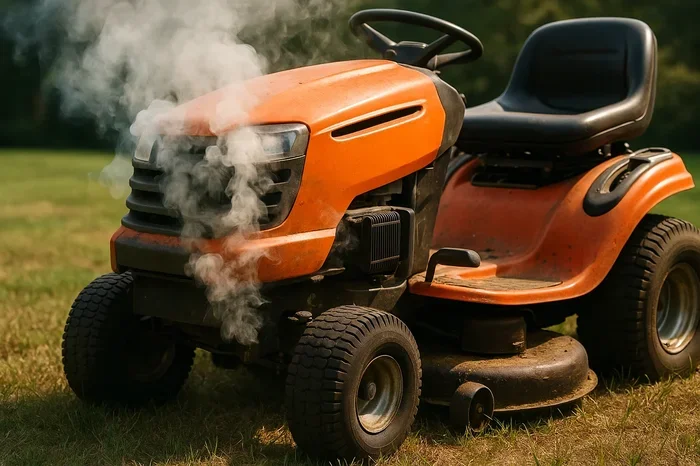
Your lawn mower shutting off when hot is a common but fixable problem. The main culprits include vapor lock, fuel system issues, and cooling blockages that starve your engine of air or fuel. With the right troubleshooting steps, you can get your mower running smoothly again all season long.
Key Takeaways
- Vapor lock is the #1 cause: Fuel vaporizes in the fuel line when the engine gets too hot, cutting off the fuel supply.
- Cooling system blockages matter: Debris, dirt, and grass clippings can block airflow and cause your engine to overheat fast.
- Simple fixes work most of the time: Cleaning the cooling fins, checking the air filter, and inspecting the spark plug often solves the problem.
- Prevention is easier than repair: Regular maintenance like cleaning the deck and checking fuel lines keeps your mower running cool.
- Know when to call a pro: Persistent overheating despite basic fixes may signal a deeper mechanical issue that needs expert attention.
- Fuel quality plays a big role: Old or contaminated fuel can cause stalling and overheating problems you might not expect.
📑 Table of Contents
Why Does Your Lawn Mower Shut Off When Hot?
There is nothing more frustrating than mowing your lawn on a warm day, only to have your machine die mid-job. You push forward, the engine starts sputtering, and then it shuts off completely. You wait a few minutes, try again, and sometimes it starts. Other times, it just refuses. This is what people mean when a lawn mower shuts off when hot.
The good news is that this problem is very common. It also has clear causes and solutions. Most of the time, you do not need to be a mechanic to fix it. A little knowledge and some basic tools can save you a trip to the repair shop. In this guide, we will walk you through every reason your mower might be shutting off when it heats up. We will also give you step-by-step fixes that actually work.
Whether you own a push mower or a riding mower, the overheating problem follows a similar pattern. The engine gets hot, something fails, and the machine stops. Pinpointing which failure point is causing the issue is the first step toward a permanent fix. Let us dig into the details.
The Most Common Causes Behind This Problem
When your lawn mower engine shuts off when hot, the root cause usually falls into one of a few categories. Each cause has its own set of symptoms. Learning to recognize them will help you troubleshoot faster and avoid unnecessary repairs.
Vapor Lock
Vapor lock is the number one reason a mower engine dies from heat. It happens when fuel in the fuel line or carburetor turns into vapor instead of staying liquid. Gasoline is volatile, especially in hot weather. When the temperature rises, the fuel vaporizes and creates air bubbles. These bubbles block the flow of fuel to the engine. Without fuel, the engine stalls and shuts off.
This problem is more common on older mowers with low-pressure fuel systems. It also happens more often on hot, sunny days when the engine bay gets really hot. If your mower runs fine when it is cool but dies after a few minutes of use, vapor lock is very likely the cause.
Blocked Cooling Fins and Airflow
Small engines rely on airflow to stay cool. The cooling fins on the cylinder and engine head pull heat away from the metal. Over time, grass clippings, dirt, and debris build up around these fins. This layer of gunk acts like insulation. It traps heat inside the engine and prevents it from cooling down.
When the engine cannot shed heat fast enough, it overheats. The thermal sensor or heat-activated safety switch then kicks in and shuts the engine off. This is a protective feature. It prevents the engine from warping, cracking, or catching fire. If your mower has a lot of buildup on the cooling fins, this is probably why it keeps cutting out.
Clogged Air Filter
Your engine needs a mix of fuel and air to run properly. When the air filter gets clogged with dirt and debris, the engine starves for oxygen. A rich fuel mixture without enough air causes the engine to run hot. It also causes the engine to lose power and eventually stall.
A dirty air filter is one of the easiest problems to fix, yet it is one of the most overlooked. Many people forget to check the air filter until the mower starts acting up. By that point, the damage from running too lean or too rich has already taken a toll on engine performance.
Faulty Spark Plug
A worn or fouled spark plug can cause your engine to misfire and shut down when it gets hot. Spark plugs wear out over time. The electrode erodes, and the gap widens. When the engine heats up, the already weak spark gets even weaker. It cannot ignite the fuel properly, and the engine dies.
Heat also affects the spark plug in another way. If the plug is the wrong heat range for your engine, it can overheat internally. This causes pre-ignition or detonation, which leads to stalling. A simple spark plug swap can sometimes solve the entire problem.
Fuel Cap Vent Issues
Here is a sneaky cause that many people miss. Your fuel cap has a small vent that allows air into the tank. This vent creates pressure balance so fuel can flow smoothly to the carburetor. When the vent gets clogged, a vacuum forms inside the tank. The fuel cannot move, and the engine starves and shuts off.
The interesting thing about this problem is that it gets worse as the engine heats up. The heat increases the pressure inside the tank, making the vacuum effect stronger. If your mower runs for a while and then dies, try loosening the fuel cap. If the engine starts running again right away, you have found your culprit.
Carburetor Problems
The carburetor mixes fuel and air in the right ratio for combustion. When it gets old or dirty, the small passages inside can become clogged. Heat makes this problem worse. The carburetor bowl expands in the heat, and the fuel mixture becomes inconsistent. The engine runs lean, overheats, and shuts off.
Carburetor issues are common on mowers that have sat for a season or more without proper storage. Old fuel leaves behind varnish and gum deposits that clog the jets and passages. A thorough cleaning or rebuild of the carburetor often fixes the problem.
Step-by-Step Fixes for a Hot Lawn Mower
Now that you know the main causes, let us walk through the fixes. Work through these steps in order. Start with the simplest solutions and move toward the more involved ones. Most of the time, the fix is quick and requires nothing more than basic tools.
Step 1: Let the Engine Cool and Check for Vapor Lock
When your mower shuts off from heat, the first thing to do is let it cool down completely. This usually takes 15 to 30 minutes depending on the temperature. While the engine cools, check the fuel line for any signs of cracking or damage. Old rubber fuel lines are prone to developing tiny cracks that let air in.
Once the engine is cool, try starting it again. If it starts and runs fine at first but dies after a few minutes, vapor lock is likely the issue. To fix this, you can install a heat shield between the engine and the fuel line. A simple piece of reflective tape or a small metal shield can make a big difference. You can also try moving the fuel line away from the engine block where the heat is strongest.
Some people also find success by switching to a fuel with a lower ethanol content. Ethanol attracts moisture and vaporizes more easily than pure gasoline. Using ethanol-free fuel, especially during the hot summer months, can reduce vapor lock problems significantly.
Step 2: Clean the Cooling Fins and Engine Deck
Grab a brush, some compressed air, or a putty knife and get to work on the cooling fins. These are the small metal fins attached to the engine cylinder and head. They are designed to increase the surface area so heat can dissipate into the moving air.
Use a brush or compressed air to blow out all the grass clippings, dirt, and debris stuck between the fins. Be gentle so you do not bend the fins. Bent fins reduce airflow and actually make the cooling problem worse. Work carefully and make sure every fin is clear.
While you are at it, clean out the engine deck underneath the mower. Grass clippings build up there too, and they trap moisture and heat. A clean deck also helps the mower cut better and reduces the load on the engine.
Step 3: Replace or Clean the Air Filter
Take the air filter out and inspect it. If it is a paper filter and it looks dirty or clogged, replace it. Paper air filters are not meant to be cleaned. They are cheap and easy to swap out. If you have a foam air filter, you can wash it with soap and water, let it dry completely, and then oil it before reinstalling.
A clean air filter makes a noticeable difference in engine performance. Your mower will run cooler, have more power, and last longer. This is one of the easiest maintenance tasks you can do, and it should be part of your regular routine.
Step 4: Inspect and Replace the Spark Plug
Remove the spark plug and take a close look at it. Check the electrode for wear, carbon buildup, or corrosion. If the gap is too wide or the electrode is rounded off, it is time for a new spark plug. Check your owner manual for the correct spark plug type and gap specification for your model.
Installing a new spark plug is simple. Hand-thread it in first to avoid cross-threading, then tighten it with a spark plug wrench. Do not overtighten. A properly gapped and clean spark plug ensures a strong, consistent spark even when the engine is hot.
Step 5: Check the Fuel Cap Vent
Remove the fuel cap and look for a small vent hole. If it is clogged with dirt or debris, clean it out with a pin or compressed air. Then try running the mower with the cap loose. If the engine no longer shuts off, you have confirmed the problem.
You can replace the fuel cap if cleaning the vent does not solve the issue. Fuel caps are inexpensive and widely available. Some people simply drill a small vent hole in the cap as a temporary fix, but replacing it with a proper cap is the better long-term solution.
Step 6: Clean or Rebuild the Carburetor
If none of the above steps fixed the problem, the carburetor is likely the issue. Remove the carburetor and disassemble it carefully. Take photos as you go so you can remember how everything fits back together. Soak the carburetor body and all the small parts in carburetor cleaner overnight.
Use compressed air to blow out all the passages and jets. Pay special attention to the idle circuit and the main jet, as these are the most prone to clogging. Replace any gaskets or seals that look worn or damaged. Reassemble everything and reinstall the carburetor.
This fix takes a bit more time and effort, but it solves the majority of persistent overheating and stalling problems. If you are not comfortable doing this yourself, a small engine repair shop can handle it for a reasonable cost.
Preventive Maintenance to Keep Your Mower Running Cool
The best way to deal with a lawn mower that shuts off when hot is to prevent the problem from happening in the first place. Regular maintenance keeps your engine healthy and reduces the chances of overheating.
- Clean the cooling fins after every few uses. A quick brush takes only a minute and prevents buildup.
- Check the air filter monthly during mowing season. Replace it when it looks dirty.
- Use fresh fuel. Old gasoline goes bad in as little as 30 days. Use fuel stabilizer if you store your mower for the off-season.
- Inspect the fuel line and connections regularly. Look for cracks, leaks, or soft spots in the rubber line.
- Keep the spark plug clean and properly gapped. Replace it at least once per season.
- Check the oil level before each use. Low oil causes increased friction and more heat.
- Mow during cooler parts of the day. Early morning or late evening is better for both your mower and your lawn.
- Do not cut the grass too short. Scalping the lawn increases the load on the engine and generates more heat.
Making these habits part of your routine will extend the life of your mower and keep it running strong all season. Prevention is always cheaper and easier than repair.
When to Call a Professional Mechanic
Most overheating problems can be fixed at home with basic tools and a little patience. But there are times when the problem goes beyond what a DIY fix can handle. If you have gone through all the steps above and your mower still shuts off when hot, it is time to call in the experts.
Here are some signs that you need professional help:
- The engine knocks or pings loudly when it runs hot.
- You notice oil leaking from the engine after it heats up.
- The mower shuts off even after a full carburetor cleaning and new spark plug.
- The head gasket may be blown, causing compression loss when the engine is hot.
- The internal engine components are damaged from repeated overheating episodes.
A professional small engine mechanic can run compression tests, check the internal timing, and diagnose problems that are not visible from the outside. Sometimes the repair costs are worth it, especially if the mower is relatively new and in good overall condition.
However, if the repair estimate exceeds the value of the mower, it might be time to invest in a new one. Modern mowers are more efficient and less prone to overheating than older models. If you are in the market for a new mower, look for models with good cooling systems and solid warranty coverage.
Final Thoughts on Fixing a Hot Lawn Mower
A lawn mower that shuts off when hot is almost always a solvable problem. The causes are well understood, and the fixes are straightforward. Start with the simple stuff, like cleaning the cooling fins and checking the air filter. Work your way up to the carburetor and fuel system if needed.
Regular maintenance is your best defense against overheating. A little bit of care goes a long way toward keeping your mower running smoothly for years. Do not ignore the warning signs when the engine starts acting up. The sooner you address the problem, the less damage it will cause.
Now, after all that hard work fixing your mower, you deserve a reward. When the heat gets to you and your mower, sometimes the best thing to do is step away from the yard and enjoy something cold and sweet. If you are in the mood for something delicious, check out these hot honey halloumi bowl recipes that are perfect for a warm day. You might also enjoy these crispy hot honey salmon bites for a quick and tasty meal. And if you want something a little different, try making hot honey chicken tenders that are crispy, sweet, and absolutely irresistible. After all, a little hot honey goes a long way in cooling down a hot day.
Frequently Asked Questions
Why does my lawn mower shut off after running for a few minutes?
This is almost always caused by overheating or a fuel system problem. The most common culprits are vapor lock, a clogged air filter, or blocked cooling fins. When the engine heats up, one of these issues prevents it from getting the fuel or air it needs to keep running. Start by checking the cooling fins and air filter, as these are the easiest fixes.
Can hot weather cause a lawn mower to overheat and stop?
Yes, absolutely. Hot weather puts extra stress on your engine. The ambient temperature makes it harder for the cooling system to dissipate heat. On very hot days, the engine reaches critical temperatures faster and the safety shutoff kicks in. Mowing during the cooler parts of the day, like early morning or late evening, can help reduce this problem.
How do I know if my lawn mower has vapor lock?
Vapor lock causes the engine to stall suddenly after it has been running for a while and heating up. The engine will not restart easily until it cools down. If you notice that your mower runs fine when cold but dies after a few minutes of use on a hot day, vapor lock is very likely the cause. Checking the fuel line position and using ethanol-free fuel can help confirm and fix this issue.
Is it safe to keep mowing if my engine keeps shutting off from heat?
No, it is not safe. Repeated overheating can cause serious internal engine damage, including warped cylinders, blown head gaskets, or cracked engine blocks. Each time the engine shuts off from heat, it is a warning sign. Continuing to push the mower past these warnings will lead to expensive repairs or total engine failure. Stop mowing, let the engine cool, and diagnose the problem before running it again.
How often should I clean my lawn mower cooling fins?
You should clean the cooling fins at least once every month during the mowing season, or more often if you mow in dusty or grassy conditions. Grass clippings and debris build up quickly around the engine, especially on mowers that are used frequently. A quick brushing after each use takes only a few seconds and keeps the airflow unobstructed.
What type of fuel is best for preventing lawn mower overheating?
Fresh, ethanol-free gasoline is the best fuel for preventing overheating issues. Ethanol attracts moisture from the air, which can cause fuel system problems and make the engine run hotter. Always use fuel within 30 days of purchase, and add a fuel stabilizer if you store the mower for the off-season. Using fresh, clean fuel keeps the carburetor clear and the engine running smoothly.

