
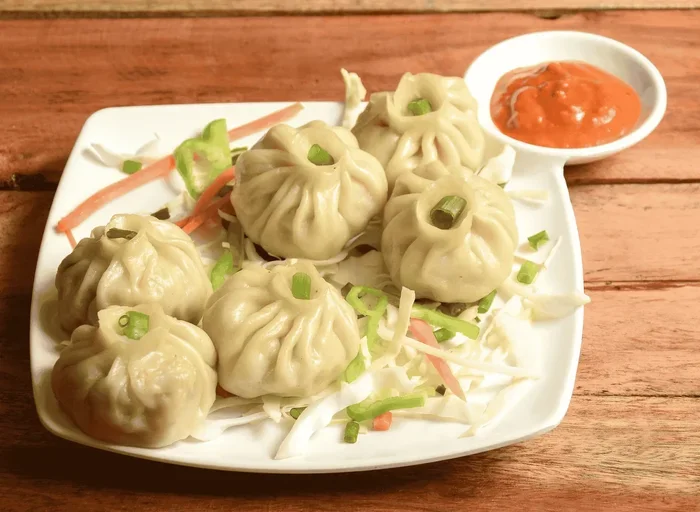
Learn how to build your own Nepali Momo Kitchen at home with our complete guide to authentic dumplings. From dough preparation to steaming techniques, this guide covers everything you need to make perfect chicken momo, vegetable momo, and traditional Nepali dumplings. You will also master dipping sauces, folding methods, and common mistakes to avoid for dumplings that taste just like Kathmandu street food.
There is something magical about a Nepali Momo Kitchen working in your own home. The aroma of steaming dumplings filling the air, the satisfying crunch of the first bite, and the burst of seasoned filling inside — it is an experience that transports you straight to the bustling streets of Kathmandu. If you have ever wondered how to recreate those delicious Nepali dumplings at home, you are in the right place.
This guide is your complete walkthrough for building an authentic Nepali Momo Kitchen experience in your own kitchen. We will cover everything from the basic ingredients and dough preparation to advanced folding techniques and perfect steaming methods. Whether you are a complete beginner or someone who has tried making momos before but struggled with the results, this guide will help you achieve dumplings that are juicy, flavorful, and truly authentic.
We will explore the history behind these beloved dumplings, break down every step of the cooking process, and share tips that Nepali home cooks have used for generations. By the end, you will have the confidence and skills to make authentic Nepali momos that rival any street vendor or restaurant in the Himalayan region. Let us dive in.
Key Takeaways
- Authentic Nepali Momo Kitchen starts with simple ingredients: You do not need fancy equipment to make restaurant-quality dumplings at home.
- Master the dough and filling ratio: Getting the right balance makes all the difference in texture and flavor.
- Steaming is the traditional cooking method: Learn the proper steaming time and technique for perfectly cooked momos every time.
- Try multiple momo varieties: From chicken to vegetable to buff, each type brings unique flavors to your Nepali kitchen.
- The right dipping sauce elevates your momos: Traditional tomato chutney and sesame sauces are essential accompaniments.
- Avoid common folding and dough mistakes: Simple tips will save you from chewy wrappers and leaking dumplings.
📑 Table of Contents
- What Makes a Nepali Momo Kitchen Special
- Essential Ingredients for an Authentic Nepali Momo Kitchen
- Step-by-Step Guide to Making Momos at Home
- Popular Nepali Momo Varieties You Can Try
- Dipping Sauces and Serving Suggestions
- Common Mistakes and How to Avoid Them
- Expert Tips for Leveling Up Your Nepali Momo Kitchen
- Conclusion
What Makes a Nepali Momo Kitchen Special
Before we start cooking, it helps to understand what sets a Nepali Momo Kitchen apart from other dumpling traditions. Momos are not just food in Nepal. They are a cultural staple. You will find them in every corner shop, every family gathering, and every festival celebration across the country.
What makes them unique is the combination of simple techniques and bold flavors. The wrappers are thin and delicate. The fillings are heavily seasoned with Nepali spices like timur (Sichuan pepper), cumin, and garlic. And the steaming process locks in all the moisture, creating that perfect juicy bite every time.
The History Behind Nepali Momos
Momos actually originated from Tibetan cuisine and traveled south into Nepal centuries ago. Over time, Nepali cooks adapted the recipe to their own tastes. They added local spices, changed the fillings, and made the dumplings smaller and more delicate. Today, Nepali dumplings are recognized worldwide as a distinct category of steamed dumplings that differ from Chinese bao or Japanese gyoza.
The beauty of this evolution is that it shows how food travels and transforms. A Nepali Momo Kitchen is really a fusion of Tibetan roots and Nepali creativity. When you make momos at home, you are participating in a culinary tradition that spans generations and borders.
Why Homemade Momos Beat Restaurant Versions
There is a big difference between store-bought frozen momos and fresh ones made in a proper Nepali Momo Kitchen. When you make them yourself, you control every ingredient. You choose the quality of the meat or vegetables. You decide how much spice to add. And you get that perfect wrapper texture that store-bought versions simply cannot match.
Homemade momos also taste fresher. The filling is not sitting in a freezer for weeks. The dough is made minutes before cooking. And there is something deeply satisfying about knowing exactly what went into your food. Once you start making them at home, you will never go back to packaged ones.
Essential Ingredients for an Authentic Nepali Momo Kitchen
Good Nepali Momo Kitchen cooking starts with the right ingredients. You do not need anything exotic or hard to find. Most of what you need is already in your pantry or available at any local grocery store. The secret is in the quality and freshness of each component.
Choosing the Right Flour for Momo Wrappers
The wrapper is the foundation of every great momo. For authentic results, you want to use all-purpose flour, which is called maida in Nepal. Some cooks also mix in a small amount of wheat flour for extra chewiness. The key is to create a dough that is smooth, elastic, and thin enough to cook through without being tough.
You will also need water and a pinch of salt. That is it for the dough. Some recipes call for a tiny bit of oil to make the dough more pliable. This is optional but helpful, especially if you are new to working with dumpling dough. The dough should be soft and smooth, not sticky or dry.
The Perfect Momo Filling
The filling is where the magic happens. A traditional Nepali Momo Kitchen filling combines protein with finely chopped vegetables and a generous amount of seasoning. The most common filling uses ground meat — chicken, pork, or buffalo — mixed with onions, garlic, ginger, cilantro, and green chilies.
For vegetable momos, you can use cabbage, carrots, beans, and paneer. The seasoning is what really makes Nepali momos stand out. Garlic, ginger, cumin, coriander, turmeric, and Sichuan pepper (timur) create that distinctive flavor profile you cannot find in other dumpling traditions. The filling should be well-mixed and generously seasoned because the steaming process can dull flavors if you are not bold enough.
Step-by-Step Guide to Making Momos at Home
Now let us get into the actual cooking process. Building your own Nepali Momo Kitchen at home is easier than you might think. With a little practice, you will be making perfect dumplings consistently. Here is the complete process broken down into simple steps.
Preparing the Dough
Start by mixing your flour and salt in a large bowl. Gradually add water while kneading the dough. You want a smooth, soft consistency — not too hard, not too sticky. Knead for about 8 to 10 minutes until the dough is elastic and springs back when you press it.
Cover the dough with a damp cloth and let it rest for at least 30 minutes. This resting period is crucial. It allows the gluten to relax, making the dough much easier to roll out. After resting, divide the dough into small balls, about the size of a marble. Roll each ball into a thin circle using a rolling pin. The wrappers should be thin but not so thin that they tear easily.
Crafting the Filling
While your dough rests, prepare the filling. Finely chop your vegetables and mix them with the ground meat. Add minced garlic, grated ginger, chopped cilantro, green chilies, cumin, coriander, turmeric, salt, and pepper. Mix everything thoroughly with your hands. The mixing process helps develop the texture of the filling and ensures the seasonings are evenly distributed.
Taste the filling before you start wrapping. This is an important step that many people skip. The filling should be well-seasoned because the steaming process can mute some flavors. If it tastes good raw, it will taste great after steaming.
Folding and Shaping Your Momos
This is the most fun part of running your own Nepali Momo Kitchen. Place a small spoonful of filling in the center of each wrapper. Wet the edges with water, then fold the wrapper in half and pinch the top together. For the classic Nepali style, create small pleats along one side before sealing.
The pleats are what give Nepali momos their distinctive look. They also help the dumplings hold their shape during steaming. Do not overfill your momos, or they will burst during cooking. Practice makes perfect here. Your first few momos might look a little rough, but after a couple of tries, your technique will improve dramatically.
Steaming the Momos to Perfection
Line your steamer with parchment paper or cabbage leaves to prevent sticking. Arrange the momos with space between them so they do not touch. Steam them over boiling water for 10 to 15 minutes. The momos are done when the wrappers look translucent and the filling is cooked through.
Do not lift the lid too often while steaming. Every time you do, you lose steam and the cooking temperature drops. This can result in unevenly cooked momos with soggy spots. If you do not have a steamer, you can use a large pot with a colander or even a plate set over boiling water. The key is to keep the momos above the water level at all times.
Popular Nepali Momo Varieties You Can Try
One of the best things about having a Nepali Momo Kitchen at home is the variety you can explore. Nepali dumplings come in many different styles and fillings. Here are the most popular varieties you should try.
Chicken Momo
Chicken momo is the most popular variety across Nepal. The filling uses ground chicken mixed with onions, garlic, ginger, cilantro, and spices. It is juicy, flavorful, and pairs perfectly with the traditional tomato dipping sauce. Chicken momos cook quickly, usually in about 10 minutes of steaming.
For the best results, use a mix of thigh and breast meat. Thigh meat adds fat and juiciness, while breast meat keeps the texture lean. The balance between the two creates a filling that is moist but not greasy.
Vegetable Momo
Vegetable momos are a staple for Nepali vegetarians and a great option for anyone looking for a lighter filling. The classic vegetable filling combines cabbage, carrots, beans, and onions seasoned with garlic, ginger, cumin, and green chilies. Some recipes also include paneer or cheese for extra richness.
Vegetable momos work especially well as an appetizer or a light meal. They are also easier to make for beginners because the filling is more forgiving than meat-based fillings. You can prep the vegetables ahead of time and store them in the refrigerator until you are ready to wrap.
Buff Momo (Buffalo Meat Momo)
Buff momo uses ground buffalo meat, which is leaner than chicken but richer than beef. It has a slightly gamey flavor that Nepali food lovers adore. The filling is seasoned similarly to chicken momo but often with extra garlic and timur for a bolder kick.
Buff momo is particularly popular in the Kathmandu Valley and among the Newari community. If you can find buffalo meat at your local butcher, it is worth trying for an authentic Nepali experience. The cooking time is slightly longer than chicken momos, usually around 12 to 15 minutes.
Dipping Sauces and Serving Suggestions
No Nepali Momo Kitchen experience is complete without the right dipping sauce. The sauce is just as important as the dumpling itself. It adds flavor, moisture, and that extra element that takes your momos from good to great.
Traditional Nepali Tomato Chutney
The classic Nepali dipping sauce is a tomato-based chutney made with roasted tomatoes, garlic, ginger, chilies, and a touch of timur. Roast tomatoes until they are charred and soft, then blend them with the other ingredients. Add salt, lemon juice, and a pinch of sugar to balance the flavors.
This chutney has a smoky, tangy, and slightly spicy flavor that complements the richness of the momo filling perfectly. You can make it ahead of time and store it in the refrigerator for up to a week. It also works wonderfully as a dipping sauce for other Nepali dishes like sel roti and chow mein.
Sesame-Based Dipping Sauce
The sesame sauce is another beloved option in a Nepali Momo Kitchen. It is made by toasting sesame seeds and grinding them with garlic, chilies, soy sauce, and a bit of oil. The result is a nutty, savory sauce that adds a rich depth of flavor to every bite.
Some cooks also add a splash of lime juice to brighten the sauce. This combination works especially well with vegetable momos and chicken momos alike. If you are feeling adventurous, try mixing both sauces together for a unique flavor experience that combines the best of both worlds.
Serving Your Momos Like a Nepali Pro
Serve your momos hot off the steamer with the dipping sauces on the side. A traditional Nepali meal includes momos alongside a light soup or dal. For a more casual setting, momos make a fantastic party appetizer or family snack. You can also pan-fry leftover momos for a crispy variation called kothey momos, which is another beloved Nepali dish.
Common Mistakes and How to Avoid Them
Even experienced cooks make mistakes when making momos. Understanding these common pitfalls will save you time and frustration as you build your Nepali Momo Kitchen skills at home.
Dough Mistakes to Watch Out For
The most common dough mistake is rolling the wrappers too thick. Thick wrappers result in chewy, doughy momos that overpower the filling. Aim for wrappers that are thin enough to be slightly translucent when cooked. Another mistake is not letting the dough rest long enough. Skipping the rest period makes the dough spring back when you try to roll it out, and you will struggle to get thin, even circles.
Some people also add too much water to the dough, making it sticky and difficult to work with. Start with less water and add more gradually as needed. Your dough should feel smooth and soft, not wet or gummy.
Filling Mistakes That Affect Texture
Overfilling is the number one cause of bursting momos during steaming. Use about one tablespoon of filling per wrapper. It might feel like too little at first, but remember that the filling cooks down and releases moisture. Too much filling means no room for expansion, and your momos will split open.
Another mistake is under-seasoning the filling. Steaming can mute flavors, so be generous with your spices and seasonings. Taste the filling before wrapping, and adjust salt, pepper, and chili as needed. Under-seasoned momos taste bland no matter how perfectly you fold them.
Steaming Errors That Ruin Texture
Opening the steamer lid too frequently is a common error that leads to uneven cooking and soggy momos. Keep the lid on and resist the urge to check on them every few minutes. Also, make sure the water in the pot does not touch the bottom of the steamer basket. If water splashes onto the momos, it creates wet spots and affects the wrapper texture.
Finally, do not stack momos on top of each other in the steamer. They need space to expand and cook evenly. If you are making a large batch, steam them in multiple rounds rather than overcrowding the steamer.
Expert Tips for Leveling Up Your Nepali Momo Kitchen
Once you have mastered the basics, these expert tips will help you take your homemade momos to the next level and build real confidence in your Nepali Momo Kitchen skills.
First, invest in a good bamboo steamer if you can. Bamboo steamers are the traditional choice in Nepal and they work better than metal steamers for dumplings. The natural bamboo material allows steam to circulate evenly and gives the wrappers a slightly better texture. If bamboo is not available, a metal steamer lined with parchment paper works well too.
Second, practice your folding technique on a small batch before making a full meal. The pleating takes practice, and it is much less stressful to experiment with a few momos rather than rushing through a full batch. Watch video tutorials if needed, and do not be afraid to try different folding styles until you find one that feels comfortable.
Third, freeze your uncooked momos on a baking sheet before transferring them to bags. This prevents them from sticking together and allows you to cook only what you need. Frozen uncooked momos steam just as well as fresh ones — just add a few extra minutes to the steaming time.
Fourth, experiment with fillings once you are comfortable with the basics. Try adding cheese to your vegetable momos, or mixing pork with shrimp for a fusion twist. The beauty of a home Nepali Momo Kitchen is that you can customize everything to your taste preferences.
Finally, share your momos with others. Nepali food is meant to be enjoyed communally. Invite friends over, set up a momo-making station, and enjoy the process together. Some of the best cooking happens when you share it with people you care about.
Conclusion
Building your own Nepali Momo Kitchen at home is one of the most rewarding culinary journeys you can take. From the moment you mix the dough to the moment you bite into a perfectly steamed momo, you are connecting with a rich culinary tradition that spans generations and borders. The process is simple, the ingredients are accessible, and the results are absolutely delicious.
Start with the basics — a simple chicken or vegetable filling, a basic dough, and a steamer setup. As your confidence grows, explore different varieties, experiment with fillings, and perfect your folding technique. Before long, you will be making authentic Nepali momos that will impress your family and friends.
The beauty of Nepali momo cooking is that it welcomes beginners and challenges experts alike. There is always something new to learn, a new filling to try, or a new technique to master. So gather your ingredients, roll up your sleeves, and start building your Nepali Momo Kitchen today. Your journey to making perfect dumplings at home starts now.
Frequently Asked Questions
What is a Nepali Momo Kitchen?
A Nepali Momo Kitchen refers to the practice and environment of making authentic Nepali dumplings at home. It encompasses everything from preparing the dough and fillings to steaming and serving momos using traditional Nepali methods and recipes.
How long does it take to make momos from scratch?
Making momos from scratch takes about 1 to 1.5 hours for a batch of 20 to 30 pieces. This includes dough preparation, resting time, filling prep, wrapping, and steaming. The actual hands-on time is around 45 minutes, with the dough resting accounting for the remaining time.
Can I freeze homemade momos?
Yes, you can freeze uncooked momos for up to 3 months. Arrange them on a baking sheet lined with parchment paper, freeze until solid, then transfer them to a zip-lock bag. Steam frozen momos for an extra 3 to 5 minutes compared to fresh ones.
What is the best meat for Nepali momos?
Chicken is the most popular and widely available option for Nepali momo kitchen cooking at home. Buffalo meat is the traditional choice in Nepal for a richer flavor. Pork is also common in certain regions. For a lighter option, vegetable momos with cabbage and carrots are excellent.
Do I need a bamboo steamer to make momos?
A bamboo steamer is traditional and works beautifully, but it is not required. You can use any steamer setup, including a metal steamer basket, a colander over a pot, or even a microwave-safe plate with a little water. The key is keeping the momos above the water level during steaming.
What dipping sauce goes best with Nepali momos?
The traditional pairing is a tomato-based Nepali chutney made with roasted tomatoes, garlic, chilies, and timur. A sesame-based sauce is also very popular. Both sauces complement the flavors of authentic Nepali momo kitchen dumplings perfectly and are easy to prepare at home.

