
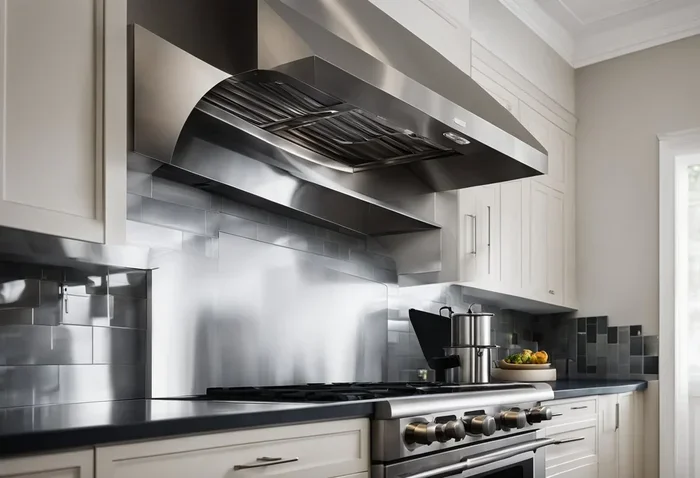
A new kitchen hood can completely change how your kitchen looks and feels. It removes smoke, odors, and grease so your cooking space stays fresh. This guide covers types, sizes, features, and installation tips. You will learn how to pick the perfect kitchen range hood for your needs. Read on to turn your kitchen into a dream cooking space.
Cooking should feel fun, not stressful. One of the biggest game changers in any kitchen is a new kitchen hood. Whether you are tired of grease on your walls or want a sleeker look, upgrading your range hood makes a huge difference.
A kitchen range hood does more than just look good. It pulls smoke, steam, and cooking odors out of your air. This keeps your kitchen clean, safe, and smelling fresh every single day. In this guide, we walk you through everything you need to know about choosing and installing a new kitchen hood.
We will cover all the types, sizes, features, and costs. By the end, you will feel confident picking the best option for your home. Let us dive right in.
Key Takeaways
- Better Air Quality: A new kitchen hood removes smoke, grease, and odors fast.
- Multiple Styles: Choose from wall mount, under cabinet, island, and ductless options.
- Right Size Matters: Match your hood width to your stove and calculate the right CFM.
- Easy Installation: Most replacements follow a clear, step-by-step process.
- Smart Features: Modern hoods offer touch controls, LED lighting, and auto shutoff.
- Low Maintenance: Regular cleaning keeps your kitchen ventilation system running smoothly.
📑 Table of Contents
- Why a New Kitchen Hood Matters
- Types of New Kitchen Hoods You Can Choose From
- How to Pick the Right Size and CFM
- Installation Tips for Your New Kitchen Hood
- Top Features to Look For in a New Kitchen Hood
- Maintaining Your New Kitchen Hood for Long Life
- Cost Considerations for a New Kitchen Hood
- Expert Insights on Choosing the Best New Kitchen Hood
- Conclusion
Why a New Kitchen Hood Matters
Many homeowners overlook their range hood until something goes wrong. But a new kitchen hood is one of the smartest upgrades you can make. It protects your kitchen in many ways you might not expect.
Better Air Quality in Your Kitchen
When you cook, your kitchen fills with smoke, grease particles, and moisture. Without proper kitchen ventilation, these particles settle on every surface. Over time, this creates a greasy film on cabinets and walls. A powerful new kitchen hood captures all of that before it spreads.
Think about how often you fry, boil, or bake. Each of these tasks releases something into the air. A good exhaust hood handles all of it. The result? Cleaner air and fewer deep-cleaning sessions.
Protecting Your Home From Grease Buildup
Grease buildup is more than just a dirty kitchen. It is a real fire hazard. Grease can collect inside your ductwork and on your ceiling. A new kitchen hood with the right CFM rating pulls grease out before it has a chance to settle.
This is especially important if you cook with oil frequently. Even occasional frying sends tiny grease droplets into the air. A strong kitchen chimney or range hood catches them at the source.
Improving the Look of Your Kitchen
Let us not forget about style. A modern range hood can become the centerpiece of your kitchen. Today’s options come in sleek stainless steel, matte black, copper, and even custom designs. A wall mount range hood or a minimalist under cabinet range hood can completely change the feel of your space.
If you have an open kitchen or an island setup, an island range hood adds a bold, designer touch. The right hood ties your whole kitchen together.
Types of New Kitchen Hoods You Can Choose From
Not all range hoods are the same. Each type fits a different kitchen layout and cooking style. Here are the most popular options for a new kitchen hood.
Wall Mount Range Hood
A wall mount range hood attaches directly to the wall above your stove. This is the most common type and works well in most kitchens. It offers strong suction and comes in many sizes and styles.
Best for: Standard layouts with the stove against a wall. This is often the easiest and most affordable option for a new kitchen hood replacement.
Under Cabinet Range Hood
An under cabinet range hood mounts beneath your upper cabinets. It saves space and keeps the look clean and streamlined. Because it sits lower, it works best when mounted close to the cooking surface.
Best for: Small kitchens where you want maximum counter space. These are popular choices for kitchen ventilation in apartments and condos.
Island Range Hood
An island range hood hangs from the ceiling above a kitchen island. It looks stunning and provides even coverage across the cooking surface. Since it does not touch a wall, it is a real design statement.
Best for: Kitchens with an island cooktop or peninsula. These hoods tend to cost more but deliver big style and performance.
Ductless Range Hood
A ductless range hood recirculates air through charcoal filters instead of venting it outside. It is a great option if you cannot install ductwork. While it does not remove grease as effectively as a ducted model, it still improves air quality.
Best for: Renters or kitchens without exterior walls. A ductless range hood is the most flexible new kitchen hood option.
Ducted Range Hood
A ducted range hood vents air outside through a duct or chimney. This is the most effective method for removing smoke, grease, and odors. It delivers the strongest kitchen ventilation performance.
Best for: Serious home cooks and anyone who wants the best air quality. If you fry often or have a large kitchen, a ducted range hood is the way to go.
How to Pick the Right Size and CFM
Choosing the right size is one of the most important steps. A hood that is too small will not work well. One that is too big can be noisy and waste energy. Here is how to get it right.
Matching Hood Width to Your Stove
The general rule is simple. Your new kitchen hood should be at least as wide as your cooktop. If you have a 30-inch stove, choose a 30-inch hood. For a 36-inch range, go with a 36-inch hood.
Some homeowners prefer a hood that extends a few inches beyond each side. This helps capture smoke that drifts to the edges. But the minimum width should always match your stove.
Understanding CFM Ratings
CFM stands for cubic feet per minute. It measures how much air your exhaust hood can move. The higher the CFM, the stronger the airflow.
Here is a simple guide for choosing the right CFM:
- Gas stoves: Aim for 100 CFM per linear foot of burner.
- Electric stoves: Aim for 75 CFM per linear foot.
- Heavy cooking (frying, wok): Go with 150 CFM per linear foot.
- Light cooking (simmering, toasting): 60 to 75 CFM per linear foot works fine.
For example, a 30-inch gas range with four burners needs around 400 to 500 CFM. A new kitchen hood in this range will handle most cooking tasks with ease.
Duct Size and Length
The duct you use also affects performance. A wider duct moves more air with less noise. Short, straight ducts work best. Every bend or turn reduces airflow. Keep your duct run as short and straight as possible for the best results.
Installation Tips for Your New Kitchen Hood
Installing a new kitchen hood is a project most homeowners can handle. But it does require some basic electrical and carpentry skills. Here is what you need to know.
Before You Start
First, turn off the power to the area. You do not want to work on a live circuit. Check your local building codes too. Some areas require a permit for range hood installation, especially when adding new ductwork.
Gather your tools before you begin. You will typically need a drill, level, stud finder, wire stripper, and screwdriver. Having everything ready makes the process much smoother.
Step-by-Step Installation
- Mark the mounting location. Hold the bracket against the wall and use a level to mark the holes.
- Drill the holes. Use a drill bit that matches your wall anchors or studs.
- Install the bracket. Secure it firmly with screws. Make sure it is level.
- Connect the duct. Attach the duct to the hood and run it to the exterior vent. Use metal foil tape or clamps to seal the connections.
- Wire the hood. Connect the wires following the manufacturer’s instructions. Match black to black, white to white, and green to ground.
- Mount the hood. Lift it into place and secure it to the bracket. Double-check that everything is tight.
- Test the hood. Turn the power back on and run the fan. Check for any unusual noises or vibrations.
When to Hire a Professional
If you are not comfortable with electrical work or adding ductwork, hire a pro. A licensed electrician or handyman can install your new kitchen hood safely and quickly. It is worth the extra cost for peace of mind.
Common Mistakes to Avoid
- Undersizing the duct: A narrow duct reduces airflow and increases noise.
- Ignoring the vent path: Too many bends kill performance.
- Skipping the backdraft damper: This prevents outside air from flowing back into your kitchen.
- Forgetting to check the filter: Some hoods need filters installed before first use.
Top Features to Look For in a New Kitchen Hood
Not all range hoods are created equal. The best new kitchen hood has features that match how you cook. Here are the most important ones to consider.
Variable Speed Settings
A hood with multiple speed settings lets you adjust the power. Use low speeds for gentle simmering and high speeds for heavy frying. This saves energy and reduces noise when you do not need full power.
Built-In Lighting
Good lighting under the hood makes a big difference while cooking. Most modern range hoods come with LED lights. Look for hoods with bright, even lighting that covers the entire cooking surface.
Easy-to-Clean Filters
Grease filters trap oil and need regular cleaning. The best new kitchen hood has dishwasher-safe filters. This makes maintenance quick and painless. Some hoods also have charcoal filters for recirculating models.
Quiet Operation
No one wants a loud hood interrupting conversations. Check the decibel (dB) rating before you buy. A quiet kitchen exhaust fan keeps things comfortable. Look for models rated under 60 dB on high speed.
Smart Controls and Timers
Many modern hoods now include touch controls, remote operation, and auto shutoff timers. These smart features add convenience and safety. Some even connect to your phone through a Wi-Fi app.
Heat-Resistant Materials
Your hood takes a lot of heat and grease over time. Choose a new kitchen hood made from stainless steel, tempered glass, or other durable materials. These surfaces wipe clean easily and last for years.
Maintaining Your New Kitchen Hood for Long Life
A new kitchen hood is a great investment. But like any appliance, it needs regular care to perform at its best. The good news is maintenance is simple.
Cleaning Your Filters
Grease filters should be cleaned every one to three months. Remove the filter and soak it in hot, soapy water. For tough grease, add a tablespoon of baking soda. Most metal filters are dishwasher-safe too.
Charcoal filters cannot be washed. Replace them every six to twelve months depending on how often you cook.
Wiping Down the Exterior
Wipe the hood exterior with a mild cleaner and soft cloth after each use. This prevents grease buildup and keeps the finish looking new. Avoid harsh abrasives that can scratch stainless steel.
Checking the Ductwork
Every few months, inspect your ductwork for grease buildup. A buildup inside the duct can reduce airflow and become a fire risk. If you notice a lot of grease, consider having the duct professionally cleaned.
Replacing Parts When Needed
Light bulbs, filters, and fans wear out over time. Most manufacturers sell replacement parts directly. Keeping spare filters on hand makes maintenance quick and easy.
Quick Tips for Hood Care
- Always run your hood for a few minutes after cooking to clear residual steam.
- Never use the hood on the highest setting for short tasks.
- Keep a small spray bottle of degreaser near the stove for quick wipes.
- Schedule a deep clean of the hood and ductwork twice a year.
Cost Considerations for a New Kitchen Hood
The price of a new kitchen hood varies widely based on type, size, and features. Understanding the cost helps you set a realistic budget.
Basic under cabinet range hoods start around 100 to 200 dollars. Mid-range wall mount range hoods typically cost 200 to 600 dollars. Premium island range hoods and designer models can run 600 to 2,000 dollars or more.
Installation costs add another 100 to 300 dollars for most jobs. If you need new ductwork, expect to pay more. A ducted range hood installation costs slightly more than a ductless range hood because of the additional venting work.
Keep in mind that a new kitchen hood adds value to your home. Many homebuyers look for a quality kitchen ventilation system. It is an investment that pays off in both comfort and resale value.
Expert Insights on Choosing the Best New Kitchen Hood
We spoke with kitchen designers and HVAC professionals to get their top tips for selecting a new kitchen hood. Here is what they shared.
Match the hood to your cooking style. If you love stir-frying or deep-frying, invest in a high-CFM model. Light cooks can save money with a smaller unit.
Do not skip the ductwork. A ducted range hood always outperforms a ductless model. Even if the installation is more complex, the results are worth it.
Think about noise. A loud hood can ruin the kitchen experience. Read reviews and check dB ratings before you buy.
Choose a style you love. Your hood is a visible part of your kitchen design. Pick a look you enjoy every day, not just on installation day.
Plan for future needs. If you plan to upgrade your stove or cook more, choose a hood with extra power. It is easier to buy a strong model upfront than to replace it later.
Conclusion
A new kitchen hood is more than an appliance upgrade. It is a transformation for your entire cooking space. From better air quality to a fresh, modern look, the benefits are clear.
Whether you choose a wall mount range hood, an under cabinet range hood, or a stunning island range hood, the key is to match it to your kitchen and cooking habits. Pick the right size, the right CFM, and the features that matter most to you.
Installation is straightforward for most homeowners, and maintenance is simple with regular care. A new kitchen hood will serve you well for years to come. So go ahead, explore your options, and give your kitchen the upgrade it deserves.
Your cooking space is waiting. Start your search for the perfect new kitchen hood today and feel the difference every time you turn on the stove.
Frequently Asked Questions
What size new kitchen hood do I need?
Your new kitchen hood should be at least as wide as your cooktop. For gas stoves, aim for 100 CFM per linear foot of burner. A 30-inch stove typically needs a 30-inch hood with 400 to 500 CFM for solid performance.
Can I install a new kitchen hood myself?
Yes, most homeowners can install a new kitchen hood themselves if they have basic DIY skills. You need to handle electrical wiring and ductwork. If you are not comfortable with either, hiring a professional is the safest choice.
What is the difference between a ducted and ductless range hood?
A ducted range hood vents air outside through a duct or chimney. A ductless range hood recirculates air through charcoal filters. Ducted hoods remove grease and odors more effectively, while ductless hoods are easier to install in rentals or kitchens without exterior walls.
How often should I clean my kitchen hood filters?
Clean grease filters every one to three months depending on how often you cook. Charcoal filters in ductless range hoods should be replaced every six to twelve months. Regular cleaning keeps your kitchen ventilation system running at peak performance.
How loud should a new kitchen hood be?
A good new kitchen hood should run quietly. Look for models rated under 60 decibels on high speed. Lower dB ratings mean quieter operation. Variable speed settings also help you reduce noise for lighter cooking tasks.
Is a new kitchen hood worth the cost?
Absolutely. A new kitchen hood improves air quality, reduces grease buildup, and adds value to your home. It also makes cooking more enjoyable by keeping your kitchen fresh and comfortable. Most homeowners find it to be one of the best kitchen upgrades they can make.

