
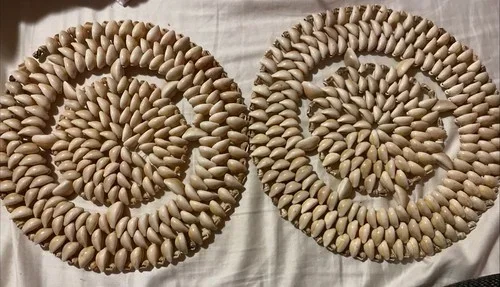
A puka puka kitchen brings tropical island vibes into your home with natural textures, earthy tones, and relaxed coastal charm. These kitchen makeover ideas are easy to adapt whether you have a large open space or a small galley kitchen. You will learn how to choose the right materials, lighting, and decor to create a puka puka kitchen that feels fresh, inviting, and uniquely yours.
Key Takeaways
- Natural materials drive the look: Puka shells, bamboo, lava rock, and reclaimed wood form the foundation of an authentic puka puka kitchen design.
- Coastal color palettes work wonders: Warm whites, sandy beiges, ocean blues, and tropical greens create a calming island atmosphere in your kitchen.
- Budget-friendly swaps make a big impact: Open shelving, paint updates, and puka shell accents can transform your space without a full renovation.
- Lighting sets the mood: Rattan pendant lights, bamboo fixtures, and natural light enhance the tropical feel of a puka puka kitchen.
- Small changes add big style: Even minor updates like new hardware, textiles, and greenery can push your kitchen toward a complete puka puka kitchen transformation.
- Outdoor connections matter: Blending indoor and outdoor elements makes your puka puka kitchen feel spacious and connected to nature.
📑 Table of Contents
- What Is a Puka Puka Kitchen and Why Is It So Popular?
- Puka Puka Kitchen Design Inspiration: Where to Start
- Budget-Friendly Puka Puka Kitchen Makeover Ideas
- Choosing the Right Materials for a Puka Puka Kitchen
- Lighting and Fixtures for a Puka Puka Kitchen
- Bringing It All Together: Final Touches for Your Puka Puka Kitchen
- Common Mistakes to Avoid in a Puka Puka Kitchen Makeover
- Expert Insights: How Designers Approach a Puka Puka Kitchen
- Key Takeaways
- Conclusion: Your Puka Puka Kitchen Awaits
What Is a Puka Puka Kitchen and Why Is It So Popular?
A puka puka kitchen draws its name from the puka shell, a natural shell found on Hawaiian beaches. These shells have a distinctive hole in the center and have become a symbol of relaxed island living. When you bring that same laid-back energy into your kitchen, you get a space that feels warm, welcoming, and effortlessly stylish.
The puka puka kitchen trend has grown because people want their homes to feel like a retreat. After long days, nobody wants to come home to a cold, sterile kitchen. Instead, they want a space that wraps them in comfort. A puka puka kitchen does exactly that with natural materials, soft colors, and thoughtful design choices.
This style connects deeply to tropical kitchen design and coastal kitchen aesthetics. It borrows from Hawaiian and Polynesian design traditions while staying adaptable for any home. Whether you live near the ocean or miles inland, a puka puka kitchen can bring that vacation feeling right to your doorstep.
The beauty of this style is its flexibility. You do not need a huge budget or a complete renovation to pull it off. Small swaps and smart choices can shift your kitchen from ordinary to island-inspired in no time.
Puka Puka Kitchen Design Inspiration: Where to Start
Before you grab paint or buy new hardware, take a moment to gather inspiration. Looking at real examples helps you understand what a puka puka kitchen truly feels like. It also helps you decide which elements speak to you personally.
Look to Nature for Your Foundation
The core of any puka puka kitchen design is nature. Think about what you see on a tropical shoreline. You see sand, sea, shells, volcanic rock, and lush green plants. These natural elements should guide your choices from the very start.
Start with your countertops. Natural stone like granite or soapstone gives an earthy, organic feel. If natural stone is too expensive, consider butcher block or concrete with a warm stain. The goal is to keep surfaces looking grounded and real.
For your backsplash, think about hand-painted ceramic tiles or simple white subway tiles. A kitchen backsplash made from natural materials like slate or travertine adds texture without overwhelming the space. The key is to keep things simple and let the materials speak for themselves.
Build a Cohesive Color Palette
Colors make or break a kitchen makeover. For a puka puka kitchen, you want a palette that feels calm and sun-warmed. Here are colors that work beautifully:
- Warm whites: Soft, creamy whites keep the space bright without feeling cold.
- Sandy beiges: These warm neutrals echo desert sand and natural stone.
- Ocean blues: A soft aqua or seafoam blue adds coastal charm.
- Tropical greens: Sage or palm green brings in lush, natural energy.
- Terracotta accents: Warm rust tones feel earthy and grounded.
Stick to three main colors and use them consistently. This keeps your puka puka kitchen looking polished rather than scattered. One color should dominate, one should support, and one should add accent pops.
Budget-Friendly Puka Puka Kitchen Makeover Ideas
You do not need to spend a fortune to get a stunning puka puka kitchen. Some of the best transformations come from small, strategic changes. Here are ideas that deliver big impact without breaking the bank.
Swap Out Your Cabinet Hardware
One of the easiest and cheapest updates is changing your cabinet pulls and knobs. Look for pieces made from natural materials like bamboo, coconut shell, or brushed brass. These small details instantly shift the feel of your kitchen toward a tropical direction.
Hardware costs very little but draws the eye constantly. When you open a drawer or cabinet, those little touches make a statement. This is one of the smartest kitchen renovation moves you can make on a tight budget.
Add Open Shelving with Puka Shells
Open shelves create a relaxed, airy feel in any kitchen. Install a few simple wooden shelves and style them with puka shell bowls, ceramic mugs, and small plants. This approach works especially well in a puka puka kitchen because it showcases natural textures.
You can find puka shell bowls and decorative pieces at beach shops or online. Mixing these with wooden items and woven baskets adds layers of visual interest. The result feels curated but effortless.
Paint Your Kitchen Islands or Accent Walls
A fresh coat of paint transforms a room faster than almost anything else. Choose a coastal shade like soft aqua, warm sand, or seafoam for an accent wall or your kitchen island. This single change can redefine the entire mood of your space.
For a more dramatic effect, consider painting just the island base or the lower cabinets. This creates a two-tone look that feels modern yet warm. It is one of the most effective kitchen island ideas for a puka puka kitchen.
Bring in Rattan and Bamboo Elements
Rattan and bamboo are staple materials in tropical design. A rattan pendant light over your kitchen island or a bamboo window blind can anchor the whole room. These materials add warmth and texture that plastic or metal simply cannot match.
You can find affordable rattan pieces at home goods stores and online retailers. Even a single rattan chair or a bamboo tray on your counter can push your puka puka kitchen closer to the island look you want.
Choosing the Right Materials for a Puka Puka Kitchen
Materials define the character of your puka puka kitchen. The wrong choices can make the space feel generic, while the right ones create an authentic, cohesive look. Here is what to focus on.
Countertops That Feel Natural
Your countertop is one of the biggest visual elements in the kitchen. For a true puka puka feel, choose materials that look and feel organic. Natural stone like soapstone, travertine, or honed granite works beautifully.
If you prefer something lighter, consider quartz with a matte finish that mimics natural stone. Avoid high-gloss surfaces, which can feel too modern and cold for this style. The goal is a surface that looks like it belongs in nature.
Flooring That Tells a Story
Flooring sets the stage for everything else. Wide-plank hardwood in a warm oak or teak tone feels perfect for a puka puka kitchen. If hardwood is not practical, look for luxury vinyl planks that mimic natural wood.
For a more adventurous choice, consider natural stone tile floors. Limestone or sandstone tiles add a rustic, earthy quality that complements the tropical theme. Just make sure to seal them properly so they stay beautiful for years.
Cabinets with Character
White cabinets are a safe choice, but they can feel plain. Consider painting them in a warm off-white or soft sand color. This small change adds warmth and ties the room together.
If you are feeling bold, try open shelving instead of upper cabinets. Open shelving reduces visual clutter and gives you space to display your favorite puka puka pieces. It also makes the kitchen feel more spacious and inviting.
| Material | Best For | Vibe | Budget Level |
|---|---|---|---|
| Soapstone Countertops | Countertops and vanities | Earthy, elegant | Mid to high |
| Reclaimed Wood Shelving | Open shelves and accents | Rustic, warm | Low to mid |
| Bamboo Flooring | Flooring | Tropical, natural | Low to mid |
| Ceramic Hand-Painted Tiles | Backsplash and accents | Artisan, colorful | Low to mid |
| Rattan Fixtures | Lighting and baskets | Relaxed, coastal | Low |
| Travertine Tile Flooring | Floors and walls | Natural, timeless | Mid |
Lighting and Fixtures for a Puka Puka Kitchen
Lighting plays a huge role in setting the mood of any kitchen. For a puka puka kitchen, you want light that feels warm, soft, and inviting. Harsh overhead lighting kills the tropical vibe instantly.
Choose the Right Pendant Lights
Pendant lights over your kitchen island or dining area are essential. Look for fixtures made from natural materials like rattan, wicker, or bamboo. These materials filter light in a way that creates a warm, diffused glow across the room.
Woven globe pendants are especially popular in tropical kitchen design. They cast beautiful patterns of light and shadow on your walls and countertops. This is an easy way to add personality and warmth to your puka puka kitchen.
Maximize Natural Light
Nothing beats real sunlight for creating that relaxed island feeling. Keep your windows unobstructed and use light, sheer curtains instead of heavy drapes. If your kitchen lacks windows, consider adding a skylight or solar tubes to bring in more daylight.
Mirrors also help bounce natural light around the room. Place a large mirror opposite a window to make your kitchen feel brighter and more open. This simple trick works wonders in any kitchen makeover.
Use Warm Bulb Temperatures
When you do need artificial lighting, choose warm-toned bulbs. Look for bulbs in the 2700K to 3000K range. These warm whites mimic the glow of natural sunlight and make your kitchen feel cozy at any time of day.
Avoid cool white or blue-toned bulbs at all costs. They make spaces feel clinical and unwelcoming. The right bulb temperature is a small detail that makes a massive difference in your puka puka kitchen atmosphere.
Bringing It All Together: Final Touches for Your Puka Puka Kitchen
The finishing details are what turn a good puka puka kitchen into a great one. These final touches add personality and complete the look.
Add Tropical Greenery
Plants are non-negotiable in a puka puka kitchen. They bring life, color, and that essential connection to nature. Choose plants that thrive indoors and complement the tropical theme.
- Snake plants: Tall, architectural, and nearly indestructible.
- Pothos: Cascading vines that look beautiful on open shelves.
- Boston ferns: Lush and full, they add instant tropical energy.
- Small palm plants: The quintessential tropical houseplant.
Place plants where they catch natural light and become part of your kitchen decor. A few well-placed plants can transform the entire feel of your space.
Style Your Countertops Thoughtfully
Keep countertops mostly clear and let a few curated items shine. A wooden cutting board, a ceramic pitcher, and a small arrangement of puka shells create a beautiful vignette. Less is more when it comes to styling a puka puka kitchen.
Avoid cluttering surfaces with too many small items. The relaxed island vibe comes from simplicity and breathing room. Let each piece you display feel intentional and meaningful.
Layer in Textiles and Soft Textures
Textiles add warmth and comfort to any kitchen. A woven rug under your kitchen island, cotton curtains, and soft towels in coastal colors all contribute to the puka puka feel. These elements make the space feel lived-in and cozy.
Look for fabrics in natural fibers like cotton, linen, and jute. Avoid synthetic materials that look and feel cheap. The textures should feel organic and inviting, just like the rest of your puka puka kitchen.
Display Your Puka Shell Collection
If you collect puka shells from beach trips, now is the time to show them off. Fill clear glass jars with shells and place them on open shelves. Hang a shell wreath on the wall. Use shell-shaped bowls as decorative pieces. These personal touches make your kitchen uniquely yours.
Your shell collection tells a story. It reminds you of sunny days and ocean breezes every time you walk into the kitchen. That emotional connection is what makes a puka puka kitchen truly special.
Common Mistakes to Avoid in a Puka Puka Kitchen Makeover
Even with the best intentions, some mistakes can undermine your puka puka kitchen transformation. Here are pitfalls to watch out for.
Overdoing the theme. Too many tropical elements can make a kitchen feel like a costume rather than a real living space. Keep the balance between island-inspired and livable. Choose a few statement pieces and let the rest stay understated.
Ignoring functionality. A beautiful kitchen must also work well for cooking and daily life. Do not sacrifice storage, counter space, or workflow just for style. Plan your layout carefully and make sure every design choice serves a purpose.
Using cheap materials. It is tempting to cut costs with plastic imitations of natural materials, but they rarely look convincing. Invest in a few quality pieces rather than filling the space with cheap substitutes. Your eye will thank you.
Forgetting about maintenance. Natural materials like stone, wood, and bamboo require proper care. Seal your stone countertops, oil your wood surfaces, and keep your bamboo fixtures dry. Regular maintenance keeps your puka puka kitchen looking its best for years.
Expert Insights: How Designers Approach a Puka Puka Kitchen
Interior designers who specialize in tropical and coastal style share a few key principles for creating a successful puka puka kitchen.
Start with a neutral base. Most designers recommend keeping walls, floors, and major cabinets in neutral tones. This creates a calm backdrop that lets your tropical accents pop without overwhelming the space.
Mix old and new. The best puka puka kitchens blend vintage finds with modern essentials. A reclaimed wood shelf paired with sleek stainless steel appliances creates visual depth and keeps the space feeling current.
Focus on texture over color. While color sets the mood, texture creates the atmosphere. Woven baskets, rough stone, smooth ceramic, and natural wood grain all work together to make a puka puka kitchen feel rich and layered.
Bring the outside in. Designers emphasize creating a visual connection between your kitchen and the outdoors. Large windows, sliding glass doors, and interior plants all help blur the line between inside and outside. This is what truly makes a puka puka kitchen feel authentic and alive.
Key Takeaways
- Natural materials form the foundation: Puka shells, bamboo, lava rock, and reclaimed wood create an authentic puka puka kitchen feel.
- Coastal colors set the mood: Warm whites, sandy beiges, ocean blues, and tropical greens keep the space feeling calm and inviting.
- Small swaps deliver big results: New hardware, open shelving, and paint updates can transform your kitchen without a major renovation.
- Lighting makes or breaks the vibe: Warm-toned bulbs and natural material fixtures like rattan pendants create the perfect tropical glow.
- Plants and textures add the finishing touch: Greenery and layered natural textures bring your puka puka kitchen to life.
- Avoid over-theming: Balance is key. A few well-chosen pieces create more impact than filling every surface with tropical decor.
Conclusion: Your Puka Puka Kitchen Awaits
A puka puka kitchen is more than just a design trend. It is a way of bringing peace, warmth, and natural beauty into the heart of your home. Whether you start with a full renovation or simply refresh a few details, the principles remain the same. Use natural materials, keep your colors warm and coastal, and let your personality shine through every choice.
The beauty of this style is that it grows with you. As you collect shells from new beaches, find a beautiful piece of rattan furniture, or discover a vintage ceramic bowl, your puka puka kitchen evolves. It becomes a reflection of your life, your travels, and your love for simple, beautiful things.
Start with one small change today. Maybe it is a new set of puka shell bowls for your countertop. Maybe it is swapping out your cabinet hardware for bamboo pulls. Whatever you choose, take that first step. Your dream puka puka kitchen is closer than you think, and the journey to get there is half the fun.
Your kitchen is where you start every morning and wind down every evening. Make it a place that fills you with joy, calm, and a little bit of island magic. You deserve a puka puka kitchen that feels like home and like a vacation all at once.
Frequently Asked Questions
What exactly is a puka puka kitchen?
A puka puka kitchen is a kitchen design style inspired by Hawaiian and Polynesian island living. It uses natural materials like puka shells, bamboo, lava rock, and reclaimed wood to create a warm, relaxed, coastal atmosphere. The style emphasizes earthy colors, simple textures, and a strong connection to nature.
How much does a puka puka kitchen makeover cost?
The cost varies widely depending on the scope of your project. A simple refresh with new hardware, paint, and accessories can cost a few hundred dollars. A full renovation with new countertops, flooring, and fixtures can range from five thousand to twenty thousand dollars or more. The good news is that many impactful changes are very budget-friendly.
Can I create a puka puka kitchen in a small space?
Absolutely. A puka puka kitchen works beautifully in small spaces. Focus on light colors, open shelving, and natural light to make the room feel spacious. Choose a few key pieces like rattan pendant lights and puka shell accents rather than filling the space with too many items. Less is more in a small kitchen.
Where can I find puka shells and tropical decor?
You can find puka shells and related decor at beach shops, craft stores, and online marketplaces. Many home goods retailers now carry tropical and coastal-style accessories. Thrift stores and flea markets are also great places to find unique pieces that add character to your puka puka kitchen.
What colors work best for a puka puka kitchen?
Warm whites, sandy beiges, ocean blues, sage greens, and terracotta tones all work well. These colors reflect the natural palette of beaches, sand, and tropical landscapes. Stick to three main colors and use them consistently throughout the space for a cohesive look.
Do I need to renovate my entire kitchen for this style?
Not at all. A puka puka kitchen can be achieved through small, strategic changes. Swapping cabinet hardware, adding open shelves, painting an accent wall, and incorporating natural textures can transform your kitchen significantly. Start with the changes that fit your budget and build from there over time.

