Choosing a quality kitchen knife can transform how you cook every day. This guide walks you through blade types, materials, handle designs, and budget options so you can make a smart, confident pick. You will learn what makes a knife sharp, balanced, and built to last in your home kitchen.
A quality kitchen knife is the one tool every home cook truly needs. You can own the fanciest pots and gadgets, but without a sharp, well-made knife, meal prep becomes a chore. A good knife makes chopping faster, cutting safer, and cooking more enjoyable.
So how do you find the right one? The market is full of options. There are different blade materials, handle styles, knife types, and price ranges. It can feel overwhelming. But it does not have to be. This guide breaks everything down into simple, clear steps. By the end, you will know exactly what to look for and why it matters.
Whether you are a beginner in the kitchen or a seasoned home chef, picking the right knife changes everything. Let us get into it.
Key Takeaways
- Material matters most: The blade steel you choose affects sharpness, durability, and how much care the knife needs.
- Full tang knives are the gold standard: They offer better balance, strength, and safety than partial tang designs.
- Handle comfort is non-negotiable: A good grip reduces hand fatigue and gives you more control during cutting tasks.
- Different knives serve different jobs: A chef knife handles most tasks, but a serrated knife and paring knife fill important gaps.
- Sharpening and maintenance keep knives performing: Regular honing and proper cleaning extend the life of any quality kitchen knife.
- Price does not always mean quality: Mid-range options often deliver excellent cutting performance without breaking the bank.
- Consider your cooking style: The best knife for you depends on what you cook, how often you cook, and your hand size.
📑 Table of Contents
- Why a Quality Kitchen Knife Makes All the Difference
- Understanding Knife Blade Materials
- Knife Blade Types and What They Do
- Handle Design and Knife Balance
- How to Maintain and Care for Your Knife
- Budget vs. Premium Knives: What to Expect
- Common Mistakes People Make When Buying Kitchen Knives
- Quick Tips for Picking the Perfect Knife
- Conclusion
Why a Quality Kitchen Knife Makes All the Difference
You might wonder why one knife deserves so much attention. The answer is simple. A sharp, well-built knife does the work for you. A dull knife forces you to press harder, which slows you down and raises the risk of accidents.
Here are a few reasons a good knife matters:
- Faster prep time: A sharp blade cuts through vegetables, fruits, and herbs in seconds.
- Better precision: You get cleaner cuts, which means better-looking food and more even cooking.
- Less hand fatigue: A balanced knife feels light and comfortable, even during long cooking sessions.
- Improved safety: Dull knives slip more easily. A sharp knife cuts where you want it to.
- Longer lifespan: A well-made knife lasts for years, sometimes decades, with proper care.
Investing in one reliable knife is one of the best decisions any home cook can make. It is not about spending the most money. It is about finding the right fit.
Understanding Knife Blade Materials
The blade is the heart of any quality kitchen knife. Different materials offer different benefits. Your choice here shapes everything from sharpness to maintenance.
Stainless Steel Blades
Stainless steel is the most popular blade material for home kitchens. It resists rust and staining, which makes it very low maintenance. Most everyday knives use stainless steel because it holds up well to regular use and frequent washing.
The downside? Stainless steel blades tend to be softer than other options. This means they may not stay razor-sharp as long as harder steels. You will need to sharpen them more often. But for most home cooks, this trade-off is worth it.
Carbon Steel Blades
Carbon steel knives are a favorite among serious cooks. They are harder than stainless steel, so they hold an edge longer. They also sharpen more easily, which is a big plus.
But carbon steel requires more care. It can rust or discolor if left wet. You need to dry it right after washing and store it properly. If you are willing to put in a little extra effort, a carbon steel knife delivers outstanding cutting performance.
High-Carbon Stainless Steel
This is a blend of both worlds. High-carbon stainless steel offers the hardness of carbon steel with the rust resistance of stainless. Many premium knives use this material. It is a great choice if you want durability without high maintenance.
Ceramic Blades
Ceramic knives are very light and stay sharp for a long time. They do not rust or corrode. However, they are brittle. They can chip or crack if you use them on hard surfaces like bones or frozen foods. Ceramic knives work best for light slicing tasks.
Knife Blade Types and What They Do
Not all knife blades are the same shape. Each blade type is designed for a specific job. Understanding these differences helps you pick the right tool for each task.
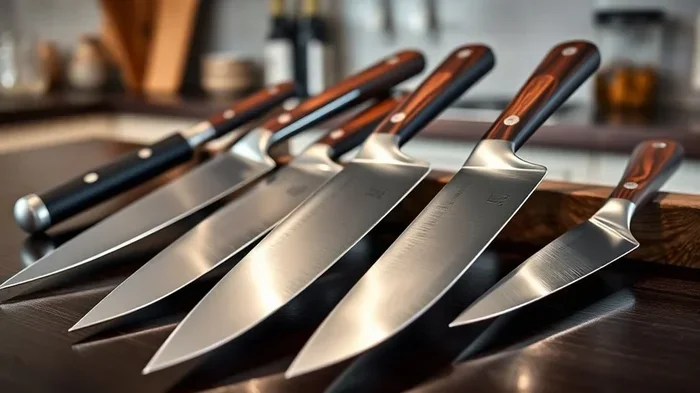
The Chef Knife
The chef knife is the workhorse of any kitchen. It has a wide, triangular blade that ranges from 6 to 12 inches. You can use it for chopping vegetables, slicing meat, mincing herbs, and much more. A quality kitchen knife in the chef category handles about 80% of kitchen tasks.
If you only buy one knife, make it a chef knife. It is versatile, efficient, and essential.
The Paring Knife
A paring knife has a small, narrow blade, usually around 3 to 4 inches. It is perfect for detailed work like peeling fruits, deveining shrimp, or trimming vegetables. It gives you control that a larger knife cannot match.
The Serrated Knife
Serrated knives have a toothed edge. They are ideal for cutting bread, tomatoes, and other foods with tough exteriors and soft interiors. A bread knife is the most common serrated knife in home kitchens. The teeth grip the surface and glide through without crushing the soft inside.
The Santoku Knife
The Santoku is a Japanese-style knife that has become very popular in Western kitchens. It has a shorter, wider blade with a flat edge. The name means “three virtues,” referring to its ability to slice, dice, and mince. It is lighter and thinner than a traditional chef knife.
The Utility Knife
A utility knife sits between a paring knife and a chef knife in size. It is great for medium tasks like slicing sandwiches, cutting cheese, or trimming smaller ingredients. It fills a useful gap in the knife lineup.
Handle Design and Knife Balance
The blade gets all the attention, but the handle matters just as much. A quality kitchen knife feels good in your hand. It should be comfortable, secure, and well-balanced.
Handle Materials
Knife handles come in several materials. Each one has pros and cons:
- Wood handles: They look beautiful and feel warm in your hand. However, they need more care and should not go in the dishwasher.
- Plastic handles: They are lightweight, easy to clean, and affordable. They are common in budget-friendly knife sets.
- Riveted handles: These use metal pins to secure the handle scales to the blade. They are very durable and a sign of solid construction.
- Ergonomic handles: Some modern knives feature contoured grips designed to reduce hand strain. These are excellent for long cooking sessions.
What Is Full Tang?
You will hear the term “full tang” a lot when shopping for knives. A full tang knife has a single piece of metal that runs the entire length of the handle, hidden between the handle scales. This design creates excellent balance and strength.
A partial tang knife has metal that only extends partway into the handle. Full tang knives are almost always better. They feel more solid and last longer. When choosing a quality kitchen knife, look for full tang construction whenever possible.
Knife Balance and Weight
A well-balanced knife feels like an extension of your hand. The weight should be evenly distributed between the blade and the handle. If the knife feels too heavy at the tip, it causes wrist strain. If it feels too light, you lose cutting control.
Heavier knives deliver more power for tough cuts like butternut squash or dense root vegetables. Lighter knives offer more precision for delicate tasks like slicing herbs. Choose based on what you cook most often.
How to Maintain and Care for Your Knife
Buying a great knife is only half the battle. Proper care keeps it performing at its best for years. A quality kitchen knife deserves the right maintenance routine.
Sharpening Your Knife
All knives get dull over time. The key is knowing how to sharpen them properly. You can use a whetstone, a honing rod, or an electric sharpener.
A whetstone gives the best results. It reshapes the blade edge and restores sharpness. A honing rod does not actually sharpen the knife. It straightens the edge between sharpenings. You should hone your knife before or after every use.
Electric sharpeners are convenient but remove more metal from the blade. Use them sparingly. For most home cooks, a simple whetstone and a honing rod are all you need.
Cleaning and Storage
Always wash your knife by hand with warm soapy water. Never put it in the dishwasher. The harsh detergent and heat can damage the blade and loosen the handle.
Dry the knife immediately after washing. Store it in a knife block, on a magnetic strip, or in a blade guard. Never toss loose knives into a drawer. This dulls the edge and creates a safety hazard.
Cutting Surfaces Matter
What you cut on affects how long your knife stays sharp. Use a wooden or plastic cutting board. Avoid glass, marble, or granite surfaces. They are too hard and will dull your blade very quickly.
A good cutting board is one of the most overlooked parts of knife care. It protects both your knife and your countertop.
Budget vs. Premium Knives: What to Expect
Price is a big factor when buying a quality kitchen knife. But expensive does not always mean better. Let us break down what you can expect at different price points.
| Price Range | What You Get | Best For |
|---|---|---|
| $20 – $50 | Basic stainless steel, simple handle, decent edge | Casual cooks, starter kitchens |
| $50 – $100 | Better steel, improved balance, solid construction | Regular home cooks, everyday use |
| $100 – $200 | Premium materials, full tang, excellent edge retention | Enthusiastic cooks, frequent use |
| $200+ | Handcrafted, specialty steels, professional-grade performance | Serious cooks, gift-worthy pieces |
The sweet spot for most home cooks is the $50 to $100 range. You get a well-built knife with excellent cutting performance and good durability. You do not need to spend $300 on a single knife unless you are passionate about cooking or have specific professional needs.
When shopping, read reviews and check the blade material, handle construction, and warranty. A good brand stands behind its product. A quality kitchen knife should come with a manufacturer’s guarantee or at least a clear return policy.
Popular Knife Brands to Consider
Some brands have earned strong reputations for making reliable knives. Wüsthof and Henckels are trusted names with decades of experience. Victorinox offers excellent value and is a favorite among professional chefs. Shun is known for beautiful Japanese craftsmanship. Global knives are lightweight and sleek with a unique one-piece design.
You do not need to buy from a famous brand to get a good knife. But these names offer consistent quality and solid customer support, which gives you peace of mind.
Common Mistakes People Make When Buying Kitchen Knives
Avoiding these common mistakes saves you money and frustration:
- Buying a knife set when you only need one or two knives. Most knife sets include blades you will never use. A single chef knife and a paring knife cover 90% of kitchen tasks.
- Ignoring handle comfort. A beautiful blade means nothing if the handle hurts your hand. Always hold a knife before you buy it if possible.
- Choosing style over function. Fancy packaging and trendy designs do not make a knife perform better. Focus on blade quality and balance.
- Neglecting to sharpen. Even the best quality kitchen knife becomes useless when it is dull. Make sharpening part of your routine.
- Using the wrong knife for the job. A bread knife is not for carving meat. A chef knife is not for slicing bread. Use each knife for its intended purpose.
- Storing knives improperly. Tossing them in a drawer with other utensils chips the edge and creates danger.
Quick Tips for Picking the Perfect Knife
Here are some fast, practical tips to keep in mind:
- Hold the knife before buying. It should feel natural in your hand.
- Check the blade for even color and no visible gaps in the handle.
- Test the balance by balancing the knife on one finger near the bolster.
- Read at least a few customer reviews before purchasing online.
- Choose a blade length that matches your hand size. Most adults do well with an 8-inch chef knife.
- Look for a knife with a protective blade guard or case for safe storage.
- When in doubt, ask a knowledgeable sales associate or a professional chef for advice.
Conclusion
Finding the right quality kitchen knife does not have to be complicated. Focus on the blade material, handle comfort, balance, and construction. Choose a knife that fits your hand and matches your cooking style. Take care of it with regular sharpening and proper cleaning.
A great knife is one of the few kitchen purchases that truly pays for itself. It saves time, reduces frustration, and makes cooking more fun. Start with one excellent chef knife and build from there. Your kitchen will feel more capable, and your meals will taste better.
Pick a knife you feel good about using every day. That is the best quality kitchen knife for your home.
Frequently Asked Questions
What is the best blade material for a home kitchen?
Stainless steel is the most practical choice for most home cooks. It resists rust, is easy to maintain, and holds a decent edge. If you want better edge retention and are willing to care for the knife properly, high-carbon stainless steel is an excellent upgrade.
How often should I sharpen my kitchen knife?
Most home cooks should sharpen their knife every 2 to 3 months with regular use. Honing with a rod before or after each use keeps the edge aligned between sharpenings. How often you sharpen also depends on the blade material and what you cut.
Is a knife set worth the money?
Not always. Knife sets often include blades you will rarely use, like a cleaver or a tomato knife. Buying individual knives lets you choose only what you need. A single chef knife and a paring knife cover most kitchen tasks.
Can I put my kitchen knife in the dishwasher?
You should avoid it. The heat, harsh detergent, and movement inside the dishwasher can dull the blade and damage the handle over time. Hand washing and immediate drying is the best way to protect your knife.
What size chef knife is best for most people?
An 8-inch chef knife is the most versatile and popular size. It handles chopping, slicing, and mincing with ease. If you have smaller hands, a 7-inch knife may feel more comfortable. Larger 10-inch blades offer more cutting power but require more control.
How do I know if a knife has good balance?
A well-balanced knife feels even in your hand with no tip-heavy or handle-heavy sensation. You can test this by placing the knife on one finger near the bolster. It should balance smoothly without tipping to either end. Comfort and control are the best indicators.