
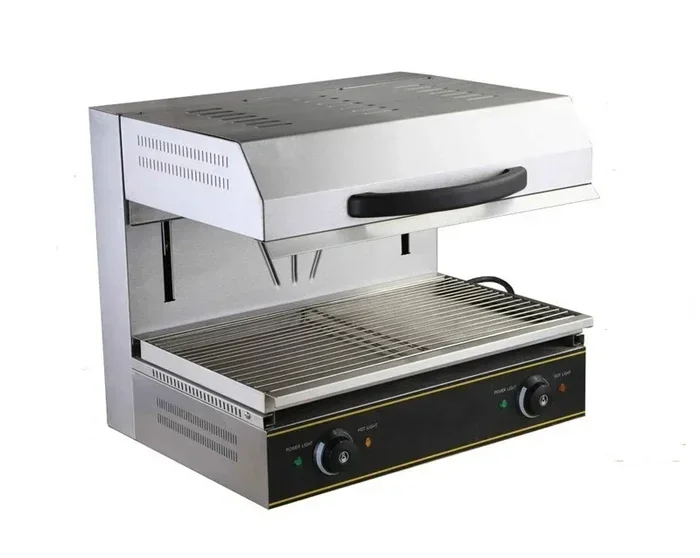
A salamander heater kitchen setup brings powerful overhead heat that makes cooking, prepping, and dining more comfortable year-round. These units are a favorite in both home kitchens and professional settings because they deliver instant warmth exactly where you need it. This guide covers everything from types and benefits to installation tips and safety advice. You will learn how to choose the right salamander heater kitchen model and get the most out of your upgrade.
A kitchen should feel like a place you want to spend time in. Whether you run a busy restaurant or cook at home every day, warmth matters. A salamander heater kitchen setup changes everything. It brings focused, overhead heat that makes the entire space feel more comfortable and inviting.
These heaters have been a staple in commercial kitchens for decades. But now, homeowners are discovering them too. The salamander heater is simple in design but powerful in function. It hangs above your cooking area and radiates heat downward. This means you stay warm while you cook, chop, and serve. No more cold feet or chilly hands during those long winter evenings in the kitchen.
In this article, we will walk you through everything you need to know about salamander heater kitchen upgrades. You will learn what they are, the different types available, the benefits they bring, and how to choose the right one for your space. We also cover installation tips, maintenance, and safety. By the end, you will have a clear picture of why a salamander heater belongs in your kitchen.
Key Takeaways
- Salamander heaters transform kitchen comfort: They provide targeted overhead heat that keeps cooks and staff warm during long hours in the kitchen.
- Multiple types exist for different needs: Gas and electric salamander heaters each offer unique advantages depending on your kitchen setup and budget.
- Installation is straightforward with proper planning: Mounting height, ventilation, and power source are key factors to consider before installing.
- Regular maintenance ensures safety and longevity: Cleaning, inspecting, and servicing your unit keeps it running efficiently for years.
- Energy efficiency saves money over time: Modern salamander heaters are designed to heat quickly while using less power than traditional heating methods.
📑 Table of Contents
- What Is a Salamander Heater Kitchen Setup?
- Types of Salamander Heaters for Kitchens
- Benefits of Adding a Salamander Heater to Your Kitchen
- How to Choose the Right Salamander Heater for Your Kitchen
- Installation Tips for Your Salamander Heater Kitchen Setup
- Maintenance and Safety Tips for Kitchen Salamander Heaters
- Salamander Heater Kitchen Upgrades That Really Make a Difference
- Conclusion
What Is a Salamander Heater Kitchen Setup?
A salamander heater kitchen unit is a type of overhead heater designed to provide direct, radiant warmth. It gets its name from the mythological salamander, a creature believed to live in fire. The design is simple. A heating element sits inside a metal housing, usually mounted on the ceiling or wall above the cooking area.
Unlike forced-air systems that blow hot air around a room, a salamander heater uses infrared radiation. This means it heats objects and people directly rather than heating the air in between. The result is immediate, noticeable warmth the moment you step under it.
How Does a Salamander Heater Work?
The heating element inside a salamander heater gets very hot, often reaching temperatures of 1,500 degrees Fahrenheit or more. It then radiates that heat downward in a focused beam. Think of it like standing in sunlight on a cold day. The sun warms your skin directly, even when the air around you feels cool. That is exactly how a salamander heater works.
Most units come with adjustable angle settings. This lets you direct the heat exactly where it is needed. Whether you are standing at a stove, prep counter, or grill station, you can angle the heater to cover your working area. This targeted approach makes kitchen heating much more efficient than heating an entire room.
Common Uses for Salamander Heaters
Salamander heaters are used in many different kitchen environments. Here are the most common uses:
- Commercial restaurants: Chefs use them to stay warm during long shifts, especially in open kitchens where heat escapes easily.
- Food trucks and pop-up kitchens: These compact spaces benefit greatly from a portable or wall-mounted salamander heater.
- Home kitchens: Homeowners install them over kitchen islands, outdoor cooking areas, or in basements that tend to stay cold.
- Bakeries and cafeterias: A salmonella heater kitchen setup helps maintain a comfortable temperature for staff working near ovens and cold storage areas.
- Outdoor kitchen setups: Covered patios and outdoor cooking stations use salamander heaters to extend the cooking season into colder months.
No matter the setting, the core function stays the same. A salamander heater delivers fast, efficient warmth right where people are working or gathering.
Types of Salamander Heaters for Kitchens
Not all salamander heaters are the same. Different types suit different kitchen layouts, budgets, and heating needs. Let us break down the main options so you can make an informed choice.
Gas Salamander Heaters
Gas salamander heaters are the most traditional option. They run on natural gas or propane and produce a strong, consistent heat output. Many professional kitchens prefer gas models because they deliver powerful warmth without relying on electricity.
Here are the key features of gas salamander heaters:
- High heat output: Gas units can heat large areas quickly, making them ideal for busy commercial kitchens.
- Lower operating costs: Natural gas and propane are often cheaper than electricity, so running costs tend to be lower over time.
- Portable options available: Some gas models are mounted on wheels, allowing you to move them where needed.
- Requires ventilation: Because they burn fuel, gas heaters need proper airflow to prevent carbon monoxide buildup.
A gas salamander heater kitchen setup works best in spaces with existing gas lines and good ventilation. If you have a large commercial kitchen or an outdoor cooking area, a gas unit is a strong choice.
Electric Salamander Heaters
Electric salamander heaters are becoming increasingly popular, especially for home kitchens. They plug into a standard electrical outlet and produce clean, safe heat without any combustion. This makes them a great option for indoor spaces where ventilation is limited.
Here is what to know about electric models:
- Easy installation: No gas lines or special ventilation required. Just mount the unit and plug it in.
- Clean operation: No fumes, flames, or combustion byproducts, making them safer for enclosed spaces.
- Adjustable settings: Most electric salamander heaters offer multiple heat levels, so you can control the temperature precisely.
- Quieter operation: Electric models tend to run more quietly than gas units, which is a bonus for home kitchens.
If you are planning a salamander heater kitchen upgrade in a home or small commercial setting, an electric model is often the most practical choice. They are also more budget-friendly upfront, which makes them attractive for homeowners.
Wall-Mounted vs. Ceiling-Mounted Models
Salamander heaters come in two main mounting styles. Wall-mounted units attach to the wall above your cooking area. Ceiling-mounted units hang from the ceiling and can be adjusted for angle and height.
Here is a quick comparison:
| Feature | Wall-Mounted | Ceiling-Mounted |
|---|---|---|
| Installation | Easier, fewer structural changes | Requires ceiling support and mounting hardware |
| Heat Coverage | Focuses on one wall area | Can cover a wider floor area |
| Adjustability | Limited angle adjustment | Full angle and height adjustment |
| Best For | Small kitchens, food trucks | Large kitchens, open floor plans |
| Cost | Generally lower | Slightly higher due to hardware |
Your choice between wall-mounted and ceiling-mounted depends on your kitchen layout and heating goals. For a kitchen heating solution in a compact space, wall-mounted works well. For open, larger kitchens, ceiling-mounted units deliver more even coverage.
Benefits of Adding a Salamander Heater to Your Kitchen
Adding a salamander heater kitchen unit brings a wide range of benefits. Let us look at why so many homeowners and chefs are making this upgrade.
Instant Warmth Where You Need It
The biggest advantage of a salamander heater is instant warmth. Traditional heating systems take time to warm up a room. A salamander heater works the moment you turn it on. You feel the heat immediately, right where you are standing. This is especially valuable in kitchens where cold floors and drafts can make long cooking sessions uncomfortable.
Improved Comfort for Cooks and Staff
Working in a cold kitchen is draining. It slows you down and makes the experience less enjoyable. A salamander heater creates a warm zone around your cooking area. This means you can focus on your food instead of shivering. In commercial settings, comfortable staff are more productive and happier. That alone is worth the investment.
Energy Efficiency
Because salamander heaters use infrared radiation, they heat people and objects directly. You are not wasting energy heating empty air. This makes them surprisingly energy efficient. Many modern electric models use less power than a traditional space heater while delivering better results. Over time, this can lead to noticeable savings on your energy bills.
Versatile Kitchen Heating
A salamander heater is not just for keeping people warm. Many chefs use them to keep food warm before serving. The intense heat from a salmonella heater kitchen setup can gently warm plates, keep sauces at the right temperature, or finish dishes with a quick broil. This versatility adds real value to any kitchen, professional or residential.
Easy to Install and Maintain
Compared to upgrading your entire heating system, installing a salamander heater is straightforward. Most units mount to the wall or ceiling with basic hardware. Electric models require only a standard outlet. Gas models need a gas line connection, which a professional can handle quickly. Maintenance is also minimal. A quick cleaning and occasional inspection keep things running smoothly for years.
Enhanced Kitchen Aesthetics
Modern salamander heaters come in sleek, stylish designs that complement kitchen decor. They add a professional, polished look to any cooking space. A well-mounted unit can even become a design feature that ties the room together. This is especially true for open kitchens in restaurants and modern home designs.
How to Choose the Right Salamander Heater for Your Kitchen
Choosing the right salamander heater kitchen unit depends on several factors. Taking the time to evaluate your options ensures you get the best results.
Consider Your Kitchen Size
The size of your kitchen determines how much heat you need. A small home kitchen does not need the same power output as a large commercial kitchen. Measure your kitchen area and think about where the heater will be mounted. This helps you choose a unit with the right coverage area.
As a general rule, a gas salamander heater covers about 150 to 300 square feet depending on the model. Electric units typically cover smaller areas, around 100 to 200 square feet. Use these numbers as a starting point and adjust based on your specific layout.
Think About Your Fuel Source
Do you have access to natural gas or propane? If yes, a gas salamander heater could be a great fit. If your kitchen only has electrical outlets, an electric model is the way to go. Consider fuel availability and long-term costs when making this decision.
Look for Safety Features
Safety should always come first in a kitchen. Look for units with built-in safety features such as:
- Overheat protection: Automatically shuts off the unit if it gets too hot.
- Tip-over switches: Turns the heater off if it is knocked over.
- Cool-touch exteriors: Prevents burns on the outer casing.
- Adjustable angles: Lets you direct heat away from flammable materials.
Set a Budget
Salamander heaters range widely in price. Basic electric models start around 100 to 200 dollars. Professional gas units can run from 500 to 2,000 dollars or more. Your budget should reflect the size of your kitchen, the type of unit you need, and any installation costs. Remember that energy savings over time can offset the initial investment.
Read Reviews and Compare Brands
Before making a purchase, read customer reviews and compare brands. Look for units with solid build quality, good warranty coverage, and reliable customer support. Some top brands in the kitchen appliance space include Rinnai, Infratech, and Bromic Heating. These manufacturers are known for producing durable, high-performing salamander heaters.
Installation Tips for Your Salamander Heater Kitchen Setup
Proper installation is key to getting the most out of your salamander heater. Follow these tips to ensure a safe, effective setup.
Choose the Right Mounting Height
Mounting height affects both safety and heat distribution. For most residential kitchens, mount the unit at least 7 to 8 feet above the floor. In commercial settings, check local building codes for minimum clearance requirements. A higher mount provides broader coverage, while a lower mount delivers more focused heat.
Ensure Proper Ventilation
If you install a gas salamander heater, ventilation is non-negotiable. The unit burns fuel and produces combustion gases that must be safely vented outdoors. Make sure your kitchen has adequate airflow or install a dedicated vent for the heater. Electric models do not require special ventilation, which is one of their biggest advantages.
Use the Right Electrical Setup
For electric salamander heaters, check that your kitchen electrical system can handle the power draw. Most units require a dedicated circuit. If you are unsure, consult a licensed electrician before installation. Using the wrong electrical setup can cause circuit breakers to trip or, worse, create a fire hazard.
Position for Optimal Heat Coverage
Think about where you spend the most time in your kitchen. Mount the heater so that the heat beam covers your main cooking and prep areas. Adjustable models let you fine-tune the angle after installation. Take some time to find the perfect position before locking everything in place.
Hire a Professional If Needed
While some homeowners can handle the installation themselves, others should hire a professional. Gas line connections, electrical wiring, and ceiling mounting all require specific skills and knowledge. A professional installation ensures everything is safe, up to code, and working at peak performance.
Maintenance and Safety Tips for Kitchen Salamander Heaters
Once your salamander heater is installed, regular maintenance keeps it running safely and efficiently. A well-maintained unit lasts longer and performs better.
Clean the Unit Regularly
Dust, grease, and kitchen grime can build up on the heating element and housing. This buildup reduces heat output and can become a fire hazard over time. Clean your salamander heater at least once a month during heavy use. Use a soft cloth and a mild cleaner to wipe down the exterior. Never use abrasive materials that could damage the heating element.
Inspect for Wear and Damage
Regular inspections help catch small problems before they become big ones. Look for cracks in the housing, loose mounting brackets, frayed wiring, or discoloration on the heating element. If you notice any of these issues, address them immediately. For gas models, also check the gas line connections for leaks using a soapy water solution.
Schedule Professional Servicing
Even with regular cleaning and inspections, it is wise to have a professional service your salamander heater at least once a year. A technician can check internal components, test safety features, and ensure the unit is operating at peak efficiency. This is especially important for gas models where combustion efficiency and safety are critical.
Follow Manufacturer Guidelines
Every salamander heater comes with a user manual that includes specific care and safety instructions. Read the manual thoroughly and follow the manufacturer’s recommendations. This includes guidelines for cleaning, operating, and troubleshooting. Ignoring these instructions can void your warranty and create safety risks.
Keep Flammable Materials Away
Salamander heaters produce intense heat. Keep all flammable materials such as paper towels, cloths, and cleaning sprays at a safe distance. Make sure nothing is hanging or stored near the heating element. This simple precaution prevents accidental fires and keeps your kitchen safe.
Use a Surge Protector for Electric Models
Electric salamander heaters draw significant power. Plugging them into a surge protector helps protect both the unit and your kitchen’s electrical system. A surge protector also guards against power spikes that could damage the heating element or other components.
Salamander Heater Kitchen Upgrades That Really Make a Difference
Now that you understand the types, benefits, and maintenance of salamander heaters, let us talk about real upgrades you can make to transform your kitchen experience.
Add a Second Heater for Larger Spaces
If your kitchen is on the larger side, one heater may not cover everything. Adding a second salamander heater creates a warm zone in multiple areas. This is especially helpful in open-plan kitchens where the cooking and dining areas are separate. Two strategically placed units can make the entire space comfortable during cold weather.
Pair with a Timer or Smart Plug
For electric salamander heaters, pairing with a smart plug or timer adds convenience and energy savings. You can set the heater to turn on before you start cooking and off when you are done. This prevents wasted energy and ensures the kitchen is warm and ready when you need it.
Upgrade to a Dual-Fuel Model
Some modern salamander heaters offer dual-fuel capability, allowing you to switch between gas and electric depending on availability and cost. This flexibility is ideal for kitchens that may need to adapt to different fuel sources or for those who want to optimize energy costs seasonally.
Integrate with Your Kitchen Design
Modern salamander heaters come in finishes like stainless steel, black matte, and brushed nickel. Choose a finish that complements your kitchen cabinets, countertops, and appliances. When a heater blends seamlessly with your kitchen design, it feels less like an appliance and more like a built-in feature.
Making these upgrades turns a basic salamander heater into a true kitchen transformation. You get better warmth, more comfort, and a space that feels complete and well-designed.
Conclusion
A salamander heater kitchen upgrade is one of the smartest investments you can make for your cooking space. It brings instant, efficient warmth that makes every cooking session more enjoyable. Whether you choose a gas or electric model, wall-mounted or ceiling-mounted, the benefits are clear. Better comfort, lower energy costs, and a more welcoming kitchen environment are all within reach.
Take the time to evaluate your needs, choose the right unit, and follow proper installation and maintenance practices. A well-chosen salamander heater serves you well for many years. It transforms not just the temperature of your kitchen but the entire experience of spending time in that space. Start your salamander heater kitchen upgrade today and feel the difference in every meal you prepare.
Frequently Asked Questions
What is a salamander heater used for in a kitchen?
A salamander heater provides overhead radiant heat that keeps cooks and kitchen staff warm while working. It is also commonly used to keep food warm before serving and to finish dishes with a quick broil. These heaters are popular in both commercial and home kitchens for their fast, efficient warmth.
Is a salamander heater safe for indoor kitchen use?
Yes, especially electric models. Electric salamander heaters produce no combustion fumes, making them safe for indoor use without special ventilation. Gas models are also safe when properly installed with adequate ventilation and carbon monoxide detectors in place. Always follow the manufacturer’s safety guidelines for your specific unit.
How much does it cost to install a salamander heater in a kitchen?
Electric models are the most affordable to install since they only need a standard outlet and basic mounting hardware. Gas models may cost more due to the need for a gas line connection and proper ventilation setup. Professional installation typically adds 100 to 300 dollars depending on complexity. Overall, you can expect to spend between 200 and 1,500 dollars total for most installations.
Can I use a salamander heater in a small home kitchen?
Absolutely. Salamander heaters work well in kitchens of all sizes. For a small home kitchen, a compact electric model mounted on the wall is often the best choice. It provides targeted warmth without taking up valuable floor space or requiring complex installation.
How do I clean and maintain my salamander heater?
Clean the exterior with a soft cloth and mild cleaner at least once a month. Inspect the heating element, wiring, and mounting hardware for any signs of wear or damage. For gas models, check connections for leaks regularly. Schedule a professional inspection at least once a year to ensure safe and efficient operation.
What is the difference between a salamander heater and a regular space heater?
A salamander heater uses infrared radiation to warm objects and people directly, while a regular space heater typically uses a fan to blow hot air around a room. This means salamander heaters provide faster, more targeted warmth with less energy waste. They are also designed to withstand the heat and grease environments found in kitchens, making them more durable than standard space heaters.

