Small kitchen shelf ideas can completely transform how you use your kitchen space. Whether you have a tiny apartment kitchen or a compact home setup, the right shelves help you store more while keeping things tidy. You will learn creative storage solutions, from floating shelves to corner organizers, that fit any budget and style. These ideas work for renters and homeowners alike, and most projects need just basic tools. Let us explore how you can make your small kitchen feel bigger, brighter, and smarter.
A tiny kitchen does not mean you have to live with clutter. The truth is, small kitchen shelf ideas can change everything. When counter space is limited, shelves become your best friend for storing dishes, spices, cookbooks, and everyday essentials. You do not need a big renovation budget either. Many of these ideas are simple, affordable, and easy to install yourself.
Have you ever walked into a small kitchen and felt like there was nowhere to put anything? That feeling is incredibly common. But here is the good news. With the right shelving strategy, you can double your storage without losing a single square foot of floor space. This guide walks you through every type of shelf solution that works in tight kitchens. You will find practical ideas, real examples, and tips that actually work in real homes.
We covered everything from wall-mounted options to clever corner solutions. Whether you rent your home or own it, there are ideas here for you. Let us dive in and turn your cramped kitchen into an organized, beautiful space.
Key Takeaways
- Wall-mounted shelves free up precious counter and floor space in a small kitchen.
- Corner shelves use wasted areas that most people ignore completely.
- Tiered and stackable organizers maximize vertical storage for spices, cans, and jars.
- Over-the-door and under-cabinet solutions add hidden storage without taking up room.
- Floating shelves offer a modern, open look that makes small spaces feel larger.
- DIY shelf projects save money and let you customize storage to your exact needs.
- Smart labeling and grouping keep shelves organized long after you install them.
📑 Table of Contents
Why Small Kitchen Shelf Ideas Make a Big Difference
Most people underestimate how much storage they lose in a small kitchen. Countertops get cluttered. Cabinets feel packed. And things end up piled on tables and chairs. The root problem is simple. You need more storage surfaces, but you do not have the floor space.
This is exactly where small kitchen shelf ideas come in. Shelves use vertical wall space that most kitchens completely ignore. Instead of spreading things out across your counters, you move them up onto the wall. The result is a kitchen that feels open, clean, and much easier to cook in.
Think about it this way. A single wall shelf can hold twenty jars of spices, five cookbooks, and a few small appliances. That is a lot of items that used to take up your limited counter space. Multiply that by two or three shelves, and suddenly your kitchen has room to breathe again.
The Space Problem in Small Kitchens
Small kitchens typically range from 70 to 120 square feet. In that space, you need to fit a stove, sink, refrigerator, and storage for everything from plates to pots. That leaves very little room for anything extra. Kitchen organization becomes a daily challenge when every inch matters.
Here is what usually happens without proper shelving. Dishes pile up in the sink. Spices get lost in the back of a crowded cabinet. Cookbooks end up on the counter, taking up space you need for food prep. Vertical storage solves all of these problems by moving items off the surfaces you actually use.
The best part is that shelves do not just add storage. They also create visual structure. A well-organized shelf with matching jars and containers makes a small kitchen look intentional and put-together. It tricks the eye into seeing more order, which makes the whole space feel bigger.
Best Types of Shelves for Small Kitchens
Not all shelves work the same way. Some are perfect for tight corners. Others look great above a sink. Let us break down the most popular options so you can pick what fits your kitchen best.
Floating Shelves
Floating shelves are probably the most popular choice for small kitchens. They mount directly to the wall with no visible brackets. This gives them a clean, modern look that works in almost any style of kitchen.
These shelves work great above a countertop, sink, or stove. You can use them to store everyday items like mugs, fruit bowls, or cooking oils. Because they sit flat against the wall, they do not stick out and eat up your limited floor space.
One thing to keep in mind. Floating shelves need a sturdy wall anchor. They work best on drywall with proper toggles or into studs. A shelf loaded with heavy jars can pull away from weak anchors over time.
Corner Shelves
Corner shelves are a hidden gem for small kitchen organization. Most kitchens have unused corners where cabinets meet walls or where counters turn a corner. These spots often go completely wasted.
Corner shelves fit right into those dead zones. You can use them for lightweight items like spices, oils, or decorative pieces. They come in both square and curved designs. The curved ones fit snugly into the corner and do not block walkways.
For renters, corner shelves are a lifesaver. Many are tension-mounted, meaning they hold themselves in place without any screws or brackets. You can set them up in minutes and remove them just as easily when you move out.
Over-the-Door and Under-Cabinet Shelves
These two options add storage in places you probably never thought about. Over-the-door organizers hang on the back of any cabinet or pantry door. They typically feature tiers of shelves or pockets that hold spices, snacks, or cleaning supplies.
Under-cabinet shelves mount directly beneath your upper cabinets. They create a second tier of storage right above your counter. This is perfect for storing items you use every day but do not want cluttering your workspace.
Both options take advantage of space that is already there but usually goes unused. They are especially helpful in kitchens where every square foot counts.
Tiered and Stackable Shelf Organizers
If your cabinets or shelves are getting crowded, tiered organizers are a game-changer. These units have multiple levels that step down, so you can see everything at a glance. No more digging through a pile of cans to find the one you need.
Stackable shelf inserts work inside existing cabinets. They pull out like drawers and let you use the full height of your cabinet space. You can store plates, bowls, mugs, or even pots and pans in a much more organized way.
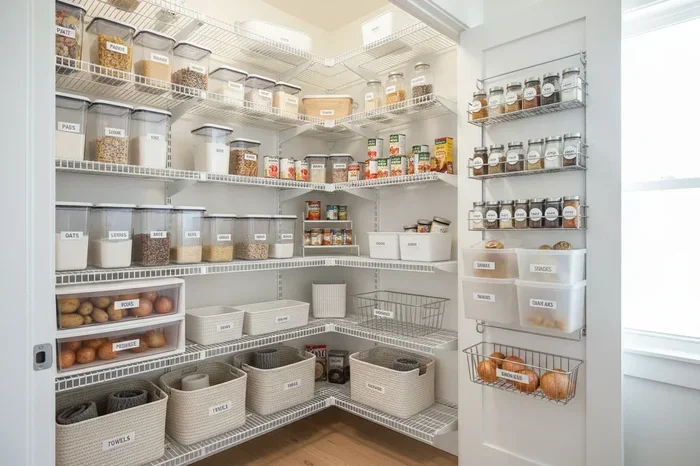
These organizers work best when you pair them with matching containers. Uniform jars and bins make everything look neat and intentional. The visual order alone makes your kitchen feel more organized, even if you have a lot of stuff stored there.
Creative Small Kitchen Shelf Ideas You Can Try Today
Now let us get into the fun part. Here are specific small kitchen shelf ideas that you can start using right away, regardless of your kitchen size or budget.
Idea 1: The Spice Wall
Turn one empty wall into a spice display. Mount a narrow floating shelf at eye level and add small jars or magnetic tins. You can store all your spices right where you cook. No more rummaging through a deep cabinet every time you need cumin or paprika.
Use matching jars for a clean look. Mason jars work great and cost very little. Add a small label maker or handwritten tags so you can find each spice instantly. This idea takes about fifteen minutes to set up and costs under twenty dollars in most cases.
Idea 2: The Pot Rack Above the Stove
A pot rack mounted above your stove frees up cabinet space for dishes and glasses instead. You hang your pots and pans on the rack, keeping them within arm reach while you cook.
Ceiling-mounted racks work well in taller kitchens. For standard-height kitchens, a wall-mounted rack that extends from the upper cabinets is a better fit. Either way, you keep heavy pots off your shelves and out of your cabinets, which makes the whole kitchen feel lighter and more open.
Idea 3: The Bookshelf-Style Kitchen Unit
If your kitchen is very small, consider a narrow bookshelf-style unit that fits against one wall. These slim units typically measure twelve to fifteen inches deep. They can hold everything from plates to pantry staples to cookbooks.
You can find these in many styles at affordable prices. Some come with adjustable shelves so you can customize the height based on what you are storing. A bookshelf unit also works as a room divider in open-concept kitchens, helping to define the kitchen area without blocking light or flow.
Idea 4: Magnetic Knife and Utensil Strips
A magnetic knife strip mounted on the wall keeps your knives accessible and off the counter. It frees up drawer space and makes your kitchen feel safer and more organized at the same time.
The same concept works for utensils. Magnetic strips designed for metal tools let you hang spoons, spatulas, and tongs right next to your stove. This is one of those space-saving shelves ideas that looks beautiful and works incredibly well in practice.
Idea 5: The Open Shelf Above the Sink
Installing a shelf directly above your sink is one of the handiest small kitchen shelf ideas out there. This spot is usually empty and wasted. A shelf there gives you a natural spot for dish soap, sponges, a small plant, or a few everyday plates.
Make sure the shelf is deep enough to hold items securely but not so deep that it bumps your head when you reach for the faucet. A depth of eight to ten inches usually works perfectly. Use waterproof materials or add a small liner since this shelf will be near water and steam.
Idea 6: Under-Shelf Baskets
Here is a clever trick that most people miss. Under-shelf baskets clip onto the front edge of any existing shelf. They hang down below the shelf, creating a second layer of storage without taking up any additional wall or shelf space.
These baskets are perfect for storing small items like packets, snacks, or lightweight jars. You can stack multiple baskets on a single shelf. They come in various sizes, and many are adjustable so you can fit them on shelves of different widths.
How to Choose the Right Shelves for Your Kitchen
With so many options available, picking the right small kitchen shelf ideas can feel overwhelming. Here are the key factors to consider before you buy or build anything.
Measure Your Available Space
Before you purchase any shelf, grab a tape measure. Note the width, depth, and height of the wall areas you plan to use. Pay special attention to clearances. You do not want a shelf that blocks your light switch or interferes with your cabinet doors.
Also measure the items you plan to store. A shelf meant for spices does not need to be as deep as one meant for dinner plates. Matching shelf size to item size prevents wasted space and keeps everything looking neat.
Consider Your Kitchen Style
Your shelves should complement the overall look of your kitchen. A rustic wooden shelf fits beautifully in a farmhouse-style kitchen. A sleek white floating shelf works well in a modern or minimalist space. Even a simple metal bracket shelf can look great if you choose a finish that matches your hardware.
You do not need to match everything perfectly. But keeping a consistent style across your shelves creates a cohesive, polished look. This small detail makes a big difference in how organized and intentional your kitchen feels.
Think About Your Budget
Kitchen storage solutions come in every price range. You can find basic wire shelves for under ten dollars each. Floating shelves in wood or bamboo typically run fifteen to forty dollars. Custom-built shelving or premium brands can cost more.
Set a budget before you shop. Focus on the areas where storage is most needed first. You can always add more shelves later as your budget allows. The most important thing is to start. Even one or two well-placed shelves can dramatically improve your kitchen organization.
Check Your Wall Type
This step matters more than most people realize. Drywall requires different anchors than plaster or brick. Tile walls need special drill bits and anchors to avoid cracking. If you are renting, check with your landlord before making any holes in the walls.
For renters, there are plenty of damage-free options. Tension-mounted shelves, adhesive-mounted brackets, and over-the-door organizers all work without any permanent changes. These let you enjoy better kitchen organization without risking your security deposit.
Weight Capacity Matters
Every shelf has a weight limit. Lightweight shelves meant for spices and mugs will not hold heavy cast iron pans. Before you load up a shelf, check its rated weight capacity. When in doubt, choose a sturdier option or add extra support brackets.
Distributing weight evenly also helps. Place heavier items on lower shelves and lighter items on upper ones. This keeps your shelves stable and prevents accidents. A little planning goes a long way in keeping your kitchen storage solutions safe and functional.
Common Mistakes to Avoid with Kitchen Shelving
Even the best small kitchen shelf ideas can fall flat if you make common mistakes. Here are the pitfalls to watch out for.
Overloading Shelves
It is tempting to cram as much as possible onto every shelf. But overloaded shelves look messy and can sag or collapse over time. Leave some breathing room on each shelf. A few well-placed items look much better and stay safer than a shelf stuffed to the brim.
Ignoring Vertical Spacing
One common mistake is placing shelves too close together. You need enough vertical space between shelves to store taller items like cereal boxes, bottles, and large jars. Measure your tallest items before deciding on shelf spacing. A little extra room makes a huge difference in how usable your shelves actually are.
Skipping Labels and Organization Systems
Shelves look great when you first install them. But without a system, they quickly become cluttered again. Use clear bins, matching jars, and labels to keep things in order. A simple labeling routine takes five minutes and keeps your shelves organized for months.
Choosing Style Over Function
It is easy to fall in love with a beautiful shelf that does not actually fit your needs. Always prioritize function first. Choose shelves based on what you need to store and how much space you have. Then find styles that match those functional requirements. The best space-saving shelves are the ones you actually use every day.
Expert Tips for Maximizing Your Shelf Space
Here are some pro tips that make a real difference in how much you can fit on your shelves and how good your kitchen looks every day.
Use Shelf Dividers
Shelf dividers keep items from sliding around and piling up. They work especially well for plates, baking sheets, and cutting boards. You can buy adjustable dividers or make your own from simple wooden strips. They instantly make your shelves look tidy and organized.
Go for Uniform Containers
Matching containers transform a cluttered shelf into a display. Use the same style of jars or bins for items like rice, pasta, flour, and sugar. This creates visual consistency and makes it easy to see when you are running low on supplies.
Add Lighting Under Your Shelves
A small LED strip light underneath a floating shelf creates a warm glow and highlights the items on display. It also makes your kitchen feel more inviting. These lights are inexpensive and easy to install with adhesive backing. They are one of the simplest upgrades you can make to your kitchen storage solutions.
Rotate Seasonal Items
Not everything needs to live on your shelves year-round. Store seasonal items like holiday baking supplies or summer grilling tools in a closet or pantry. Rotate them in when you need them. This keeps your everyday shelves from getting overcrowded and keeps the items you use most always within reach.
Keep the Top Shelf for Rarely Used Items
The top shelf of any set of shelves is the hardest to reach. Use it for items you rarely need, like special occasion dishes or backup supplies. Keep everyday items on the middle and lower shelves where they are easy to grab. This smart arrangement makes your pantry shelves and kitchen shelves much more practical.
Conclusion
Small kitchen shelf ideas are one of the simplest and most affordable ways to transform your cooking space. From floating shelves to corner organizers, there is a solution for every kitchen size and budget. The key is to start with the areas that cause you the most frustration and build from there.
You do not need a huge project or a big budget to make a real difference. Even adding just one or two well-placed shelves can free up counter space, reduce clutter, and make your kitchen feel more open and welcoming. Focus on smart kitchen organization and choose solutions that match your daily habits.
Start with one idea from this guide today. Measure your space, pick a shelf style, and install it. You will be surprised how much better your kitchen feels with just a little extra storage. Your organized, functional, beautiful kitchen is closer than you think.
Frequently Asked Questions
What are the best small kitchen shelf ideas for renters?
Renters should look for tension-mounted shelves, adhesive-mounted brackets, and over-the-door organizers. These options require no drilling or permanent changes to the walls. They are easy to install, remove, and take with you when you move to a new place.
How much does it cost to add shelves to a small kitchen?
Basic shelves can cost as little as five to fifteen dollars each. Floating shelves in wood or bamboo typically run fifteen to forty dollars. Under-cabinet and over-the-door organizers are often under twenty dollars. You can outfit a small kitchen with several shelves for under one hundred dollars total.
What type of shelves work best above a small kitchen sink?
A narrow floating shelf or a small open shelf works great above a sink. Choose a depth of eight to ten inches so it does not interfere with your faucet. Use waterproof or moisture-resistant materials since this area is exposed to steam and splashes regularly.
Can I install shelves on a tile kitchen wall without cracking them?
Yes, but you need the right tools. Use a tile-specific drill bit and apply gentle pressure to avoid cracking. Wall anchors designed for tile work well and distribute the weight safely. If you are unsure, consider hiring a handyman for the installation.
How do I keep my kitchen shelves organized long-term?
Use matching containers, shelf dividers, and labels to maintain order. Do a quick shelf check every week or two to remove items you no longer need. Keep everyday items at eye level and store rarely used items on higher or lower shelves.
What is the best shelf material for a humid kitchen environment?
Stainless steel, bamboo, and coated wood handle humidity better than untreated solid wood. These materials resist warping and moisture damage over time. If you live in a very humid climate, choose shelves with a protective finish or sealant to extend their lifespan.