
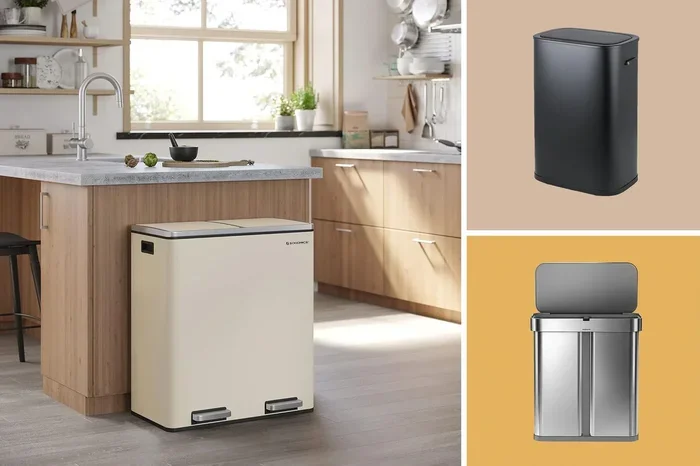
Choosing the right kitchen trash can size depends on your kitchen space, household size, and how often you take out the garbage. A small kitchen may need a compact 2- to 5-gallon bin, while larger households do well with 10- to 13-gallon cans. The right size keeps your kitchen clean, reduces odors, and makes daily cleanup a breeze.
Every kitchen needs a trash can. But picking the right one can feel surprisingly tricky. You might grab a random bin from the store only to realize it eats up too much space or fills up way too fast. The truth is, what is a good size trash can for kitchen depends on a few simple factors that are easy to figure out once you know what to look for.
This guide breaks down everything you need to know. We will cover common sizes, materials, placement ideas, and mistakes to avoid. By the end, you will feel confident choosing a kitchen garbage bin that fits your space and your lifestyle perfectly.
Let us be honest. A trash can is not the most exciting purchase. But a well-chosen bin makes a huge difference. It keeps your kitchen smelling fresh, looks tidy, and makes daily cleanup faster. Whether you have a tiny apartment kitchen or a spacious open-plan layout, the right size matters more than you think.
Key Takeaways
- Match can size to your kitchen: Small kitchens need compact bins, while large kitchens can handle oversized cans.
- Household size matters: More people means more waste, so choose a larger can or empty it more often.
- Placement affects function: Under-sink, countertop, and pull-out options each serve different needs.
- Material impacts durability: Stainless steel, plastic, and metal bins each have pros and cons for daily use.
- Avoid common sizing mistakes: Too small means frequent trips; too large wastes space and looks cluttered.
- Consider your waste habits: Recycling, composting, and general trash may need separate bins of different sizes.
📑 Table of Contents
- Why Kitchen Trash Can Size Matters
- Common Kitchen Trash Can Sizes Explained
- How to Choose the Right Size Trash Can
- Best Trash Can Types for Kitchens
- Placement Tips for Your Kitchen Trash Can
- Common Mistakes When Choosing a Kitchen Trash Can Size
- Expert Insights on Kitchen Trash Can Selection
- Key Takeaways
- Conclusion
Why Kitchen Trash Can Size Matters
The size of your kitchen waste bin affects nearly every part of your daily routine. Too small, and you will be taking out the trash multiple times a day. Too large, and it will hog precious counter or cabinet space. Finding the sweet spot saves time, reduces odors, and keeps your kitchen looking its best.
Space Constraints in Small Kitchens
Small kitchens have limited real estate. Every square inch counts. A bulky trash can can make the room feel cramped and cluttered. In tight spaces, you want a small kitchen trash can that tucks away neatly. Think under the sink, inside a cabinet, or on a slim countertop stand.
A 2- to 5-gallon bin usually works well for tiny kitchens. These compact units hold enough waste for a day or two without taking over your space. Some people even use a countertop trash can that slides into a cabinet when not in use. This keeps the floor clear and the look clean.
Space in Larger Kitchens
Larger kitchens give you more freedom. You can fit a bigger bin without worrying about blocking walkways or counter space. A 10- to 13-gallon can is standard for most full-size kitchens. These larger garbage cans for kitchen hold several days of waste, which is great for busy households.
If you have a pantry or a dedicated utility area near the kitchen, you can go even bigger. Some homeowners use a 13- to 20-gallon bin in a nearby closet or hallway. This keeps the main kitchen area tidy while still handling plenty of waste.
Common Kitchen Trash Can Sizes Explained
Trash cans come in a wide range of sizes. Understanding what each size offers helps you make a smart choice. Here is a breakdown of the most common options you will find.
Small Bins (2 to 5 Gallons)
These are the go-to choice for small kitchen trash cans. They fit easily under sinks, in corners, or on narrow countertops. A 2-gallon bin works for singles or couples who cook light meals. A 5-gallon bin gives a bit more room and suits small families.
Small bins are also great for specific tasks. You might use one for recycling only or for food scraps. They keep things organized without taking up much space. If you love meal prep like prepping Greek Salad In A Jar, a small bin nearby helps you toss scraps quickly while cooking.
Medium Bins (7 to 10 Gallons)
Medium-sized bins hit the sweet spot for most households. A 7- to 10-gallon can handles the daily waste of a family of three or four. These bins are tall enough to stand on their own and wide enough to hold a good amount of bagged trash.
Many people place medium bins next to the stove or in a corner of the kitchen. They are easy to empty and do not need to be taken out as often as smaller cans. If you cook frequently, this size will serve you well.
Large Bins (13 to 20 Gallons)
Large bins are ideal for big families or homes where trash gets collected less frequently. A 13-gallon can is the most popular size for standard kitchen use. It fits most standard trash bags and holds several days of waste.
Some kitchens use a 20-gallon bin in an adjacent pantry or laundry area. These oversized cans reduce how often you need to haul trash out. Just make sure you have the floor space and that the bin does not block pathways.
How to Choose the Right Size Trash Can
Picking the right size is not just about guessing. A few key factors will guide you to the perfect fit. Let us walk through them step by step.
Consider Your Household Size
The number of people in your home directly affects how much trash you generate. Here is a simple way to think about it:
- 1-2 people: A 2- to 5-gallon bin is usually enough.
- 3-4 people: A 7- to 10-gallon bin works well for daily use.
- 5+ people: A 13-gallon bin or larger keeps up with the waste.
If you entertain guests often or cook large meals, bump up to the next size. More people in the kitchen means more scraps, packaging, and general waste.
Think About Your Cooking Habits
How often you cook plays a big role too. If you meal prep regularly or bake often, you will generate more packaging and food waste. A larger trash can for kitchen makes sense in this case. On the other hand, if you mostly eat out or order in, a smaller bin will do the job.
Seasonal cooking also matters. During summer, you might make more frozen treats like Frozen Watermelon On A Stick, which means more scraps and packaging. Adjust your bin size with the seasons if needed.
Measure Your Available Space
Before you buy anything, grab a tape measure. Measure the space where the bin will live. This could be under the sink, beside the fridge, or in a cabinet. Write down the height, width, and depth.
Keep in mind that the bin needs room to open fully. A foot pedal trash can needs space behind it to step down. A swing-top bin needs clearance on the sides. Measure twice and buy once to avoid returns and frustration.
Decide on One Bin or Multiple Bins
More households are switching to a multi-bin setup. This means having separate cans for general trash, recycling, and compost. Each bin can be smaller since you are sorting waste into different streams.
A two-bin or three-bin system works well in kitchens with the space. Some cabinets even come with built-in pull out trash can systems that hold multiple bins side by side. This keeps everything organized and makes sorting effortless.
Best Trash Can Types for Kitchens
The type of trash can you choose affects both function and style. Different designs suit different kitchens and preferences. Here are the most popular options on the market today.
Under-Sink Trash Cans
Under-sink bins are a classic choice. They tuck away neatly and keep the trash out of sight. Most under-sink setups use a slim, tall bin that slides into the cabinet space. You can find single or double-bin options here.
The downside is that under-sink spaces can be cramped. You need to measure carefully to find a bin that fits without blocking pipes or cleaning supplies. A small under sink trash can is often the best fit for these tight spots.
Countertop Trash Cans
Countertop bins sit right on your kitchen counter. They are super convenient because you never have to bend down to throw something away. These bins usually hold 1 to 3 gallons and are perfect for food scraps and quick cleanup.
Many countertop cans come with lids to keep odors contained. Some even have a hands-free push-top design. They look sleek and modern, which is a bonus for kitchens where style matters. Just make sure you have enough counter space to spare.
Slide-Out and Pull-Out Cans
Pull-out trash cans mount inside a kitchen cabinet. You pull the bin out like a drawer, use it, and slide it back in. This design keeps the trash completely hidden and saves floor space.
These cans are a popular choice for modern kitchen remodels. They come in single or dual-bin setups. The sliding mechanism makes access easy, and the closed design helps control odors. If you are willing to invest a bit more, a pull-out system is a game changer.
Freestanding Floor Bins
Traditional freestanding bins are the most straightforward option. They stand on the floor next to a wall or in a corner. These come in all sizes, from tiny 2-gallon bins to large 20-gallon cans.
Freestanding bins are easy to move and replace. You can place them wherever you need them. The trade-off is that they take up floor space and are always visible. Choosing a stainless steel trash can or a bin with a stylish design helps it blend into your kitchen decor.
Placement Tips for Your Kitchen Trash Can
Where you put your trash can matters just as much as its size. Good placement makes the bin easy to use and keeps your kitchen looking its best. Here are some tried-and-true tips.
Near the Cooking Zone
Placing the bin near your cooking area makes cleanup faster. When you are chopping vegetables or wiping down counters, you want to be able to toss scraps without walking across the room. Keep the bin within arm’s reach of the stove and prep area.
Just make sure the bin is far enough from heat sources. Placing a plastic bin right next to the oven is not a great idea. The heat can warp the plastic and cause odors. Keep a safe gap between the trash can and any cooking appliances.
In a Dedicated Cabinet or Closet
If you prefer to hide your trash completely, a cabinet or closet is the way to go. Many kitchens have a narrow cabinet near the pantry or entry door that works perfectly for a bin. You can use a cabinet trash can that slides out or simply place a standard bin inside the cabinet.
This placement keeps the kitchen looking clean and uncluttered. It also contains odors inside a closed space. The only downside is that you need to open the cabinet every time you need to throw something away.
Avoid Blocking Walkways
Whatever you do, do not block your kitchen walkway with a trash can. A bin in the middle of a traffic path creates a tripping hazard and makes the kitchen feel cramped. Always place the bin against a wall, in a corner, or inside a cabinet.
Think about the flow of your kitchen. You want to move freely between the stove, the sink, and the fridge. A well-placed bin does not interrupt that flow. It should feel like a natural part of the kitchen, not an obstacle.
Common Mistakes When Choosing a Kitchen Trash Can Size
Even with the best intentions, people often make mistakes when picking a trash can. Knowing what to avoid saves you time, money, and frustration.
Buying Too Small
The most common mistake is buying a bin that is too small. A tiny trash can fills up fast, especially in a busy household. You end up taking out the trash multiple times a day or letting bags overflow. Neither option is pleasant. Always size up slightly if you are between two sizes.
Buying Too Large
On the flip side, a bin that is too large wastes space. A giant 20-gallon can in a tiny kitchen looks awkward and takes up room you do not have. It also means your trash bags cost more because you are filling a large bag with less waste. Match the size to your actual needs.
Ignoring the Bin Shape
People often focus only on volume and forget about shape. A tall, narrow bin fits under sinks better than a short, wide one. A wide, short bin might fit in a corner but take up more floor space. Consider the shape of the bin along with the size. The right shape makes a big difference in how well the bin fits your space.
Forgetting About Odor Control
Size is not the only factor. A good kitchen odor control bin keeps smells from spreading. Look for bins with tight-fitting lids, charcoal filters, or foot pedal openers. These features make a big difference, especially in warm weather or when you are storing food waste for a day or two.
Expert Insights on Kitchen Trash Can Selection
We spoke with a few kitchen designers and cleaning experts to get their top tips. Here is what they had to say about choosing the right trash can size.
Start with your bin before designing your kitchen. Many homeowners pick a trash can after the kitchen is built. This often leads to a poor fit. A kitchen designer from a leading home improvement brand recommends choosing the bin first and designing the space around it.
Invest in a quality pedal mechanism. A foot pedal trash can adds convenience and hygiene. You do not need to touch the lid with your hands, which reduces the spread of germs. Look for cans with metal pedals rather than plastic ones, as they tend to last longer.
Match your bin to your trash bag size. Standard kitchen trash bags are made for 13-gallon cans. If you buy a different size, you may need specialty bags, which cost more and are harder to find. Stick to common sizes to keep things simple and affordable.
Key Takeaways
- Match can size to your kitchen: Small kitchens need compact bins, while large kitchens can handle oversized cans.
- Household size matters: More people means more waste, so choose a larger can or empty it more often.
- Placement affects function: Under-sink, countertop, and pull-out options each serve different needs.
- Material impacts durability: Stainless steel, plastic, and metal bins each have pros and cons for daily use.
- Avoid common sizing mistakes: Too small means frequent trips; too large wastes space and looks cluttered.
- Consider your waste habits: Recycling, composting, and general trash may need separate bins of different sizes.
- Shape matters as much as volume: A tall narrow bin fits under sinks better than a short wide one.
Conclusion
So, what is a good size trash can for kitchen use? The answer depends on your space, your household, and your habits. A small kitchen benefits from a compact 2- to 5-gallon bin, while a large family kitchen does well with a 10- to 13-gallon can. The key is to measure your space, think about your daily routine, and choose a bin that fits both.
Do not overlook the type of bin either. Under-sink, countertop, pull-out, and freestanding options each have their strengths. Pick the one that matches your kitchen layout and lifestyle. And remember, the right bin makes daily cleanup easier and keeps your kitchen feeling fresh and organized.
Take the time to get this right. A well-chosen kitchen garbage bin is one of those small things that makes a big difference. Measure your space, consider your options, and you will find the perfect fit for your home.
Frequently Asked Questions
What is the standard kitchen trash can size?
The most common standard size is 13 gallons. This fits most regular trash bags and works well for average households. It is a reliable choice that balances capacity with kitchen space.
How do I measure for a kitchen trash can?
Measure the height, width, and depth of the space where the bin will go. Include extra room for the lid to open fully. For under-sink cans, also measure the clearance between pipes and cabinets.
Can I use two small bins instead of one large one?
Absolutely. Many households use a two-bin setup for trash and recycling. This keeps waste sorted and makes it easy to manage. Just make sure both bins fit in the space you have available.
What material is best for a kitchen trash can?
Stainless steel is durable, easy to clean, and looks great in most kitchens. Plastic bins are lightweight and affordable. Metal bins with pedal systems offer hands-free convenience and good odor control.
How often should I empty my kitchen trash can?
For most households, emptying the bin every one to two days is ideal. In warmer months, food waste breaks down faster and may need more frequent removal to control odors.
Is a foot pedal trash can worth it?
Yes. A foot pedal trash can lets you open the lid without using your hands. This is more hygienic and convenient, especially when your hands are full of food scraps or dirty dishes.

