
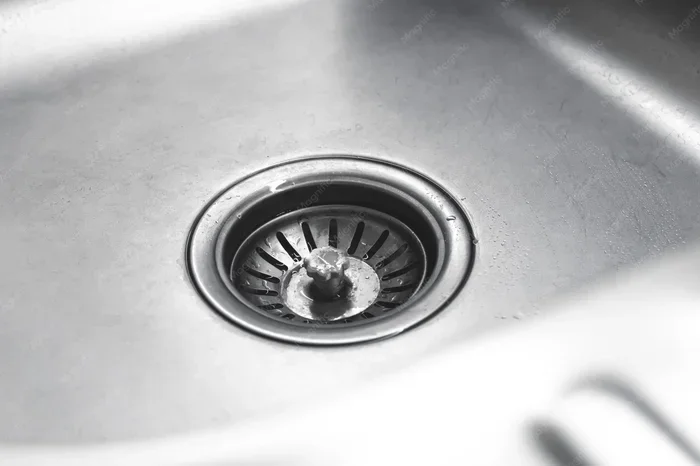
Knowing the correct kitchen sink drain size is essential for a leak-free, properly functioning sink. Standard kitchen sink drains typically come in 1 1/2 inch and 1 1/4 inch sizes, but the right choice depends on your sink type, plumbing setup, and whether you have a garbage disposal. This guide walks you through measuring, choosing, and installing the perfect drain for your kitchen.
Key Takeaways
- Standard sizes: Most kitchen sink drains are either 1 1/2 inch or 1 1/4 inch, with 1 1/2 inch being the most common.
- Measure before buying: Always measure your existing drain or sink opening to ensure a proper fit.
- Material matters: Stainless steel, chrome, and brass are the most popular drain materials, each with different durability and price points.
- Garbage disposal compatibility: If you have a garbage disposal, you need a drain assembly that connects seamlessly to the disposal unit.
- DIY-friendly: Replacing a kitchen sink drain is a manageable weekend project for most homeowners with basic tools.
- Common mistakes: Using the wrong size gasket or not properly tightening connections are the most frequent causes of leaks.
📑 Table of Contents
Understanding Kitchen Sink Drain Sizes
When was the last time you thought about your kitchen sink drain? Probably not recently, right? But here is the thing. That little hole at the bottom of your sink does a lot of heavy lifting. It carries away water, food scraps, and everything else that goes down the drain every single day. And if it is the wrong size, you are in for a world of trouble.
A kitchen sink drain might seem like a simple piece of plumbing. But it actually comes in specific sizes and configurations that matter a lot. Choosing the wrong size can lead to leaks, poor drainage, and even damage to your sink. Whether you are replacing an old drain or installing a new sink, understanding the right size is the first step. Let us break it all down so you never have to guess again.
Why Sink Drain Size Matters
You might wonder why the size of your sink drain is such a big deal. Think of it this way. If the drain hole is too small, water pools on the surface instead of flowing through. This leads to standing water, slow drainage, and frustration. On the other hand, if the drain is too large, it might not seal properly against the sink. This creates gaps where water can leak out and damage your cabinets or countertop.
The right drain size ensures a snug fit. It creates a watertight seal. It allows water to flow freely. It also works properly with your drain basket, strainer, and any other components in the assembly. Getting the size right is not just about convenience. It is about protecting your entire plumbing system.
Standard vs. Non-Standard Drain Sizes
Most kitchen sink drains fall into two standard categories. The first is the 1 1/2 inch drain, which is by far the most common size in American homes. The second is the 1 1/4 inch drain, which you will find in some smaller or older sinks. There are also non-standard sizes out there, especially in older homes or specialty sinks like farmhouse or farmhouse-style basins.
Here is a quick look at the most common sink drain sizes you will encounter:
- 1 1/2 inch drain: The standard size for most modern kitchen sinks. Fits the majority of drains and drain assemblies.
- 1 1/4 inch drain: Common in older homes, smaller sinks, or bar-style sinks. Less common but still widely available.
- 1 3/4 inch drain: Sometimes used in larger farmhouse sinks or specialty applications.
- 2 inch drain: Rare in kitchen sinks but more common in bathroom sinks or utility sinks.
When in doubt, always measure your existing drain before purchasing a replacement. Do not assume based on the age or style of your home. Sizes can vary even within the same manufacturer or model.
Common Kitchen Sink Drain Sizes Explained
Now that you know the basic size categories, let us dig deeper into what each size means in real-world terms. Not all drains are created equal, and understanding the differences will help you make the right choice.
The 1 1/2 Inch Drain: The Industry Standard
The 1 1/2 inch kitchen sink drain is the workhorse of the plumbing world. You will find it in the vast majority of homes across the country. It fits most standard kitchen sinks, whether you have a single-bowl sink, a double-bowl sink, or an undermount installation.
This size works well for a few key reasons. First, it provides a good flow rate for normal kitchen use. Second, it is compatible with most garbage disposal units on the market. Third, replacement parts and accessories are easy to find in this size. If you are not sure what size you need, 1 1/2 inch is the safest bet for most kitchen plumbing applications.
The 1 1/4 Inch Drain: Smaller but Still Common
The 1 1/4 inch drain is slightly smaller but still a perfectly functional option. You will often find this size in older homes, apartments, or homes with bar-style sinks. It is also common in some European-style sinks or compact kitchen designs where space is at a premium.
The main thing to know about the 1 1/4 inch size is that it is not as universally compatible. Some garbage disposal units and certain drain assemblies may not fit this size without an adapter. If you have a 1 1/4 inch drain, make sure to check compatibility before buying replacement parts. You may need to shop at specialty plumbing stores rather than big box retailers.
Less Common Sizes and Specialty Drains
Beyond the two standard sizes, there are a few specialty options worth mentioning. Some farmhouse or apron-front sinks use a 1 3/4 inch drain to accommodate the larger basin size. These drains often come with a wider basket to handle more water flow. Then there are pottery drains and other specialty options designed for specific sink materials like cast iron or fireclay.
If you have an unusual sink or a unique setup, do not assume the standard sizes will work. Measure carefully and consult with a plumber or hardware specialist if needed. The right drain assembly for a specialty sink may cost a bit more, but it is worth the peace of mind.
How to Measure Your Kitchen Sink Drain
Measuring your kitchen sink drain is easier than you might think. You do not need to be a plumber or have fancy tools. With a simple ruler or tape measure and a few minutes of your time, you can get an accurate reading that will guide your purchase.
Tools You Will Need
Before you start measuring, gather these basic tools. You will need a standard ruler or tape measure. A flashlight helps you see inside the drain opening. A pair of gloves keeps your hands clean. And a notepad or your phone to jot down the measurements.
Step-by-Step Measurement Guide
Follow these steps to get an accurate measurement of your sink drain opening:
- Remove the drain basket: Twist or unscrew the existing drain basket from the sink. Most baskets are removable without any special tools.
- Clean the area: Wipe away any debris, grease, or buildup around the drain opening. You want a clear view of the hole.
- Measure the diameter: Place your ruler or tape measure across the inside of the drain hole. Measure from edge to edge. This gives you the diameter of the opening.
- Measure the depth: Check how deep the drain hole is from the top surface of the sink to the bottom of the hole. This matters for certain drain assemblies.
- Check the tailpiece: If the drain is already installed, measure the tailpiece pipe that extends downward from the sink. This helps you choose the right drain assembly length.
Write down your measurements and bring them with you when you shop. Having the exact numbers saves time and prevents the frustration of buying the wrong part.
Common Measurement Mistakes to Avoid
Even a simple measurement task can go wrong. Here are a few common mistakes to watch out for. Do not measure from the outside edge of the sink. Always measure the inside of the drain opening. Do not assume the drain is perfectly round. Some sinks have slightly oval or irregular openings. And do not rely on the age of your home or sink to guess the size. Always measure directly.
How to Choose the Right Kitchen Sink Drain
Choosing a kitchen sink drain is about more than just picking the right size. You also need to consider the material, style, and features that work best for your kitchen. Let us walk through the key factors that will help you make the best decision.
Material Options for Kitchen Sink Drains
The material of your drain affects its durability, appearance, and price. Here are the most common options you will find on the market:
- Stainless steel: The most popular choice. Stainless steel drains are durable, rust-resistant, and affordable. They work well in almost any kitchen and are easy to clean.
- Chrome: Chrome drains have a bright, polished finish that matches most faucet styles. They are durable but can show water spots and scratches over time.
- Brass: Brass drains offer a classic, elegant look. They are very durable and naturally resistant to corrosion. However, they tend to cost more than stainless steel or chrome options.
- Plastic: Plastic drains are the budget-friendly option. They work fine for basic needs but may not last as long as metal alternatives. They are common in rental properties or temporary setups.
For most homeowners, a stainless steel kitchen sink drain offers the best balance of durability, price, and appearance. It is the go-to choice for good reason.
Style and Design Considerations
Drains come in different styles too. The most common is the basket strainer drain, which has a removable basket that catches food particles and debris. There are also pop-up drains, which include a lift rod mechanism for opening and closing the drain. And then there are grid drains, which are simple metal grates that sit over the drain opening without a basket.
Think about how you use your sink. If you frequently wash dishes and deal with food scraps, a basket strainer is your best bet. If you prefer a sleek, minimal look, a grid drain might be the way to go. And if you want the convenience of a pop-up drain, look for assemblies that include the pop-up mechanism.
Garbage Disposal Compatibility
If you have or plan to install a garbage disposal, your drain choice becomes more specific. Garbage disposal units require a drain assembly that connects directly to the disposal inlet. Most garbage disposals use a standard 1 1/2 inch connection, but it is always wise to double-check the manufacturer specifications.
Look for a drain assembly that includes a garbage disposal flange or adapter. This ensures a tight, leak-free connection between the sink drain and the disposal unit. Some premium drain assemblies come with built-in garbage disposal compatibility, which saves you the hassle of finding separate parts.
Installing a New Kitchen Sink Drain
Replacing a kitchen sink drain is one of the most satisfying DIY plumbing projects you can tackle. It does not require advanced plumbing skills or expensive tools. With the right parts and a little patience, most homeowners can complete the job in under an hour.
DIY vs. Professional Installation
Should you do it yourself or hire a plumber? For a simple drain replacement, the DIY route is usually the way to go. The parts are affordable, the process is straightforward, and there is a real sense of accomplishment when it is done right. However, if you are uncomfortable working under the sink or if your plumbing setup is complex, hiring a professional is always a smart choice.
Basic Installation Steps
Here is a general overview of what the installation process looks like:
- Turn off the water supply: Locate the shut-off valves under the sink and turn them off. Open the faucet to release any remaining water pressure.
- Remove the old drain: Use a wrench or channel-lock pliers to disconnect the old drain assembly. Work carefully to avoid damaging the sink or the plumbing.
- Clean the area: Remove any old plumber’s putty, grease, or debris from the sink surface and the drain opening.
- Install the new drain: Apply a thin ring of plumber’s putty around the drain flange. Insert the drain into the opening and tighten the mounting nut from underneath.
- Connect the tailpiece: Attach the tailpiece pipe to the bottom of the drain assembly. Connect it to the P-trap and the waste pipe.
- Test for leaks: Turn the water supply back on and let the water run. Check all connections for leaks. Tighten any fittings that are dripping.
Take your time with each step. Rushing through the installation is the number one cause of leaks and other problems. If something does not fit or feel right, stop and double-check your work before moving forward.
Quick Tips for a Leak-Free Installation
- Use a generous amount of plumber’s putty around the drain flange. It creates a watertight seal between the drain and the sink surface.
- Hand-tighten fittings first, then use a wrench for a quarter turn at most. Over-tightening can crack fittings or damage the sink.
- Place a towel or bucket under the sink before you start. Any water left in the pipes will drain out, and you do not want a mess on your floor.
- Check that all washers and gaskets are in place before tightening connections. Missing gaskets are the most common cause of new drain leaks.
Common Kitchen Sink Drain Problems and Solutions
Even with the right size and a proper installation, kitchen sink drains can develop problems over time. Knowing what to look for and how to fix common issues saves you time, money, and the headache of calling a plumber.
Slow Drainage
Slow drainage is one of the most common complaints homeowners have. It usually happens when grease, food particles, or soap buildup accumulates inside the drain pipe. The best solution is to regularly clean your drain with a mixture of baking soda and vinegar. For stubborn clogs, a drain snake or plunger can do the trick. Avoid chemical drain cleaners whenever possible, as they can damage your pipes over time.
Leaks at the Drain Connection
If you notice water pooling under your sink, the drain connection is likely leaking. This can happen when the gasket or washer wears out, when the connection is not tight enough, or when the plumber’s putty seal has deteriorated. In most cases, you can fix a leak by removing the drain, replacing the gasket, and reapplying plumber’s putty. If the leak persists, the drain assembly itself may need to be replaced.
Foul Odors Coming from the Drain
Bad smells from the kitchen sink drain are almost always caused by trapped food particles and grease buildup. Running hot water and dish soap through the drain after each use helps prevent odors. For existing smells, try pouring a cup of baking soda followed by a cup of vinegar down the drain. Let it sit for 15 minutes, then flush with hot water. You can also use a drain brush to physically clean the inside of the drain pipe.
When to Call a Professional Plumber
Most sink drain replacements are straightforward DIY projects. But there are situations where calling a professional is the smart move. If you have an older home with outdated plumbing, if you are dealing with a serious clog deep in the drain line, or if you notice persistent leaks that you cannot fix, it is time to call in the experts. A licensed plumber has the experience and tools to handle complex plumbing issues safely and effectively. Do not hesitate to reach out when the problem goes beyond a simple drain replacement.
Speaking of kitchen projects, if you are also looking for ways to organize your kitchen or try out new recipes, you might enjoy our Greek Salad In A Jar guide. It is a great way to prep healthy meals and keep your kitchen running smoothly.
And for a fun seasonal treat that keeps your kitchen cool, check out our Frozen Watermelon On A Stick recipe. It is the perfect way to beat the summer heat while you work on home projects.
Conclusion
The size of your kitchen sink drain might seem like a small detail, but it makes a huge difference in how your sink performs. Whether you are dealing with a standard 1 1/2 inch drain or a smaller 1 1/4 inch opening, the key is to measure accurately, choose the right material and style, and install it properly. A well-chosen drain keeps your kitchen dry, your plumbing running smoothly, and your daily routine free of frustration.
Take the time to understand your options. Follow the measurement and installation tips in this guide. And do not be afraid to ask for help when you need it. With the right kitchen sink drain in place, you can enjoy a leak-free, fully functional sink for years to come.
Frequently Asked Questions
What is the standard size for a kitchen sink drain?
The most common kitchen sink drain size is 1 1/2 inches in diameter. This is the standard size used in the vast majority of modern kitchen sinks across the United States. However, some sinks use a 1 1/4 inch drain, especially older models or smaller bar-style sinks.
Can I install a kitchen sink drain myself?
Yes, replacing a sink drain is one of the most beginner-friendly plumbing projects. You only need basic tools like a wrench, plumber’s putty, and a tape measure. The process typically takes less than an hour, and there are plenty of online tutorials to guide you through each step.
How do I know if my kitchen sink drain is the right size?
The best way to confirm the size is to measure the drain opening directly. Remove the drain basket and measure the diameter of the hole from edge to edge. If you are shopping for a replacement, bring your measurements with you to ensure a perfect fit for your drain assembly.
What materials are best for kitchen sink drains?
Stainless steel is the most popular and versatile material for kitchen sink drains. It is durable, rust-resistant, and affordable. Chrome and brass are also good options if you want a specific finish or a more premium look. Plastic drains are the budget option but may not last as long.
Why does my kitchen sink drain keep leaking?
Leaks usually happen when the gasket or washer is worn out, when the connection is not tight enough, or when the plumber’s putty seal has broken down. Replacing the gasket, tightening the connection, or reapplying plumber’s putty often solves the problem. If the leak continues, the entire drain assembly may need to be replaced.
Does the size of the drain affect water flow?
Yes, the drain size directly affects how quickly water flows out of the sink. A larger drain allows water to pass through more quickly, which reduces pooling. A smaller drain may slow down drainage, especially if the pipe is also partially clogged. For most kitchens, the standard 1 1/2 inch size provides the best balance of flow rate and compatibility.

