
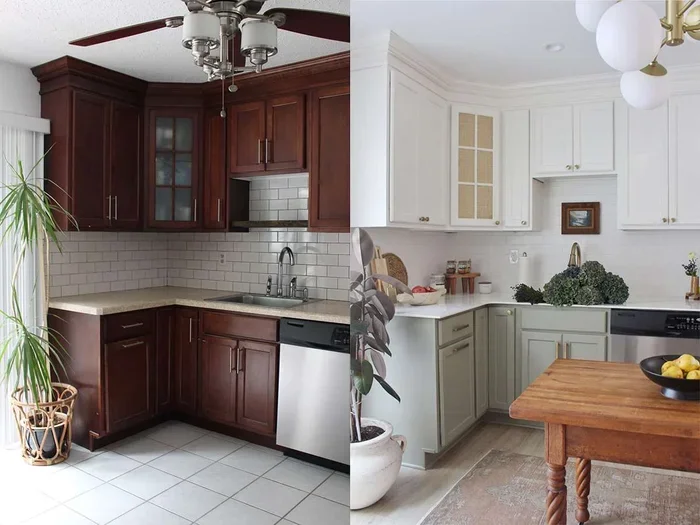
Finding the right person to paint your kitchen cabinets can transform your entire kitchen without breaking the bank. Whether you hire a professional or tackle a DIY cabinet painting project, this guide covers everything you need to know. Learn about costs, tips, and how to find the best cabinet painting services in your area.
Have you been staring at your kitchen cabinets and thinking it is time for a change? You are not alone. Many homeowners want a fresh look but do not want to spend thousands on a full kitchen renovation. The good news is that painting kitchen cabinets is one of the most affordable ways to transform your space. In this guide, we will walk you through everything you need to know about who paints kitchen cabinets near you and how you can save money doing it.
Whether you are looking for a quick weekend project or a full professional job, this article has you covered. We will break down costs, compare DIY versus hiring a pro, and give you a step-by-step process you can follow. By the end, you will feel confident about tackling your kitchen cabinet painting project the right way.
Key Takeaways
- Cost Savings: Painting cabinets costs a fraction of replacing them, saving hundreds to thousands of dollars.
- Professional vs. DIY: Both options have pros and cons depending on your budget and skill level.
- Finding Local Painters: Use online directories, reviews, and referrals to find reliable cabinet painters near you.
- Proper Prep Matters: Surface preparation is the most critical step for a flawless, long-lasting finish.
- Timeline Expectations: A full cabinet painting project typically takes 3 to 7 days, including drying time.
- Quality Products: Using the right paint and primer ensures durability and a beautiful finish in any kitchen.
📑 Table of Contents
- Why Painting Kitchen Cabinets Is a Smart Move
- How Much Does It Cost to Paint Kitchen Cabinets?
- Should You Hire a Pro or Go DIY?
- What to Look for in Cabinet Painters Near You
- The Cabinet Painting Process Explained
- Common Mistakes to Avoid When Painting Cabinets
- Final Thoughts on Finding the Right Cabinet Painter
Why Painting Kitchen Cabinets Is a Smart Move
Kitchen cabinets often take up the most visual space in a kitchen. When they look dated or worn, the entire room feels tired. Painting them is a powerful and affordable solution. Think of it like making over a dish you already love, much like how a simple Marry Me Pasta can turn a basic meal into something unforgettable. A fresh coat of paint does wonders for cabinets that have seen better days.
Here are some key reasons why cabinet painting makes sense for so many homeowners:
- Cost Effective: New cabinets can cost anywhere from $5,000 to $20,000. Painting your existing cabinets typically costs between $500 and $3,000.
- Time Saving: A full cabinet replacement can take weeks. Painting usually takes just a few days.
- Customization: You get to pick any color or finish you want. The possibilities are endless.
- Increased Home Value: A refreshed kitchen can boost your home resale value without a major investment.
- Less Waste: Reusing your cabinets is an eco-friendly choice that reduces landfill waste.
When you compare the price of new cabinetry to a simple paint job, the savings are obvious. Many homeowners report saving 70 to 80 percent by choosing to paint instead of replace. That is real money staying in your pocket.
The Transformation Factor
Do not underestimate the visual impact of freshly painted cabinets. A matte or satin finish in a modern color can make your kitchen feel brand new. Even semi-gloss or gloss finishes add a clean, polished look that elevates the entire room. The right color choice ties everything together, from your countertops to your backsplash.
How Much Does It Cost to Paint Kitchen Cabinets?
Cost is always a top concern when starting any home improvement project. The good news is that kitchen cabinet painting cost is quite reasonable compared to full replacement. Let us break down what you can expect.
Average Costs Breakdown
The total cost depends on several factors, including the size of your kitchen, the type of cabinets, and whether you hire a professional or go the DIY route.
| Option | Estimated Cost | Best For |
|---|---|---|
| DIY Paint Kit | $200 – $800 | Budget-conscious homeowners with time and patience |
| Professional Painting (Partial) | $1,000 – $2,500 | Homeowners who want quality without full service |
| Full Professional Service | $2,500 – $5,000 | Busy homeowners wanting a flawless, hands-off result |
| Refacing with Paint and New Doors | $3,000 – $7,000 | Those wanting a more dramatic upgrade |
Factors That Affect the Price
Several things influence how much you will pay for a cabinet painting project:
- Kitchen Size: Larger kitchens have more cabinets, which means more paint and more labor hours.
- Cabinet Material: Wood, MDF, and laminate all require different prep work and primer types.
- Paint Quality: High-quality paints cost more but last longer and look better.
- Prep Work Needed: Cabinets with deep scratches or water damage require extra sanding and filling.
- Number of Coats: Dark colors over light cabinets may need extra coats for full coverage.
- Hardware Removal: Some painters include removing and rehanging doors and knobs; others do not.
Always ask for a detailed cabinet painting estimate before committing. A reputable painter will walk you through every cost so there are no surprises.
Should You Hire a Pro or Go DIY?
This is the big question most homeowners face. Both options have real benefits. Let us look at each one so you can decide what makes the most sense for your situation.
Hiring a Professional Cabinet Painter
Professional painters bring experience, tools, and a polished finish. They know how to prep surfaces properly, apply paint evenly, and handle tricky spots like corners and edges. A skilled cabinet painting service can turn your kitchen into a stunning space with minimal effort on your part.
Here is what you get with a professional:
- Expert surface preparation and sanding
- High-quality primer and paint application
- Clean, even finishes with no drips or brush marks
- Proper masking and protection of countertops and fixtures
- A warranty or guarantee on their workmanship
The downside is the cost. Professional cabinet painting services can run several thousand dollars depending on your kitchen size. However, the time savings and quality results often justify the investment.
Going the DIY Route
DIY cabinet painting is absolutely doable if you have patience and basic tools. Many homeowners have achieved stunning results with a weekend project and a little elbow grease. The key is taking your time with preparation and using the right products.
Benefits of the DIY approach include:
- Lower Cost: You save on labor, which is typically the biggest expense.
- Full Control: You choose every color, finish, and technique.
- Flexibility: Work on your own schedule without booking appointments.
- Satisfaction: There is real pride in completing a project yourself.
However, DIY painting requires careful planning. You need to invest in quality brushes, rollers, paint, and primer. You also need to set aside enough time for drying between coats. If you rush the process, the results may not last as long.
Think of it like cooking a great meal from scratch. When you make something like a delicious Marry Me Pasta at home, you control every ingredient and it turns out amazing. The same principle applies to cabinet painting. You control every brushstroke and every color choice.
Quick Tip: Hybrid Approach
Not sure which route to take? Consider a hybrid approach. Hire a professional for the heavy prep work and sanding, then apply the paint yourself. This saves money while still ensuring a quality base. Many painters offer à la carte services for exactly this scenario.
What to Look for in Cabinet Painters Near You
Finding the right cabinet painting near me services can feel overwhelming. There are many options out there, and not all of them are equal. Here is how to narrow down your search and find a painter you can trust.
Check Online Reviews and Ratings
Start by searching for cabinet painters in your local area. Websites like Google, Yelp, and HomeAdvisor provide reviews from real customers. Look for painters with consistently high ratings and detailed reviews. Pay attention to comments about communication, punctuality, and finish quality.
Ask for Before-and-After Photos
A good painter will have a portfolio of previous work. Ask to see before-and-after photos of cabinet projects they have completed. This gives you a clear idea of their skill level and the quality of finish you can expect.
Get Multiple Estimates
Never settle on the first estimate you receive. Contact at least three different painters and ask for written quotes. Compare what is included in each estimate, such as prep work, number of paint coats, and whether hardware removal is part of the service.
Verify Licensing and Insurance
Always confirm that your chosen painter is licensed and insured. This protects you in case of accidents or damage during the project. A licensed professional also follows local building codes and standards.
Ask About Their Process
A professional painter should be able to explain their process in detail. Ask questions like:
- What type of primer do you use?
- How many coats of paint do you apply?
- Do you remove doors and hardware or paint them in place?
- What is your expected timeline?
- Do you offer a warranty on your work?
The answers will tell you a lot about their professionalism and attention to detail.
The Cabinet Painting Process Explained
Understanding the cabinet painting process helps you set realistic expectations and ensures the best possible outcome. Whether you hire a pro or do it yourself, the steps are basically the same.
Step 1: Remove and Label Everything
Start by removing all cabinet doors, drawers, and hardware. Label each piece with tape or a marker so you know exactly where it goes back. Take photos before removal to make reassembly easier.
Step 2: Clean Thoroughly
Cabinets collect grease and grime over the years. Use a degreaser or TSP solution to clean every surface. This is essential for paint adhesion. Skip this step and you risk peeling or chipping later.
Step 3: Sand and Prep
Lightly sand all surfaces with fine-grit sandpaper (220 grit works well). This creates a textured surface for the paint to grip. Wipe away all dust with a tack cloth before moving on.
Step 4: Apply Primer
Primer is non-negotiable for a lasting finish. It seals the surface, blocks stains, and helps paint adhere evenly. Apply one to two coats of primer and let each coat dry fully before adding the next.
Step 5: Paint in Thin, Even Coats
Use a high-quality paint brush or foam roller for smooth application. Apply thin coats rather than thick ones. Thick coats take longer to dry and are more prone to drips and bubbles. Two to three coats of paint typically give the best results.
Step 6: Reassemble and Enjoy
Once everything is completely dry, reattach the hardware and hang the doors and drawers back in place. Stand back and admire your handiwork. Your kitchen should look refreshed and vibrant.
Following this process carefully is what separates a good paint job from a great one. Rushing through any step will show in the final result.
Common Mistakes to Avoid When Painting Cabinets
Even the best intentions can lead to problems if you skip important steps. Here are the most common mistakes homeowners make when painting cabinets and how to avoid them.
Skipping Surface Preparation
This is the number one mistake. Skipping cleaning, sanding, or priming leads to poor paint adhesion and a finish that peels quickly. Always take the time to prep every surface properly.
Using the Wrong Type of Paint
Not all paints are created equal. Use a paint designed for cabinets or high-traffic surfaces. Look for paints labeled as durable, washable, and self-leveling. Avoid cheap paints that require many coats and still look uneven.
Applying Paint Too Thick
Thick paint coats dry unevenly and are more likely to drip. Thin, even coats dry faster and look much smoother. Patience is your best friend here.
Not Letting Paint Dry Between Coats
Rushing the drying process between coats causes sticking, peeling, and uneven texture. Follow the manufacturer’s recommended drying time for each coat. Usually, 2 to 4 hours between coats is sufficient.
Forgetting to Paint the Inside of Doors
It is easy to focus on the front of cabinet doors and forget the inside. Paint both sides for a consistent, professional look. This also prevents the inside from absorbing moisture and warping.
Ignoring Ventilation
Paint fumes can be strong and harmful. Always work in a well-ventilated area. Open windows and use fans to keep air circulating. If you are sensitive to fumes, wear a mask.
Final Thoughts on Finding the Right Cabinet Painter
Choosing who paints kitchen cabinets near you is a decision that affects your budget, your timeline, and the final look of your kitchen. Take the time to research local painters, read reviews, and get multiple estimates. Whether you hire a professional or take on a DIY cabinet painting project, proper preparation and quality materials are the keys to success.
A fresh coat of paint can breathe new life into your kitchen at a fraction of the cost of a full renovation. It is one of the best investments you can make for your home. Start your kitchen cabinet painting project today and enjoy a beautiful, refreshed space for years to come.
Remember, the best results come from patience and attention to detail. Whether you are painting a single cabinet or your entire kitchen, every step matters. Choose your cabinet painting services wisely, use quality products, and enjoy the transformation.
So go ahead and find that perfect painter in your area. Your dream kitchen is closer than you think, and the savings compared to full replacement are hard to beat.
Frequently Asked Questions
How long does it take to paint kitchen cabinets?
A typical cabinet painting project takes about 3 to 7 days, including drying time between coats. DIY projects may take a bit longer since you work at your own pace. Professional painters can often complete the job faster due to experience and dedicated equipment.
Can you paint over laminate kitchen cabinets?
Yes, you can paint over laminate cabinets, but proper prep is essential. Lightly sand the surface to create adhesion, use a bonding primer, and apply quality paint. Without the right primer, paint may peel off laminate surfaces over time.
What is the best paint for kitchen cabinets?
Acrylic-latex or oil-based paints work best for kitchen cabinets. Look for paints labeled as durable, washable, and designed for high-traffic surfaces. Semi-gloss or satin finishes are popular choices because they are easy to clean and resist moisture well.
Is it cheaper to paint cabinets or buy new ones?
Painting cabinets is significantly cheaper than buying and installing new ones. On average, painting costs between $500 and $3,000, while new cabinets can range from $5,000 to $20,000 or more depending on materials and kitchen size.
Do I need to remove cabinet doors to paint them?
Yes, removing doors and drawers gives you the best results. It allows you to paint all surfaces evenly, including edges and the inside of doors. If you cannot remove them, painting in place is possible but takes more care and time.
How do I find reliable cabinet painters in my area?
Start by searching online for local cabinet painters and checking reviews on Google, Yelp, or HomeAdvisor. Ask friends and neighbors for recommendations. Always request written estimates and ask for before-and-after photos of previous work to gauge quality.
=== CONCLUSION ===
Finding who paints kitchen cabinets near you does not have to be a stressful process. With the right information, you can make a confident decision that saves you money and delivers beautiful results. Whether you choose a professional cabinet painting service or take on a DIY cabinet painting project, the key is preparation, quality materials, and patience.
Start by getting estimates from local painters, comparing your options, and choosing the approach that fits your budget and timeline. Your kitchen deserves a fresh look, and painted cabinets are one of the smartest ways to achieve it without the high cost of replacement.

