
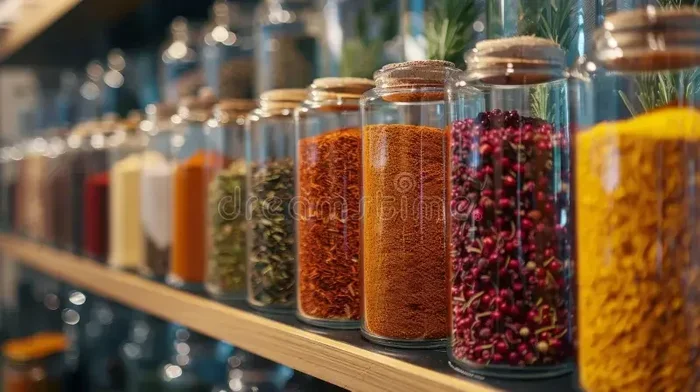
Every kitchen deserves a well-stocked spice rack filled with the right spices for cooking. These top 20 spices every kitchen needs will transform simple meals into flavorful dishes. From aromatic cumin to warming cinnamon, these essential spices cover every cuisine and taste preference.
Every home cook knows the secret to great food starts in the pantry. A well-stocked spice rack can turn plain ingredients into something extraordinary. Whether you are a beginner or a seasoned chef, having the right spices for cooking on hand makes all the difference.
So what exactly should every kitchen have? After years of testing recipes and experimenting with flavors, we have narrowed it down to the top 20 spices every kitchen needs. These essential spices cover every base, from bold savory dishes to sweet desserts and everything in between.
Think of this list as your personal roadmap to building the perfect spice cabinet. You do not need to buy everything at once. Start with the basics and slowly expand your collection. Along the way, we will share tips on storage, usage, and how to pair these cooking seasonings like a pro.
Before we dive in, let us talk about why spices matter so much. They add depth, aroma, and complexity to food. A simple chicken breast becomes something special with the right blend of flavor enhancers. And the best part? Most of these culinary spices cost very little and last a long time when stored properly.
Key Takeaways
- Essential Foundation Spices: Salt, black pepper, cumin, and garlic powder form the backbone of most recipes.
- Global Flavor Boosters: Turmeric, paprika, and oregano bring international flair to your dishes.
- Sweet and Warm Spices: Cinnamon, nutmeg, and cardamom add depth to both sweet and savory cooking.
- Proper Storage Matters: Keeping spices in a cool, dark place preserves their flavor and potency longer.
- Start Simple, Build Up: You don’t need all 20 at once. Add them gradually as your cooking confidence grows.
📑 Table of Contents
- Why Every Kitchen Needs a Good Spice Collection
- The Essential Foundation Spices
- Spices That Add Warmth and Sweetness
- Spices for Bold and Smoky Flavors
- Spices for International Cuisine
- Herbs and Finishing Spices
- How to Store Your Spices for Maximum Freshness
- Quick Tips for Using Spices Like a Pro
- Common Mistakes to Avoid with Spices
- Final Thoughts
Why Every Kitchen Needs a Good Spice Collection
Cooking without spices is like painting without color. You can still do it, but the result feels flat and uninspired. A strong collection of kitchen spices gives you the power to create countless dishes from just a few base ingredients.
Having a well-organized spice rack organization system also saves time. You will not be rummaging through cabinets trying to find that jar of smoked paprika. When your spice storage is set up right, cooking becomes faster and far more enjoyable.
Another reason to invest in quality pantry staples is cost savings. A small jar of cumin or coriander can elevate an entire meal for just pennies. Compare that to buying pre-made sauce mixes full of preservatives and artificial flavors. Whole spices and ground spices both have their place, and we will cover that below.
Whole Spices vs Ground Spices
Whole spices last longer and have stronger flavor, but they need a spice grinder to use. Ground spices are convenient and ready to go. A good kitchen setup includes both. If you have the space, consider keeping a small spice grinder on your counter for fresh grinding whenever you need it.
The Essential Foundation Spices
Every great spice rack starts with a solid foundation. These first spices handle the majority of everyday cooking tasks. They are versatile, affordable, and used in cuisines around the world.
1. Salt
Salt is the king of all cooking seasonings. It enhances the natural flavor of every ingredient. Without salt, food tastes bland and unfinished. Keep kosher salt or sea salt on hand for everyday use. Always salt your food in layers while cooking for the best results.
2. Black Pepper
Freshly ground black pepper pairs beautifully with salt. It adds a gentle heat and depth to meats, vegetables, and even eggs. Invest in a good pepper mill. Pre-ground pepper loses its punch quickly, and you will taste the difference.
3. Garlic Powder
Garlic powder delivers consistent garlic flavor without the hassle of chopping fresh cloves. It works wonders in marinades, rubs, and sauces. This is one of those pantry staples you will reach for almost every day.
4. Cumin
Cumin has a warm, earthy flavor that anchors Mexican, Indian, and Middle Eastern dishes. It is the backbone of taco seasoning and many curry blends. Buy whole cumin seeds and grind them fresh for the best aroma and taste.
Spices That Add Warmth and Sweetness
These kitchen spices bring a gentle warmth and sweetness to your cooking. They work beautifully in both savory and sweet recipes, making them incredibly versatile additions to your spice cabinet.
5. Cinnamon
Cinnamon is not just for desserts. It adds a warm, sweet depth to chili, stews, and even roasted meats. Ceylon cinnamon is milder and more refined than cassia cinnamon. Both are excellent, so choose based on your taste preference and budget.
6. Nutmeg
A pinch of nutmeg transforms creamy sauces, mashed potatoes, and baked goods. It has a warm, slightly sweet flavor that complements dairy-based dishes perfectly. Freshly grated nutmeg tastes far better than the pre-ground version, so consider investing in a small grater.
7. Cardamom
Cardamom is one of the most aromatic spices in the world. It appears in Indian chai, Scandinavian baked goods, and Middle Eastern rice dishes. Green cardamom pods are the most common variety. Crack them open to release the seeds inside before using them in your recipes.
Spices for Bold and Smoky Flavors
If you love bold, intense flavors, this section is for you. These essential spices add depth, smoke, and excitement to your meals. They are perfect for anyone who enjoys kitchen and grill cooking or wants to add restaurant-quality flavor to home-cooked meals.
8. Smoked Paprika
Smoked paprika brings a rich, smoky sweetness to any dish. It is fantastic on roasted vegetables, grilled meats, and in soups. A little goes a long way, so start with small amounts and adjust to taste. This is a true flavor enhancer that punches well above its weight.
9. Chili Powder
Chili powder is a blend of dried chili peppers and other spices like cumin and garlic. It adds heat and complexity to tacos, chili con carne, and marinades. Different brands vary in heat level, so taste as you go. This is a must-have for anyone who loves a little spice in their life.
10. Cayenne Pepper
Cayenne is pure heat. It is much hotter than chili powder and gives you precise control over the spice level in your food. A tiny pinch can transform a bland soup into something vibrant and exciting. Keep it handy but use it sparingly until you know your spice tolerance.
11. Oregano
Oregano is the heartbeat of Italian and Mediterranean cooking. It pairs perfectly with tomatoes, olive oil, and grilled meats. Dried oregano is more concentrated than fresh, so use less when substituting. It also works beautifully in homemade pizza sauce and on roasted vegetables.
Spices for International Cuisine
One of the joys of cooking is exploring flavors from around the world. These international spices open the door to cuisines you might not have tried before. They are easy to find and incredibly affordable.
12. Turmeric
Turmeric is a vibrant golden spice with powerful health benefits and a warm, slightly bitter flavor. It is the base of most curry powders and gives Indian dishes their signature golden color. Add a pinch to rice, soups, or even smoothies for an earthy boost.
13. Garam Masala
Garam masala is a fragrant Indian spice blend that typically includes cinnamon, cardamom, cloves, and cumin. It adds warmth and complexity to curries, lentil dishes, and roasted vegetables. You can buy it pre-made or blend your own for a fresher, more personalized flavor.
14. Chinese Five Spice
Chinese five spice is a fragrant blend of star anise, cloves, cinnamon, Sichuan pepper, and fennel seeds. It brings a complex sweet-savory-licorice flavor to stir-fries, roasted pork, and duck dishes. A small jar goes a long way, and it adds an authentic touch to Asian-inspired meals.
15. Za’atar
Za’atar is a Middle Eastern blend of dried thyme, oregano, sumac, and sesame seeds. It has a tangy, herbaceous flavor that works wonderfully on flatbreads, roasted vegetables, and mixed with olive oil as a dip. If you have never tried it, za’atar is a gateway to a whole world of new flavors.
Herbs and Finishing Spices
These culinary spices are often used at the end of cooking or as garnishes. They add brightness, freshness, and a professional touch to your dishes. They are the finishing touches that take a meal from good to great.
16. Basil
Fresh basil is a staple of Italian cooking and pairs beautifully with tomatoes, pasta, and pesto. Dried basil works well in sauces and soups when fresh is not available. Basil also adds a lovely aroma to salads and sandwiches.
17. Thyme
Thyme is a quiet powerhouse in the kitchen. It complements poultry, soups, stews, and roasted vegetables with its subtle earthy flavor. Both fresh and dried thyme work well, though dried thyme is more concentrated. Strip the leaves from the stem before adding them to your dishes.
18. Rosemary
Rosemary has a strong, pine-like aroma that pairs perfectly with roasted potatoes, lamb, and bread. Use it sparingly, as its flavor can overpower delicate dishes. Fresh rosemary sprigs make beautiful garnishes and add a wonderful fragrance when roasting meats in the oven.
19. Paprika (Regular)
Do not confuse regular paprika with smoked paprika. Regular paprika is mild, slightly sweet, and adds beautiful color to dishes. It is wonderful on deviled eggs, potato salads, and as a garnish for soups. It is one of those pantry staples that quietly makes everything look and taste better.
20. Coriander (Ground)
Ground coriander comes from the same plant as cilantro but has a completely different flavor. It is warm, citrusy, and slightly sweet. It works beautifully in curries, spice rubs, and baked goods. Coriander is a versatile flavor enhancer that deserves more attention in home kitchens.
How to Store Your Spices for Maximum Freshness
Proper spice storage is just as important as buying quality spices. Heat, light, and moisture are the enemies of flavor. Keep your spice rack away from the stove and direct sunlight. A cool, dark cupboard is the ideal spot for your spice cabinet.
Whole spices last much longer than ground ones. Whole cumin, peppercorns, and cinnamon sticks can stay fresh for up to four years. Ground spices typically lose their potency after six months to a year. Label your jars with the date you opened them to keep track.
If you have been cooking for a while, you might already have a collection of spices hiding in various cabinets. Take stock of what you have before buying new ones. This saves money and prevents waste. A well-organized spice rack organization system makes it easy to see what you have and what you need.
When it is time to restock, consider visiting a bulk spice store or an online kitchen supplies sale for better prices. Buying in larger quantities of the spices you use most often makes financial sense. Just make sure you have proper storage containers to keep them fresh.
Quick Tips for Using Spices Like a Pro
- Toast whole spices in a dry pan before grinding them. This wakes up their oils and intensifies the flavor dramatically.
- Add ground spices early in cooking so they have time to bloom and release their full flavor into the dish.
- Taste as you go. You can always add more spice, but you cannot take it away once it is in the pot.
- Keep a small notebook of your favorite spice combinations and the dishes they work best in.
- Use a pinch of salt when toasting spices in oil. It helps them release their flavors faster.
- Experiment with grilling and spice rubs to discover new flavor profiles that work over open flame.
Building your spice collection is a journey, not a destination. Start with the basics and gradually explore new flavors. Over time, you will develop your own preferences and instincts for what works in different dishes. The goal is to make cooking more enjoyable and flavorful every single day.
Remember that the best spices for cooking are the ones you actually use. There is no point buying cardamom if you never cook Indian food. Focus on the spices that match your cooking style and favorite cuisines. You can always expand your collection as your confidence and curiosity grow.
Having a well-stocked spice rack also makes kitchen and grill sessions more fun. A simple rub of cumin, paprika, and garlic powder transforms a basic piece of chicken into something memorable. Whether you are cooking indoors or firing up the grill, the right spices are your best tool for creating delicious meals.
Finally, do not overlook the importance of a clean and organized cooking space. If your kitchen feels cluttered or outdated, a refresh might be in order. Even small changes like adding proper spice storage or updating your spice rack organization can make your cooking experience more enjoyable. For those considering bigger changes, exploring options for kitchen renovations Sydney or looking into new kitchen gadgets that help with spice prep can be a great next step.
Common Mistakes to Avoid with Spices
Even experienced cooks sometimes make mistakes with their spice collection. Here are a few pitfalls to watch out for:
- Buying spices in bulk without checking freshness. Old spices lose their flavor completely. Always smell a spice before using it. If it has no aroma, it is time to replace it.
- Storing spices near the stove or oven. The heat and humidity will degrade them much faster. Find a cool, dry spot instead.
- Using too much of strong spices like cayenne. A little goes a long way. Start small and build up the flavor gradually.
- Confusing similar spices. Cumin and coriander look similar but taste very different. Always double-check the label before adding them to your dish.
Avoiding these simple mistakes will keep your spice cabinet full of potent, flavorful options. Your food will taste better, and you will waste less money on spices that go bad before you use them.
Final Thoughts
The top 20 spices every kitchen needs are more than just a shopping list. They are the building blocks of countless delicious meals. From the foundational trio of salt, pepper, and garlic powder to the exotic warmth of cardamom and za’atar, each spice plays a unique role in creating memorable food.
Building your spice collection does not happen overnight. Start with the essentials and let your curiosity guide you as you explore new flavors. Before long, you will instinctively reach for the right spice at the right time. Your spice rack will become your most trusted tool in the kitchen.
The beauty of cooking with quality spices for cooking is that it costs very little but delivers enormous results. A few well-chosen cooking seasonings can elevate a humble meal into something truly special. So go ahead, stock your spice cabinet, and start experimenting. Your taste buds will thank you.
Frequently Asked Questions
What are the top 5 spices every kitchen should have?
The top five essential spices for cooking are salt, black pepper, cumin, garlic powder, and paprika. These five pantry staples handle the majority of everyday recipes and form the foundation of a well-stocked spice rack.
How often should I replace my spices?
Ground spices should be replaced every six months to one year for the best flavor. Whole spices last much longer, typically up to three or four years. Always smell your spices before using them. If they have lost their aroma, it is time to replace them.
What is the difference between whole spices and ground spices?
Whole spices are the dried, intact form of the spice, like peppercorns or cumin seeds. Ground spices are finely milled versions of whole spices. Whole spices retain their flavor longer, while ground spices are more convenient and ready to use immediately.
Can I substitute one spice for another in recipes?
Yes, you can often substitute spices, but the flavor profile will change. For example, you can use a pinch of cumin in place of coriander for a stronger, earthier taste. Experimentation is part of the fun of cooking with kitchen spices. Just start with small amounts and adjust to your preference.
What is the best way to store spices?
Store spices in airtight containers in a cool, dark cupboard away from heat and moisture. Avoid storing them right next to the stove or oven. Proper spice storage keeps them fresh and flavorful for much longer, preserving the quality of your spice cabinet.
Do I need expensive spices to cook well?
Not at all. You do not need expensive spices to cook delicious meals. Focus on buying quality essential spices from reputable brands and storing them properly. Even affordable spices can produce incredible results when used correctly and fresh. A well-organized spice rack with basic spices beats an expensive collection that sits unused.
=== CONCLUSION ===
Stocking your kitchen with the top 20 spices every kitchen needs is one of the simplest and most rewarding investments you can make as a home cook. These essential spices give you the freedom to tackle recipes from around the world without ever leaving your spice rack. Start with the foundation spices, build up gradually, and enjoy the journey of discovering new flavors. Happy cooking!

