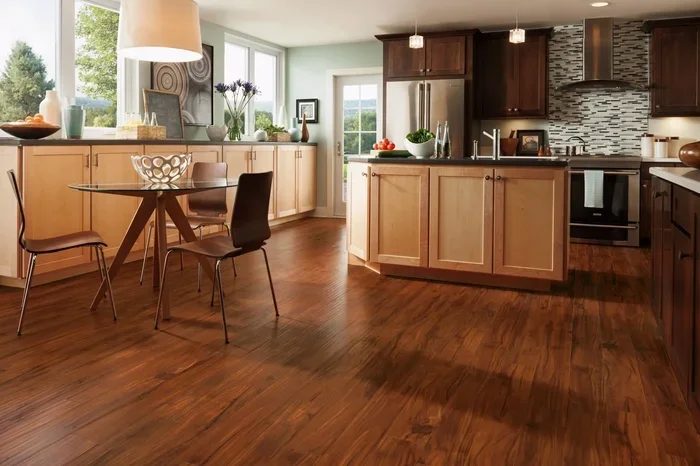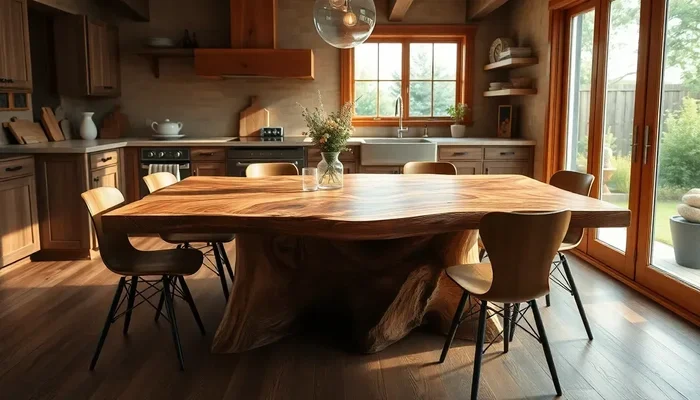
Knowing how wide a kitchen table should be is the key to a comfortable and functional dining space. The right width ensures enough elbow room, proper traffic flow, and a stylish fit for your kitchen. This guide covers standard widths, shape-specific measurements, and practical tips for choosing the perfect fit.
Have you ever walked into a kitchen and felt like the table was either too cramped or too lost in the space? That feeling usually comes down to one thing: width. When it comes to kitchen tables, how wide is a kitchen table matters more than most people realize. The right width affects comfort, movement, and even the way your whole kitchen feels.
Whether you are furnishing a tiny apartment kitchen or a spacious open-plan home, understanding table dimensions can save you from buying the wrong piece. This guide breaks down everything you need to know about kitchen table dimensions, from standard widths to shape-specific measurements. By the end, you will know exactly what to look for.
Key Takeaways
- Standard kitchen table width: Most rectangular tables range from 36 to 42 inches wide, with 36 inches being the most common choice for everyday use.
- Shape matters: Round tables typically measure 36 to 60 inches in diameter, while square tables range from 36 to 48 inches per side.
- Space planning is critical: Always leave at least 36 inches of clearance around the table for comfortable movement and chair placement.
- Seating capacity drives width: A table for 4 needs at least 36 inches of width, while a table for 6 or more requires 42 inches or more.
- Measure your room first: Before buying, measure your kitchen space and account for chairs, traffic lanes, and any nearby appliances or cabinets.
📑 Table of Contents
- Standard Kitchen Table Widths
- How Wide Should a Kitchen Table Be for Your Space
- Kitchen Table Shapes and Their Widths
- How to Measure Kitchen Table Width Correctly
- Choosing the Right Kitchen Table Width
- Common Kitchen Table Width Mistakes to Avoid
- Quick Tips for the Perfect Kitchen Table Width
- Expert Insights on Kitchen Table Sizing
- Conclusion
Standard Kitchen Table Widths
The most common question people ask is, “How wide is a kitchen table supposed to be?” The answer depends on a few factors, but there are some standard measurements that work for most homes. Let us break them down.
Rectangular Table Widths
Rectangular tables are the most popular choice for kitchen dining. The standard rectangular table width falls between 36 and 42 inches. Here is a quick look at common sizes:
- 36 inches wide: This is the go-to width for a table seating four people. It works well in most kitchens and provides enough surface for everyday meals.
- 42 inches wide: Ideal for seating six or more people. This width gives each person more elbow room and room for serving dishes.
- 48 inches wide: A wider option best suited for large families or those who love to entertain. It requires a bigger kitchen to avoid feeling crowded.
Most designers agree that 36 inches is the sweet spot for a standard family table. It balances functionality with space efficiency. If you are unsure, starting at 36 inches is a safe bet.
Square Table Widths
Square tables offer a cozy, intimate feel. The typical square table width ranges from 36 to 48 inches. A 36-inch square table comfortably seats four, while a 48-inch version can handle six people with ease.
One thing to keep in mind: square tables take up more floor space than you might expect. Make sure your dining space can accommodate the full footprint before committing to a larger size.
Round Table Widths (Diameter)
Round tables are measured by diameter rather than width. Common sizes include:
- 36 inches in diameter: Seats two to four people. Perfect for small kitchens or breakfast nooks.
- 48 inches in diameter: Seats four to six people comfortably.
- 60 inches in diameter: A larger round table that seats six to eight. Best for open-concept kitchens.
Round tables have a unique advantage: they eliminate sharp corners and allow for easier movement around the seating area. This makes them a great choice for kitchens with tight layouts.
How Wide Should a Kitchen Table Be for Your Space
Choosing the right kitchen table dimensions is not just about the table itself. You also need to consider the room around it. A beautiful table will feel wrong if it crowds your kitchen or blocks walkways.
The 36-Inch Rule
Interior designers follow a simple rule: leave at least 36 inches of clearance on all sides of the table. This space allows people to pull out chairs, move around comfortably, and avoid bumping into other furniture or walls.
Here is a quick way to think about it:
- Table width + 36 inches on each side = minimum room width needed.
- Table length + 36 inches on each end = minimum room length needed.
For example, if you have a 36-inch wide table, your kitchen needs at least 108 inches (9 feet) of width to keep things comfortable. This calculation is essential for any kitchen table size guide.
Small Kitchens: Making Every Inch Count
If your kitchen is on the smaller side, you have options. A small kitchen table that is 30 to 34 inches wide can still feel functional. Drop-leaf tables and fold-out designs are also excellent space-saving solutions.
Another option is a bistro table, which typically measures about 24 to 30 inches wide. These compact tables work great for two people and fit easily into tight corners.
Large Kitchens: Going Big with Confidence
Large kitchens give you freedom. A large dining table measuring 42 to 48 inches wide can become the centerpiece of the room. You can even fit a bench on one side to maximize seating without adding extra chairs.
In spacious kitchens, consider a table that is at least 7 to 8 feet long. This gives everyone plenty of elbow room and room for serving platters, drinks, and decorative items.
Kitchen Table Shapes and Their Widths
The shape of your table plays a big role in determining the right width. Each shape offers different benefits for kitchen dining furniture layouts.
Rectangular Tables
Rectangular tables are the most versatile shape. They fit along walls or in the center of a room. The standard width of 36 to 42 inches works for most households. These tables are ideal for families who eat together regularly and need consistent surface area for meals and homework.
Round Tables
Round tables promote conversation because everyone can see each other easily. Their width (diameter) ranges from 36 to 60 inches. They also work well in corners or oval-shaped kitchen spaces where rectangular tables might not fit as naturally.
Square Tables
Square tables are great for two to four people. They typically measure 36 to 48 inches on each side. Their compact footprint makes them a popular choice for studio apartments and breakfast bars.
Oval Tables
Oval tables combine the benefits of rectangular and round designs. They typically range from 36 to 48 inches wide and are excellent for larger families. The rounded edges make it easier to move around the table in tight spaces.
How to Measure Kitchen Table Width Correctly
Measuring your table width correctly is simple but important. Here is a step-by-step guide to get accurate table measurements every time.
- Gather your tools. You will need a tape measure and a notepad to jot down numbers.
- Measure the top surface. Place the tape measure across the widest part of the table top from one side to the other. This is your table width.
- Measure the legs or base. Some tables have wider bases than the top. Make sure the base fits through doorways and into your kitchen layout.
- Account for overhang. Most tables have a 1 to 2 inch overhang on each side. This does not change the width measurement but matters for clearance.
- Check the height. Standard table height is 28 to 30 inches from the floor to the top surface. Counter height tables measure about 34 to 36 inches.
Always write down your measurements before shopping. It is easy to forget dimensions when you are browsing stores or scrolling online.
Choosing the Right Kitchen Table Width
Now that you know the standard widths and how to measure, it is time to choose the right table for your home. Here are some practical tips to guide your decision.
Consider Your Daily Routine
Think about how you use your kitchen table every day. Do you eat quick breakfasts, work on a laptop, or host weekend dinners? A table that is 36 inches wide handles most daily tasks well. If you regularly work or craft at the table, consider going wider for more table surface area.
Match the Table to Your Dining Chairs
The width of your dining chair width affects how much space each person needs. Standard dining chairs are about 18 to 20 inches wide. Plan for at least 24 inches of table width per person for comfortable seating.
If you use wider chairs or bench seating, add a few extra inches to your width requirements. Comfort should always come first.
Think About Traffic Flow
Walk through your kitchen and picture the table in place. Can you still open the refrigerator? Is there a clear path to the sink and stove? Good dining space planning means the table enhances your kitchen, not hinders it.
When in doubt, use painter’s tape to outline the table dimensions on your floor. This gives you a real sense of the space it will occupy.
Style and Material Considerations
Wood, glass, and metal tables each have different thicknesses that can affect the overall feel. A thick wooden table might add 2 to 3 inches to the visual width. Glass tables feel lighter and more open, which can make a narrow kitchen feel less cramped.
Choose a material that matches your kitchen style while meeting your width needs. A well-chosen material can make even a standard-width table look like a custom piece.
Common Kitchen Table Width Mistakes to Avoid
Even the best intentions can lead to mistakes when choosing a table width. Here are the most common ones and how to avoid them.
Skipping the Room Measurement
The biggest mistake is buying a table without measuring the room first. Always measure your available space and subtract the 36-inch clearance zone on each side. A table that looks perfect in a store photo may feel suffocating in a small kitchen.
Ignoring Chair Space
Some people measure only the table and forget about the chairs. Each chair needs about 18 to 24 inches of width, plus room to pull out. Factor this into your total space planning before making a purchase.
Choosing Style Over Function
That gorgeous farmhouse table looks amazing in photos, but is it practical for your kitchen? Always prioritize function. A beautiful table that forces you to squeeze past chairs every morning will quickly become frustrating.
Forgetting About Seasonal Needs
Do you host holiday dinners or birthday parties? If so, you may need a wider or extendable table during special occasions. An extendable table lets you keep a compact width for daily use and expand when needed.
Not Testing the Layout
Before you commit, try setting up the table (or a taped outline) in your kitchen. Spend a day living with it. Notice where you bump, where the light falls, and how the flow feels. This simple test can save you from a costly return.
Quick Tips for the Perfect Kitchen Table Width
- Measure your kitchen first. Know your available space before shopping.
- Stick to 36 inches for four people. This is the most versatile width for everyday use.
- Go 42 inches for six or more people. Extra width means more comfort at the table.
- Leave 36 inches of clearance on all sides. This ensures easy movement and chair access.
- Consider extendable tables. They offer flexibility for both daily use and entertaining.
- Match table width to your chairs. Allow at least 24 inches of table width per seated person.
If you are planning a dinner party and want to impress your guests, setting a beautiful table is just as important as choosing the right width. A well-set table with a dish like Greek Salad In A Jar can make your meal feel special without extra effort. The salad is easy to prepare ahead of time and looks stunning when served at the table.
For those summer gatherings or casual outdoor meals, consider refreshing treats like Frozen Watermelon On A Stick to complement your dining setup. These simple, fun snacks pair perfectly with a well-proportioned table and create a memorable experience for your guests.
Expert Insights on Kitchen Table Sizing
Interior designers and furniture experts agree on a few key principles when it comes to how wide is a kitchen table. First, always prioritize comfort over aesthetics. A table that looks great but leaves no room for elbows will not be used daily.
Second, think about the long term. If you plan to start a family or host guests regularly, choosing a slightly wider table now can save you from replacing furniture later. A table that seats six comfortably today can become the heart of family gatherings for years to come.
Finally, do not underestimate the power of proportion. A table that is too wide for a small kitchen will dominate the room and make it feel smaller. A table that is too narrow for a large kitchen will look lost and underwhelming. Finding the right balance is the key to a harmonious space.
Experts also recommend visiting showrooms or testing tables in person whenever possible. Photos and measurements on a screen do not always capture how a table truly feels in a real space. Trust your instincts and choose a table that makes you feel comfortable and excited to use it every day.
Conclusion
Finding the right how wide is a kitchen table comes down to understanding your space, your needs, and the standard measurements available. A standard width of 36 inches works for most households, while 42 inches or more suits larger families and frequent entertainers.
Remember to measure your room, account for clearance, and choose a shape that fits your kitchen layout. Whether you prefer a compact square table or a spacious rectangular one, the right width will make your kitchen feel welcoming and functional every single day.
Use the tips and measurements in this guide to make a confident choice. The perfect kitchen table dimensions are out there waiting for you. All you need is a little planning and the right information to find them.
Frequently Asked Questions
What is the standard width for a kitchen table?
The standard kitchen table width for a rectangular table is 36 inches. This size comfortably seats four people and works well in most kitchen spaces. For larger households, 42 inches is a popular choice.
How much space do I need around a kitchen table?
You should leave at least 36 inches of clearance on all sides of the table. This allows enough room for chairs, movement, and comfortable dining. In smaller kitchens, 30 inches of clearance can work in a pinch.
Can a kitchen table be too wide?
Yes, a table can be too wide for your kitchen. If the table takes up more than one-third of your kitchen floor space, it may feel crowded. Always measure your room and plan the layout before buying a wide table.
What width table seats six people comfortably?
A table that is at least 42 inches wide comfortably seats six people. This width provides enough elbow room and surface area for meals, drinks, and shared dishes without feeling cramped.
Is counter height different from standard table height?
Yes, counter height tables measure about 34 to 36 inches tall, while standard tables are 28 to 30 inches. The width measurements remain similar, but the height difference affects chair choice and overall comfort.
What is the best table shape for a small kitchen?
Round and square tables work best in small kitchens. A round table with a 36-inch diameter or a square table at 36 inches wide takes up less floor space and allows for easier movement. These shapes are ideal for small kitchen table setups.
=== CONCLUSION ===
Choosing the right kitchen table width is one of the most important decisions you will make for your kitchen. With the right measurements, a little planning, and the guidance in this article, you can find a table that fits perfectly and feels great every day. Start with the standard widths, consider your space and seating needs, and trust your instincts. The perfect table is waiting for you.