
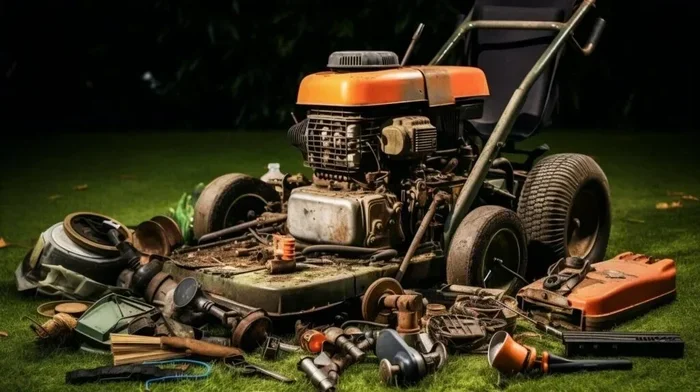
Knowing where to dispose of a lawn mower doesn’t have to be confusing or stressful. Whether you have a gas-powered push mower, a riding mower, or an electric model, there are safe and responsible ways to get rid of it. This guide walks you through every option, from recycling centers and retailer trade-in programs to donation and professional junk removal services.
Your old lawn mower has served you well through summers of cutting grass, edging hedges, and keeping your yard looking its best. But every tool has a lifespan, and when that mower finally gives out, you need to know exactly where to dispose of a lawn mower the right way. Throwing it in the trash or leaving it by the curb is not only irresponsible, it can also harm the environment and break local rules.
The good news is that you have more options than you might think. From recycling centers and retailer trade-in programs to donation drives and professional junk removal, there is a safe path forward for every type of mower. This guide covers everything you need to know about lawn mower disposal so you can make a smart, guilt-free choice.
Whether your push mower has a dull blade, your riding mower won’t start, or you simply upgraded to a newer model, this article will walk you through each step. You will learn how to prepare your mower, where to take it, and what to do with leftover fluids and parts. Let us get into it.
Key Takeaways
- Recycling is the greenest option: Most lawn mowers contain metal, plastic, and oil that can be recycled at local centers.
- Retailer trade-in programs save effort: Many home improvement stores accept old mowers when you buy a new one.
- Donation helps your community: Working mowers can benefit nonprofits, schools, and community gardens.
- Proper preparation is essential: Drain fluids, remove batteries, and clean the mower before disposal.
- Professional junk removal handles the heavy lifting: Services like 1-800-GOT-JUNK or local haulers make disposal effortless.
- Never dump a lawn mower in a dumpster or landfill carelessly: It harms the environment and may violate local laws.
📑 Table of Contents
Why Proper Lawn Mower Disposal Matters
You might wonder why proper disposal of a lawn mower is such a big deal. After all, it is just a machine, right? Wrong. Lawn mowers contain several materials that can seriously damage the environment if they end up in a landfill or get dumped illegally.
Environmental Impact of Improper Disposal
Gas-powered mowers hold small engines that contain oil, gasoline, and other hazardous fluids. When these leak into soil and groundwater, they contaminate ecosystems. The metal components, including steel blades and iron engine blocks, take decades to decompose in a landfill. Plastic housings and fuel tanks add to the waste problem even further.
Recycling lawn mowers prevents these harmful materials from entering the ground and waterways. It also reduces the need for new raw materials, which saves energy and natural resources. Even electric mowers contain batteries and wiring that should be handled properly through battery recycling programs.
Legal Considerations
Many states and municipalities have strict rules about disposing of small engines and appliances. Some areas classify old mowers as household hazardous waste if they still contain fuel or oil. Dumping a mower illegally can result in fines. Understanding local waste disposal regulations helps you avoid penalties and do the right thing.
How to Prepare Your Lawn Mower for Disposal
Before you take your mower anywhere, you need to prep it properly. This step is often overlooked, but it makes every disposal option safer and more efficient.
Drain All Fluids
Start by draining the fuel tank completely. Run the engine until it uses up any remaining gasoline, or siphon the fuel into a approved container. Next, change the engine oil if the mower still has oil in it. Used oil is considered household hazardous waste in many areas and cannot go in regular trash. Store used fluids in sealed containers and take them to a hazardous waste collection site.
Remove the Battery
If you have an electric or cordless mower, remove the battery before disposal. Lithium-ion batteries and lead-acid batteries need to be recycled separately. Many hardware stores and recycling centers accept old batteries for free. Never throw batteries in the trash, as they can leak toxic chemicals and even cause fires.
Clean and Secure the Mower
Give your mower a quick wash to remove grass clippings, dirt, and debris. This makes it easier to handle and prevents messes during transport. Disconnect the spark plug wire on gas mowers for safety. Wrap sharp blades in cloth or cardboard to prevent injuries during transport.
Top Places to Dispose of a Lawn Mower
Now for the most important part: where to dispose of a lawn mower in your area. Here are the best options, ranked by convenience and environmental impact.
Option 1: Recycling Centers
Scrap metal recycling is one of the most eco-friendly ways to get rid of an old mower. Most local recycling centers accept small appliances and lawn equipment. They separate the metal, plastic, and other materials for proper processing.
Before you go, call ahead and confirm they accept lawn mowers. Some centers require you to drop off the mower at the curb, while others have a designated drop-off area. You may need to pay a small fee, especially if the mower still contains fluids. But many centers will accept it for free if it is properly drained.
Quick Tip: Search online for “metal recycling near me” or “appliance recycling center” to find options in your area. Many cities also host household hazardous waste collection events where you can drop off mowers and other items for free.
Option 2: Local Dumps and Transfer Stations
Your local solid waste facility or transfer station often accepts old lawn mowers. These facilities are equipped to handle small engines, metals, and other materials safely. They sort items for recycling, composting, or proper landfill disposal.
Check your city or county website for details on drop-off hours and any fees. Some transfer stations have designated days for appliance disposal where you can bring items like mowers, refrigerators, and washing machines at no cost.
Quick Tip: Bring your owner’s manual or a photo of the mower model if possible. Staff may need to identify the type of fluids or materials inside before accepting it.
Option 3: Retailer Trade-In Programs
If you are buying a new mower, consider using a retailer trade-in program. Stores like Home Depot, Lowe’s, and local lawn equipment dealers often accept old mowers when you purchase a replacement. Some offer discounts on your new purchase as an incentive.
This option is incredibly convenient. You do not need to transport the old mower yourself, and the retailer handles all the responsible disposal and recycling. It is a win-win for you and the environment.
Quick Tip: Call your local store ahead of time. Trade-in policies vary by location, and some stores only accept mowers of the same brand they sell.
Option 4: Donation
If your mower still works, donating an old lawn mower is a fantastic option. Many organizations accept functioning equipment and put it to good use. Consider donating to:
- Habitat for Humanity ReStores: These stores sell donated goods to fund home-building projects.
- Local community gardens: Many gardens need mowers to maintain shared green spaces.
- Schools and vocational programs: Technical schools often use old mowers for training and repair classes.
- Nonprofits and churches: Organizations that help low-income families may accept working mowers.
- Neighbors or local buy-nothing groups: Facebook Marketplace, Nextdoor, and Freecycle are great places to give your mower away for free.
Quick Tip: Even if your mower has minor issues, a local repair shop or handy neighbor might be able to fix it. Always ask before assuming it is too old to donate.
Option 5: Junk Removal Services
If you do not want to deal with transport at all, professional junk removal services are an excellent choice. Companies like 1-800-GOT-JUNK, LoadUp, and local haulers will pick up your old mower from your driveway or garage. They handle all the sorting and recycling for you.
Prices vary, but most services charge between $50 and $150 for a single item pickup. Some offer discounts if you are disposing of multiple items at once. This is the easiest option if you have a heavy riding mower or limited mobility.
Quick Tip: Ask the junk removal company upfront about their recycling and disposal practices. Reputable services prioritize eco-friendly disposal and will recycle or donate items whenever possible.
Option 6: Manufacturer Take-Back Programs
Some mower manufacturers offer take-back or buy-back programs for their products. Brands like Honda, Briggs & Stratton, and Toro sometimes accept old mowers for recycling or refurbishment. Check the manufacturer’s website or call their customer service line to see if your model qualifies.
Quick Tip: Keep your original receipt or proof of purchase if possible. Some programs require proof that you purchased the mower from them directly.
Handling Lawn Mower Parts and Fluids
Disposing of the mower body is only part of the process. You also need to handle the fluids and parts properly to stay safe and compliant with local regulations.
Engine Oil Disposal
Used engine oil is a hazardous material that should never go down the drain or into the trash. Most auto parts stores, including AutoZone and O’Reilly, accept used oil for free. Some recycling centers also have dedicated oil collection bins. Always store used oil in a sealed, leak-proof container.
Fuel Disposal
Leftover gasoline is flammable and toxic. Do not store it indefinitely, and never pour it on the ground or into a storm drain. Your local hazardous waste facility will accept old fuel. Some communities host seasonal collection events where you can drop off fuel and other chemicals safely.
Blade and Metal Part Disposal
The mower blade is typically made of high-carbon steel and can be recycled at most scrap metal facilities. If the blade is still sharp, wrap it securely in cardboard and label it as “sharp.” Some recycling centers will accept the blade separately from the rest of the mower.
Lawn Mower Disposal by Type
Different types of mowers require slightly different disposal approaches. Here is a quick breakdown.
Gas-Powered Mowers
Gas mowers are the most complex to dispose of because they contain fuel, oil, and a small engine. You must drain all fluids before taking the mower to a recycling center or dump. The engine block and metal housing are highly recyclable.
Electric and Cordless Mowers
Electric mowers are simpler to dispose of because they do not contain fuel or oil. The main concern is the battery. Battery recycling is essential for cordless models. Remove the battery and take it to a dedicated battery recycling drop-off. The rest of the mower, including the plastic housing and metal frame, can go to a recycling center.
Riding Mowers and Tractors
Riding mowers contain larger engines, more fluids, and heavier metal components. Because of their weight, you may need a trailer or professional lawn mower pickup service to transport them. Many scrap yards accept riding mowers for scrap metal recycling and will even pay you a small amount based on the weight of the metal.
Push Mowers (Manual, No Engine)
Manual push mowers are the easiest to dispose of. They contain no fuel, oil, or batteries. Most recycling centers accept them without any special preparation. If the mower is still in decent shape, consider donating it or selling it secondhand.
Common Mistakes to Avoid When Disposing of a Lawn Mower
Avoiding common mistakes saves you time, money, and headaches. Here are the biggest errors people make when getting rid of an old mower.
- Throwing it in the regular trash: Most curbside trash services will not pick up lawn mowers, and it is illegal in many areas. Mowers contain hazardous materials that belong in proper recycling or disposal channels.
- Leaving fluids in the mower: Dropping off a mower with fuel or oil still inside can get it rejected at recycling centers and transfer stations. Always drain fluids first.
- Ignoring battery disposal rules: Lithium-ion and lead-acid batteries require special handling. Tossing them in the trash creates fire risks and environmental contamination.
- Dumping it illegally: Leaving a mower by the side of the road or in a wooded area is illegal and harmful. It also costs taxpayers money to clean up.
- Assuming it has no value: Even old, non-working mowers have scrap metal value. Recycling centers and scrap yards may pay for the metal content.
Quick Tips for Easy Lawn Mower Disposal
Follow these simple tips to make the lawn mower disposal process as smooth as possible:
- Start early: Do not wait until the last minute. Give yourself a week or two to explore options and schedule pickups.
- Call ahead: Always confirm hours, fees, and acceptance policies before visiting a recycling center or transfer station.
- Keep records: Take photos of the mower before disposal, especially if you are claiming a trade-in discount or donation deduction.
- Check local regulations: Your city or county website will have the most up-to-date information on appliance disposal rules and collection events.
- Ask about pickup: Some recycling centers and junk removal services offer free or low-cost pickup for large items like riding mowers.
- Consider the season: Spring and fall are peak times for lawn mower recycling programs and collection events. Plan ahead for these busy seasons.
Conclusion
Knowing where to dispose of a lawn mower is more than just a practical task, it is a responsibility that protects the environment and supports your community. Whether you choose recycling, donation, a retailer trade-in program, or professional junk removal, every option keeps harmful materials out of landfills and gives your old mower a second life in some form.
Take the time to drain fluids, remove batteries, and research local options before you dispose of your mower. The effort is small, but the impact is significant. By following the steps outlined in this guide, you can ensure that your lawn mower disposal is safe, legal, and as eco-friendly as possible.
Now that you have all the information you need, pick the option that works best for your situation and take action today. A properly disposed mower is one less piece of waste in our world, and one more step toward a cleaner, greener future.
Frequently Asked Questions
Can I throw a lawn mower in the regular trash?
In most cases, no. Lawn mowers contain hazardous fluids, metals, and batteries that should not go in regular trash. Many municipalities prohibit placing small appliances and engines in curbside waste bins. Always check your local waste disposal regulations before tossing a mower in the trash.
How do I find a recycling center near me that accepts lawn mowers?
Start by searching online for “lawn mower recycling near me” or “scrap metal recycling near me.” You can also check your city or county website for a list of approved recycling centers and drop-off locations. Calling ahead is always a good idea to confirm they accept mowers and to ask about any fees.
Can I donate a broken lawn mower?
It depends on the extent of the damage. Some nonprofits and repair shops accept broken mowers and fix them up for reuse. Contact local Habitat for Humanity ReStores, community gardens, or vocational schools to ask if they are interested. Even non-working mowers may have value for parts or scrap metal.
What should I do with the gas left in my lawn mower?
Do not pour old gasoline down the drain or into the trash. Take it to your local hazardous waste collection site or a household hazardous waste event. Many auto parts stores also accept used fuel. Store the gasoline in a sealed, approved container during transport.
Are there any costs associated with lawn mower disposal?
Costs vary depending on the option you choose. Recycling centers and transfer stations may charge a small fee, typically between $5 and $25. Retailer trade-in programs are usually free, especially when you are buying a new mower. Junk removal services charge between $50 and $150 for pickup. Donation is free, and scrap yards may even pay you for the metal content.
Is it better to recycle or donate a lawn mower?
Both options are excellent, and the best choice depends on the condition of your mower. If it still works, donation is a great way to help others and reduce waste. If it is broken or non-functional, recycling ensures the metal, plastic, and other materials are recovered and reused. Either way, you are making a responsible choice for the environment.

