
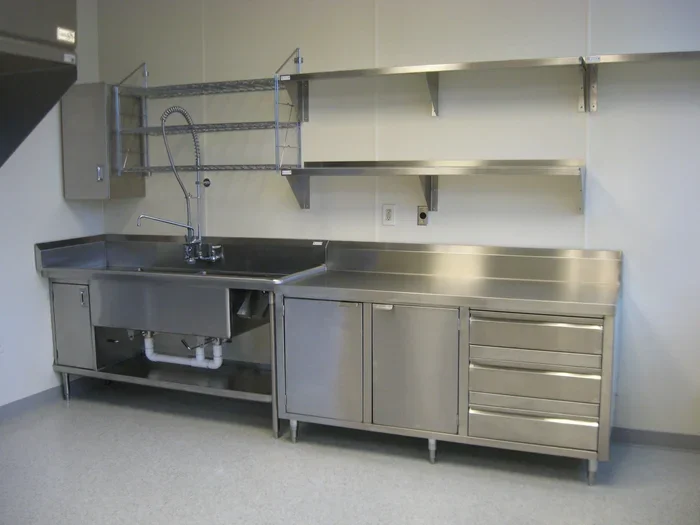
Commercial kitchen shelving is the backbone of every organized restaurant kitchen. Whether you run a small cafe or a large dining establishment, the right shelving boosts efficiency, keeps food safe, and saves valuable space. This guide covers everything from material choices to installation tips you can use today.
Key Takeaways
- Right Material Matters: Stainless steel, wire shelving, and chrome each offer unique benefits for different kitchen zones.
- Organization Drives Profit: Proper commercial kitchen shelving reduces waste, speeds up prep, and keeps your team moving.
- Safety Comes First: Always check weight capacity, use food-safe materials, and follow health code requirements.
- Zone-Based Layouts Work Best: Separate dry storage, refrigeration, and prep areas with purpose-built shelf systems.
- Adjustability Is Key: Shelves that adjust in height let you adapt as your menu and inventory change over time.
- Maintenance Extends Life: Regular cleaning and inspection keep your shelving performing for years.
- Budget Smart: Invest in quality now to avoid costly replacements and downtime later.
📑 Table of Contents
- Why Commercial Kitchen Shelving Is the Heart of Every Restaurant
- Types of Commercial Kitchen Shelving
- Choosing the Right Material for Your Kitchen
- Designing Your Kitchen Layout with Shelving
- Installation Tips for Commercial Kitchen Shelving
- Maintenance and Care for Long-Lasting Shelving
- Common Mistakes to Avoid with Kitchen Shelving
- Quick Tips for Better Kitchen Shelving
- Conclusion
Why Commercial Kitchen Shelving Is the Heart of Every Restaurant
Every great restaurant starts with a well-organized kitchen. And at the center of that organization sits commercial kitchen shelving. It holds your ingredients. It keeps your tools within reach. It shapes how your team moves during the busiest dinner rush.
Think about your kitchen right now. Do you have enough space to store dry goods, fresh produce, and cleaning supplies? Are items easy to grab during a hectic service? If you answered no to either question, your shelving setup might be the problem.
The right restaurant storage solutions do more than just hold stuff on shelves. They create a workflow. They reduce prep time. They help your staff find what they need without searching through clutter. In a restaurant, time is money. And good shelving saves both.
Many restaurant owners overlook shelving when planning their kitchen. They focus on ovens, fryers, and grills. But without proper kitchen rack systems, even the best equipment becomes hard to use. You need a system that works with your space, your menu, and your team.
This guide walks you through everything you need to know. From material options to layout strategies, you will find practical advice you can apply right away. Let us dive in.
Types of Commercial Kitchen Shelving
Not all shelving is the same. Different materials and designs serve different purposes. Understanding your options helps you make smarter buying decisions.
Stainless Steel Shelving
Stainless steel shelves are the gold standard in commercial kitchens. They resist rust, handle high heat, and meet strict food safety rules. Most health inspectors prefer stainless because it is easy to sanitize.
These shelves come in various sizes. You can find heavy-duty options that hold up to 1,000 pounds per shelf. They work beautifully in dry storage areas and prep stations. The smooth surface wipes clean in seconds, which matters during health inspections.
One downside? Stainless steel can be pricey. But it lasts for decades with proper care. Over time, the investment pays for itself through durability and reduced replacement costs.
Wire Shelving
Wire shelving offers excellent airflow, which makes it ideal for refrigeration units and coolers. The open wire design allows cold air to circulate evenly around stored items. This helps maintain consistent temperatures and keeps food fresher longer.
Wire shelves are lightweight and affordable. They come in chrome-coated or galvanized versions. Chrome looks sleek and resists moisture well. Galvanized wire offers extra strength for heavier items.
A common use for wire shelving is in walk-in coolers and freezers. The drainage through the wire prevents water pooling, which reduces mold and bacteria growth. Many restaurants also use wire shelving in their dry storage areas for the same ventilation benefits.
Chrome Shelving
Chrome shelving combines the look of stainless steel with a lighter, more affordable price tag. It has a shiny, polished finish that gives kitchens a professional appearance. Chrome shelves work well in areas where appearance matters, like front-of-house display kitchens.
The chrome coating resists corrosion better than standard steel. However, it is not as durable as stainless steel under heavy use. For lighter-duty applications, chrome shelving is a solid choice that looks great.
Under-Counter Shelving
Under-counter shelving maximizes the space beneath your counters and workstations. These compact units fit into tight areas where standard shelving would not work. They are perfect for storing frequently used items close at hand.
Many chefs love under-counter shelves for their prep stations. They keep knives, cutting boards, and small tools organized and within arm’s reach. This setup reduces walking distance during service, which speeds up overall kitchen workflow.
Wall-Mounted Shelving
Wall-mounted shelves free up valuable floor space. They mount directly to walls, keeping items off the ground and out of walkways. This is especially useful in smaller kitchens where every square foot counts.
You can use wall-mounted shelves for spices, canned goods, and dry ingredients. They also work well for storing clean dishes and glassware in some setups. The key is to install them at the right height for easy access.
Choosing the Right Material for Your Kitchen
Material selection affects everything from cleanliness to cost. Let us break down the most common options and where each works best.
Stainless Steel vs. Wire Shelving
Stainless steel wins for durability and sanitation. It handles heavy loads and withstands constant cleaning with harsh sanitizers. Use it in areas that need to pass strict health inspections.
Wire shelving wins for ventilation and affordability. It is the go-to choice for coolers, freezers, and areas where air circulation matters. Wire also weighs less, making installation easier and faster.
Many restaurants use both. Stainless steel in the dry storage and prep areas. Wire shelving in the refrigeration zones. This combination gives you the best of both worlds.
Food-Safe Materials
Not all shelving materials are food-safe. Always look for materials that meet FDA or local health code standards. Food-safe shelving prevents chemical leaching and contamination. This is non-negotiable in any commercial kitchen.
Stainless steel, food-grade plastic, and coated wire are all considered food-safe. Avoid raw, untreated metals and materials that can harbor bacteria in porous surfaces. When in doubt, check with your supplier about compliance certifications.
Weight Capacity and Load Ratings
Every shelf has a weight limit. Exceeding it can cause shelves to sag, bend, or collapse. This creates safety hazards and can damage stored inventory.
Check the shelf weight capacity before purchasing. Heavy-duty shelving rated for 500 to 1,000 pounds per shelf works well for most restaurant applications. Store heavier items like bulk rice, oil drums, and canned goods on lower shelves where they are stable and easy to access.
Designing Your Kitchen Layout with Shelving
A smart shelving layout improves efficiency and keeps your kitchen running smoothly. The way you arrange your kitchen storage ideas directly impacts how fast your team can work.
Zone-Based Organization
Divide your kitchen into zones. Each zone should have its own shelving tailored to the items stored there.
- Dry Storage Zone: Use stainless steel or heavy-duty shelving for canned goods, grains, and packaging supplies.
- Refrigeration Zone: Wire shelving in coolers and freezers allows proper air circulation around stored food.
- Prep Zone: Under-counter shelves and countertop organizers keep tools and ingredients close at hand.
- Cleaning Zone: Dedicated shelving for chemicals, scrub brushes, and sanitizing supplies keeps them separate from food.
This zone-based approach, sometimes called the kitchen workflow method, reduces cross-contamination risk and speeds up service during peak hours.
Vertical Space Utilization
Do not ignore your walls and ceiling height. Overhead storage racks and tall shelving units use the vertical space many kitchens waste. Mount shelves as high as safely possible to maximize your floor area.
Use shelf standards and adjustable brackets so you can change shelf heights as needed. This flexibility lets you accommodate different-sized containers and seasonal inventory changes without buying new shelving units.
Accessibility and Ergonomics
Place the items you use most often at arm level. Heavy items go on lower shelves. Lightweight items go higher. This principle, called the ergonomic shelf placement rule, reduces strain on your team and prevents injuries.
Keep frequently used items within the “reach zone” — the area between your hips and shoulders. Items used less often can go on higher or lower shelves. This simple adjustment makes a big difference in daily kitchen speed.
Installation Tips for Commercial Kitchen Shelving
Proper installation ensures your shelving stays safe and functional for years. Follow these tips to get the best results.
Wall Anchoring and Bracket Support
Always anchor heavy shelving units to walls or floors. A fully loaded shelf can become a dangerous projectile if it tips over. Use sturdy shelf brackets rated for the weight you plan to store.
For wall-mounted units, find studs or use heavy-duty wall anchors. Do not rely on drywall alone to hold the weight of a loaded commercial shelf. The extra effort in proper mounting pays off in safety and longevity.
Spacing Between Shelves
Leave enough space between shelves to fit your largest containers. A good rule of thumb is at least 12 to 18 inches of vertical clearance per shelf. This allows you to store standard restaurant food pans, large bins, and bulk items without wrestling them into tight spaces.
Adjustable shelf standards make it easy to change spacing later. As your menu evolves and storage needs shift, you can reconfigure your shelves without replacing the entire unit.
Leveling and Stability
Use a level when installing shelves. Uneven shelves cause items to slide and create instability. In a busy kitchen, vibrations from equipment and foot traffic can shift poorly mounted shelves over time.
Check your shelving regularly for loose bolts, wobbly brackets, and signs of wear. A quick inspection every few weeks catches small problems before they become big safety issues.
Maintenance and Care for Long-Lasting Shelving
Your commercial kitchen shelving works hard every day. Regular maintenance keeps it performing at its best and extends its lifespan significantly.
Daily Cleaning Routine
Wipe down shelves at the end of each shift. Remove crumbs, spills, and debris that attract pests. In food preparation areas, sanitize shelves with approved food-safe cleaning solutions.
For stainless steel shelves, use a mild detergent and a soft cloth. Avoid abrasive cleaners that can scratch the surface. Scratches create tiny crevices where bacteria can hide, which creates health code problems.
Inspecting for Wear and Damage
Inspect your shelving monthly for signs of rust, bending, or loose connections. Catching damage early prevents shelf failures that could damage inventory or injure staff.
Replace any shelf that shows significant rust or structural weakening. Do not try to “make it work” with a damaged shelf. The risk is not worth the savings of a quick repair.
Using Shelf Liners and Accessories
Shelf liners protect shelves from scratches and make cleaning easier. Perforated plastic liners allow airflow while preventing small items from falling through gaps in wire shelving.
Consider adding shelving accessories like bins, dividers, and hanging hooks. These add-ons maximize organization and help your team find items quickly. Small investments in accessories can dramatically improve your kitchen’s efficiency.
Common Mistakes to Avoid with Kitchen Shelving
Even experienced restaurant owners make shelving mistakes. Here are the most common ones and how to avoid them.
Overloading Shelves
The most common mistake is exceeding the weight capacity of a shelf. It is tempting to stack everything on one shelf to save space. But overloaded shelves sag, bend, and eventually fail. Always check the manufacturer’s weight rating and stay well within it.
Ignoring Ventilation Needs
Using solid shelves in a cooler or freezer traps moisture and blocks airflow. This leads to ice buildup, uneven cooling, and potential food safety issues. Always use wire shelving in refrigerated areas unless you have a specific reason not to.
Skipping the Right Shelving for the Zone
Using the same shelving everywhere is a mistake. Each kitchen zone has different requirements. Dry storage needs sturdy, easy-to-clean shelves. Refrigeration needs ventilated wire units. Prep stations need compact, accessible options. Match your shelving to the zone for the best results.
Neglecting Local Health Codes
Health codes vary by location and can change without warning. Using shelving that does not comply can result in fines or even shutdowns. Always check with your local health department and verify that your commercial kitchen shelving meets all current regulations.
Quick Tips for Better Kitchen Shelving
- Label every shelf with its contents and expiration dates to reduce waste and speed up restocking.
- Use the FIFO method (First In, First Out) by placing newer items behind older ones on each shelf.
- Install LED strip lights under overhead shelves to improve visibility during prep and service.
- Choose shelving with a matte finish in high-grease areas to reduce glare and improve visibility.
- Keep a spare set of shelf standards and brackets on hand for quick replacements during busy periods.
- Train your staff on proper shelving use so everyone maintains the system you have set up.
- Reassess your shelving layout quarterly as your menu and inventory needs change over time.
Conclusion
Commercial kitchen shelving might not be the most glamorous part of your restaurant, but it is one of the most important. The right shelving system transforms chaos into order. It protects your food. It supports your team. And it helps your restaurant run at its best every single day.
Take the time to evaluate your current setup. Identify what is working and what is not. Invest in quality materials that fit your kitchen’s unique needs. Whether you choose stainless steel, wire, or a combination of both, the goal remains the same: a clean, organized, and efficient workspace.
Great kitchens are built on great systems. And your shelving system is one of the most fundamental ones you will ever create. Start today, and your kitchen — and your bottom line — will thank you.
Frequently Asked Questions
What is the best material for commercial kitchen shelving?
Stainless steel is widely considered the best material for most commercial kitchens. It resists rust, handles heat well, and meets food safety standards. However, wire shelving works better in refrigeration areas where airflow is essential. Many restaurants use both materials in different zones for the best results.
How much weight can commercial kitchen shelving hold?
Weight capacity varies by material and design. Heavy-duty commercial kitchen shelving units can hold between 500 and 1,000 pounds per shelf. Always check the manufacturer’s specifications before loading shelves. Distribute weight evenly and place heavier items on lower shelves for stability.
How often should I replace my restaurant shelving?
Quality shelving can last 10 to 20 years with proper maintenance. Inspect your shelves regularly for rust, bending, or loose fittings. Replace individual shelves or brackets as needed rather than replacing entire units. The key is consistent maintenance to extend the life of your investment.
Can I use residential shelving in a commercial kitchen?
It is not recommended. Residential shelving is not built to handle the heavy loads, constant cleaning, and high-moisture environments of a commercial kitchen. Restaurant storage solutions are specifically designed for durability, food safety, and health code compliance. Using residential shelving can create safety and sanitation risks.
What health code requirements apply to kitchen shelving?
Health codes typically require food-safe materials, proper spacing off the floor, and adequate ventilation in storage areas. Most jurisdictions require shelves to be at least six inches off the floor in dry storage. Check with your local health department for specific rules that apply to your area and your type of food service operation.
How do I organize my kitchen shelves for maximum efficiency?
Use zone-based organization by grouping similar items together. Place frequently used items at arm level and heavier items on lower shelves. Follow the FIFO method to reduce food waste. Add labels, bins, and shelf liners to keep everything neat and easy to find during busy service hours.

